How to Improve Productivity With Better Equipment
The quickest way to improve productivity in exterior cleaning is to use equipment that reduces set-up time, improves application speed, keeps chemical delivery consistent and minimises unnecessary manual labour. For UK softwashing contractors, property maintenance teams, facilities managers and serious DIY users, better equipment does not simply mean buying the most expensive machine. It means choosing the right pumps, hoses, reels, nozzles, chemical dosing systems, safety kit and site documentation for the work you actually do.
In practical terms, productivity improves when your equipment helps you clean more square metres per hour, complete jobs with fewer return visits, reduce fatigue, avoid breakdowns and work safely within UK best practice. A well-planned softwashing or exterior cleaning set-up can turn a slow, stop-start working day into a controlled process where the operator spends more time cleaning and less time dragging hoses, mixing chemicals, climbing unnecessarily or dealing with preventable issues.
This guide explains how to assess your current set-up, where better equipment makes the biggest difference, and how to build a more efficient, safer and more professional exterior cleaning workflow.
Why Equipment Has Such a Big Impact on Productivity
Productivity in exterior cleaning is often lost in small increments. Five minutes lost untangling hose, ten minutes spent remixing chemical, repeated trips back to the van, slow application, poor rinsing control and incorrect nozzles can easily remove an hour or more from a working day.
Better equipment improves productivity by addressing these common delays:
- Faster chemical or water application over larger areas.
- More consistent dosing and coverage.
- Reduced operator fatigue on roofs, facades, render, patios and cladding.
- Less manual handling of heavy containers and equipment.
- Fewer blockages, leaks and mid-job breakdowns.
- Improved access to awkward areas from the ground.
- Better compliance, which reduces delays caused by poor planning.
In the real world, the most productive contractors are not always the ones with the biggest vans or highest-pressure machines. They are usually the ones with a well-organised system, properly matched equipment and a repeatable method for each type of job.
Start With the Work You Actually Do
Before upgrading equipment, be clear about the surfaces, sites and job sizes you handle most often. A contractor cleaning domestic render and patios has different needs from a facilities team maintaining large commercial cladding, school buildings or housing association stock.
Ask These Questions Before Investing
- Do you mainly clean roofs, render, driveways, cladding, patios, decking or commercial facades?
- Are most jobs domestic, commercial or facilities management contracts?
- How far from the vehicle do you usually work?
- Do you need to apply softwash solutions at height?
- Are you losing time mixing products manually on site?
- Are hose runs, reels or access issues slowing the team down?
- Do you need better documentation, risk assessment or staff training?
If you are setting up from scratch or reviewing a basic system, SoftWash UK’s Knowledge Centre article on softwash equipment for beginners is a useful starting point because it outlines the core items a new contractor should consider before building a professional set-up.
Where Better Equipment Delivers the Biggest Productivity Gains
Not every upgrade delivers the same return. In our experience, the biggest productivity improvements usually come from better chemical application, hose management, access equipment, dosing control and site organisation.
| Equipment Area | Common Problem | Productivity Improvement |
|---|---|---|
| Pumps and application systems | Slow, uneven application or poor reach | Faster coverage and more consistent treatment |
| Hose reels and hose selection | Time lost unwinding, dragging and packing away | Quicker set-up and reduced operator fatigue |
| Nozzles and lances | Incorrect spray pattern or excessive overspray | Better control, less waste and safer application |
| Dosing and injection systems | Manual mixing delays and inconsistent strengths | Repeatable application and less downtime |
| PPE and compliance documents | Unsafe working practices or site delays | Smoother job approval and better risk control |
| Vehicle layout | Lost time finding tools and products | Faster changeovers between tasks |
Application Equipment: Speed Without Losing Control
For softwashing, roof treatments and exterior surface cleaning, application speed matters, but control matters more. Applying product too slowly wastes labour. Applying it too aggressively wastes chemical, increases drift risk and can create avoidable site hazards.
A productive application system should give you:
- Enough flow to cover the surface efficiently.
- Sufficient reach for the property type.
- Controlled spray patterns for edges, details and sensitive areas.
- Chemical compatibility with the products being used.
- Reliable pressure and flow without constant adjustment.
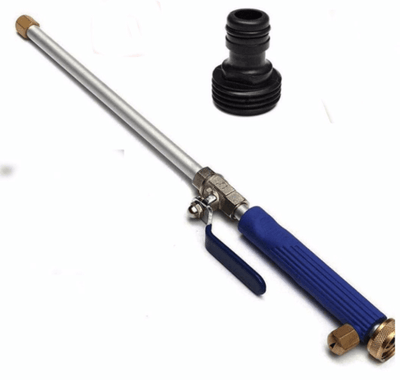
Contractors looking to upgrade a softwashing set-up should explore professional soft washing equipment that is designed for controlled chemical application rather than repurposing unsuitable pressure washing components. Chemical compatibility, seal materials, flow rates and operator control all affect both productivity and safety.
Nozzles Make a Bigger Difference Than Many People Realise
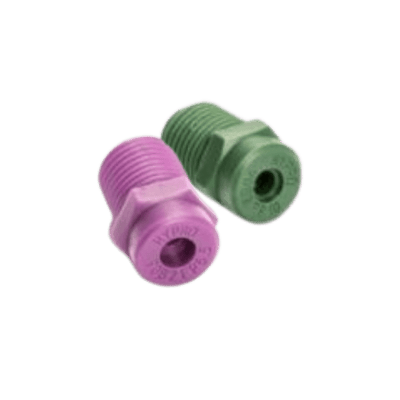
Nozzle choice affects coverage rate, overspray, dwell control and the finish of the job. A poor nozzle can make a good pump feel ineffective. The right nozzle can reduce wasted product and help the operator apply evenly with fewer passes.
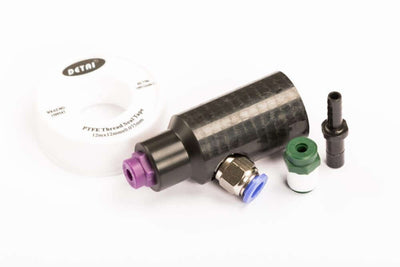
For targeted application from a water-fed pole set-up, a product such as the Water Fed Pole Softwash Nozzle can help improve reach and control when treating render, fascias, soffits and awkward elevations. This type of upgrade is often more cost-effective than immediately changing your full system.
Hose Reels, Hose Runs and Site Layout
Hose management is one of the most overlooked productivity factors in exterior cleaning. A powerful system is not productive if the operator spends half the day fighting hose snags around gates, vehicles, plant pots, scaffolding, downpipes or site furniture.
Practical Hose Management Tips
- Use reels that allow fast deployment and controlled rewind.
- Choose hose length based on typical working distance, not guesswork.
- Avoid excessive hose diameter if it makes handling unnecessarily difficult.
- Use hose guides or protectors where hoses pass around corners.
- Keep chemical hose separate from water hose where possible.
- Flush systems correctly after chemical use to reduce failures.
On larger commercial sites, small improvements in hose layout can save significant time. For example, planning the route before starting can prevent repeated moving of the van or trolley system. On domestic properties, laying hose with the final pack-away in mind can reduce end-of-job delays.
Dosing Systems and Chemical Control
Manual mixing can be productive on small jobs if done correctly, but it becomes a bottleneck when working on repeated surfaces, larger estates or commercial maintenance programmes. Better dosing equipment can improve consistency and reduce the time spent measuring, mixing and correcting errors.
Injection systems, proportioners and dosing devices help operators apply treatment at known strengths, provided they are used with suitable products and within manufacturer guidance. The benefit is not just speed. Consistency also improves results, reduces waste and helps maintain a professional standard across different operators.
For contractors who regularly apply biocides or softwash solutions, equipment such as the Clever Injector Dosatron may help streamline controlled dosing. The key point is to understand the product, surface, dilution requirement and equipment compatibility before use.
Productivity Is Not an Excuse to Over-Apply Chemicals
Using stronger mixes than required is not professional and rarely improves productivity in the long term. It can increase risk to plants, metals, drainage, neighbouring surfaces and operators. It can also increase complaints and rework. A better approach is to use the correct chemical, correct dilution, correct dwell time and correct application method.
SoftWash UK supplies professional soft wash chemicals for different exterior cleaning tasks, but product selection should always be based on the surface, contamination type, site conditions and safety requirements.
Step-by-Step: How to Improve Productivity With Better Equipment
Use the following process to make sensible equipment decisions rather than buying items that look impressive but do not solve your real bottlenecks.
1. Measure Where Time Is Being Lost
For one week, record how long you spend on:
- Loading and unloading.
- Setting up hoses and equipment.
- Mixing or preparing product.
- Application time.
- Rinsing or finishing.
- Cleaning down and packing away.
- Returning to site to correct issues.
This will show whether your biggest problem is application speed, access, organisation, product control or staff knowledge.
2. Match Equipment to the Surface
Different surfaces need different approaches. Roof moss treatment, render cleaning, patio cleaning and commercial cladding maintenance are not the same job. Using one generic set-up for everything usually reduces efficiency.
| Surface or Task | Useful Equipment Focus | Productivity Benefit |
|---|---|---|
| Render cleaning | Controlled softwash application, pole nozzles, suitable surfactant | Even coverage with less ladder work |
| Roof treatment | Low-pressure application, safe access equipment, calibrated dosing | Reduced manual scraping and safer operation |
| Commercial cladding | Long hose runs, reels, water-fed pole compatibility | Faster work over large elevations |
| Driveways and patios | Surface cleaners, stain-specific products, efficient rinsing | Reduced wand marks and faster finishing |
| Facilities maintenance | Documented systems, repeatable dosing, trained operators | More consistent results across multiple sites |
3. Upgrade the Bottleneck First
If application is slow, improve pump, nozzle or dosing control. If pack-away is slow, improve reels and van layout. If results are inconsistent, improve training and product knowledge before buying more hardware.
4. Standardise Your Set-Up
Productivity improves when every operator knows where equipment is stored, how systems are assembled and how the job is completed. Label containers, colour-code hoses where practical, keep spares organised and create a standard site procedure.
5. Train the Operator, Not Just the Equipment
Good equipment in untrained hands can still produce poor results. Operators need to understand surface identification, chemical dwell time, safe application, rinsing requirements, plant protection, overspray control and what to do if conditions change.
For contractors and maintenance teams who want a structured route into safer, more efficient working, the Soft Wash Training Course can help develop practical knowledge around equipment, chemicals, application methods and professional standards.
Vehicle and Storage Layout: The Hidden Productivity Upgrade
A tidy van is not just about looking professional. It directly affects money earned per day. If staff cannot find nozzles, spare O-rings, PPE, SDS sheets, connectors or measuring equipment, productivity drops immediately.
Simple Van Layout Improvements
- Store frequently used items near the doors.
- Keep chemical storage secure and segregated where required.
- Use labelled boxes for nozzles, fittings, PPE and spares.
- Carry spare seals, clips, connectors and hose repair parts.
- Keep clean and contaminated equipment separate.
- Have a dedicated document folder for site paperwork and emergency information.
For facilities managers, the same principle applies to store rooms and maintenance depots. If equipment is shared by several team members, clear labelling and checklists prevent delays and reduce misuse.
Safety and Compliance Improve Productivity Too
Some people see risk assessments, method statements and COSHH documentation as paperwork that slows the job down. In practice, good compliance often speeds up professional work because the site has already been considered before the team arrives.
A proper risk assessment helps identify:
- Access issues.
- Public and pedestrian risks.
- Overspray and drift risks.
- Drainage routes and environmental considerations.
- Plant, pet and wildlife protection requirements.
- PPE requirements.
- Emergency procedures.
For exterior cleaning contractors, a well-prepared Risk Assessment and Method Statement pack for exterior cleaning can save time when quoting, planning and attending sites, especially for commercial clients who expect documentation before work begins.
Best-Practice Safety Notes
- Never use equipment that is not compatible with the chemical being applied.
- Always read product labels and safety data sheets before use.
- Wear suitable PPE, including eye, hand and skin protection where required.
- Control overspray, especially near vehicles, metals, plants and public areas.
- Do not work at height without suitable planning, equipment and competence.
- Protect drainage and follow environmental best practice.
- Flush equipment after use according to manufacturer guidance.
Common Equipment Mistakes That Reduce Productivity
Buying for Maximum Power Instead of Correct Application
More pressure or more flow is not always better. Softwashing relies on controlled low-pressure application. Excessive force can damage surfaces, increase overspray and create avoidable risk.
Using Domestic-Grade Equipment for Commercial Work
Domestic-grade sprayers, hoses and fittings may be fine for occasional light use, but they often fail under regular contractor workloads. Breakdowns on site cost far more than reliable equipment would have cost in the first place.
Ignoring Chemical Compatibility
Not all seals, pumps, hoses and fittings are suitable for softwash chemicals. Incompatible equipment can fail quickly and create safety issues. Check compatibility before use and replace components at sensible intervals.
Poor Maintenance
Productive teams maintain equipment. They flush systems, check leaks, replace worn nozzles, inspect hoses and keep batteries charged. Preventative maintenance is almost always cheaper than cancelled jobs or emergency repairs.
Assuming Equipment Alone Will Fix Poor Technique
Better tools help, but they do not replace knowledge. If an operator misidentifies a surface, uses the wrong dilution, ignores dwell time or fails to protect surrounding areas, productivity will suffer through complaints and rework.
How Facilities Managers Can Use Better Equipment to Improve Planned Maintenance
Facilities managers and property teams often work across multiple buildings, surface types and risk profiles. Productivity is not only about cleaning speed; it is about predictable maintenance, safe methods and fewer disruptions to building users.
Better equipment can help facilities teams by:
- Reducing the need for repeated reactive cleaning.
- Improving consistency between sites.
- Allowing planned treatments during suitable weather windows.
- Reducing reliance on high-pressure methods where softwashing is more appropriate.
- Supporting safer working from the ground where suitable.
- Making contractor performance easier to assess.
For larger portfolios, the most productive approach is often a planned exterior cleaning programme using the correct equipment, products and documentation rather than waiting until staining, algae or moss growth becomes severe.
How to Calculate Whether an Equipment Upgrade Is Worth It
A simple return-on-investment calculation can help decide whether an upgrade is justified.
Consider:
- How many minutes the equipment saves per job.
- How often you use it each week.
- Whether it reduces chemical waste.
- Whether it reduces return visits.
- Whether it allows you to take on larger or better-paid work.
- Whether it improves safety or compliance.
For example, if better reels and nozzles save 30 minutes per job and you complete six jobs per week, that is three hours saved weekly. Over a year, the time recovered can exceed the cost of the upgrade many times over, especially if it allows another small job to be completed or reduces overtime.
Frequently Asked Questions
What equipment improves exterior cleaning productivity the most?
The biggest productivity gains usually come from better application systems, hose reels, nozzles, dosing equipment, van organisation and operator training. The best upgrade depends on where you are currently losing time.
Is better equipment always more expensive?
No. Sometimes a better nozzle, a more suitable hose reel, improved fittings or a clearer van layout delivers more value than a large machine upgrade. Productivity comes from the right equipment, not necessarily the most expensive equipment.
Can softwashing equipment help reduce manual labour?
Yes, when used correctly. Low-pressure application systems, water-fed pole accessories and controlled dosing can reduce unnecessary scrubbing, repeated ladder work and manual chemical mixing. Safe access planning is still essential.
Do I need training if I already have good equipment?
Training is strongly recommended for professional work. Equipment only performs well when the operator understands surfaces, chemical behaviour, dwell time, PPE, environmental controls and safe working methods.
How often should exterior cleaning equipment be maintained?
Equipment should be checked before and after use. Hoses, seals, fittings, nozzles, pumps and batteries should be inspected regularly, and systems should be flushed after chemical application according to guidance. A simple weekly maintenance checklist can prevent costly breakdowns.
What should a new softwash contractor buy first?
A new contractor should start with a safe, reliable application system, suitable hoses and reels, correct nozzles, PPE, chemical-compatible fittings, measuring equipment, site documentation and training. Avoid buying advanced equipment before understanding your target work and workflow.
Conclusion: Better Equipment Creates Faster, Safer and More Consistent Work
Improving productivity with better equipment is not about filling the van with gadgets. It is about removing friction from the working day. The right exterior cleaning equipment helps you set up faster, apply products more accurately, reduce waste, protect surfaces, minimise fatigue and complete work to a more consistent professional standard.
For UK contractors, property maintenance professionals, facilities managers and serious DIY users, the best productivity gains come from matching equipment to the task, maintaining it properly, using safe methods and investing in operator knowledge. A well-organised, compliant and properly equipped system will nearly always outperform a powerful but poorly planned one.
If you are reviewing your current set-up or planning a new softwashing operation, SoftWash UK offers professional equipment, chemicals, training and educational resources to help you make informed decisions. Explore the SoftWash UK range of professional products and guidance at SoftWash UK, and use the Knowledge Centre to continue building safer, more productive exterior cleaning systems.