The Biggest Mistakes New Softwash Contractors Make
The biggest mistakes new softwash contractors make are not usually caused by lack of effort. They are caused by underestimating the importance of chemistry, dilution, surface assessment, safety controls, customer communication and proper process. Softwashing is not simply “spray and walk away”. Done properly, it is a controlled exterior cleaning method that uses the right chemical, at the right strength, on the right surface, with suitable dwell time, rinsing, protection and documentation.
For UK exterior cleaning contractors, property maintenance professionals, facilities managers and serious DIY users, the difference between a professional softwash job and a risky one often comes down to preparation. A poor survey, wrong mix strength, missing COSHH controls or careless overspray can turn a profitable job into a complaint, insurance issue or damaged surface.
This guide explains the most common softwashing mistakes we see from new contractors, why they happen, and how to avoid them using practical, site-tested best practice.
Quick Answer: What Are the Most Common Softwashing Mistakes?
New softwash contractors most commonly make the following mistakes:
- Using the wrong chemical strength for the surface and contamination.
- Failing to carry out a proper site survey and risk assessment.
- Confusing softwashing with pressure washing.
- Not protecting plants, metals, glass, painted surfaces and adjacent property.
- Rushing dwell time or rinsing too early.
- Not understanding surfactants, biocides and oxidising agents.
- Quoting too cheaply because they misjudge time, chemical use and access issues.
- Working without proper PPE, COSHH information, RAMS or training.
- Promising instant results where a treatment needs time to work.
- Using unsuitable equipment that delivers poor control or excessive overspray.
Most of these problems are preventable. A professional system, good documentation and competent training reduce risk, improve results and help contractors build trust with domestic, commercial and facilities management clients.
1. Treating Softwashing Like Pressure Washing
One of the first mistakes new contractors make is assuming softwashing is just low-pressure pressure washing. It is not. Pressure washing is primarily mechanical cleaning. Softwashing is a chemical-led cleaning and treatment process.
On a typical render, roof, cladding or driveway job, the level of water pressure may be relatively low, but the decisions are more technical. You must understand the material, the organic growth, the cleaning product, the dwell time, the rinse requirements and the environmental controls.
Why This Matters on Real Jobs
For example, black and green algae on painted render may respond well to a carefully selected softwash solution. But if a contractor treats the wall as though it is block paving and attacks it with high pressure, they can scar the finish, force water behind the coating or leave wand marks. On the other hand, spraying a mild product and rinsing too quickly may leave the algae staining largely untouched.
| Approach | Best Used For | Main Risk If Misused |
|---|---|---|
| Softwashing | Organic growth, algae, lichen, biofilm, render, roofs, cladding and delicate surfaces | Chemical damage, overspray or poor results if product choice and dilution are wrong |
| Pressure washing | Hard surfaces such as concrete, some paving and heavy soiling where pressure is suitable | Surface damage, water ingress, joint loss or etching |
| Manual scraping and brushing | Heavy moss removal, roof preparation and sensitive areas | Damage through aggressive scraping or unsafe access methods |
A competent contractor understands when to use each method and when to combine them safely.
2. Using the Wrong Chemical for the Job
Softwashing relies on chemistry. New contractors often focus on “what is strongest” rather than “what is correct”. This is a major mistake.
Different exterior cleaning issues need different chemistry. Organic growth, moss, algae, lichen, rust staining, oil staining, lead staining and timber discolouration are not all solved by one product. Using the wrong chemical can fail to clean the surface, damage the substrate or create unnecessary safety risks.
For contractors building a professional setup, SoftWash UK supplies a range of professional softwash chemicals for different exterior cleaning applications. The important point is not simply having products available; it is knowing where each product fits and how to use it responsibly.
Common Chemical Selection Errors
- Using sodium hypochlorite-based solutions where a biocidal treatment or specialist stain remover is more appropriate.
- Trying to clean oil stains, rust or lead staining with a general softwash mix.
- Applying a strong mix to a surface that only needs light treatment.
- Mixing products without understanding compatibility and safety data.
- Failing to account for temperature, porosity, surface condition and runoff.
Always check the Safety Data Sheet, product guidance, surface suitability and legal responsibilities before use. Never mix chemicals casually or because someone online suggested it. In exterior cleaning, a “stronger mix” is not a substitute for knowledge.
3. Poor Dilution Control and Guesswork Mixing
Another common softwashing mistake is mixing by eye. This is particularly risky when using concentrated products or oxidising agents. Guesswork leads to inconsistent results, higher risk of surface damage and higher chemical costs.
A good contractor knows the target application strength, measures accurately and records what was used. This is especially important when working for facilities managers, commercial property owners or public-facing sites where audit trails and professional documentation matter.
Best Practice for Dilution
- Identify the surface and type of contamination.
- Check the product label, Safety Data Sheet and application guidance.
- Calculate the required dilution before arriving on site where possible.
- Use suitable measuring containers, dosing equipment or injection systems.
- Start with the least aggressive method likely to achieve the result.
- Test a small, inconspicuous area before full application.
- Record the product, dilution, dwell time and observations.
This is not overcomplicating the job. It is how professional contractors protect themselves, their clients and the surfaces they are paid to maintain.
4. Skipping the Site Survey
A proper site survey is one of the most valuable parts of a softwashing job. New contractors sometimes quote from a photo without asking enough questions or visiting the site. Photos can help, but they often miss the details that cause problems.
What to Check Before Quoting
- Surface type, coating condition and age.
- Existing cracks, flaking paint, blown render or damaged pointing.
- Drainage routes and where runoff will travel.
- Nearby plants, lawns, ponds, vehicles and neighbouring property.
- Access requirements, working at height risks and public access.
- Electrical points, external lights, alarms, vents and air bricks.
- Metal fixtures, lead, copper, zinc, aluminium and galvanised surfaces.
- Water availability and containment requirements.
On commercial sites, the survey also needs to consider pedestrian management, signage, working hours, permits, traffic movement and communication with site management. A facilities manager will expect a contractor to understand these issues, not discover them halfway through the clean.
5. Not Protecting Sensitive Areas
Overspray and runoff are two of the biggest causes of avoidable complaints. Plants, painted surfaces, anodised aluminium, untreated metals, glass, timber and decorative finishes can all be affected if the contractor does not control the work area.
Good softwashing is controlled, not casual. Pre-wetting, sheeting, temporary diversion, controlled application and thorough rinsing are all part of competent practice.
Practical Protection Measures
- Pre-wet plants and surrounding vegetation before application.
- Rinse sensitive areas during and after treatment where appropriate.
- Use low-pressure controlled application to reduce drift.
- Work in suitable weather conditions and avoid windy days.
- Protect or isolate electrical components.
- Keep customers, pets and the public away from the working area.
- Use signage and barriers on commercial or public sites.
Many new contractors only think about the wall, roof or driveway they are cleaning. Experienced contractors think about everything around it.
6. Rushing Dwell Time
Dwell time is the period a product remains active on the surface. Rushing this stage is a common reason for poor softwashing results.
On organic growth, the chemical needs enough time to work. If it is rinsed too early, the surface may look patchy or the growth may remain active. If it is left too long in unsuitable conditions, it may dry out, leave residue or increase the risk to sensitive materials.
Factors That Affect Dwell Time
- Type and severity of growth.
- Surface porosity.
- Temperature and sunlight.
- Wind and evaporation rate.
- Product type and dilution.
- Whether a surfactant is used to improve cling and wetting.
Surfactants can improve coverage, reduce runoff and help the solution stay where it is needed. However, they must be used correctly. Too much surfactant can make rinsing harder or leave residues. Too little may reduce contact time on vertical surfaces.
7. Promising Instant Results Every Time
Softwashing can deliver dramatic visible improvements, but not every treatment gives a perfect instant transformation. This is especially true with some biocidal treatments, heavy lichen, deep staining or neglected surfaces.
New contractors sometimes overpromise because they want to win the job. This is risky. A better approach is to explain what will improve immediately, what may continue to lighten over days or weeks, and what may require a second visit or specialist treatment.
How to Set Customer Expectations
- Explain the difference between cleaning, sanitising, treating and stain removal.
- Point out permanent staining, damaged coatings or surface wear before starting.
- Use before photos to document the original condition.
- Tell the client if further improvement is expected after weathering.
- Be clear about what is included in the quotation.
Customers are usually reasonable when they understand the process. Problems start when expectations are not managed.
8. Working Without Proper Safety Documentation
Softwashing contractors in the UK must take safety and compliance seriously. This includes risk assessments, method statements, COSHH assessments, suitable PPE, Safety Data Sheets and environmental controls.
Many new contractors assume paperwork only matters for commercial work. In reality, good documentation protects your business on domestic jobs too. If there is a complaint, injury, chemical incident or insurance query, proper records make a major difference.
For contractors who want to improve their documentation, the Risk Assessment and Method Statement pack for exterior cleaning can help provide a structured starting point for safer, more professional site work. It does not replace competent judgement, but it helps contractors think through hazards before arriving on site.
Safety Basics New Contractors Must Not Ignore
- Wear suitable PPE, including eye protection, gloves, protective clothing and footwear.
- Carry and understand Safety Data Sheets for products being used.
- Complete COSHH assessments for hazardous substances.
- Use safe access methods and follow working at height principles.
- Prevent unauthorised access to the work area.
- Plan for spills, splashes and first aid response.
- Store and transport chemicals securely and legally.
Responsible contractors do not treat safety as an optional extra. It is part of the service.
9. Buying Equipment Before Understanding the Process
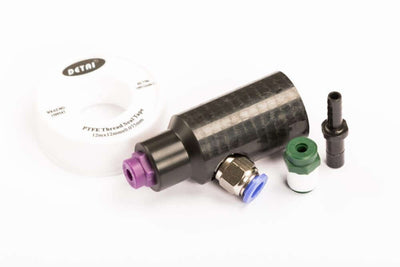
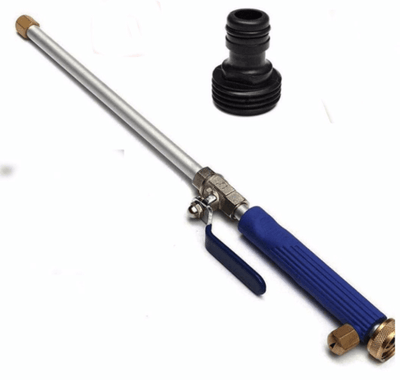
It is easy to spend money on pumps, tanks, reels, lances and accessories before fully understanding what is needed. New contractors often buy either underpowered equipment that slows them down or overcomplicated kit that they do not yet know how to use safely.
The best equipment choice depends on your work type. Domestic render cleaning, roof treatment, commercial cladding, schools, care homes and industrial units all create different demands.
SoftWash UK offers softwashing equipment suitable for professional exterior cleaning setups, but equipment should always be matched to your process, chemical type, access requirements and level of training.
Equipment Mistakes to Avoid
- Using components that are not chemically compatible.
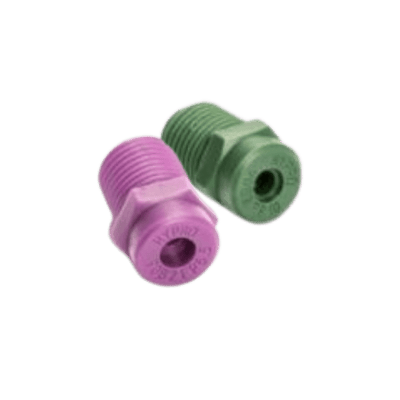
- Choosing nozzles that create excessive mist and drift.
- Not calibrating flow rate and coverage.
- Using poor-quality hose connections that leak on customer property.
- Failing to rinse equipment after use where required.
- Working without spill control or emergency rinse water.
Controlled application is one of the signs of a skilled softwash contractor. If the product is going everywhere except the target surface, the method needs improving.
10. Underpricing Softwash Work
Many new contractors price softwashing as though it is a quick pressure washing add-on. This is a mistake. A professional softwash quotation must account for survey time, preparation, plant protection, chemical cost, dwell time, rinsing, access, documentation, insurance, waste considerations and aftercare communication.
Costs New Contractors Often Forget
- Chemical use and wastage.
- PPE, signage, sheeting and protection materials.
- Travel and site setup time.
- Time spent testing and protecting surfaces.
- Insurance, training and compliance costs.
- Administration, photos, RAMS and customer communication.
- Return visits for heavy growth or staged treatments.
Cheap pricing can also attract the wrong type of customer. Facilities managers and professional property owners often value reliability, documentation and risk control over the lowest price. A well-presented contractor who can explain their method clearly is in a stronger position than someone selling only on cost.
11. Ignoring Training and Ongoing Learning
Softwashing has a learning curve. You can learn a lot from practical experience, but learning by trial and error on customers’ properties is expensive and risky.
Good training helps contractors understand chemical handling, dilution, surface compatibility, equipment setup, risk assessment and application technique. It also helps serious DIY users recognise when a job should be left to a trained professional.
The SoftWash UK softwash training course is designed to help contractors build safer, more consistent working methods and avoid the common mistakes that lead to poor results or damage.
For ongoing industry education, the SoftWash UK Podcast is also useful for contractors who want to keep improving their knowledge of exterior cleaning, business practice, chemicals, equipment and professional standards.
12. Not Taking Before and After Photos
Photos are not just for marketing. They are a practical record of condition, progress and result. New contractors often forget to photograph existing damage, which can cause disputes later.
What to Photograph
- Full elevations before starting.
- Close-ups of heavy staining or growth.
- Cracks, flaking paint, failed render or damaged pointing.
- Sensitive areas such as plants, metals, lights and vents.
- Protection measures in place.
- Finished results from the same angles as the before photos.
On commercial jobs, photographic records can also support maintenance reports and help facilities managers justify preventative treatment schedules.
13. Failing to Understand Surface Compatibility
Not all surfaces react the same way. A method that works well on one render system may not suit another. A patio, roof tile, painted wall, timber deck and metal-clad unit all need separate consideration.
Surface-Specific Risks
| Surface | Common Risk | Professional Approach |
|---|---|---|
| Painted render | Discolouration, streaking or coating failure | Test patch, low-pressure application, controlled dwell and careful rinsing |
| Roof tiles | Water ingress, broken tiles, unsafe access | Survey condition, remove heavy moss safely, use suitable treatment and access method |
| Cladding | Oxidation, streaking, damage to seals or fixings | Identify material, avoid aggressive chemistry and manage runoff |
| Timber | Fibre damage, patchiness or over-brightening | Use timber-appropriate products and avoid harsh pressure |
| Natural stone | Etching, colour change or residue | Check stone type, test first and avoid unsuitable chemicals |
If you cannot identify the surface confidently, pause and seek advice before applying chemicals.
14. Poor Rinsing and Runoff Management
Rinsing is not an afterthought. It is part of the cleaning process. Poor rinsing can leave residues, streaks or chemical contact on sensitive areas. Poor runoff management can affect lawns, borders, watercourses and neighbouring property.
Good Runoff Practice
- Identify drainage routes before starting.
- Prevent contaminated runoff entering sensitive areas where required.
- Use water strategically rather than flooding the site unnecessarily.
- Rinse glass, frames, metals and plants where appropriate.
- Follow product guidance and environmental responsibilities.
Contractors working near ponds, streams, surface water drains or protected planting need to be especially careful. If the runoff route cannot be managed safely, the method may need changing.
15. Forgetting That Softwashing Is a Business Skill as Well as a Cleaning Skill
Technical ability matters, but so does communication. New contractors sometimes fail because they cannot explain the process, manage expectations, provide paperwork, or present a professional quotation.
A good softwash contractor should be able to answer these questions clearly:
- What is growing on the surface?
- What product and method will be used?
- What areas need protection?
- How long will the treatment take to work?
- What are the safety controls?
- What result is realistic?
- What aftercare is needed?
When you can answer these confidently, customers are more likely to trust your recommendation and accept professional pricing.
A Practical Step-by-Step Softwash Job Framework
The following framework helps new contractors avoid most common softwashing errors. It should be adapted to the product, site and surface involved.
- Initial enquiry: Ask for photos, surface details, access information and the customer’s main concern.
- Site survey: Inspect surface condition, drainage, sensitive areas, access and hazards.
- Risk assessment: Identify chemical, access, public, environmental and property risks.
- Method selection: Decide whether softwashing, pressure washing, manual removal or a combined method is suitable.
- Product selection: Choose the correct chemical for the contamination and substrate.
- Test area: Check compatibility and expected reaction on a small area.
- Preparation: Protect plants, metals, electrics, vents, glass and adjacent surfaces.
- Application: Apply at the correct dilution with controlled equipment and suitable weather conditions.
- Dwell monitoring: Allow the product to work without drying out or exceeding safe contact time.
- Rinse or leave as specified: Follow product guidance and site requirements.
- Final inspection: Check results, rinse sensitive areas and photograph completion.
- Customer handover: Explain aftercare, expected ongoing improvement and any recommendations.
Common Myths About Softwashing
Myth 1: Stronger Chemical Always Means Better Results
Stronger does not always mean better. It can increase the risk of damage, odour, runoff issues and unnecessary chemical exposure. The correct strength is the one that achieves the result safely and efficiently.
Myth 2: Softwashing Is Safe on Every Surface
No cleaning method is safe on every surface. Surface identification and testing are essential. Some materials, coatings and metals need specialist care or alternative methods.
Myth 3: You Do Not Need Training If You Have Done Pressure Washing
Pressure washing experience helps with site work, water control and customer handling, but softwashing adds chemical knowledge, COSHH responsibilities and different risks. Training shortens the learning curve.
Myth 4: Paperwork Is Only for Large Contractors
RAMS, COSHH and SDS records are not just for national facilities contracts. They help small contractors work professionally, reduce risk and show customers they take safety seriously.
Frequently Asked Questions
What is the biggest mistake a new softwash contractor can make?
The biggest mistake is applying chemicals without properly assessing the surface, contamination, dilution, runoff and safety risks. Most serious problems come from poor preparation rather than the application itself.
Do I need training to start a softwashing business in the UK?
Formal training is strongly recommended. Softwashing involves chemical handling, COSHH considerations, product selection, dilution, equipment control and environmental responsibility. Training helps reduce costly mistakes and improves professional credibility.
Can softwashing damage render or painted surfaces?
Yes, if the wrong product, strength, dwell time or rinsing method is used. A test patch, surface survey and controlled application are essential. Existing coating failure, cracks or poor previous paintwork should be documented before work starts.
Is sodium hypochlorite always used for softwashing?
No. Sodium hypochlorite-based solutions are commonly used in certain exterior cleaning applications, particularly for organic growth, but they are not suitable for every stain, surface or situation. Biocides, surfactants and specialist stain removers may be more appropriate depending on the job.
How should new contractors price softwashing work?
Pricing should include survey time, preparation, chemical use, dwell time, rinsing, PPE, documentation, travel, access equipment, insurance and aftercare. Do not price softwashing as a quick spray-only service.
What paperwork should a professional softwash contractor carry?
A professional contractor should have relevant Safety Data Sheets, COSHH assessments, risk assessments, method statements, insurance details and site-specific records. Commercial clients may also ask for training evidence and environmental controls.
Conclusion: Professional Softwashing Is About Control, Not Guesswork
The biggest mistakes new softwash contractors make usually come down to rushing, guessing or copying methods without understanding them. Successful softwashing requires surface knowledge, chemical competence, safe working practices, good equipment, realistic quoting and clear customer communication.
If you are serious about building a reliable exterior cleaning business, invest in your process before chasing volume. Learn how products behave, document your work, protect the site properly and be honest with customers about what is achievable.
SoftWash UK supports contractors, property maintenance professionals and serious DIY users with professional softwashing chemicals, equipment, training and practical industry education. To improve your knowledge, explore the SoftWash UK Knowledge Hub, review appropriate products and equipment, and consider structured training before taking on higher-risk work.
For contractors who want to reduce mistakes, improve safety and work more professionally, visit SoftWash UK for trusted softwashing supplies, training resources and industry guidance.