What New Softwash Contractors Often Get Wrong
New softwash contractors usually get into trouble for one of three reasons: they underestimate the technical side of chemical cleaning, they price and sell the service like pressure washing, or they fail to build proper safety, insurance and compliance into the job from day one. Softwashing is not simply spraying a chemical and waiting for a surface to look clean. It involves substrate knowledge, correct chemical selection, controlled application, plant and property protection, realistic customer expectations, safe working methods and professional documentation.
For UK exterior cleaning contractors, property maintenance professionals, facilities managers and serious DIY users, the biggest mistake is assuming softwashing is easy because it can look simple from the outside. In practice, the best results come from understanding biology, dwell times, dilution, runoff control, surface sensitivity, safe access, weather conditions and aftercare.
This guide explains the most common mistakes new softwash contractors make, why they matter, and how to avoid them in real-world UK conditions.
1. Thinking Softwashing Is Just “Low Pressure Pressure Washing”
Softwashing and pressure washing are different cleaning methods. Pressure washing relies mainly on mechanical force. Softwashing relies mainly on chemistry, dwell time and controlled rinsing where appropriate.
New contractors often try to apply a pressure washing mindset to softwashing. They expect instant visual results, use too much pressure on delicate surfaces, or fail to allow the chemical enough time to work on organic growth such as algae, lichen, moss and biofilm.
Why this causes problems
- Render, K-rend, painted surfaces, roof tiles and timber can be damaged by excessive pressure.
- Organic staining may return quickly if the biological contamination is not treated properly.
- Customers may be given unrealistic promises about immediate results.
- Jobs can take longer than quoted because the process was misunderstood.
A professional softwash contractor understands when to treat, when to rinse, when to leave a biocidal product to continue working, and when not to clean at all because the surface, weather or access conditions are unsuitable.
2. Using the Wrong Chemical for the Surface or the Problem
One of the most common softwashing mistakes is treating every stain as if it is the same. Black algae on render, green biofilm on cladding, moss on roof tiles, rust staining, oil marks and lead staining are different problems. They do not all respond to the same product.
For example, sodium hypochlorite-based softwash solutions are widely used for organic staining, but they are not the correct answer for every mark on every surface. Rust, oil, tannin, lead and mineral staining often require specialist products and careful testing.
| Problem | Common new contractor mistake | Better professional approach |
|---|---|---|
| Green algae on render | Blast with pressure or apply an uncontrolled mix | Use a suitable softwash solution, apply evenly, manage dwell time and rinse if required |
| Roof moss and lichen | Promise instant “like new” results | Remove heavy moss where appropriate, treat safely, and explain that lichen may weather away over time |
| Rust stains | Use a general softwash mix and hope it fades | Identify the source and use a suitable rust stain remover after testing |
| Oil on block paving | Softwash it as though it is organic growth | Use a degreasing or oil stain process designed for hydrocarbons |
| Lead staining below flashing | Over-treat with harsh chemicals | Use a product designed for lead staining and protect surrounding materials |
SoftWash UK supplies a range of professional soft wash chemicals for different cleaning tasks. The important point is not to own every product on day one, but to know what problem you are actually treating before choosing the chemical.
3. Poor Dilution Control and Guesswork Mixing
Guesswork is one of the fastest ways to damage surfaces, waste money and create safety risks. New contractors sometimes mix stronger than necessary because they believe strength equals quality. In softwashing, more chemical is not automatically better.
Correct dilution depends on several factors:
- The active ingredient and product label instructions
- The surface being cleaned
- The level and type of contamination
- Temperature, sunlight and wind
- Dwell time
- Whether the surface will be rinsed or left to weather
- Nearby plants, metals, painted finishes and sensitive materials
Over-strength application can increase the risk of bleaching, oxidation, corrosion, plant damage, odour complaints and unsafe handling. Under-strength application can mean repeat visits, poor results and lost confidence from the client.
Best practice for dilution management
- Read the product label and safety data sheet before use.
- Measure accurately rather than “glugging” product into a tank.
- Record what mix was used on each job.
- Start with the least aggressive suitable method.
- Test an inconspicuous area before full application.
- Use dedicated, chemical-compatible equipment.
For contractors who want more control, dosing equipment such as injectors can help improve consistency when used correctly. However, equipment does not replace chemical knowledge. It simply helps apply that knowledge more repeatably.
4. Not Understanding Dwell Time
Dwell time is the period a cleaning solution remains active on the surface before it is rinsed, re-applied or left to continue working. New contractors often rinse too early because they are impatient, or they leave products too long in hot weather and risk drying on the surface.
In the UK, dwell time can vary significantly between a damp north-facing render wall in March and a south-facing patio in July. Wind, sun, temperature and surface porosity all change how the chemical behaves.
Practical dwell time tips
- Do not apply in strong direct sunlight if the product is likely to dry too quickly.
- Work in manageable sections rather than coating a whole building at once.
- Keep an eye on edges, window frames, vents and porous areas.
- Follow product guidance and assess the surface throughout the job.
- Re-wet or rinse where required rather than letting residues dry inappropriately.
Experienced contractors learn that softwashing is not a race. A controlled process usually gives a better result than fast application and hurried rinsing.
5. Failing to Protect Plants, Metals, Glass and Surrounding Areas
Many complaints in softwashing come from what happened around the cleaned surface, not the cleaned surface itself. New contractors may focus on the wall, roof or driveway and forget the garden, aluminium trims, door furniture, vehicles, pond, outdoor lighting, security cameras, electrical fittings or neighbouring property.
Before applying any chemical, walk the site slowly and identify what could be affected. This is especially important on domestic properties with landscaped gardens and commercial sites with pedestrians, parked vehicles and sensitive drainage areas.
Typical protection measures
- Pre-wet and post-rinse plants where appropriate.
- Move or cover garden furniture, ornaments and vehicles.
- Protect electrical fittings, doorbells, cameras and external sockets.
- Check for open windows, air bricks and vents.
- Control overspray in windy conditions.
- Divert or manage runoff where required.
- Use signage and barriers on commercial sites.
Plant protection is not optional. Neither is controlling chemical drift. If conditions are windy, postpone the work. A professional contractor knows when to say no to a job on the day, even if it is inconvenient.
6. Ignoring RAMS, COSHH and Safety Documentation
Softwashing uses professional cleaning chemicals and often involves working at height, public areas, water-fed poles, hoses, slippery surfaces and powered equipment. Risk assessment is not paperwork for its own sake. It is how you prevent accidents, property damage and enforcement issues.
New contractors can underestimate the importance of:
- Risk assessments
- Method statements
- COSHH assessments
- Safety data sheets
- PPE selection
- Emergency procedures
- Public and pedestrian control
- Wastewater and environmental considerations
For contractors building a professional system, a Risk Assessment and Method Statement RAMS pack for exterior cleaning can help structure the way jobs are planned, documented and communicated. It does not remove the need to assess each site individually, but it gives newer businesses a stronger starting point.
Where chemical compliance is involved, the HSE soft washing full collection can also support safer documentation and operator understanding. Contractors should always work in line with current UK legislation, product labels and site-specific requirements.
7. Buying Equipment Before Understanding the Work
It is easy to assume that a bigger pump, larger tank or more complex setup will make a new softwashing business more professional. In reality, the best equipment is the equipment that suits the work you are doing, the sites you are visiting and the chemicals you are applying.
New contractors often overspend on kit before they understand their target market. Others go too cheap and end up with pumps, hoses, seals and fittings that are not suitable for chemical use.
Common equipment mistakes
- Using incompatible pumps or seals with chemical solutions.
- Not having enough hose management to work safely on site.
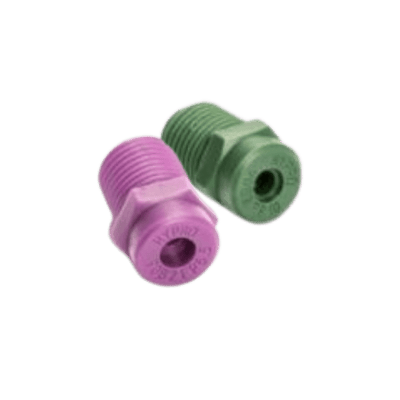
- Using poor-quality nozzles that cause overspray or uneven coverage.
- Building a van system without considering payload limits.
- Failing to carry spare seals, fittings, PPE and emergency rinse water.
- Not separating chemical equipment from pure water or pressure washing systems.
SoftWash UK’s range of professional soft washing equipment is useful for contractors who want chemical-compatible systems, but equipment should be matched to training, safe methods and the type of work being targeted.
8. Underpricing Jobs Because They Only Quote for Time on Site
Many new softwash contractors price too low. They compare the job to pressure washing or window cleaning and only think about the hours spent spraying. That approach misses the real costs of professional exterior cleaning.
A proper softwash quote should account for:
- Survey time and customer communication
- Chemicals, surfactants and neutralisation or protection processes where needed
- PPE and consumables
- Travel and setup time
- Plant and property protection
- Insurance and compliance costs
- Training and professional development
- Equipment wear and maintenance
- Wastewater management where applicable
- Return visits or staged results where agreed
If you are planning a new business, it is worth understanding the real cost to start a softwashing business before setting your prices. Cheap work can quickly become expensive if it leads to call-backs, complaints, damaged property or unsafe shortcuts.
9. Selling Results They Cannot Reliably Deliver
Another common problem is overpromising. Softwashing can produce excellent results, but contractors must be honest about what is realistic.
For example, heavy lichen on roof tiles may not disappear instantly. Some black staining on render may improve significantly during treatment but continue to lighten over time. Deep staining, historic damage, failing paint, oxidised cladding, efflorescence or surface deterioration may not be fully removable by softwashing alone.
What to explain to customers before work begins
- What the stain or growth is likely to be.
- What result is realistically expected.
- Whether improvement will be immediate or gradual.
- Whether any staining may remain.
- What surfaces or materials are at risk.
- Whether maintenance treatments are recommended.
- What access, water supply and safety measures are required.
Clear communication protects both the customer and contractor. Photographs, written quotes and agreed limitations are professional, not excessive.
10. Not Getting Proper Training Before Taking on Riskier Work
Softwashing has a lower barrier to entry than many trades, which can be both helpful and risky. A contractor can buy chemicals and equipment quickly, but that does not mean they are ready to clean a rendered apartment block, school, commercial roof, listed building or high-value domestic property.
Training helps shorten the learning curve and reduces expensive mistakes. It also gives contractors a clearer understanding of surface identification, chemical selection, safe application, plant protection, pricing, equipment setup and customer management.
If you are new to the industry, the SoftWash UK guide on how to become a softwash contractor is a useful starting point. For structured learning, CPD certified softwash training can help contractors demonstrate ongoing professional development and a safer approach to exterior cleaning.
SoftWash UK also provides a dedicated softwashing training and business hub for contractors who want to build their technical knowledge and business systems rather than learning everything through trial and error.
11. Not Checking Insurance Before Starting Work
Insurance is often misunderstood by new contractors. Standard public liability insurance may not automatically cover softwashing, chemical application, roof work, treatment of commercial sites or damage caused by overspray. You need to check the details, not just buy the cheapest policy.
Contractors should discuss their exact services with an insurance provider and ensure the policy reflects the work they actually carry out. This may include exterior cleaning, softwashing, chemical use, working at height, treatment of roofs, public liability, employer’s liability where required, tools and equipment cover, and professional advice risks.
The SoftWash UK Knowledge Centre article on softwash contractor insurance explains the key areas to consider before taking on paid work.
12. Skipping Test Patches and Surface Identification
Test patches are not just for unusual jobs. They are a practical way to confirm how a surface responds before committing to the full clean. New contractors sometimes skip this step because they are confident, short on time or worried it looks amateur. In reality, testing is a sign of professionalism.
Surfaces that need extra caution
- Painted render or previously coated walls
- Older K-rend or monocouche render
- Timber cladding and decking
- Natural stone, limestone and sandstone
- Oxidised uPVC or powder-coated aluminium
- Lead, copper, zinc and other metals
- Heritage brickwork and lime mortar
A small test patch can reveal colour change, bleaching, residue, surface weakness, unexpected absorption or the need for a different treatment method.
13. Poor Aftercare Advice and No Maintenance Plan
Softwashing is often part of an ongoing maintenance strategy, especially for commercial properties, schools, care homes, housing associations, retail parks and managed estates. New contractors sometimes treat each job as a one-off clean and miss the opportunity to explain maintenance cycles.
Aftercare advice may include:
- How long the surface may continue to improve after treatment.
- When light rinsing or natural weathering will take place.
- How to reduce future organic growth by improving airflow and sunlight.
- Why shaded north-facing elevations may require more frequent maintenance.
- When a follow-up inspection or maintenance treatment is sensible.
Facilities managers value predictable maintenance. A planned softwash programme can be more cost-effective than waiting until contamination becomes severe and complaints begin.
A Practical Step-by-Step Process for New Softwash Contractors
The following workflow helps reduce the most common softwashing mistakes. It can be adapted for domestic, commercial and facilities management work.
- Survey the site. Identify surfaces, contamination, access issues, water supply, drainage, pedestrians, vehicles, plants and sensitive materials.
- Diagnose the problem. Decide whether you are treating organic growth, staining, pollution, moss, lichen, oil, rust, mineral deposits or another issue.
- Choose the correct method. Select the least aggressive effective option and decide whether softwashing, pressure washing, manual removal or a specialist treatment is appropriate.
- Prepare documentation. Complete site-specific risk assessments, method statements and COSHH checks.
- Communicate limitations. Explain likely results, staged improvement, surface risks and maintenance requirements to the client.
- Protect the area. Move items, cover or rinse plants where appropriate, protect fittings and control public access.
- Test first. Carry out a test patch and assess the reaction before full application.
- Apply carefully. Use controlled application, appropriate PPE, suitable weather conditions and correct dwell time.
- Rinse or leave as specified. Follow product and method guidance, ensuring residues and runoff are managed safely.
- Inspect and document. Take after photos, record products and dilutions used, and provide aftercare advice.
Quick Comparison: Amateur Approach vs Professional Softwashing
| Area | Amateur approach | Professional approach |
|---|---|---|
| Chemical selection | One mix for everything | Product selected by surface, stain and risk |
| Pricing | Based only on time spraying | Includes survey, preparation, safety, chemicals, protection and business costs |
| Safety | Basic PPE and no formal paperwork | RAMS, COSHH, SDS, PPE, site controls and emergency planning |
| Customer expectations | Promises instant perfect results | Explains realistic outcomes and staged improvement |
| Plant protection | Considered after application | Planned before any chemical is used |
| Training | Learning only from online snippets | Uses structured training, product guidance and ongoing education |
Common Softwashing Myths New Contractors Should Avoid
“Stronger chemical always gives a better clean”
False. The correct product, dilution, dwell time and application method matter more than excessive strength. Over-application can cause damage and increase risk.
“If it does not look perfect immediately, the job has failed”
False. Some biocidal treatments continue working over time, and weathering can improve the final appearance. The key is to explain this before the job.
“Softwashing means no rinsing is ever needed”
False. Some applications are left to continue working, while others require controlled rinsing. The decision depends on the product, surface, site and desired outcome.
“Training is only for complete beginners”
False. Even experienced exterior cleaners benefit from structured softwash training, especially when working with new surfaces, chemicals, commercial sites or compliance requirements.
FAQ: What New Softwash Contractors Often Get Wrong
What is the biggest mistake new softwash contractors make?
The biggest mistake is treating softwashing as a simple spray-and-go service. Professional softwashing requires chemical knowledge, surface identification, safe application, plant protection, risk assessment, realistic pricing and clear communication with the customer.
Do softwash contractors need training?
Training is strongly recommended, especially for anyone offering paid exterior cleaning services. Softwashing involves chemical use, safety responsibilities, surface risks and customer expectations. Training helps prevent damage, improves results and supports a more professional business.
Can softwashing damage surfaces?
Yes, if done incorrectly. Damage can occur through excessive chemical strength, poor dwell time control, unsuitable products, overspray, failure to rinse where needed, or treating sensitive materials without testing. A professional approach reduces these risks.
What insurance does a softwash contractor need?
Contractors should consider public liability insurance, employer’s liability if employing staff, tools and equipment cover, and specific cover for exterior cleaning, chemical application, roof work or working at height where relevant. Always confirm the policy covers the exact services offered.
Should softwashing be used instead of pressure washing?
Not always. Softwashing is often better for organic growth on delicate surfaces such as render, roofs and cladding, while pressure washing may be suitable for some hard surfaces when used correctly. Many professional contractors use both methods depending on the surface and contamination.
How can new contractors reduce complaints?
Complaints are reduced by carrying out proper surveys, setting realistic expectations, protecting surrounding areas, using correct products, documenting the job, communicating clearly and providing aftercare advice. Most problems start before the chemical is ever applied.
Conclusion: Professional Softwashing Is Built on Knowledge, Not Guesswork
New softwash contractors usually get things wrong when they rush the learning stage. The work may look straightforward, but the decisions behind a safe and successful clean are technical. You need to understand chemicals, surfaces, weather, dwell time, access, compliance, pricing and customer communication.
The contractors who last in this industry are not the ones who use the strongest mix or buy the biggest setup first. They are the ones who survey properly, test carefully, protect the site, document their work, keep learning and sell realistic outcomes.
SoftWash UK supports contractors with professional softwashing chemicals, equipment, training and educational resources designed for safe and responsible exterior cleaning. If you are starting out or improving your existing service, explore the SoftWash UK Soft Wash Training Course, browse professional products and equipment, and use the Knowledge Centre to build a more reliable, compliant and profitable softwashing business.