Why Moss Keeps Coming Back After Roof Cleaning
Moss keeps coming back after roof cleaning because the underlying causes have not been controlled. In most cases, a roof has been cleared of visible moss but not properly treated for moss spores, algae, lichen, retained moisture, shade, organic debris or porous tile surfaces. If the roof is damp, shaded and has residual biological growth left behind, moss will recolonise quickly.
For UK exterior cleaning contractors, property maintenance teams, facilities managers and serious DIY users, the key point is this: roof cleaning is not just about making the roof look clean on the day. Long-term results depend on correct assessment, safe access, careful moss removal, suitable biocidal treatment, controlled rinse-down where appropriate, and a realistic maintenance plan.
A roof that has only been scraped, brushed or pressure washed may look dramatically better at handover, but if the spores and microscopic organic contamination remain, regrowth is likely. A professional approach combines mechanical removal with the right chemical treatment, sensible aftercare and an understanding of the environment around the building.
The short answer: why does roof moss return?
Moss returns after roof cleaning because roof tiles provide the perfect habitat when moisture, shade and organic matter are present. The most common reasons are:
- Only the visible moss was removed, not the remaining spores and biological film.
- No biocidal roof treatment was applied after cleaning.
- The roof is shaded by trees, neighbouring buildings or north-facing elevations.
- Gutters, valleys and tile laps still hold leaf litter and organic debris.
- The roof tiles are porous, weathered or rough-surfaced, giving moss an easy foothold.
- Pressure washing disturbed the roof surface or pushed contamination into laps and joints.
- The aftercare programme did not include periodic inspection and retreatment.
If you want a broader overview of correct roof cleaning methods, SoftWash UK’s Knowledge Centre guide on roof cleaning is a useful supporting resource for contractors and property managers planning safer, more effective roof work.
Understanding how moss grows on roof tiles
Moss does not usually appear because a roof is “dirty” in a simple cosmetic sense. It grows because the roof is offering moisture, shelter, nutrients and a surface it can attach to. In the UK climate, those conditions are common for much of the year.
Moss spores are always present
Moss spores travel by wind, rain splash, birds, trees and surrounding vegetation. Even after a roof has been cleaned, spores can land on the tiles again within days. That does not mean the cleaning has failed; it means the roof must be made less hospitable to regrowth.
The aim of professional roof cleaning is not to create a sterile roof forever. That is unrealistic. The aim is to remove established growth, treat residual contamination and slow regrowth for as long as practical.
Moisture is the biggest driver
Moss thrives where a roof stays damp. You will often see heavier growth on:
- North-facing roof slopes.
- Roofs under tree canopies.
- Clay or concrete tiles with rough, open surfaces.
- Low-pitch roofs that dry slowly.
- Areas below chimney stacks, dormers, valleys and parapets.
- Properties near woodland, rivers or sheltered valleys.
Where one elevation of a roof is clear and another is heavily colonised, the difference is usually drying time. A sunny, exposed slope may dry rapidly after rainfall, while a shaded slope can remain damp for hours or days longer.
Organic debris feeds biological growth
Leaves, twigs, bird droppings, pollen and dust collect in tile laps, valleys, gutters and behind roof features. Over time this debris breaks down into a nutrient-rich layer. Moss then has both moisture and food.
This is why a roof can be thoroughly scraped yet still see moss returning around valleys, gutters, roof windows and shaded lower courses. If those areas are not cleared and treated properly, they become starting points for recolonisation.
For a deeper explanation of the biological and environmental causes, see SoftWash UK’s guide to moss on roof tiles.
Cleaning visible moss is not the same as controlling regrowth
One of the most common misunderstandings in roof cleaning is assuming that if the roof looks clean, the biological problem has been solved. In practice, the visible moss is only part of the issue.
After scraping or brushing, fine organic staining, moss fragments, algae, lichen bodies and spores may remain attached to the tile surface. These are often difficult to see from the ground, particularly when tiles are wet. Without an appropriate treatment stage, regrowth can start from this remaining contamination.
Mechanical removal has limits
Mechanical moss removal is often the correct first stage on a heavily colonised roof. It reduces bulk organic matter, prevents blocked gutters and creates better contact for any follow-up treatment. However, mechanical removal alone rarely provides long-term control.
Contractors sometimes see roofs green up again after a few months because the job stopped at scraping. The roof looked tidy, but no biocidal action was applied to the remaining contamination.
Biocidal treatment improves longevity
A suitable professional roof biocide helps control residual moss, algae and lichen after physical removal. Products such as Clean Guard Pro roof moss killer and cleaner are used by professionals as part of a planned process, not as a shortcut around proper preparation.
Correct application matters. The surface must be assessed, loose growth removed where required, gutters protected or managed, runoff controlled, and the product applied in line with the manufacturer’s instructions and relevant safety data. More chemical is not better; correct dilution, dwell time, coverage and safety controls are what produce professional results.
Should moss be removed before roof treatment?
In most professional situations, thick roof moss should be removed before treatment. Leaving heavy moss in place can prevent the treatment reaching the tile surface, reduce effectiveness and create a messy release of dead material into gutters and drainage systems over time.
However, “remove before treatment” does not mean aggressively attacking the roof. The method should be appropriate for the tile type, roof condition and access plan. Hand scraping with profile-matched tools, soft brushing and controlled collection of debris are often safer than high-pressure washing on many UK tiled roofs.
SoftWash UK has a dedicated Knowledge Centre article discussing roof moss removal before treatment, which is particularly useful when deciding whether a roof needs scraping, treatment-only maintenance, or a staged approach.
Common reasons moss comes back quickly after cleaning
1. No post-clean biocide was used
This is the most common cause of quick regrowth. Mechanical cleaning removes the bulk moss but leaves behind biological residue. A properly selected and legally compliant biocide treatment improves the likelihood of a longer-lasting result.
2. The contractor pressure washed without a treatment plan
Pressure washing can make a roof look instantly clean, but it can also drive water beneath laps, disturb fragile tiles, dislodge pointing, damage coatings and leave spores in protected crevices. On some roofs it may be inappropriate altogether.
If pressure washing is used, it requires careful assessment, suitable equipment, controlled pressure, safe working methods and a follow-up treatment strategy. The risk is not simply cosmetic; poor technique can contribute to leaks, tile surface erosion and complaints months later.
For more on this issue, read SoftWash UK’s guide on roof tile damage and how cleaning methods should be selected carefully.
3. Gutters and drainage were not cleared
Roof cleaning produces a surprising volume of organic waste. If this is allowed to sit in gutters, outlets, gullies or soakaways, it can hold moisture at the roof edge and create new growth points. Blocked gutters also lead to overflowing water, damp fascia boards, staining and potential building fabric issues.
4. The roof remains shaded and damp
If a roof sits under overhanging trees, regrowth pressure will always be higher. A clean roof below a tree canopy will not behave like a clean roof in an open, sunny position. Contractors should explain this clearly at quotation stage to avoid unrealistic expectations.
5. Lichen was mistaken for moss
Moss and lichen behave differently. Moss tends to form cushion-like clumps and can often be physically removed. Lichen is flatter, more stubborn and can bond strongly to tile surfaces. It often dies back gradually after treatment and may weather away over time rather than disappearing instantly.
If the roof has mixed growth, customers may believe moss has returned when the visible patches are actually lichen remnants or algae staining. SoftWash UK’s Knowledge Centre guide on lichen on roof tiles explains why lichen can be slower to break down than moss.
Comparison: roof cleaning approaches and regrowth risk
| Method | What it does well | Main limitation | Regrowth risk |
|---|---|---|---|
| Manual scraping only | Removes bulky moss and improves appearance quickly | Does not fully treat spores, algae or fine biological residue | Medium to high |
| Pressure washing only | Can produce an immediate clean appearance | May damage tiles or force water into vulnerable areas if misused | Medium, especially without biocide |
| Scrape and biocide treatment | Removes bulk growth and treats remaining contamination | Requires correct chemical selection, safe application and dwell time | Lower |
| Maintenance biocide treatment | Helps control early-stage regrowth before heavy moss returns | Not a substitute for removing thick moss where present | Lower when scheduled properly |
| Do nothing after initial cleaning | No immediate maintenance cost | Allows spores, debris and moisture problems to rebuild | High |
A practical step-by-step process to reduce moss regrowth
The best roof cleaning process depends on the property, tile type, access, contamination level and surrounding environment. The following sequence reflects a practical professional approach rather than a one-size-fits-all recipe.
Step 1: Survey the roof and identify risk areas
Before quoting or starting work, inspect:
- Tile type, age and surface condition.
- Broken, slipped or delaminating tiles.
- Ridge, hip and verge condition.
- Valleys, gutters, downpipes and drainage routes.
- Extent of moss, algae and lichen.
- Nearby trees, ponds, planting, vehicles and sensitive surfaces.
- Access requirements, fragile roofs and fall risks.
This is also the stage to decide whether the roof is suitable for cleaning or whether roofing repairs are needed first.
Step 2: Plan safe access and site controls
Roof work is high-risk. Contractors and facilities managers should consider the Work at Height Regulations, site-specific risk assessment, exclusion zones, edge protection, scaffold towers, MEWPs, roof ladders, fragile materials and public safety.
For professional documentation, the Risk Assessment and Method Statement pack for exterior cleaning can help contractors structure safer systems of work and communicate controls clearly to clients and operatives.
Step 3: Remove heavy moss carefully
Use roof-profile scrapers, soft brushes and controlled debris collection where appropriate. Avoid unnecessary aggression. The aim is to remove bulk growth without damaging the tile surface, dislodging laps or filling gutters with waste.
On commercial buildings, schools, care homes and managed housing, debris control is particularly important. Moss falling into walkways, car parks or drainage channels can create slip hazards and complaints.
Step 4: Clear gutters, valleys and outlets
Do not treat the roof as finished until the drainage system has been checked. Moss debris left in gutters can undo much of the good work. Clear outlets, flush where appropriate and ensure downpipes are flowing.
Step 5: Apply the appropriate treatment
Once heavy growth has been removed, apply a suitable biocidal treatment according to the product label and safety data sheet. Contractors often use professional-grade options from the SoftWash UK soft wash chemicals range, selecting the chemistry based on the surface, target growth and desired outcome.
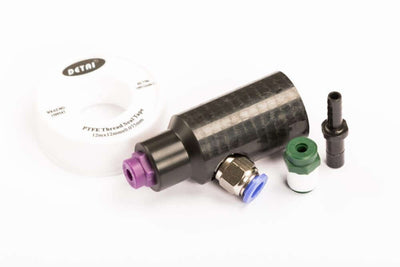
Application equipment should provide controlled coverage without excessive overspray. For many roof edges, extensions and awkward elevations, specialist tools such as a water fed pole softwash nozzle can help improve reach and control from safer working positions, depending on the site setup.
Step 6: Manage dwell time, runoff and protection
Do not rush the chemical stage. Dwell time matters, but so does control. Protect sensitive plants, metals, painted surfaces, water features and drainage routes as required. Pre-wet, divert, capture or rinse where necessary and always follow product instructions.
Step 7: Set realistic expectations and maintenance intervals
A roof cleaning job should finish with guidance, not just a clean roof. Explain that dead lichen may weather away gradually, shaded areas may need earlier retreatment, and gutters should be checked periodically.
Typical maintenance cycles vary widely. A sunny, open roof may stay clear for much longer than a damp roof under trees. In high-pressure environments, a light maintenance treatment every couple of years may be more cost-effective than waiting until heavy moss returns.
Safety and compliance notes for UK roof cleaning
Roof cleaning involves working at height, chemical handling, public protection and environmental considerations. Professional results are not just about appearance; they must be delivered safely and responsibly.
- Carry out a site-specific risk assessment before work starts.
- Use suitable access equipment and avoid walking on fragile or unsafe roofs.
- Follow COSHH requirements when handling cleaning chemicals and biocides.
- Read product labels and safety data sheets before use.
- Wear suitable PPE, including eye, hand and skin protection where required.
- Control overspray, runoff and debris.
- Protect plants, ponds, pets, vehicles and neighbouring property.
- Do not mix chemicals unless specifically instructed by the manufacturer.
- Dispose of waste responsibly and prevent avoidable pollution.
For contractors wanting to reduce errors in chemical selection, application technique and site safety, the SoftWash UK Soft Wash Training Course provides structured industry training focused on practical, responsible softwashing methods.
Common myths about moss returning after roof cleaning
Myth 1: “If the roof is scraped clean, the moss is gone for good”
Scraping removes visible moss, but it does not remove every spore or biological film. Without treatment and maintenance, regrowth is expected.
Myth 2: “A stronger chemical mix will stop moss forever”
Over-strong mixes are not a professional solution. They can increase risk to surfaces, plants, operatives and the environment. Correct product choice, dilution, coverage and safety controls are more important than excessive strength.
Myth 3: “Pressure washing is always the best roof cleaning method”
Pressure washing may be suitable in limited circumstances, but it is not the default answer for every roof. Tile condition, roof construction, access and water ingress risk must all be considered.
Myth 4: “Moss returning means the contractor did a bad job”
Not always. Moss will eventually return to most roofs because spores are naturally present. The real question is whether it returned unusually quickly due to poor preparation, no treatment, poor drainage, heavy shade or unrealistic expectations.
Myth 5: “Roof moss is only cosmetic”
Moss is often treated as a visual issue, but heavy growth can hold moisture, block gutters, shed debris into drainage and contribute to slip hazards around the property. It should be managed as part of building maintenance, not simply cleaned when it becomes unsightly.
How contractors can explain regrowth to customers
Contractors often lose trust when customers expect a roof to remain moss-free indefinitely. The solution is clear communication before the job starts.
A professional explanation might be:
“We can remove the established moss and apply a treatment to control remaining biological growth. This will significantly slow regrowth, but no roof can be guaranteed moss-free forever because spores are airborne and the roof environment matters. Shaded areas under trees may need maintenance sooner than open, sunny elevations.”
This kind of explanation is honest, accurate and protects both the contractor and client. It also positions roof cleaning as planned maintenance rather than a one-off miracle cure.
Best practice maintenance plan after roof cleaning
For domestic, commercial and managed properties, the strongest results usually come from scheduled maintenance. A sensible plan may include:
- Visual roof inspection every 6 to 12 months from safe ground-level or drone-based observation where appropriate.
- Gutter and outlet checks in autumn and after heavy leaf fall.
- Removal of overhanging branches where practical and permitted.
- Spot treatment of early moss or algae before thick growth develops.
- Full reassessment after severe weather or building works.
- Retreatment intervals based on site exposure, not a fixed promise.
Facilities managers should document roof condition with photographs before and after cleaning. This helps justify maintenance budgets, identify problem areas and show duty-of-care where drainage or slip hazards are involved.
FAQ: why moss keeps coming back after roof cleaning
How long should a roof stay moss-free after cleaning?
There is no fixed timescale. A roof in an open, sunny position may stay cleaner for several years, while a shaded roof under trees may show early signs of regrowth much sooner. Proper moss removal, biocidal treatment and maintenance usually extend the clean period.
Does roof moss come back faster if you do not use a treatment?
Yes, in many cases. Mechanical removal alone often leaves spores and biological residue behind. A suitable post-clean treatment helps control remaining organic growth and slows recolonisation.
Can I stop moss growing on my roof permanently?
No responsible contractor should promise permanent prevention. Moss spores are naturally present in the environment. The practical goal is to reduce growth conditions, clean safely, treat correctly and maintain the roof at sensible intervals.
Is it better to scrape or pressure wash roof moss?
It depends on the roof. Scraping is often preferred for heavy moss removal because it reduces the need for aggressive water pressure. Pressure washing can carry risks if used on unsuitable tiles or with poor technique. The roof should always be assessed first.
Why does moss return mostly on one side of the roof?
One side of the roof may be colder, damp for longer or more shaded. North-facing slopes, areas below trees and sections sheltered from wind and sun usually support faster moss regrowth.
Will biocide remove lichen as well as moss?
Biocidal treatment can help kill lichen, but lichen often breaks down more slowly than moss. It may remain visible for some time after treatment and gradually weather away. Contractors should explain this before work begins.
Conclusion: moss returns when the roof remains a good habitat
Moss keeps coming back after roof cleaning because cleaning alone does not change the environment that allowed it to grow. Airborne spores, damp tiles, shade, organic debris, porous surfaces and untreated biological residue all contribute to regrowth.
The most effective approach is not the harshest clean. It is a planned process: survey the roof, manage access safely, remove heavy moss carefully, clear drainage, apply a suitable treatment, protect surrounding areas and set realistic maintenance expectations.
For contractors, property maintenance professionals and facilities managers, this approach delivers better results, fewer complaints and safer working practices. For serious DIY users, it highlights why roof cleaning should be treated with caution and why professional training, correct equipment and compliance matter.
SoftWash UK supplies professional softwashing chemicals, roof cleaning equipment, training and educational resources for those who want to improve their exterior cleaning standards. To build a safer and more effective roof cleaning process, explore SoftWash UK’s specialist products, practical training and Knowledge Centre resources at SoftWash UK.