The Science Behind Softwashing: How Low-Pressure Chemical Cleaning Really Works
Softwashing is a low-pressure exterior cleaning method that uses controlled chemistry, dwell time and gentle rinsing to remove and control organic growth such as algae, lichen, moss, mould, mildew and biofilm. Unlike pressure washing, which relies mainly on mechanical force, softwashing works by breaking down the biological structure of contamination at surface level and, where appropriate, treating the spores and roots that cause staining to return.
For UK exterior cleaning contractors, facilities managers, property maintenance teams and serious DIY users, understanding the science behind softwashing is essential. It helps you choose the right chemical, apply it safely, protect sensitive surfaces, avoid unnecessary damage and deliver longer-lasting results. In practical terms, softwashing is not simply “spraying chemical on a wall”. It is a controlled process involving surface assessment, chemical selection, dilution, surfactant use, dwell time, reaction management, rinsing and aftercare.
If you are new to the method, SoftWash UK’s guide to What Is Softwashing provides a useful foundation. This article goes deeper into the chemistry, biology and practical site decisions that make professional softwashing effective.
What Makes Softwashing Different From Pressure Washing?
The key difference is the primary cleaning mechanism. Pressure washing uses high-pressure water to physically dislodge dirt and growth. Softwashing uses chemicals to chemically and biologically break down the contamination, then uses low pressure to rinse away residue.
Both methods have a place in exterior cleaning. However, softwashing is often better suited to delicate or porous surfaces where aggressive pressure can cause damage, including render, roofs, cladding, painted masonry, timber, some paving and façade materials.
| Factor | Softwashing | Pressure Washing |
|---|---|---|
| Main cleaning action | Chemical reaction and biocidal control | Mechanical force from high-pressure water |
| Pressure used | Low pressure | Medium to high pressure |
| Best for | Algae, lichen, mould, biofilm, render staining, roof growth | Loose dirt, mud, surface debris, hard paving grime |
| Risk profile | Chemical handling risk if unmanaged | Surface damage risk if pressure is excessive |
| Typical result duration | Often longer-lasting where growth is properly treated | Can be shorter-lived if spores and roots remain active |
For a more detailed practical comparison, see SoftWash UK’s explanation of softwashing vs pressure washing.
The Biology: What Softwashing Is Actually Treating
Most exterior staining on UK buildings is biological rather than purely “dirt”. The green on render, black marks on roofs, orange lichen on paving and slippery films on north-facing walls are usually living or once-living organisms.
Common biological contaminants on UK properties
- Green algae: Common on render, uPVC, painted surfaces, fencing and shaded paving. It thrives in damp, low-sunlight areas.
- Black algae and cyanobacteria: Often seen on roofs, render and stone. It can be stubborn and deeply embedded.
- Lichen: A symbiotic organism made up of fungi and algae. It anchors into porous surfaces and often needs controlled chemical treatment and time.
- Moss: Common on roofs, block paving and shaded areas. It holds moisture, which accelerates surface deterioration.
- Mould and mildew: Often found in damp areas with poor airflow, including soffits, shaded walls and commercial buildings.
- Biofilm: A slimy layer of microorganisms that can make surfaces slippery and difficult to clean with water alone.
In real-world exterior cleaning, what looks like one stain is often a mixture of organisms, surface dirt, atmospheric pollution and mineral deposits. This is why experienced contractors assess the surface and staining type before selecting a treatment.
The Chemistry: How Softwashing Chemicals Work
Professional softwashing relies on chemistry that reacts with organic matter. Different chemicals work in different ways, so knowing the active ingredient and intended use is important. SoftWash UK’s Knowledge Centre guide to softwashing chemicals explains the main chemical types used in the industry.
Oxidising chemistry: breaking down organic staining
Sodium hypochlorite is one of the most widely used active ingredients in softwashing where rapid cleaning of organic staining is required. It is an oxidising agent, which means it breaks chemical bonds within organic matter. This helps lift green algae, black staining, mould and biofilm from the surface.
In simple terms, oxidisation changes the structure of the organic material so that it loses its colour, grip and biological activity. This is why green walls can visibly brighten during the dwell period before rinsing.
For professional users who understand dilution, handling and safe application, SoftWash UK supplies sodium hypochlorite for soft washing 14% to 15%. It must be used responsibly, with appropriate PPE, dilution control, surface testing, runoff management and compliance with the product label and safety data sheet.
Biocidal chemistry: controlling regrowth
Not every softwashing job is about instant visual transformation. Some work is treatment-based, especially on roofs, stone, render and sensitive substrates. Biocides such as DDAC-based products are commonly used where longer-term control of moss, algae and lichen is required.
Biocidal products work by disrupting cellular processes in the organism. They may not always create the same immediate visual change as oxidising cleaners, but they can be valuable where the objective is gradual kill-off and longer-term control.
Surfactants: why wetting and cling matter
A surfactant reduces surface tension, helping the cleaning solution spread, wet the surface evenly and cling for longer. This is especially important on vertical render, cladding, painted walls and tiled roofs where a thin chemical solution would otherwise run off too quickly.
In practice, poor wetting leads to patchy results. You may see streaks, missed areas or rapid drying before the chemistry has had enough contact time. A professional surfactant such as Clever Wash Surfactant can help improve dwell, even coverage and visible control during application.
The Role of pH in Softwashing
pH measures how acidic or alkaline a solution is. Many softwashing solutions used for organic growth are alkaline. This matters because pH affects chemical stability, cleaning performance, surface compatibility and safety requirements.
For example, sodium hypochlorite is typically alkaline and should never be mixed with acids. Mixing incompatible chemicals can cause dangerous gases and uncontrolled reactions. This is one of the most important safety principles in softwashing: do not mix chemicals unless the manufacturer specifically states they are compatible.
Why pH matters on site
- Surface compatibility: Some metals, natural stone, timber and decorative finishes can react badly to the wrong chemistry.
- Chemical performance: The active ingredient may become less effective if contaminated or mixed incorrectly.
- Operator safety: High or low pH products can cause burns, irritation or respiratory hazards if misused.
- Environmental control: Runoff must be managed to protect plants, soil, drains and watercourses.
Dwell Time: The Part Many Operators Rush
Dwell time is the amount of time a softwash solution remains active on the surface before rinsing or being left as a treatment. It is one of the biggest factors in softwashing performance.
On site, rushing dwell time often leads to over-application, repeated passes and wasted chemical. The temptation is to increase strength when the better answer may be better wetting, correct application, shade management or simply allowing the product time to work.
Factors that affect dwell time
- Type of organic growth: Light green algae reacts faster than established black lichen or moss.
- Surface porosity: Porous render, stone and concrete absorb solution differently from uPVC or coated cladding.
- Temperature: Reactions are generally slower in cold conditions.
- Sun and wind: Direct sunlight and wind can dry the product too quickly.
- Surfactant use: Better cling gives the chemistry more contact time.
- Soiling load: Heavy dirt or moss can consume active chemistry before it reaches the surface beneath.
Experienced contractors often work in manageable sections, monitor the reaction and keep surfaces damp enough for the chemistry to remain active. On hot or windy days, smaller sections and careful timing are usually better than trying to treat a whole elevation at once.
Surface Science: Why Different Materials Respond Differently
Softwashing is not a one-strength-fits-all process. A painted rendered wall, clay roof tile, block paving driveway, timber deck and aluminium cladding panel all behave differently.
| Surface | Typical issue | Softwashing consideration |
|---|---|---|
| Rendered walls | Green algae, black staining, pollution marks | Use low pressure, control runoff, avoid patchy drying, test first |
| Roof tiles | Moss, lichen, black biofilm | Access planning, fall protection, biocidal treatment, avoid water ingress |
| Timber | Algae, greying, mildew | Use timber-appropriate methods; avoid over-strength oxidisers and excessive pressure |
| Natural stone | Lichen, black spots, algae | Identify stone type; some materials are sensitive to harsh chemistry |
| Metal cladding | Algae, atmospheric soiling | Check coating condition, rinse thoroughly, avoid chemical drying on surface |
| Block paving | Algae, weeds, moss, oil staining | May require combined cleaning, treatment and stain-specific products |
Why a test patch is good science, not guesswork
A test patch shows how the surface and contamination respond before full application. It can reveal colour change, coating weakness, poor drainage, absorbency, unexpected staining or sensitivity. For contractors, it is also a useful way to set client expectations before the main clean.
A proper test should use the intended dilution, contact time and rinse method. Testing a weaker mix for a shorter period does not prove the full process is safe.
A Practical Step-by-Step Softwashing Process
The exact method depends on the surface, product and site conditions, but the following process reflects good professional practice for many exterior cleaning jobs.
1. Survey the site and identify the contamination
Look at the staining pattern, surface material, age of the coating, nearby planting, drainage, weather conditions, water access and public exposure. Identify whether you are dealing with algae, lichen, moss, mould, pollution, oil, rust or mineral staining. Do not assume one chemical will solve every problem.
2. Complete a risk assessment and method statement
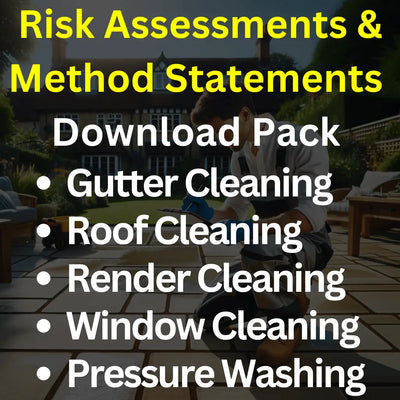
Softwashing involves chemical handling, working at height, public safety, slips, access equipment and environmental controls. Professional contractors should document how the work will be carried out safely. SoftWash UK’s Risk Assessment and Method Statement Pack for Exterior Cleaning can help businesses build consistent documentation for exterior cleaning tasks.
3. Protect people, pets, plants and property
Move vehicles, cover sensitive items, pre-wet vegetation where appropriate, isolate work areas and prevent public access. Check vents, open windows, electrical points, ponds, painted metals and surfaces that may be sensitive to chemical contact.
4. Choose the correct chemical and dilution
Select the product based on the organism, surface and desired outcome. Use manufacturer guidance and do not exceed recommended concentrations. The range of professional softwash chemicals from SoftWash UK is designed for different exterior cleaning scenarios, so product choice should be based on the job rather than habit.
5. Apply at low pressure with controlled coverage
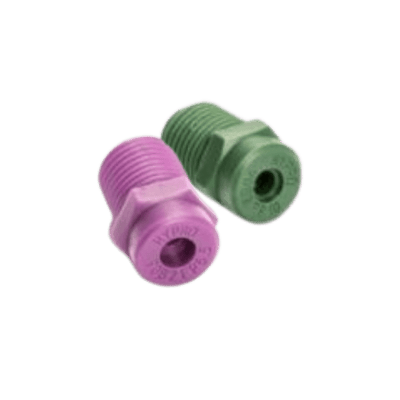
Apply evenly from a safe working position. Avoid overspray, streaking and unnecessary saturation. Low-pressure systems, dedicated softwash equipment and suitable nozzles help control output and reduce chemical waste.
6. Allow correct dwell time
Monitor the reaction. Keep the surface from drying too quickly if the product requires wet dwell. Reapply lightly only if needed and within the product’s guidance. Do not leave strong oxidising solutions to dry on sensitive surfaces unless the manufacturer’s instructions permit it.
7. Rinse or leave as a treatment where appropriate
Some softwashing applications are rinsed after dwell; others are left to weather naturally as a treatment. The correct approach depends on the chemical, surface, access, runoff risk and project specification.
8. Inspect, document and advise on maintenance
Check for missed areas, staining that requires specialist treatment and any sensitive surface response. Photos before and after treatment are useful for contractors and facilities managers. Explain that some lichen, moss and deep staining can continue to lighten over days, weeks or months depending on the treatment used.
Why Softwashing Results Can Last Longer
Softwashing can last longer than pressure washing because it treats the biological cause of staining rather than simply removing the visible surface layer. If algae spores, lichen roots or biofilm remain active after cleaning, regrowth can happen quickly, particularly on shaded and damp elevations.
Longevity depends on environmental conditions, surface porosity, product selection, strength, dwell time, application quality and aftercare. A north-facing rendered wall beneath overhanging trees will not stay clean as long as a south-facing wall with good airflow. For more detail, see SoftWash UK’s guide on how long does softwashing last.
Common Softwashing Mistakes and Myths
Myth 1: Stronger chemical always gives a better clean
Stronger is not always better. Over-strength solutions can damage surfaces, increase risk, waste product and create unnecessary environmental issues. Correct dilution, coverage, dwell and surfactant use often matter more than brute strength.
Myth 2: Softwashing means no rinsing is ever needed
Some treatments are designed to be left, but many cleaning jobs require controlled rinsing to remove residues, dead organic matter and chemical traces. The decision should be based on the product label, surface type and site risk.
Myth 3: Pressure washing and softwashing are interchangeable
They are different tools. For some projects, a combined approach is suitable. For example, heavy moss may be physically removed first, followed by a biocidal treatment. On delicate render, high pressure may be inappropriate, and softwashing may be the safer route.
Myth 4: All stains are organic
Rust, tannin, oil, efflorescence, lead staining and mineral deposits need different chemistry. Treating every stain with a standard softwash mix can lead to poor results or unnecessary surface exposure.
Myth 5: Softwashing is simple because the pump does the work
The skill is not just in spraying. It is in assessment, dilution, sequencing, safety controls, surface knowledge and knowing when not to proceed. This is why formal training is valuable for contractors building a professional exterior cleaning business.
Safety and Best Practice for UK Softwashing
Softwashing can be very effective, but it must be carried out safely and responsibly. Contractors should work in line with UK health and safety expectations, product labels, Safety Data Sheets, COSHH principles, environmental rules and good industry practice.
Essential safety considerations
- Wear suitable PPE, including eye protection, chemical-resistant gloves and appropriate clothing.
- Use respiratory protection where required by the product guidance and site conditions.
- Never mix sodium hypochlorite with acids, ammonia or unknown chemicals.
- Keep chemicals clearly labelled and securely stored.
- Prevent overspray onto people, pets, vehicles, plants, ponds and neighbouring property.
- Manage runoff and prevent uncontrolled discharge into sensitive drains or watercourses.
- Use safe access methods and suitable fall protection for roof and high-level work.
- Keep Safety Data Sheets available and train staff in emergency procedures.
For contractors who want structured learning, practical application guidance and safer working systems, the Soft Wash Training Course is a sensible investment. Training helps reduce costly mistakes, improves chemical confidence and supports a more professional service for domestic and commercial clients.
Equipment: Why Application Control Matters
The science of softwashing is only useful if the application is controlled. Equipment affects dilution accuracy, spray pattern, coverage, operator safety and chemical economy.
Professional setups may include dedicated softwash pumps, chemical-resistant hoses, lances, nozzles, proportioning systems, injectors and rinsing equipment. The aim is not to blast the surface but to deliver the right amount of solution evenly and safely.
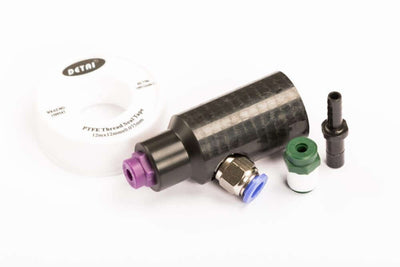
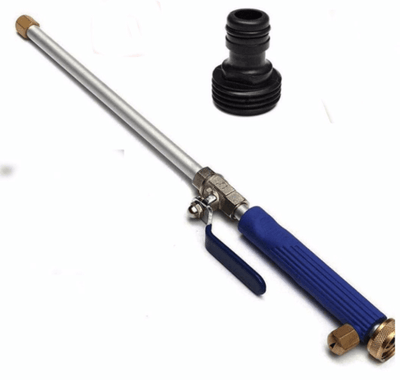
SoftWash UK supplies a range of soft washing equipment for contractors who need more control than improvised sprayers can provide. For regular professional work, purpose-specified equipment is usually more consistent, safer and more efficient than adapting tools that were not designed for chemical application.
Real-World Applications of Softwashing Science
Rendered commercial buildings
Green algae on render is common on schools, retail units, offices and housing blocks. The staining usually appears on shaded elevations, below window sills and around water run-off paths. Softwashing allows low-pressure treatment without scarring the render, provided the coating is sound and the chemistry is selected correctly.
Roof moss and lichen control
Roof cleaning is often treatment-led rather than force-led. Aggressive pressure can drive water beneath tiles, damage coatings or remove surface granules. A controlled softwash or biocidal treatment can manage residual growth after safe moss removal, with results continuing to develop over time.
Facilities maintenance and planned cleaning
Facilities managers often benefit from scheduled treatment rather than waiting for severe staining. Regular low-pressure exterior cleaning can reduce slip hazards, improve building appearance and extend the interval between disruptive deep cleans.
Domestic patios, paths and driveways
Softwashing can be useful for algae and black organic staining, but oil, rust and mineral stains may need specialist products. A good contractor identifies stain type first rather than applying the same solution across every mark.
How to Decide Whether Softwashing Is Right for a Job
Before choosing softwashing, ask these practical questions:
- Is the staining organic, inorganic or mixed?
- Is the surface sound enough for treatment?
- Could pressure washing damage the substrate?
- Are there sensitive plants, ponds, metals or neighbouring properties nearby?
- Can runoff be controlled?
- Is safe access available?
- Will the client accept gradual improvement if using a treatment-based approach?
- Do I have the right chemical, equipment, PPE and documentation?
If the answers are uncertain, carry out a test patch, consult product guidance or seek further training before proceeding. Professional judgement is a major part of safe softwashing.
Frequently Asked Questions About the Science Behind Softwashing
How does softwashing kill algae and mould?
Softwashing kills or breaks down algae and mould through chemical action. Oxidising cleaners such as sodium hypochlorite disrupt organic matter and lift staining, while biocidal treatments interfere with biological growth and can provide longer-term control. The exact action depends on the product used.
Is softwashing safe for render?
Softwashing can be safe for many rendered surfaces when the render is sound, the correct dilution is used and the surface is treated at low pressure. However, damaged, poorly painted or failing render should be assessed carefully. A test patch is strongly recommended before full treatment.
Why does softwashing need dwell time?
Dwell time allows the chemical to remain in contact with the biological contamination long enough to work. If the solution is rinsed too quickly or dries too fast, the reaction may be incomplete, leading to patchy results or faster regrowth.
Can softwashing remove black lichen?
Softwashing can help treat black lichen, but established lichen is more stubborn than green algae because it bonds into porous surfaces. It may require correct chemistry, repeated treatment, longer weathering time or a combined cleaning approach depending on the surface.
Is softwashing better than pressure washing?
Softwashing is often better for organic growth and delicate surfaces because it treats the cause of staining with low pressure. Pressure washing is better for some heavy soil removal and hardstanding cleaning. The best method depends on the surface, contamination and risk profile.
Do I need training to softwash professionally?
Training is strongly recommended. Professional softwashing involves chemical handling, dilution, COSHH awareness, surface assessment, runoff management and safe access. Training helps contractors avoid damage, improve results and work more safely.
Conclusion: Softwashing Is Applied Science, Not Guesswork
The science behind softwashing is a combination of biology, chemistry and practical site control. Biological growth causes much of the staining seen on UK buildings. Softwashing works by using the right chemical reaction, at the right dilution, with suitable dwell time and low-pressure application to treat that growth safely and effectively.
The best results come from understanding the surface, identifying the contamination, choosing appropriate chemistry, controlling application and following safe working practices. Contractors who treat softwashing as a professional process rather than a shortcut are more likely to deliver consistent results, protect client property and build long-term trust.
SoftWash UK supports the exterior cleaning industry with professional softwashing chemicals, equipment, training and educational resources. To improve your knowledge, choose suitable products or build safer working systems, visit SoftWash UK and explore the wider Knowledge Centre, training options and professional softwash supplies.