How to Remove Black Spots From a Patio
Black spots on a patio are usually lichen colonies that have rooted into the surface of paving slabs, especially Indian sandstone, limestone, concrete flags, porcelain grout lines and older block paving. The most reliable way to remove them is to combine correct surface preparation, a suitable professional-grade biocidal or oxidising cleaning solution, controlled dwell time, light agitation where needed, and careful rinsing. Pressure washing alone often removes the top of the growth but leaves the root system behind, which is why the spots return quickly.
For UK exterior cleaning contractors, facilities managers and serious DIY users, the key is to treat black spot removal as a controlled chemical cleaning process rather than simply “blasting” the patio. The right method protects the stone, reduces repeat visits, improves results and helps avoid damage to pointing, soft stone, plants, lawns, metals and surrounding surfaces.
In practical terms, the process is:
- Identify the paving material and the cause of the black spots.
- Carry out a risk assessment and protect adjacent surfaces, plants and drainage routes.
- Pre-clean loose moss, soil and surface contamination.
- Apply the appropriate patio black spot treatment safely and evenly.
- Allow correct dwell time while keeping the surface active.
- Agitate stubborn areas if needed.
- Rinse thoroughly and inspect once dry.
- Apply a longer-term biocidal maintenance treatment where appropriate.
What Are Black Spots on a Patio?
Most patio “black spots” are not dirt. They are usually caused by black lichen, a hardy biological growth made up of fungi and algae living together. Lichen can bond strongly to mineral surfaces and penetrate tiny pores in natural stone and concrete. This is why black spots can remain even after a powerful pressure wash.
On patios, black lichen is commonly found on:
- Indian sandstone paving
- Limestone slabs
- Concrete paving flags
- Block paving
- Natural stone paths
- Steps, courtyards and shaded terraces
Black spots tend to appear more heavily in damp, shaded areas where organic matter sits on the surface. Overhanging trees, poor drainage, north-facing patios, bird droppings, leaf litter and slow-drying paving all encourage growth.
Why Pressure Washing Alone Often Fails
Pressure washing is useful for removing surface grime, loose moss, algae films and organic debris. However, black lichen is different. It anchors into the surface and can sit below the visible top layer of the paving. A pressure washer may make the patio look cleaner, but it often leaves dark specks behind or exposes a pale ring around the spot.
In the field, we often see patios where contractors have increased pressure to chase black spots. This can create several problems:
- Etched lines and wand marks on sandstone or limestone
- Damaged jointing compound or mortar
- Exposed aggregate on concrete flags
- Water driven under loose slabs
- Patchy cleaning where the operator has concentrated on individual spots
A better approach is to use pressure washing as part of the preparation or rinsing stage, not as the only method of removal. Chemical dwell time does the heavy lifting. The machine should finish the clean, not fight the lichen on its own.
Best Methods for Removing Black Spots From Patio Slabs
There are several ways to approach patio black spot removal. The best choice depends on the paving type, level of growth, access, water availability, drainage, client expectations and whether the surface has any sealers or coatings.
| Method | Best For | Advantages | Limitations |
|---|---|---|---|
| Softwashing with sodium hypochlorite-based solution | Heavy black lichen on sandstone, concrete and many mineral surfaces | Fast, effective, reaches into pores, good visual improvement | Requires strict safety controls, plant protection, correct dilution and rinsing |
| Biocidal treatment | Ongoing control of algae, lichen and organic regrowth | Longer-term prevention, useful after cleaning | Results are slower and may not instantly remove established black spots |
| Pressure washing only | Loose dirt, moss and surface algae | Good preparation method, no chemical dwell required | Often fails on embedded lichen and can damage softer paving |
| Acid cleaners | Some mineral staining, cement haze or rust depending on product | Useful for specific non-biological stains | Not the primary solution for black lichen; can damage limestone and some natural stone |
| Manual scrubbing | Small areas or delicate sections | Controlled and low equipment requirement | Labour intensive and rarely sufficient for rooted black lichen alone |
The Professional Softwashing Approach
Softwashing is a low-pressure cleaning method using selected chemicals to break down, kill or remove organic contamination. For black spots on patios, a professional softwash process usually involves an oxidising cleaner such as sodium hypochlorite, often supported by a surfactant to improve cling, wetting and contact time.
SoftWash UK supplies professional-grade soft wash chemicals for contractors and property maintenance professionals who need consistent results on exterior surfaces. Product selection should always be based on the substrate, contamination level, safety controls and manufacturer guidance.
Why Sodium Hypochlorite Is Commonly Used
Sodium hypochlorite is widely used in professional exterior cleaning because it is effective against organic staining, algae, mould and lichen. On black spots, it helps oxidise and break down the biological growth so it can release from the paving surface.
Contractors using sodium hypochlorite for soft washing must understand that it is a strong chemical and should be handled responsibly. Always follow the product label, safety data sheet, COSHH requirements and site-specific risk assessment. Never guess strengths, never mix chemicals, and never use it where runoff cannot be controlled.
Why a Surfactant Helps on Patio Black Spots
Patio slabs are often uneven, porous and contaminated with soil, biofilm and organic residues. A surfactant helps the cleaning solution spread and cling rather than running off immediately. This improves contact time on stubborn black lichen and can produce a more even result.
A product such as Clever Wash Surfactant can be useful when a professional softwashing solution needs better dwell on vertical edges, textured stone or heavily contaminated areas. The aim is not to make the mix stronger than necessary, but to keep the correct solution active on the surface for long enough to work.
Step-by-Step: How to Remove Black Spots From a Patio
The following process reflects a practical contractor-style workflow. Serious DIY users should only proceed if they understand chemical handling, PPE, runoff control and local environmental responsibilities. If in doubt, use a trained professional.
1. Inspect the Patio and Identify the Surface
Before applying anything, inspect the paving carefully. Identify whether it is sandstone, limestone, concrete, slate, granite, porcelain, block paving or a coated/sealed surface. Check the condition of joints, drainage, nearby lawns, planted borders, painted surfaces, aluminium doors, leadwork, water features and ponds.
Important questions include:
- Is the stone acid-sensitive, such as limestone?
- Is the surface sealed or coated?
- Are joints loose, cracked or resin-bound?
- Is runoff likely to enter a pond, stream, soakaway or surface water drain?
- Are there delicate plants, metals, timber or painted surfaces nearby?
Do not assume all patios can be treated in the same way. A method that works well on concrete flags may be too aggressive for a delicate natural stone patio.
2. Complete a Risk Assessment and Prepare the Work Area
For professional work, a site-specific risk assessment and method statement should be standard practice. This is especially important when using oxidising chemicals, working around the public, operating pressure washing equipment or cleaning facilities with staff, residents or visitors nearby.
SoftWash UK offers a Risk Assessment and Method Statement Pack for Exterior Cleaning, which can help contractors structure safer working procedures and demonstrate professionalism to clients, facilities managers and principal contractors.
Practical preparation includes:
- Wearing suitable PPE, including eye protection, chemical-resistant gloves and protective clothing.
- Keeping children, pets and unauthorised people away from the work area.
- Pre-wetting nearby plants and lawns before chemical application.
- Covering or shielding sensitive vegetation where needed.
- Testing an inconspicuous area before full treatment.
- Protecting metals, painted surfaces, timber, fabrics and outdoor furniture.
- Planning rinse water control before starting.
3. Remove Loose Debris and Surface Growth
Sweep the patio thoroughly. Remove leaves, soil, moss clumps, loose weeds and furniture. If there is heavy moss between joints, scrape or brush it out first. Chemical treatment works better when it can contact the black lichen directly rather than being blocked by dirt.
On very dirty patios, a controlled pressure wash before chemical treatment may be appropriate. Use a suitable flat surface cleaner or fan jet and avoid excessive pressure. The goal is to expose the black spots, not damage the stone.
4. Apply the Correct Cleaning Solution
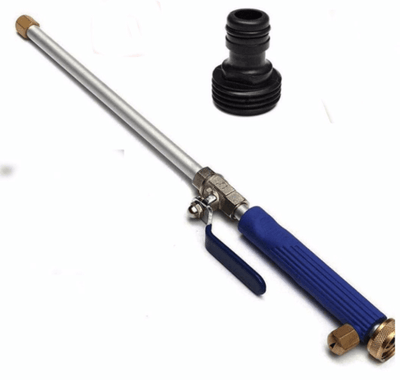
Apply the chosen cleaning solution evenly using suitable low-pressure equipment. Professional contractors often use dedicated softwashing pumps, sprayers, dosing systems or controlled application tools. SoftWash UK supplies a range of soft washing equipment designed for controlled chemical application, which is safer and more consistent than improvised methods.
Always work methodically. Treat manageable sections so the solution does not dry out before it has done its job. Avoid overspray and be especially careful near doors, thresholds, planting, vehicles and surface water drains.
5. Allow Dwell Time
Dwell time is where much of the cleaning happens. Black spots rarely disappear instantly. The solution needs time to penetrate and break down the lichen. Depending on the contamination, surface type, weather and product guidance, this may require repeated light applications rather than one heavy application.
Do not let chemical dry on the surface. If it dries too quickly on a warm or windy day, it becomes less effective and can increase the risk of staining or residue. Work in suitable weather conditions where possible, and control the area in sections.
6. Agitate Stubborn Areas
Some black lichen spots need agitation with a suitable brush after dwell. Use a brush that is firm enough to assist cleaning but not so aggressive that it scratches the stone. Avoid wire brushes on natural stone, as they can leave metallic marks and damage the surface.
On older sandstone, agitation often makes a noticeable difference, particularly where the black spots have been present for several years. However, if a spot does not release, do not simply keep increasing pressure or chemical strength. Reassess the surface and repeat the process safely if appropriate.
7. Rinse Thoroughly
Once the treatment has worked, rinse the patio thoroughly using clean water and suitable pressure. Rinsing removes spent chemical, loosened biological matter and residue. Pay attention to low points, drainage channels, door thresholds and joints.
For contractors, good rinsing is often what separates a professional finish from a rushed one. Clients may judge the result once the patio has dried, so remove streaks and residue before leaving site.
8. Inspect After Drying
Patios often look different wet and dry. Inspect once dry where possible. Some very old black spots may fade further over a short period after treatment. If required, a second controlled treatment can be carried out, but only after reassessing the surface and risks.
9. Apply a Maintenance Biocide Where Appropriate
After black spot removal, a longer-term biocidal treatment can help slow regrowth of algae, lichen and organic contamination. This is particularly useful on shaded patios, commercial courtyards, care home paths, pub gardens, school walkways and facilities with recurring slip-risk issues.
A professional biocide such as Soft Wash Pro 50 DDAC may be considered for ongoing biological control when used correctly and in line with product instructions. Biocides are not a shortcut for poor cleaning, but they can be an important part of a planned maintenance programme.
Safety and Best Practice Notes
Black spot removal often involves chemical use, water pressure and public-facing environments. Safety should be built into the method from the start.
Chemical Safety
- Always read the Safety Data Sheet and product instructions.
- Wear suitable PPE for the chemical and task.
- Never mix sodium hypochlorite with acids, ammonia or unknown chemicals.
- Store chemicals securely and away from children, pets and incompatible materials.
- Use clearly labelled containers and avoid decanting into unsuitable bottles.
- Do not allow uncontrolled runoff into ponds, streams or surface water systems.
Surface Protection
- Carry out a test patch on natural stone and sealed surfaces.
- Protect aluminium, brass, copper, lead, painted timber and fabrics.
- Pre-wet and rinse plants before, during and after treatment.
- Avoid over-application on porous stone, especially in hot weather.
- Do not use aggressive pressure on soft stone or weak joints.
Public and Site Safety
- Use cones, signage or barriers where people may enter the area.
- Be aware that wet paving and cleaning residues can create slip risks.
- Keep hoses tidy to reduce trip hazards.
- Plan work around opening hours, residents, deliveries and access routes.
For contractors who want to improve consistency, safety and client confidence, the SoftWash UK Soft Wash Training Course is designed to support professional development in chemical application, surface identification, safe working methods and practical exterior cleaning processes.
Common Mistakes When Removing Patio Black Spots
Using Too Much Pressure
High pressure can scar sandstone, blow out joints and leave permanent wand marks. If the black spots are not shifting, the answer is usually better chemistry, dwell time and process control rather than more pressure.
Using Acid on the Wrong Stain
Acid cleaners have their place for certain mineral stains, rust or cement residues, but black lichen is biological. Acid is not the standard answer for patio black spots and can damage limestone, marble and some natural stone surfaces.
Letting Chemical Dry Out
Drying reduces effectiveness and can leave uneven results. Work in sections, avoid very hot weather and keep the treatment active during dwell.
Ignoring Plant Protection
Professional cleaners know that the clean is not finished when the slabs look good. If the client’s border plants are damaged afterwards, the job has gone wrong. Pre-wet, shield and rinse vegetation carefully.
Failing to Manage Client Expectations
Some patios are heavily weathered, previously damaged or deeply colonised. Explain that severe black lichen may need more than one treatment and that old stone may not return to a “new slab” appearance. Honest expectations prevent disputes.
Skipping the Test Patch
Natural stone varies. So do sealers, jointing compounds and previous treatments. A small test area can avoid a costly mistake.
How to Prevent Black Spots Coming Back
Black spots can return if the conditions remain favourable. Prevention is about reducing moisture, organic matter and biological regrowth.
- Keep the patio swept and free from leaves.
- Improve drainage where water sits for long periods.
- Cut back overhanging vegetation to increase airflow and sunlight.
- Clean bird droppings and food spills promptly.
- Use planned maintenance treatments rather than waiting for heavy regrowth.
- Consider periodic biocidal treatment on shaded or commercial sites.
Facilities managers should consider scheduling patio and hard surface maintenance seasonally. A spring clean followed by a maintenance treatment can reduce slip risk and keep public areas presentable through the year.
When Should You Call a Professional?
Serious DIY users can tackle light staining if they understand the risks and use suitable products responsibly. However, professional help is recommended when:
- The patio is large, expensive or made from delicate natural stone.
- There is heavy black lichen across the full surface.
- The area borders ponds, lawns, planting schemes or public drainage.
- The surface is part of a commercial, school, healthcare or public access site.
- There are insurance, RAMS, COSHH or access requirements.
For commercial work, the standard of documentation and safe working practice matters as much as the visual result. Clients increasingly expect contractors to understand compliance, chemical handling, environmental protection and professional site control.
Frequently Asked Questions
What is the fastest way to remove black spots from a patio?
The fastest reliable method is usually a professional softwash treatment using an appropriate sodium hypochlorite-based solution, correct dwell time, light agitation and thorough rinsing. Pressure washing alone is often slower and less effective because it does not fully break down rooted black lichen.
Can I remove patio black spots with a pressure washer?
You may remove some surface contamination with a pressure washer, but established black spots usually remain. Increasing pressure can damage sandstone, limestone, concrete and pointing. A combined chemical and low-pressure cleaning approach is normally more effective and safer for the surface.
Are black spots on patio slabs dangerous?
The black spots themselves are mainly a visual and surface contamination issue, but the associated algae, moss and biofilm can contribute to slippery paving, especially in damp conditions. On commercial and public sites, biological growth should be managed as part of slip-risk reduction.
Will bleach remove black spots from paving?
Household bleach is not the same as a professional exterior cleaning process. Patio black spot removal requires correct product selection, dilution, dwell time, surfactant use where appropriate, surface testing, PPE and runoff control. Improper use can damage surfaces, plants and surrounding materials.
Can black spots be removed from Indian sandstone?
Yes, black spots can often be removed or significantly reduced from Indian sandstone using a controlled softwashing method. However, sandstone varies in porosity, colour and condition, so a test patch is important. Very old or deeply embedded lichen may require more than one treatment.
How long does it take for black spots to disappear?
Some spots visibly fade during treatment, while others continue to lighten after rinsing and drying. On heavily affected patios, results may improve over several hours or days. Severe cases may need a second professional treatment.
Do I need to seal the patio afterwards?
Sealing is optional and depends on the paving type, condition and client expectations. A sealer may help reduce staining and moisture absorption, but it will not replace regular maintenance. The patio must be fully clean, dry and suitable for sealing before any coating is applied.
Conclusion: The Best Way to Remove Patio Black Spots
Black spots on a patio are usually embedded lichen, not ordinary dirt. The most effective removal method is a controlled cleaning process using the right chemistry, safe application, adequate dwell time, sensible agitation and thorough rinsing. Pressure washing has a role, but it should not be relied on as the sole solution for stubborn black lichen.
For contractors and facilities managers, the best results come from professional preparation: identifying the surface, protecting surrounding areas, working to a clear method statement and using appropriate products and equipment. For serious DIY users, the main priority is safety. If the patio is valuable, heavily stained or close to sensitive areas, professional support is often the better option.
SoftWash UK supports the exterior cleaning industry with professional softwashing chemicals, equipment, training and educational resources. If you want to improve your patio black spot removal results, work more safely and build a more professional cleaning process, explore the specialist products, training and guidance available from SoftWash UK.