How Long Does Roof Cleaning Last?
Roof cleaning typically lasts between 2 and 5 years in the UK, depending on the cleaning method, roof condition, tile type, surrounding trees, shade, drainage and whether a suitable biocidal treatment is applied after moss removal. A roof that is only scraped may start showing regrowth within 6 to 18 months, while a professionally cleaned and treated roof can often stay visibly cleaner for 3 to 5 years when the correct process is followed.
For exterior cleaning contractors, facilities managers, property maintenance teams and serious DIY users, the more useful question is not simply “how long does roof cleaning last?” but “what determines how long the results last, and how can we extend that period safely?”
In practical terms, roof cleaning longevity is mainly affected by:
- The amount of moss, algae, lichen and organic soiling present before cleaning.
- Whether the roof is mechanically cleared before treatment.
- The cleaning chemistry used and whether it is suitable for the surface.
- The exposure of the roof to sunlight, wind, moisture and overhanging vegetation.
- The porosity, profile and age of the roof tiles.
- The quality of the application, dwell time, coverage and post-treatment procedure.
- Whether gutters, valleys and drainage points are cleared during the job.
A well-executed roof clean is not just about making tiles look better on the day. The aim should be to remove heavy organic growth, treat remaining spores and biological contamination, protect the building fabric, reduce blocked gutter risks and delay regrowth for as long as reasonably possible.
Typical Roof Cleaning Lifespan by Method
Different roof cleaning methods produce very different results. This is where many property owners and even newer contractors get caught out. A roof can look cleaner immediately after scraping or pressure washing, but if biological growth is not treated properly, regrowth can return quickly.
| Roof Cleaning Method | Typical Result Duration | Best Use | Key Limitation |
|---|---|---|---|
| Manual moss removal only | 6 to 18 months | Removing heavy moss loads before treatment | Does not fully address spores, algae or lichen roots |
| Pressure washing only | 12 to 24 months | Some robust surfaces where appropriate and safely assessed | Can increase risk of water ingress, surface damage and rapid regrowth if untreated |
| Manual removal followed by softwash treatment | 3 to 5 years | Most professional roof cleaning projects | Requires correct chemical handling, access planning and compliance |
| Biocide treatment without full moss removal | Variable, often 1 to 3 years | Light contamination or maintenance treatments | Heavy moss may need removing first for best results |
| Regular low-level maintenance treatment | Can extend cleanliness beyond 5 years | Commercial properties, managed estates and facilities maintenance | Requires planned inspection and repeat visits |
For a more detailed explanation of the correct process, SoftWash UK’s Knowledge Centre article on roof cleaning advice explains the practical steps involved in cleaning a roof safely and effectively.
Why Some Roofs Stay Clean Longer Than Others
Two identical properties on the same street can have very different roof cleaning lifespans. In the real world, roof cleaning longevity is rarely determined by the product alone. Conditions on site matter just as much.
1. Shade and Moisture Retention
Moss, algae and lichen thrive where moisture lingers. North-facing roof slopes, shaded valleys, dormers, areas beneath overhanging trees and roofs with restricted airflow will usually see regrowth earlier than open, south-facing elevations.
In the UK, where roofs are exposed to rain, humidity, frost and mild winters, damp areas can remain biologically active for much of the year. A treated roof may still remain far cleaner than an untreated one, but a shaded and damp roof will normally need maintenance sooner.
2. Moss, Algae and Lichen Type
Not all roof growth behaves the same way. Moss sits physically on the tile surface and can often be removed manually. Algae may appear as green or dark streaking. Lichen bonds more tightly to the tile and can take longer to weather away after treatment.
If a roof has heavy lichen, the result may continue improving for several months after treatment as the growth dies, releases and weathers naturally. For this reason, a professional contractor should manage customer expectations carefully. Some roofs do not look “finished” on day one, especially when a biocide-led approach is used rather than aggressive washing.
If you are assessing a roof with stubborn growth, the Knowledge Centre guide on lichen on roof tiles is a useful supporting resource for understanding why lichen establishes and why treatment results can be gradual.
3. Tile Type and Roof Condition
Concrete tiles, clay tiles, slate, rosemary tiles and man-made roof coverings all respond differently to cleaning. Older concrete tiles can become more porous as their surface weathers, which allows organic material to grip more easily. Heavily textured tiles also hold more debris, especially in laps and profiles.
Before any roof cleaning project, contractors should check for:
- Cracked, slipped or delaminating tiles.
- Loose ridge tiles or failing mortar.
- Fragile roof coverings or aged underfelt.
- Blocked gutters and downpipes.
- Damaged leadwork, flashings or roof windows.
- Signs of previous water ingress.
Cleaning should never be used as a substitute for roof repair. If the roof is already compromised, cleaning can expose existing defects. The key is to identify and record them before work begins.
4. Surrounding Trees and Airborne Spores
Properties surrounded by trees generally need roof cleaning more often. Trees deposit leaves, pollen, sap, twigs and bird fouling. These materials hold moisture and provide nutrients for moss and algae.
Facilities managers often see this on schools, care homes, housing developments and commercial buildings where mature landscaping is close to the structure. In these cases, planned maintenance is usually more cost-effective than waiting until gutters overflow or moss falls onto paths and car parks.
Does Moss Need to Be Removed Before Roof Treatment?
In most cases, heavy moss should be removed before a roof treatment is applied. Treating directly over thick moss is rarely the best professional approach because the product may not reach the tile surface evenly, and dead moss still has to go somewhere afterwards.
Manual moss removal allows the treatment stage to contact the remaining contamination more effectively. It also reduces the amount of loose organic material that can wash into gutters, drainage systems and watercourses.
There are exceptions. On lightly contaminated roofs, or as part of a maintenance programme, a biocidal treatment may be suitable without full scraping. However, on a roof with deep moss cushions, scraping or controlled mechanical removal is normally required first.
SoftWash UK’s article Should Moss Be Removed Before Roof Treatment covers this decision in more detail and is worth reading before specifying a roof cleaning method.
How Long Does a Softwashed Roof Stay Clean?
A properly cleaned and softwashed roof commonly stays cleaner for around 3 to 5 years. This assumes the roof has been prepared correctly, the correct treatment has been applied at the correct strength, coverage has been even, and the roof is not in an unusually damp or heavily shaded location.
Softwashing is not simply “spraying chemical on a roof”. A professional softwashing process involves assessment, safe access planning, controlled moss removal where needed, vegetation protection, correct product selection, measured application, suitable dwell time and responsible wash-down or natural weathering depending on the system used.
For contractors using professional products, the choice of chemistry matters. For example, Clean Guard Pro roof moss killer and cleaner is designed for roof moss and organic growth treatment, while SoftWash UK’s wider range of professional soft wash chemicals supports different exterior cleaning requirements. Always read the label, safety data sheet and technical guidance before use.
How to Make Roof Cleaning Last Longer
The best results come from a complete process rather than a quick visual clean. The following approach is commonly used by professional exterior cleaning contractors when the objective is long-lasting roof cleanliness.
Step 1: Survey the Roof Properly
Start with a visual inspection from ground level, scaffold, MEWP or another safe access method. Do not walk on roofs unless the access method, surface condition and working at height controls have been properly assessed.
Record the roof type, pitch, level of contamination, access restrictions, fragile areas, nearby plants, ponds, vehicles, neighbouring properties and drainage routes. This is also when you should identify whether roof cleaning is appropriate at all.
Step 2: Plan Access and Safety Controls
Roof cleaning involves significant risks, including falls from height, chemical exposure, falling debris, manual handling, overspray and public interface risks. A proper risk assessment and method statement should be prepared before work starts.
For contractors and property maintenance teams, SoftWash UK’s Risk Assessment and Method Statement Pack for Exterior Cleaning can help support a more professional approach to planning, documenting and controlling exterior cleaning work.
Step 3: Remove Heavy Moss and Debris
Where moss is heavy, remove it carefully using suitable tools that match the roof profile. The aim is to remove bulk growth without damaging tiles, dislodging fixings or forcing debris beneath laps.
During this stage, keep gutters clear or install temporary gutter protection where appropriate. Moss and sludge can quickly block downpipes, gullies and drains.
Step 4: Apply the Correct Treatment
Once the roof is prepared, apply the chosen treatment according to the product instructions. Coverage should be even. Missed ridges, laps, valleys and shaded areas are common causes of premature regrowth.
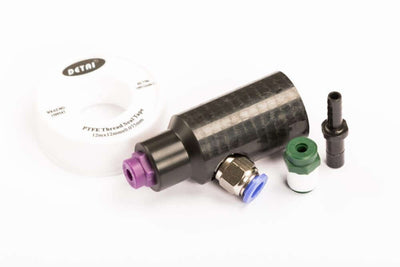
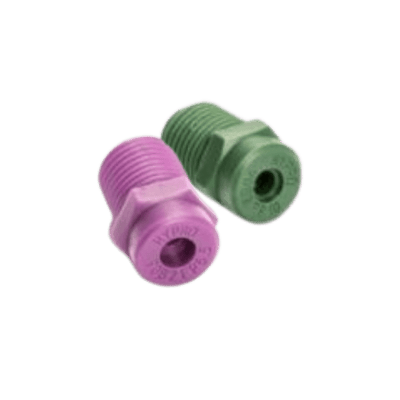
Contractors often use low-pressure application equipment for controlled roof treatments. SoftWash UK supplies soft washing equipment suitable for professional exterior cleaning applications, including systems designed to help apply products accurately and safely from appropriate access positions.
Step 5: Allow the Treatment to Work
Some roof treatments produce visible results quickly, while others continue working over weeks and months. Moss, algae and lichen do not all disappear at the same speed. In many cases, rain and weathering help remove dead organic matter gradually after treatment.
This is why customer communication is important. If the agreed method is a softwash or biocide treatment, the client should understand the expected timeline before the job starts.
Step 6: Schedule Maintenance Inspections
For domestic properties, an inspection every 12 to 24 months is sensible. For commercial buildings, schools, healthcare sites and managed residential properties, roof condition should form part of the planned preventative maintenance schedule.
Small maintenance treatments are usually easier, safer and cheaper than waiting until the roof is heavily colonised again.
Roof Cleaning Lifespan by Property Type
Facilities managers and property professionals often need to plan budgets rather than simply answer a homeowner’s question. The following table gives a practical planning guide.
| Property or Site Type | Typical Follow-Up Period | Practical Notes |
|---|---|---|
| Domestic property in open sunlight | 3 to 5 years | Usually good longevity if moss is removed and treatment is applied correctly. |
| Domestic property with trees and shade | 2 to 4 years | North-facing slopes and tree-lined areas often need earlier maintenance. |
| Schools and public buildings | 1 to 3 years inspection cycle | Plan around term times, public access, safeguarding and drainage controls. |
| Care homes and healthcare sites | 1 to 3 years inspection cycle | Extra attention needed for safe access, residents, staff, visitors and infection control considerations. |
| Commercial units and retail parks | 2 to 4 years | Often driven by gutter performance, appearance, insurance and maintenance schedules. |
| Historic or delicate roofs | Case-by-case | Cleaning method must be chosen carefully; conservation advice may be required. |
Common Myths About How Long Roof Cleaning Lasts
Myth 1: A Clean Roof Will Stay Clean Permanently
No roof cleaning method permanently prevents moss, algae or lichen. Spores are always present in the environment. The purpose of professional roof cleaning is to reset the surface condition and delay regrowth for as long as practical.
Myth 2: Pressure Washing Always Lasts Longer Because It Looks Cleaner Immediately
A pressure-washed roof can look impressive on the day, but if biological contamination is not treated, regrowth may return sooner than expected. High pressure can also damage some tiles, disturb laps, drive water where it should not go and remove weathered surface material.
If you are unsure whether a roof cleaning method could cause harm, read SoftWash UK’s guide on roof tile damage before choosing an approach.
Myth 3: More Chemical Means a Longer-Lasting Result
This is unsafe and incorrect. Products must be used according to label instructions, safety data sheets and site-specific risk assessments. Over-application can increase risk to plants, people, pets, surfaces, watercourses and the operator. Longevity comes from correct preparation, correct dilution, correct coverage and good technique, not careless overuse.
Myth 4: If Moss Comes Back, the First Clean Failed
Not necessarily. Moss regrowth is natural over time, especially in damp, shaded environments. The better question is whether the results lasted a reasonable period for the site conditions. A heavily shaded roof under trees will not behave like a dry, exposed roof in full sunlight.
Safety and Best Practice for Long-Lasting Roof Cleaning
Roof cleaning should always be planned as a high-risk exterior cleaning task. The risks are not limited to the operator on the roof. They also include people below, neighbouring properties, vehicles, pets, plants, ponds, drainage systems and the wider environment.
Best practice includes:
- Preparing a written risk assessment and method statement.
- Using suitable working at height controls, such as scaffold, MEWPs or access systems where required.
- Avoiding unnecessary roof walking, especially on fragile or weathered tiles.
- Using appropriate PPE, including eye, skin and respiratory protection where specified.
- Reading product labels and safety data sheets before use.
- Protecting plants, lawns, ponds and sensitive surfaces from overspray and runoff.
- Managing runoff, gutters and drainage responsibly.
- Keeping the public, occupants and pets away from the work area.
- Checking weather conditions before application, especially wind and rain forecasts.
For contractors who want to improve their technical understanding, chemical safety, pricing, process and site control, the Soft Wash Training Course is a practical way to build confidence and reduce avoidable mistakes. Professional training is particularly valuable for teams moving from general exterior cleaning into roof softwashing.
What Causes Roof Moss to Return?
Moss returns because roofs naturally collect moisture, dust, airborne spores and organic debris. Once the surface holds enough moisture and nutrients, colonisation begins again. This process is faster in shaded, damp and sheltered areas.
Common causes of early regrowth include:
- Overhanging trees dropping leaves and seeds.
- Blocked gutters keeping roof edges damp.
- Poor ventilation around roof valleys and dormers.
- North-facing slopes receiving limited sunlight.
- Incomplete removal of heavy moss before treatment.
- Patchy treatment application or insufficient coverage.
- Using an unsuitable method for the level of contamination.
For a deeper look at why moss establishes in the first place, SoftWash UK’s guide to moss on roof tiles explains the environmental conditions behind roof colonisation.
How Contractors Should Set Customer Expectations
One of the most important parts of professional roof cleaning is explaining the expected result clearly. Customers often expect every roof to look new immediately. That is not always realistic, especially with older concrete tiles, porous surfaces, staining, lichen shadowing or biocide-led treatments.
A good contractor should explain:
- What will be removed on the day.
- What may improve gradually over time.
- How long the treatment is expected to remain effective.
- What factors could shorten the result.
- Whether a maintenance treatment is recommended.
- What risks or limitations exist due to roof condition.
Photos are useful before, during and after the clean. They help protect the contractor, inform the client and provide a practical record of roof condition.
When Should a Roof Be Cleaned Again?
A roof should usually be inspected every 1 to 2 years after cleaning and re-treated when early signs of moss, algae or lichen begin to establish. Do not wait until moss is thick, gutters are blocked or debris is falling onto paths.
Signs that a roof may need another clean or maintenance treatment include:
- Green algae returning on shaded slopes.
- Small moss patches forming in tile laps.
- Lichen spots becoming more visible.
- Gutters filling with moss or grit.
- Debris falling from the roof after wind or rain.
- Persistent damp areas around valleys and dormers.
For facilities managers, the best approach is to include roof cleaning and gutter maintenance within a planned preventative maintenance programme. This reduces emergency call-outs, improves site appearance and helps manage slip hazards caused by fallen moss on paths and entrances.
Frequently Asked Questions
How long does roof cleaning last after moss removal?
If moss is manually removed but no treatment is applied, the result may last around 6 to 18 months before visible regrowth begins. If moss removal is followed by a suitable softwash or biocidal treatment, the roof may stay cleaner for around 3 to 5 years, depending on site conditions.
Does softwashing a roof last longer than pressure washing?
In many cases, yes. Pressure washing may give a fast visual result, but softwashing is designed to treat biological contamination such as moss, algae and lichen. A careful combination of moss removal and softwash treatment usually provides longer-lasting control than pressure washing alone.
Will roof moss come back after cleaning?
Yes, eventually. Moss spores are naturally present in the environment. Roof cleaning delays regrowth but does not permanently stop it. Shade, moisture, trees and porous tiles all influence how quickly moss returns.
Can I clean my own roof?
Serious DIY users can carry out some low-risk maintenance from the ground or from safe access positions, but roof cleaning carries significant working at height and chemical safety risks. Walking on roof tiles is dangerous and can damage the roof. If in doubt, use a trained professional with suitable access equipment, insurance and a documented method statement.
What is the best time of year to clean a roof in the UK?
Roof cleaning can be carried out for much of the year if weather conditions are suitable. Avoid high winds, heavy rain, frost and very hot conditions. Spring to autumn is often practical, but contractors should plan around product guidance, safe access and site use.
Does roof cleaning damage tiles?
Roof cleaning should not damage tiles when the correct method is chosen for the roof type and condition. Damage is more likely when excessive pressure, poor access, aggressive tools or unsuitable chemicals are used. Survey the roof first and choose the least aggressive effective method.
Conclusion: How Long Should You Expect Roof Cleaning to Last?
As a practical rule, roof cleaning in the UK lasts around 2 to 5 years, with the best results usually coming from careful moss removal followed by a suitable professional treatment. Scraping alone is shorter-lived, while planned maintenance treatments can extend the clean period considerably.
The most reliable roof cleaning results come from good survey work, safe access planning, responsible chemical use, correct application, realistic client expectations and periodic maintenance. Site conditions will always matter. A shaded roof under trees will need more attention than an exposed roof with good sunlight and airflow.
SoftWash UK supports contractors, property maintenance professionals and facilities teams with professional softwashing chemicals, equipment, training and educational resources. If you want to improve the quality, safety and longevity of your roof cleaning work, explore the SoftWash UK Knowledge Centre, professional roof treatment products, softwashing equipment and training resources to build a safer and more effective roof cleaning process.
For further guidance, visit SoftWash UK and explore the products, training and technical support available for professional exterior cleaning.