Can You Pressure Wash Roof Tiles?
Yes, you can pressure wash some roof tiles, but in most UK roof cleaning situations it is not the safest or most sensible method. High-pressure washing can damage roof tiles, strip protective surface layers, force water beneath laps and flashings, disturb pointing, and increase the risk of leaks. For many concrete, clay, slate and older roof coverings, controlled manual moss removal followed by a suitable softwash or biocidal treatment is usually a safer and longer-lasting approach.
For exterior cleaning contractors, property maintenance teams, facilities managers and serious DIY users, the better question is not simply “can it be done?” but “should it be done on this roof, at this age, in this condition, and with what level of risk?”
In professional roof cleaning, the method should always be selected after a roof condition assessment, access plan, risk assessment and consideration of the tile type, drainage, surrounding surfaces, environmental controls and client expectations. This article explains when pressure washing roof tiles may be appropriate, when it should be avoided, and how softwashing and controlled roof treatment often provide a safer alternative.
The Short Answer: Pressure Washing Roof Tiles Is Usually Not Best Practice
Pressure washing is effective at removing visible dirt, moss, algae and lichen quickly. That is why it appeals to homeowners and some contractors. However, roof tiles are not the same as block paving, concrete yards or hardstanding. A roof is a weatherproofing system made from overlapping components. It is designed to shed rainwater from above, not to withstand high-pressure water driven upwards, sideways or beneath its laps.
In our industry, roof cleaning problems usually occur when someone treats a roof like a patio. A powerful pressure washer, narrow nozzle and poor lance angle can cause more harm than the moss itself.
A more professional approach is to ask:
- What type of tiles are fitted?
- How old is the roof?
- Are the tiles coated, weathered, cracked, porous or delaminating?
- Is there existing pointing, ridge, valley or flashing damage?
- Is moss growth heavy enough to require manual removal first?
- Can runoff be controlled safely?
- Is a low-pressure treatment more suitable?
For broader context on safe roof cleaning methods, SoftWash UK’s Knowledge Centre includes practical roof cleaning advice that explains the main professional options used across the UK.
Why Pressure Washing Roof Tiles Can Be Risky
Roof tiles are durable, but they are not indestructible. Many UK roofs have already endured decades of frost, UV exposure, wind-driven rain, pollution and biological growth. Applying high pressure can expose weaknesses that were not immediately obvious from ground level.
1. Surface Damage to Concrete and Clay Tiles
Concrete tiles often have a coloured surface layer or weathered outer skin. Aggressive pressure washing can strip this layer, leaving the tile more porous and visually patchy. On older concrete tiles, this may accelerate future weathering and encourage faster recolonisation by algae and moss.
Clay tiles can also suffer from surface erosion, especially if they are older, handmade, frost-damaged or already spalling. Once the surface is opened up, moisture retention can increase.
2. Water Forced Under the Tile Laps
Roof tiles are laid to shed water down the roof slope. High-pressure water can be driven under laps, into nail holes, beneath flashings and around roof penetrations. This may wet underlay, battens and insulation. In some cases, leaks do not appear immediately, which can make the cleaning contractor look responsible days later when staining or damp patches emerge internally.
3. Damage to Mortar, Ridge Tiles and Verges
Older roofs often have brittle mortar bedding on ridges, hips and verges. Pressure washing can loosen already weak pointing, expose failed mortar or dislodge small fragments. A roof that looked acceptable from the ground may need repair after aggressive cleaning.
4. Increased Slip and Access Risk
Pressure washing creates wet slurry made from moss, algae, silt and contaminated runoff. On pitched roofs this is a serious slip hazard. Overspray can also make scaffolding boards, ladders, roof ladders and adjacent paving slippery. For contractors and facilities managers, this must be considered in the risk assessment and method statement before work begins.
5. Mess, Runoff and Contamination
Roof pressure washing can send debris into gutters, drains, water butts, neighbouring properties, windows, conservatories, ponds and planting. On commercial sites, uncontrolled runoff can create staining, blocked drainage and complaints from occupants or neighbouring businesses.
When Might Pressure Washing Roof Tiles Be Acceptable?
There are limited situations where controlled pressure washing may be considered, but it should be treated as a specialist decision rather than a default method.
Pressure washing may be more realistic where:
- The roof covering is modern, sound and suitable for the process.
- The tiles are not fragile, delaminating, heavily weathered or coated with a weak surface layer.
- The operator uses appropriate pressure, fan nozzles and correct working angles.
- Water is never directed up under laps or towards vulnerable flashings.
- Access is professionally planned using scaffold, MEWPs or suitable roof access equipment.
- Gutters, drains, ponds, planting and surrounding surfaces are protected.
- The client understands the limitations and residual risks.
Even then, pressure should be kept as low as practically possible. The aim should be controlled cleaning, not blasting. In many cases, a low-pressure rinse after manual moss removal is less risky than full pressure washing.
Pressure Washing vs Softwashing Roof Tiles
Softwashing is often misunderstood. It does not mean simply spraying any chemical at a roof and hoping for the best. In professional exterior cleaning, softwashing normally means using controlled low-pressure application of an appropriate cleaning or biocidal solution to treat organic growth such as algae, moss spores, black staining and lichen. It is frequently combined with manual scraping or brushing where heavy moss is present.
The table below compares the two approaches in practical terms.
| Method | Best For | Main Advantages | Main Risks or Limitations |
|---|---|---|---|
| High-pressure washing | Robust surfaces where the roof condition and tile type allow it | Fast visible results; removes loose surface contamination quickly | Can damage tiles, force water beneath laps, create heavy runoff and increase access risk |
| Manual moss removal | Roofs with heavy moss build-up | Reduces bulk material without saturating the roof; improves treatment contact | Labour-intensive; requires safe access and care around tiles and fittings |
| Softwash or biocidal roof treatment | Algae, moss spores, lichen and organic staining | Low-pressure application; treats microscopic growth; results continue improving over time | Requires correct product choice, dilution, dwell time, weather conditions and runoff control |
| Steam cleaning | Some heritage or delicate projects where heat is preferred over pressure | Can reduce reliance on pressure; useful in specialist settings | Requires specialist equipment and careful thermal control |
For contractors moving from pressure washing into roof treatment work, SoftWash UK supplies professional softwash chemicals and application systems designed for exterior cleaning professionals who want more controlled methods than aggressive washing.
The Best-Practice Roof Cleaning Process
Every roof is different, but a professional roof cleaning workflow usually follows a logical sequence. This helps reduce damage, improve results and manage safety properly.
Step 1: Inspect the Roof Before Quoting
Do not quote a roof clean based only on square metres and a few photos if the job carries obvious risk. Assess the roof covering, pitch, access, moss load, gutters, drainage, neighbouring property, rooflights, solar panels, leadwork, fragile areas and any visible defects.
Look for:
- Cracked, slipped or missing tiles
- Loose ridge tiles or failed mortar
- Damaged lead flashing
- Blocked valleys and gutters
- Heavy moss at laps and tile edges
- Fragile rooflights, asbestos cement or old outbuildings
- Access issues around conservatories, extensions and uneven ground
If tile condition is questionable, read SoftWash UK’s guide to roof tile damage before selecting a cleaning method.
Step 2: Decide Whether Moss Must Be Removed First
Heavy moss should normally be removed before treatment. Thick moss cushions can prevent a biocide or softwash solution from reaching the tile surface properly. It can also detach later and block gutters if left in place.
Manual moss removal is often carried out using roof-safe scrapers matched to the tile profile, stiff but controlled brushing, or low-impact mechanical methods where appropriate. The aim is to remove bulk growth without gouging the tile surface.
For more detail on this decision, SoftWash UK has a dedicated Knowledge Centre article on roof moss removal.
Step 3: Clear Gutters and Protect Drainage
Roof cleaning creates debris. Before treatment, gutters should be checked and cleared where necessary. Downpipes may need temporary filters or collection points depending on the job, product used and site sensitivity.
On commercial and managed sites, consider where runoff will travel. Are there surface water drains, landscaped areas, ponds, pedestrian routes or sensitive materials below? A facilities manager will expect a clear answer before work starts.
Step 4: Apply the Correct Roof Treatment at Low Pressure
Once loose moss and debris are removed, a suitable treatment can be applied at low pressure. Product choice depends on the contamination, roof material, surrounding risks and desired outcome.
For roof moss and organic growth management, Clean Guard Pro is a relevant option for contractors looking for a professional roof moss cleaner and treatment product. As with any chemical, it should be used in line with the label, safety data sheet, site risk assessment and environmental controls.
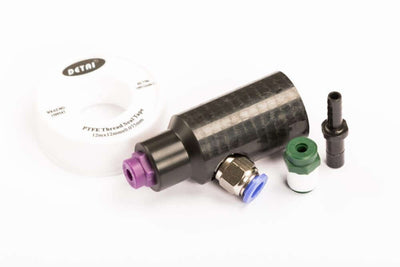
For accurate and controlled application, contractors often use dedicated softwashing equipment rather than repurposing a high-pressure washer. SoftWash UK’s range of soft washing equipment includes systems and accessories designed for low-pressure chemical application across exterior surfaces.
Step 5: Allow Time for Treatment to Work
One of the biggest differences between pressure washing and softwashing is client expectation. Pressure washing gives an immediate clean appearance, but it may not treat the root biological issue. Softwashing and biocidal treatments often continue working over days, weeks and months as remaining organic growth breaks down and weathering helps the roof improve naturally.
This should be explained before the job begins. Good contractors manage expectations clearly: the roof may not look “brand new” on the day, but the treatment can provide a more appropriate long-term result with less mechanical stress on the tile.
Roof Tile Types and Cleaning Considerations
Different roof coverings respond differently to pressure and chemical treatment. Always identify the material before choosing a method.
| Roof Tile Type | Pressure Washing Suitability | Professional Comment |
|---|---|---|
| Concrete tiles | Often risky, especially when older or weathered | High pressure can strip surface texture and expose a more porous layer. Manual moss removal plus treatment is commonly preferred. |
| Clay tiles | Use extreme caution | Older or frost-damaged clay can crack, spall or lose surface integrity. Check condition carefully. |
| Natural slate | Generally avoid high pressure | Slates can be brittle, and fixings may be aged. Water driven beneath slates is a common concern. |
| Composite or coated tiles | Check manufacturer guidance | Pressure washing may affect coatings or warranties. Always confirm compatibility. |
| Metal roof sheets | Case-by-case | Fixings, coatings, laps and corrosion must be assessed. Low-pressure cleaning is often safer around seams and fasteners. |
What Causes Moss, Algae and Lichen on Roof Tiles?
Moss, algae and lichen are not just cosmetic. They are biological growths encouraged by moisture, shade, tree cover, rough tile surfaces, north-facing elevations and slow-drying roof areas. Moss tends to hold water against the tile and can lift at laps if allowed to become severe. Lichen bonds tightly to the surface and can be difficult to remove mechanically without damaging the tile face.
If you are explaining roof conditions to a client, it helps to understand the cause. SoftWash UK’s Knowledge Centre guide on moss on roof tiles is a useful supporting resource for contractors and property managers.
Where lichen is the main issue, the cleaning plan may need to be different from a standard moss removal job. Lichen often requires patience and correct treatment rather than aggressive scraping. You can read more about lichen on roof tiles and why it can be so persistent.
Common Mistakes When Pressure Washing Roof Tiles
Using Too Much Pressure
This is the most obvious mistake. A commercial pressure washer can easily exceed what a roof tile surface should tolerate. Damage may include pitting, streaking, surface loss and broken edges.
Using a Turbo Nozzle
Turbo nozzles and narrow jets are too aggressive for most roof tile cleaning. They concentrate force into a small area and can gouge or fracture vulnerable surfaces.
Spraying Upwards Under the Laps
Water should never be driven against the direction the roof was designed to shed it. Spraying upwards can push water beneath tiles and into the roof structure.
Ignoring Weather Conditions
Wind can carry overspray onto neighbouring windows, cars, gardens and pedestrians. Rain can reduce treatment performance. Hot, dry conditions can cause some products to dry too quickly. Weather should be factored into both cleaning and chemical application.
Failing to Protect Gutters, Plants and Watercourses
Whether using water alone or a roof treatment, runoff needs managing. Gutters can block quickly with moss and silt. Sensitive planting, ponds and water butts need particular care.
Not Having a Written Method Statement
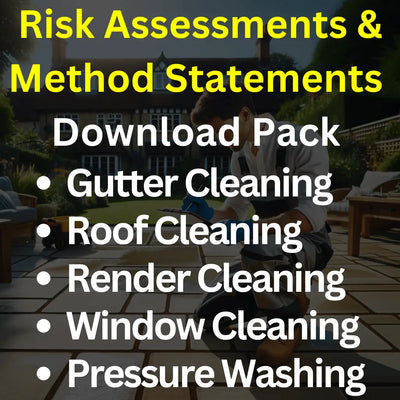
For contractors, the lack of a proper RAMS document is a professional weakness and a safety risk. Roof work involves work at height, manual handling, chemicals, public protection and environmental considerations. SoftWash UK’s Risk Assessment and Method Statement Pack for Exterior Cleaning can help businesses formalise safer working procedures and demonstrate a more professional approach to clients.
Safety and Compliance Notes for UK Roof Cleaning
Roof cleaning is not only a cleaning task; it is a work-at-height activity. In the UK, contractors must consider the Work at Height Regulations, COSHH where chemicals are used, PPE, public protection, manual handling, environmental risk and site-specific hazards.
Best practice includes:
- Completing a site-specific risk assessment before work starts
- Using suitable access equipment such as scaffold, towers, MEWPs or properly secured roof ladders where appropriate
- Avoiding unsafe ladder-only working for extended roof cleaning tasks
- Wearing suitable PPE, including eye protection, gloves and non-slip footwear
- Using fall protection where required by the access method and site risk
- Managing exclusion zones below the working area
- Protecting the public, occupants, vehicles and neighbouring properties
- Following product labels and safety data sheets when applying chemicals
- Preventing uncontrolled discharge into sensitive drains, ponds or watercourses
For contractors who want to improve their technical knowledge, application confidence and safety standards, the Soft Wash Training Course is a practical route into professional softwashing methods, chemical awareness, equipment selection and safer exterior cleaning workflows.
Is Softwashing Always Better Than Pressure Washing?
Softwashing is not a magic answer for every roof, but it is often more appropriate than high-pressure cleaning where the aim is to treat organic growth with less mechanical force. The key is using the right process, not simply replacing one bad method with another.
A poor softwash job can still cause problems if the operator uses the wrong product, over-applies chemical, fails to protect plants, ignores runoff, or treats a roof without removing heavy moss first. Professional softwashing requires knowledge of dilution, dwell time, surface compatibility, environmental controls and rinsing requirements where applicable.
The best method is usually a balanced one:
- Assess the roof properly.
- Remove heavy moss carefully.
- Clear gutters and protect drainage.
- Apply a suitable treatment at low pressure.
- Allow time for biological breakdown.
- Offer maintenance advice to reduce rapid regrowth.
How to Explain the Best Method to Clients
Many customers ask for “roof pressure washing” because it is the phrase they know. They may not understand the difference between blasting a roof and treating it. Contractors can build trust by explaining the options clearly.
A professional explanation might be:
“We do not automatically pressure wash roof tiles because high pressure can damage the tile surface and force water beneath the laps. We assess the roof first, remove heavy moss manually where needed, then apply a suitable low-pressure treatment to deal with remaining organic growth. It is a safer approach for many UK roofs and the results continue improving after the treatment.”
This type of explanation helps clients understand why the cheapest or fastest method is not always the best value. It also positions the contractor as a specialist rather than a general pressure washer operator.
Facilities Management Considerations
For facilities managers and property maintenance professionals, roof cleaning decisions should also account for occupant disruption, site access, insurance, drainage, public safety and planned maintenance schedules.
On schools, care homes, retail parks, industrial units and residential blocks, the method must be chosen around the site’s operational requirements. Pressure washing may create excessive noise, overspray and debris. Softwashing may require exclusion zones, chemical controls and communication with occupants. Neither method should be treated casually.
Useful planning questions include:
- Can work be completed outside peak occupancy hours?
- Are entrances, car parks or public footpaths below the roofline?
- Are there air intakes, solar panels or roof-mounted plant?
- Where will wash water or treatment runoff go?
- Is there a planned gutter maintenance schedule after the clean?
- Does the contractor have suitable training, insurance and documentation?
Frequently Asked Questions
Can pressure washing roof tiles cause leaks?
Yes. Pressure washing can cause leaks if water is driven beneath tile laps, flashings, ridges, vents or damaged areas. The roof may be watertight under normal rainfall but still vulnerable to pressurised water applied at the wrong angle.
Will pressure washing remove moss from roof tiles?
Pressure washing will remove visible moss quickly, but it may not treat spores and remaining biological contamination. Without a suitable follow-up treatment, regrowth may occur sooner than expected. Manual moss removal followed by a low-pressure biocidal treatment is often a more professional approach.
Is it safe to pressure wash concrete roof tiles?
It depends on the age, condition and surface of the tile. Many older concrete tiles are not suitable for aggressive pressure washing because their surface can be stripped or eroded. Always inspect the roof before choosing the method.
Is softwashing safe for roof tiles?
Softwashing can be safe and effective when carried out correctly using suitable products, low-pressure application, proper dilution, runoff control and surface assessment. It should not be carried out casually or without understanding chemical safety and environmental responsibilities.
Should moss be scraped before roof treatment?
In most cases, heavy moss should be removed before treatment so the product can reach the tile surface and remaining spores more effectively. This also reduces the risk of dead moss later washing into gutters and drains.
How long does a softwashed roof take to look clean?
Results vary depending on the level of contamination, roof material, weather and treatment used. Some improvement may be visible quickly, but full weathering and biological breakdown can continue over several weeks or months.
Can serious DIY users clean their own roof tiles?
Serious DIY users should be extremely cautious. Roof cleaning involves work at height, slippery surfaces, chemicals and potential property damage. If safe access and proper controls cannot be achieved, it is better to use a competent professional contractor.
Conclusion: Can You Pressure Wash Roof Tiles?
You can pressure wash some roof tiles, but it is rarely the first method an experienced roof cleaning professional should reach for. The risks include surface damage, water ingress, broken tiles, disturbed mortar, blocked gutters and unsafe working conditions. On many UK roofs, especially older concrete, clay and slate coverings, manual moss removal followed by controlled low-pressure treatment is safer, more professional and often longer lasting.
The best roof cleaning method is chosen after inspection, not guesswork. Contractors and property managers should consider tile type, roof condition, biological growth, access, runoff, compliance and client expectations before deciding whether any pressure should be used.
SoftWash UK supports the exterior cleaning industry with professional chemicals, equipment, training and educational resources for safer, more responsible softwashing and roof treatment work. If you are developing roof cleaning services, improving your method statements or moving away from aggressive pressure washing, explore SoftWash UK’s training, equipment and chemical resources to build a more professional and compliant approach.
To continue learning, visit SoftWash UK’s Knowledge Hub for practical guidance on softwashing, roof cleaning, exterior surface treatment and industry best practice.