Softwashing vs Pressure Washing Roof Tiles: Which Is Best for UK Roof Cleaning?
For most UK roof tile cleaning projects, softwashing is the safer and more sustainable method than pressure washing. Softwashing uses controlled low-pressure application of professional cleaning solutions to treat moss, algae, lichen and other organic growth without forcing water under tiles or aggressively eroding the tile surface. Pressure washing can produce a fast visual result, but on many roof tiles it increases the risk of surface damage, water ingress, cracked tiles, disturbed pointing and premature wear.
That does not mean pressure washing has no place in roof cleaning. In skilled hands, carefully controlled low-pressure rinsing or mechanical moss removal may be used as part of a wider roof restoration process. However, blasting roof tiles with a high-pressure washer is rarely the best first choice, especially on older clay tiles, weathered concrete tiles, delicate roof coverings or properties where water ingress would be costly.
This guide compares softwashing and pressure washing roof tiles from a practical UK contractor’s perspective. It is written for exterior cleaning contractors, property maintenance teams, facilities managers and serious DIY users who want to choose the right method, reduce risk and deliver a professional result.
Quick Answer: Softwashing vs Pressure Washing Roof Tiles
| Factor | Softwashing Roof Tiles | Pressure Washing Roof Tiles |
|---|---|---|
| Cleaning method | Low-pressure application of cleaning solutions to treat organic growth | Mechanical removal using pressurised water |
| Best for | Moss spores, algae, lichen, biofilm and long-term biological control | Heavy surface dirt removal where the roof is suitable and risk is controlled |
| Risk to tiles | Low when correctly assessed, diluted and applied | Higher, particularly on older, porous or fragile tiles |
| Water ingress risk | Lower because application is low pressure | Higher if water is driven under laps, flashings or damaged tiles |
| Immediate visual result | Often improves gradually as staining and biological growth die back | Often immediate, but may not kill spores or roots |
| Long-term control | Good when the correct biocidal treatment and maintenance plan are used | Limited unless followed by an appropriate treatment |
| Professional suitability | Preferred for many pitched roof cleaning projects | Case-by-case only, with careful risk assessment |
What Is Softwashing a Roof?
Softwashing is a low-pressure exterior cleaning process used to treat organic contamination such as moss, algae, lichen and microbial staining. On roof tiles, the process usually involves inspection, safe access planning, manual or controlled removal of bulky moss where required, application of a suitable cleaning or biocidal solution, dwell time and post-treatment monitoring.
The key difference is that softwashing relies on chemistry and dwell time rather than brute force. Instead of using high pressure to strip growth from the tile surface, the treatment targets the biological growth itself. This makes it especially useful for roof materials where aggressive mechanical cleaning could cause damage.
For a deeper overview of roof cleaning methods and decision-making, SoftWash UK’s Knowledge Centre guide on roof cleaning advice is a useful supporting resource.
What Softwashing Can Treat on Roof Tiles
- Green algae and surface biofilm
- Black staining caused by biological contamination
- Moss spores left behind after moss removal
- Lichen colonisation on concrete and clay tiles
- Organic matter trapped in laps, valleys and gutters
In practice, a roof softwash is often judged over weeks and months rather than minutes. Some staining fades quickly, while established lichen can take longer to release. This is normal and should be explained clearly to clients before work begins.
What Is Pressure Washing a Roof?
Pressure washing uses high-pressure water to physically remove dirt, moss and staining. On paths, patios and some robust hard surfaces it can be useful. On roof tiles, however, the risks are much greater because roof coverings are designed to shed rainwater from above, not resist water being forced upwards, sideways or under laps at pressure.
Pressure washing can remove the visible growth quickly, which is why some customers ask for it. The problem is that visible cleaning is not the same as biological treatment. Moss fragments, spores and lichen roots can remain in the tile surface and recolonise if the roof is not treated afterwards.
Typical Pressure Washing Risks on Roof Tiles
- Driving water beneath tiles and into the roof void
- Stripping the weathered face from concrete tiles
- Damaging old clay tiles, hips, ridges and mortar
- Removing protective coatings or coloured finishes
- Flooding gutters, valleys or loft spaces with debris
- Creating slip hazards from dislodged moss and slurry
One of the most common site issues is not broken tiles during the clean, but customer complaints afterwards: water staining in loft insulation, blocked downpipes, scratched conservatory roofs, or debris splattered onto neighbouring properties. These are preventable with the right method and preparation.
Which Method Is Safer for Roof Tiles?
Softwashing is generally safer for roof tiles because it uses low pressure and reduces the need for aggressive surface removal. The roof still needs a proper survey, because no cleaning method is risk-free. Broken tiles, failed pointing, poor previous repairs, blocked gutters and fragile roof structures must be identified before work starts.
Pressure washing is more likely to cause roof tile damage when it is used without understanding tile condition, nozzle selection, working angle and water pressure. Even a skilled operator cannot make a fragile roof strong by reducing pressure slightly. The roof must be suitable for the method.
Tile Type Matters
| Roof Tile Type | Softwashing Suitability | Pressure Washing Suitability | Practical Note |
|---|---|---|---|
| Concrete roof tiles | Usually suitable after inspection | High risk if weathered or surface coating is weak | Older concrete tiles can become porous and friable |
| Clay roof tiles | Often suitable with careful product choice and access control | Often risky, especially on older handmade or brittle tiles | Clay tiles can crack under foot traffic and pressure impact |
| Slate roofs | Specialist assessment required | Generally not appropriate for high-pressure cleaning | Fixings and delamination risks must be considered |
| Coated tiles | Suitable only after testing and compatibility checks | Can remove or scar coatings | Always check manufacturer guidance where available |
| Very old or damaged roofs | May be limited to treatment only or no clean | Usually unsuitable | Recommend repair or roofing inspection first |
Does Moss Need Removing Before Roof Treatment?
In many cases, bulky moss should be removed before roof treatment, but it should be done carefully. Thick moss acts like a sponge, holds moisture and can prevent cleaning solutions from achieving full contact with the tile surface. Removing heavy growth also reduces the volume of dead organic matter entering gutters after treatment.
However, moss removal does not mean aggressive scraping or pressure washing every roof. Contractors commonly use roof-safe scraping tools matched to the tile profile, telescopic poles, access platforms or other controlled methods. The goal is to remove mass while minimising tile disturbance.
SoftWash UK’s Knowledge Centre article on roof moss removal explains this decision in more detail and is worth reading before specifying a roof treatment process.
Practical Contractor Tip
On heavily mossed roofs, price the job in phases: inspection, access and protection, moss removal, gutter clearance, treatment and optional follow-up. This avoids underquoting and helps the client understand why a professional roof clean is more involved than simply “spraying something on”.
Why Moss, Algae and Lichen Grow on Roof Tiles
Roof tiles provide an ideal habitat for biological growth when there is shade, moisture and organic debris. North-facing elevations, overhanging trees, poor airflow, blocked gutters and porous tiles all encourage moss and algae. Rural and coastal sites can also see faster recolonisation because of airborne spores and environmental exposure.
Moss tends to establish in tile laps and sheltered areas. Lichen bonds more tightly to the surface and can be slower to release after treatment. Algae often appears as green or dark staining, especially on damp elevations.
If you are diagnosing contamination for a client, SoftWash UK has dedicated guidance on moss on roof tiles and lichen on roof tiles. These resources are helpful when explaining why the problem returns if only the visible growth is removed.
Step-by-Step Best Practice: Softwashing Roof Tiles
The exact method will depend on the roof, contamination, product used, access method, weather and site restrictions. The following sequence reflects a professional approach rather than a one-size-fits-all instruction.
1. Survey the Roof and Surrounding Area
Before any cleaning starts, assess the roof condition, tile type, pitch, access points, fragile surfaces, valleys, flashings, gutters, drainage, neighbouring property, landscaping and public interface. Look specifically for cracked tiles, failed mortar, loose ridge tiles, previous repairs, skylights and conservatories below.
2. Complete a Risk Assessment and Method Statement
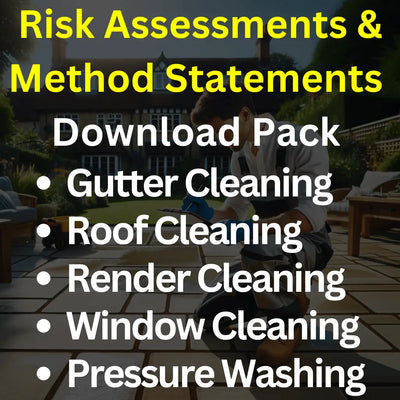
Roof cleaning involves work at height, chemical handling, public safety, overspray control and environmental protection. A written RAMS is not just paperwork; it helps prevent real incidents. Contractors who want a structured starting point can use SoftWash UK’s Risk Assessment and Method Statement pack for exterior cleaning to support safer planning and professional documentation.
3. Plan Safe Access
Do not treat roof cleaning as ladder work. Depending on the site, suitable access may include scaffold, MEWP, roof ladder systems, edge protection, fall arrest, telescopic application equipment or a combination of methods. Access should be planned by competent people and comply with UK work at height requirements.
4. Protect the Site
Pre-wet sensitive plants where appropriate, isolate water butts, manage downpipes, protect metals and delicate surfaces, and communicate with occupants and neighbours. Move vehicles and garden furniture. Consider where rinse water, moss and debris will go.
5. Remove Heavy Moss Where Required
Use controlled mechanical removal methods suited to the tile profile. Avoid chipping, scraping too aggressively or walking unnecessarily on tiles. Clear gutters and valleys as part of the process.
6. Apply the Correct Softwash Treatment
Use professional products at the correct dilution and in accordance with the manufacturer’s instructions, product label, safety data sheet and site risk assessment. SoftWash UK supplies a range of professional soft wash chemicals for exterior cleaning applications, including treatments designed for biological growth control.
For roof moss treatment where a specialist roof cleaner is required, Clean Guard Pro roof moss killer and cleaner may be suitable depending on the surface, specification and contamination. Always check compatibility, dilution guidance and safe use requirements before application.
7. Allow Suitable Dwell Time
Softwashing is not instant magic. The solution needs contact time to work. Weather, organic load, tile porosity and temperature all affect performance. Avoid application in unsuitable wind, heavy rain, freezing temperatures or conditions where runoff cannot be controlled.
8. Rinse Only Where Appropriate
Some treatments are designed to be left to weather over time, while others may require controlled rinsing. Follow the product instructions. If rinsing is needed, use low pressure and a roof-appropriate technique rather than converting the job into high-pressure washing.
9. Inspect, Record and Advise
Take before and after photos, record products and dilutions used, note any roof defects and advise on expected results. Where lichen is present, explain that final visual improvement may continue over time.
When Might Pressure Washing Be Considered?
Pressure washing roof tiles should only be considered after a careful suitability assessment. It may occasionally be used on robust roof coverings where the client requires immediate removal of heavy contamination, where access and containment are excellent, and where the operator can keep pressure, angle and flow under strict control.
Even then, it is good practice to follow with a suitable biocidal treatment, because pressure washing alone often removes the symptom rather than the cause. Without treatment, regrowth can appear much sooner.
Pressure Washing Should Usually Be Avoided When:
- The roof is old, brittle, porous or already damaged
- There are known leaks or questionable underfelt details
- The roof has delicate clay tiles, slate or fragile coatings
- There are open laps, failed flashings or poor previous repairs
- Debris containment is difficult
- The customer expects a no-risk clean on a high-risk surface
Equipment Considerations for Roof Softwashing
Professional roof softwashing requires suitable application equipment, not improvised spraying from unsafe positions. The right setup depends on roof height, access, chemical type, flow rate and distance. Contractors may use low-pressure pumps, controlled spray systems, telescopic poles, dedicated nozzles and chemical-resistant hoses.
SoftWash UK supplies soft washing equipment designed for professional exterior cleaning applications. Choosing appropriate equipment helps improve application control, reduce waste, minimise overspray and work more safely from planned access positions.
Key Equipment Priorities
- Low-pressure application rather than uncontrolled high pressure
- Chemical-compatible pumps, hoses, seals and fittings
- Accurate dosing and dilution control where required
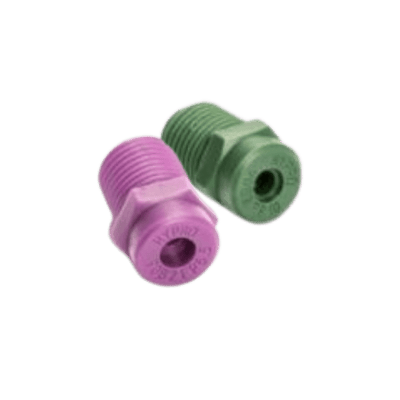
- Nozzles suitable for reach, pattern and drift reduction
- Reliable PPE and emergency washdown provision
- Safe access systems appropriate to the roof and site
Safety, Compliance and Environmental Best Practice
Roof cleaning combines several risk categories: work at height, chemical handling, manual handling, slips, public safety and environmental exposure. A professional approach protects the contractor, client, property and surrounding environment.
Essential Safety Measures
- Complete a site-specific risk assessment before work begins
- Use suitable PPE based on the product safety data sheet
- Control access below the work area with barriers or signage
- Protect plants, ponds, watercourses and sensitive surfaces
- Prevent uncontrolled runoff into water butts or drains where required
- Do not work in high winds or unsafe weather
- Never mix chemicals unless the manufacturer specifically instructs it
- Store, transport and apply cleaning chemicals responsibly
For contractors building professional competence, the Soft Wash Training Course from SoftWash UK provides structured education on methods, safety, chemical understanding, equipment and best practice. Training is particularly valuable for roof cleaning because mistakes can be expensive and hazardous.
Common Mistakes and Myths About Roof Tile Cleaning
Myth 1: “Pressure Washing Is Fine If You Turn the Pressure Down”
Reducing pressure helps, but it does not remove the underlying risks. Water volume, nozzle angle, tile condition, operator distance and roof defects all matter. A low-pressure softwash approach is usually a better starting point.
Myth 2: “If the Roof Looks Clean, the Job Is Done”
A roof can look cleaner after pressure washing while spores and biological roots remain. Without treatment, regrowth can return quickly, especially in shaded or damp areas.
Myth 3: “All Roof Tiles Can Be Cleaned the Same Way”
Concrete, clay, slate and coated tiles behave differently. Age, porosity and previous maintenance also change the risk. Always inspect and test rather than assuming one method suits every roof.
Myth 4: “Softwashing Gives an Instant New Roof Look”
Softwashing is a treatment process. Some results are immediate, but lichen and deep staining may break down gradually. Manage expectations honestly and document the expected timeline.
Myth 5: “DIY Roof Cleaning Is Just Like Patio Cleaning”
Roof work has serious fall risks, and chemicals must be handled correctly. Serious DIY users should be realistic about access, PPE, runoff, dilution, product compatibility and emergency planning. If safe access cannot be achieved, the job should be left to competent professionals.
Choosing the Right Roof Cleaning Method
The best method is not chosen by preference alone. It should be chosen by roof condition, contamination type, safety requirements, client expectations, environmental controls and long-term outcomes.
| Scenario | Recommended Approach | Why |
|---|---|---|
| Heavy moss on concrete tiles | Manual moss removal followed by softwash treatment | Removes bulk growth and treats remaining spores |
| Light green algae staining | Softwash treatment only, where suitable | Low disturbance and effective biological control |
| Established lichen on older tiles | Careful treatment with realistic expectations | Lichen may take time to release; aggressive removal risks damage |
| Fragile clay roof | Specialist assessment, minimal disturbance, possible treatment only | Foot traffic and pressure can crack or disturb tiles |
| Customer wants instant cosmetic result | Explain risks and offer staged professional options | Immediate appearance should not override roof integrity |
How to Explain Softwashing to Clients or Stakeholders
Facilities managers and property owners often want a clear justification for the chosen method. A simple explanation works best:
“Pressure washing removes visible dirt quickly, but it can force water under tiles and damage weathered surfaces. Softwashing uses low pressure and specialist treatments to target the biological growth causing the staining. It is usually safer for the roof and gives better long-term control when properly specified.”
For commercial sites, include photos, risk control notes, method statement details, product information and expected timelines. This helps decision-makers understand why the cheapest or fastest method may not represent best value.
Frequently Asked Questions
Is softwashing better than pressure washing roof tiles?
In most cases, yes. Softwashing is generally better for roof tiles because it uses low pressure and treats moss, algae and lichen biologically. Pressure washing can give a faster visual clean but carries greater risk of tile damage, water ingress and premature surface wear.
Can pressure washing damage concrete roof tiles?
Yes. Pressure washing can strip the surface from weathered concrete tiles, expose aggregate, remove coatings and force water beneath the roof covering. The risk increases on older, porous or already damaged tiles.
Do you need to remove moss before softwashing a roof?
Heavy moss is usually best removed before treatment so the product can contact the tile surface and so gutters are not overwhelmed later. Light moss or algae may be treated directly depending on the roof condition and product specification.
How long does softwashing take to work on roof tiles?
Some improvement may be visible quickly, but full results can develop over weeks or months, especially with lichen and deep biological staining. Weathering helps dead growth release naturally over time.
Is roof softwashing safe for plants and gutters?
It can be managed safely when carried out by trained operators using the correct dilution, protection, runoff control and rinse procedures. Sensitive areas such as plants, ponds, metals, water butts and drainage routes must be assessed and protected.
Can a homeowner softwash their own roof?
Serious DIY users should be very cautious. The main risks are falls from height, incorrect chemical handling, overspray, roof damage and runoff problems. If safe access, PPE, product knowledge and environmental controls are not in place, it is safer to use a competent professional.
Conclusion: Softwashing Is Usually the Smarter Choice for Roof Tiles
When comparing softwashing vs pressure washing roof tiles, softwashing is usually the better professional choice for UK properties. It is lower pressure, better suited to biological contamination and less likely to damage roof tiles when correctly specified and applied. Pressure washing may produce an immediate visual result, but it often introduces unnecessary risk and should only be considered after a careful roof assessment.
The best roof cleaning outcomes come from proper inspection, safe access planning, controlled moss removal, appropriate treatment, accurate client expectations and compliance-led working practices. For contractors, this is where professionalism shows: not in how quickly a roof can be blasted clean, but in how well the roof is protected while the biological problem is treated.
SoftWash UK supports exterior cleaning professionals with specialist softwashing chemicals, equipment, training and industry education. To improve your roof cleaning knowledge, explore the SoftWash UK Knowledge Centre, review suitable professional products and consider formal training before taking on higher-risk roof work. If you are specifying or delivering roof tile cleaning, start with safety, choose the least aggressive effective method and build your process around long-term results rather than short-term appearance.