What New Softwash Contractors Often Get Wrong
New softwash contractors most often get into trouble by underestimating the process. They treat softwashing as “spray chemical, wait, rinse” rather than a controlled cleaning method that depends on correct survey work, substrate identification, chemical selection, dilution, dwell time, runoff control, plant protection, safe working practices and realistic quoting.
In practical terms, the most common mistakes are using the wrong strength of solution, failing to pre-wet and protect sensitive areas, trying to clean unsuitable surfaces, overpromising results, buying equipment before understanding the method, and quoting without allowing for preparation, safety controls and post-treatment checks.
This guide is written for UK exterior cleaning contractors, property maintenance teams, facilities managers and serious DIY users who want to avoid expensive mistakes. It is not about scaring people away from softwashing. Done properly, softwashing is one of the most effective ways to treat organic growth, algae, lichen and staining on many external surfaces. But it must be approached professionally, safely and with respect for the chemistry, the building and the site.
1. Thinking Softwashing Is Just Low-Pressure Pressure Washing
One of the first misunderstandings is assuming that softwashing is simply pressure washing at lower pressure. It is not. Softwashing is a chemical-led cleaning and treatment method that uses the correct cleaning solution, controlled application and dwell time to break down or treat contamination.
Pressure washing relies mainly on mechanical force. Softwashing relies mainly on chemistry. That difference changes the way you survey a job, price it, prepare the site, select equipment and manage risk.
What this mistake looks like on site
- Turning up with a pressure washer and a weak chemical mix, expecting instant results.
- Using high pressure to “help” the chemical, damaging render, coatings, pointing or roof surfaces.
- Failing to allow enough dwell time for the treatment to work.
- Rinsing too early because the contractor expects a pressure washing-style finish immediately.
- Assuming every green or black surface can be treated in the same way.
A professional softwash contractor understands that the result often comes from correct sequencing: survey, protect, apply, dwell, agitate where needed, rinse where appropriate, then inspect. On some jobs, especially biocide treatments, visible improvement may continue after the contractor has left site. That needs to be explained to the client before the work begins.
2. Using the Wrong Chemical Strength
Chemical strength is one of the biggest areas where new contractors make mistakes. Too weak, and the treatment underperforms. Too strong, and you risk damage, staining, unnecessary odour, vegetation harm, oxidisation or a costly complaint.
Professional softwashing is not about using the strongest possible mix. It is about using the mildest effective approach for the substrate, contamination level and site conditions.
Common chemical errors
- Using the same solution strength on render, block paving, sandstone, roof tiles and timber.
- Failing to understand the difference between sodium hypochlorite cleaning and quaternary ammonium compound biocide treatments.
- Mixing chemicals without checking compatibility and safety information.
- Not reading the Safety Data Sheet before use.
- Ignoring the effect of temperature, sunlight, wind and dwell time.
Where sodium hypochlorite is appropriate, contractors must understand concentration, dilution, safe handling and storage. Products such as sodium hypochlorite for soft washing should be used responsibly, with suitable PPE, clear site controls and an understanding of the surface being treated.
Surfactants can also make a noticeable difference when used correctly. A suitable surfactant helps the solution cling to vertical surfaces and wet out the contamination more evenly. For example, Clever Wash Surfactant is used by contractors to improve coverage and dwell time, especially on vertical surfaces where run-off can reduce effectiveness. However, adding surfactant does not remove the need for correct dilution, testing and safety controls.
3. Poor Survey Work Before Quoting
Many new contractors quote from a photograph, arrive on site, then realise the job is more complex than expected. That is how profit disappears and risk increases.
A proper softwash survey is not just about measuring square metres. It is about identifying the surface, the contamination, access requirements, drainage, sensitive areas, nearby planting, electrical services, public exposure, water availability and client expectations.
What to check before pricing a softwash job
- The surface type: render, brick, concrete, stone, roof tile, cladding, timber or painted surface.
- The condition of the surface: cracks, blown render, failed coatings, loose pointing, spalled brickwork or fragile tiles.
- The type of contamination: algae, mould, lichen, moss, carbon staining, rust, oil or mineral staining.
- Access: ladders, towers, MEWP requirements, water-fed pole reach or safe ground-based application.
- Runoff routes: drains, lawns, ponds, planted borders, neighbouring property and watercourses.
- Weather exposure: wind direction, sun, heat, frost risk and rain forecast.
- Public interface: pedestrians, vehicles, pets, tenants, staff or customers.
- Whether the surface needs cleaning, treatment or both.
Facilities managers and property maintenance professionals should also ask contractors how they will protect adjacent surfaces and manage site-specific hazards. A professional contractor should be able to explain this clearly rather than simply saying “we use low pressure”.
4. Confusing Cleaning, Sanitising and Biocidal Treatment
New contractors often use the word “softwash” to describe several different outcomes. This creates confusion when selling the job and can lead to unhappy clients.
Cleaning, sanitising and biocidal treatment are related, but they are not the same thing. Some jobs are designed for immediate visual improvement. Others are designed for longer-term control of organic growth. Some need both stages.
| Method | Main purpose | Typical expectation | Common mistake |
|---|---|---|---|
| Softwash cleaning | Remove or break down visible organic contamination and staining | Often gives a quicker visual improvement | Using too much chemical to chase instant results |
| Biocidal treatment | Treat organic growth and reduce regrowth over time | May improve gradually after application | Promising the client an instant “as new” finish |
| Pressure washing | Mechanical removal of dirt and surface contamination | Immediate visual change where suitable | Using pressure on surfaces that are too delicate |
| Specialist stain removal | Target rust, oil, tannin, lead, mineral or other staining | Depends on stain type and surface absorption | Assuming every stain is organic growth |
One of the best habits a new contractor can develop is explaining the process in plain English. For example: “This treatment is designed to kill and break down organic growth. Some marks will improve quickly, while deeper lichen and staining may continue to weather off over the coming weeks.” That is far better than promising a perfect finish on a surface you have not tested.
5. Not Testing Before Full Application
Patch testing is not optional on unfamiliar or sensitive surfaces. It is a simple, professional step that can prevent expensive damage.
New contractors sometimes skip testing because they are under time pressure or fear it makes them look unsure. In reality, testing shows professionalism. It helps confirm chemical suitability, surface reaction, dwell time, colour stability and client expectations.
Surfaces where testing is especially important
- Coloured render and painted render.
- Natural stone, especially porous or iron-rich stone.
- Timber cladding, decking and fencing.
- Metal cladding, flashings, trims and powder-coated finishes.
- Older brickwork and lime mortar.
- Surfaces previously treated with sealers, coatings or unknown products.
A sensible test patch should be in a discreet location, documented where appropriate and assessed after the relevant dwell and rinse period. On commercial work, especially with facilities managers or managing agents, recording test results can help avoid disputes later.
6. Weak Plant Protection and Runoff Control
Plant and lawn damage is one of the fastest ways for a new contractor to lose trust. It is also usually avoidable.
Softwashing around gardens, landscaped commercial sites, schools, care homes, hotels and residential developments requires planning. Contractors need to think about where the solution will go, not just where it is being applied.
Basic plant protection principles
- Pre-wet plants and lawns before chemical application where appropriate.
- Control overspray by working with the wind, not against it.
- Use controlled application rather than flooding the surface.
- Rinse nearby vegetation during and after the work where needed.
- Collect, divert or dilute runoff where site conditions require it.
- Keep pets, children, staff and the public away from the working area.
On commercial sites, consider drainage plans, watercourses, SuDS systems, ponds and planted courtyards. A contractor working outside a retail unit or office building needs to plan working zones, signage, barriers and safe access just as carefully as the chemical application itself.
7. Buying Equipment Before Understanding the Work
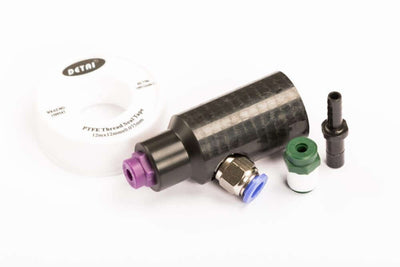
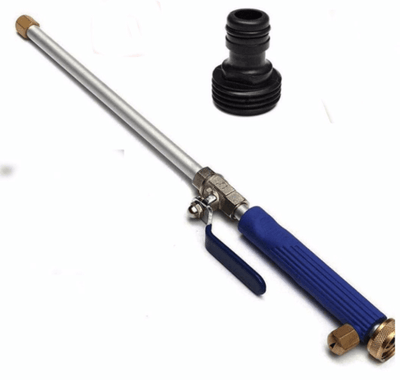
There is a strong temptation to buy pumps, tanks, reels, injectors, poles and nozzles before properly understanding the workflow. The result is often a van full of kit that is either unsuitable, unsafe or inefficient.
Equipment should be selected based on the type of work you intend to carry out: domestic render cleaning, roof treatments, commercial cladding, schools, housing associations, estate maintenance, patios or specialist stain removal. A small domestic setup is very different from a system designed for larger commercial softwashing.
Equipment decisions new contractors often get wrong
- Choosing pumps without considering chemical compatibility.
- Using fittings, seals or hoses that degrade quickly with softwash chemicals.
- Carrying too much chemical without thinking about transport and storage risks.
- Not having a controlled rinse method available.
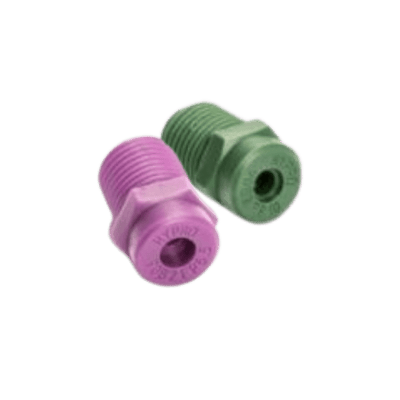
- Using application nozzles that create excessive mist and overspray.
- Having no backup plan if a pump, battery or fitting fails on site.
SoftWash UK supplies professional soft washing equipment for contractors who want kit that suits real exterior cleaning work. The important point is to buy equipment around the method, not to build your method around whatever equipment you happened to purchase first.
8. Poor PPE, COSHH and Site Documentation
Softwashing involves chemical use, so UK contractors must take compliance seriously. That includes COSHH assessment, suitable PPE, Safety Data Sheets, method statements, risk assessments, safe storage, labelling and emergency planning.
New contractors sometimes think paperwork is only needed for large commercial jobs. That is a mistake. Even on domestic work, you still have legal and professional responsibilities. On commercial sites, facilities teams will often expect RAMS before work begins, and they may ask for evidence of training, insurance, product information and safe systems of work.
Minimum good-practice documentation
- Risk assessment for the task and site.
- Method statement explaining the work sequence.
- COSHH assessment for each chemical used.
- Safety Data Sheets available to workers.
- Emergency procedures for spills, exposure or accidental contact.
- Evidence of staff training and toolbox talks where relevant.
For contractors who want a structured starting point, the Risk Assessment and Method Statement Pack for Exterior Cleaning can help build more professional documentation around exterior cleaning work. It does not replace site-specific thinking, but it gives contractors a more organised framework than trying to write everything from scratch after a facilities manager asks for RAMS.
9. Quoting Too Cheaply and Missing Hidden Costs
Underpricing is one of the most common business mistakes made by new softwash contractors. They price the visible cleaning time but forget the real costs of doing the job properly.
A professional quote should account for preparation, travel, water management, chemical use, PPE, equipment wear, access, administration, insurance, waste considerations, customer communication and follow-up. If you only price the time your hand is on the lance or pole, you will almost certainly undercharge.
Costs that beginners often forget
- Survey time and client communication.
- Test patches and documentation.
- Plant protection and rinsing time.
- Additional labour for public-facing or commercial sites.
- Signage, barriers and traffic or pedestrian management.
- Chemical wastage, storage and safe transport.
- Delays caused by weather, access or water supply issues.
- Return visits where gradual treatments need inspection.
Cheap quoting also encourages rushed work. Rushed softwashing is rarely safe, consistent or profitable. It is better to win fewer well-priced jobs than to become known as the contractor who is busy but constantly firefighting complaints.
10. Overpromising Results
Softwashing can deliver excellent results, but it is not magic. New contractors sometimes promise that a roof, render wall, driveway or cladding panel will look “like new”. That is risky language.
Some staining is biological. Some is atmospheric soiling. Some is mineral. Some is caused by rust, lead, tannins, traffic film, oil, damaged coatings or underlying substrate defects. If you diagnose the wrong cause, you may use the wrong treatment and disappoint the client.
Better ways to set expectations
- Explain what the treatment is designed to remove or treat.
- Point out existing defects before work starts.
- Photograph problem areas during the survey.
- Use phrases such as “significant improvement” rather than “perfect”.
- Explain whether results are immediate or progressive.
- Make clear what is excluded from the quote.
For example, if a coloured render elevation has algae growth, hairline cracks and old staining below a leaking gutter, softwashing may improve the biological growth, but it will not repair the crack or fix the leak. A professional contractor identifies the cause, not just the symptom.
11. Working in the Wrong Weather
Weather affects safety, dwell time, chemical activity and final results. New contractors often book the job, arrive on the day and press ahead even when conditions are clearly against them.
Weather conditions that create problems
- High wind, which increases overspray risk.
- Strong sun and hot surfaces, which can dry the solution too quickly.
- Heavy rain, which can dilute or wash away the treatment prematurely.
- Freezing conditions, which create slip risks and poor working conditions.
- Very dry landscaped areas, where plants are more vulnerable to stress.
Good contractors build flexibility into scheduling. On commercial sites, this may mean agreeing weather-dependent working windows. On domestic work, it means explaining that rearranging is sometimes the responsible decision, not poor service.
12. Ignoring Training and Learning by Trial and Error
There is no substitute for site experience, but learning only by trial and error is expensive. Mistakes with chemicals, fragile surfaces, access, plants or public safety can cost far more than training.
Professional training helps contractors understand not only what to do, but why. It gives structure to chemical selection, surface assessment, application techniques, safety controls, quoting and customer communication. The SoftWash UK training course is designed for contractors who want to build a proper foundation rather than relying on guesswork, social media tips or copying another operator’s mix.
If you want to see how professional softwashing training is structured before committing to the full programme, you can try selected lessons from the SoftWash UK course for free. It is a useful way to preview the training and understand the standards, safety thinking and practical approach behind professional softwashing.
A Practical Step-by-Step Approach for New Softwash Contractors
The following workflow is a sensible foundation for many softwashing jobs. It still needs to be adapted to the site, surface and product being used, but it helps avoid the most common beginner errors.
- Take an enquiry carefully. Ask what the surface is, what the client wants improved, when it was last cleaned and whether there are known defects.
- Survey before quoting where possible. Check access, drainage, plants, neighbouring property, substrate condition and contamination type.
- Identify the correct method. Decide whether the job needs softwash cleaning, biocidal treatment, pressure washing, manual moss removal, specialist stain treatment or a combination.
- Patch test sensitive surfaces. Confirm surface reaction, dwell time and likely outcome before full application.
- Prepare documentation. Complete risk assessment, method statement and COSHH information where required.
- Set up the site safely. Use signage, barriers, PPE, safe access equipment, plant protection and overspray controls.
- Apply a suitable solution. Use the correct dilution, controlled application and appropriate dwell time. Do not flood the surface unnecessarily.
- Monitor the reaction. Watch for drying, run-off, staining, surface reaction and public or environmental risks.
- Rinse or leave as specified. Some methods require rinsing; some treatments are left to weather. Follow product guidance and site requirements.
- Inspect and communicate. Walk the job, take photographs, explain expected after-effects and provide maintenance advice.
Softwashing Myths That Cause Problems
Myth 1: Stronger chemical always gives a better result
Stronger is not always better. Excess strength can increase risk without improving the outcome. Correct diagnosis, dwell time, coverage and surface suitability matter just as much as concentration.
Myth 2: Softwashing never needs rinsing
Some treatments are designed to be left on the surface, while others should be rinsed. It depends on the chemical, substrate, site and desired outcome. Blanket rules cause problems.
Myth 3: If it is green or black, it is all the same contamination
Organic growth can include algae, mould, moss and lichen, but dark staining may also come from pollution, mineral deposits, damp defects, failed coatings or metal runoff. Treat the cause, not just the colour.
Myth 4: Any exterior cleaner can softwash safely
Experience with pressure washing is useful, but softwashing adds chemical risk, dwell time management, COSHH responsibilities and different customer expectations. It deserves proper training and methodical practice.
Best-Practice Notes for Safer, More Professional Work
- Always read product labels and Safety Data Sheets before use.
- Carry suitable PPE, including eye, skin and respiratory protection where required by the task and product guidance.
- Never mix chemicals unless the manufacturer or competent technical guidance confirms it is safe to do so.
- Keep chemicals labelled, secure and away from incompatible materials.
- Control access to the work area, especially on schools, care homes, retail sites and shared residential developments.
- Do not work at height without suitable training, equipment and planning.
- Photograph existing surface defects before starting.
- Use the least aggressive effective method.
- Build time into the job for preparation and clean-down.
FAQ: What New Softwash Contractors Often Get Wrong
What is the biggest mistake new softwash contractors make?
The biggest mistake is treating softwashing as a simple chemical spray rather than a controlled professional process. The best results come from correct survey work, substrate identification, chemical selection, dilution, dwell time, protection, safe access and clear client communication.
Do I need training to start softwashing?
Training is strongly recommended. Softwashing involves chemical handling, surface assessment, COSHH considerations, runoff control, PPE, equipment selection and customer expectation management. Learning without structure can lead to damaged surfaces, unsafe working practices and poor profitability.
Can I use the same softwash mix on every surface?
No. Different surfaces tolerate different treatments. Render, stone, brick, concrete, timber, metal cladding and roof tiles all need proper assessment. Contamination type, surface condition, weather and nearby sensitive areas also affect the correct approach.
Why do softwash results sometimes improve after the job?
Some treatments continue working after application, especially where organic growth is being treated rather than physically removed immediately. Weathering, rainfall and natural breakdown can improve the appearance over days or weeks. This should be explained to the client before work starts.
What should be included in a softwashing quote?
A good quote should include the surface area, method, preparation, access, protection measures, expected outcome, exclusions, timescale, safety requirements and whether rinsing or follow-up is included. It should also make clear that pre-existing defects, failed coatings or non-organic staining may not be resolved by softwashing alone.
How can facilities managers choose a competent softwash contractor?
Ask about training, insurance, COSHH assessments, RAMS, product information, plant protection, drainage control, access methods and previous experience on similar sites. A competent contractor should explain their method clearly and identify risks before starting.
Conclusion: The Best New Contractors Slow Down and Think
Most softwashing mistakes come from rushing: rushing the survey, rushing the quote, rushing the chemical choice, rushing the dwell time or rushing into equipment purchases before understanding the work.
The contractors who build long-term reputations are usually the ones who slow down at the right moments. They inspect properly, test when needed, document the job, protect the site, communicate honestly and use safe, responsible cleaning methods. They also keep learning, because every surface, site and client teaches you something.
Softwashing can be a profitable and valuable service for UK exterior cleaning contractors, property maintenance professionals and facilities managers, but it rewards methodical working rather than guesswork. If you want to improve your chemicals, equipment, training and professional systems, SoftWash UK can help you build that knowledge with practical resources for the exterior cleaning industry.
To take the next step, explore SoftWash UK’s professional chemicals, equipment and training resources at SoftWash UK, and build your softwashing service on safe methods, reliable products and proper education.