How to Remove Algae From Driveways: Professional Softwashing Guide for UK Surfaces
To remove algae from a driveway properly, first identify the surface type, clear loose debris, pre-wet and protect sensitive areas, apply a suitable exterior cleaning solution, allow controlled dwell time, agitate where needed, then rinse or lightly pressure wash the surface. For longer-lasting results, a professional softwashing approach is often more effective than pressure washing alone because it treats the organic growth rather than simply stripping off the visible green staining.
Algae on driveways is common across the UK, especially in shaded, damp or north-facing areas where moisture sits on concrete, block paving, tarmac, resin-bound gravel and natural stone. Left untreated, algae can make surfaces slippery, unattractive and harder to maintain. For contractors, facilities managers and serious DIY users, the aim should be to clean safely, avoid damaging the surface, control runoff and prevent rapid regrowth.
This guide explains how to remove algae from driveways using practical, professional methods, including when to use softwashing, when pressure washing is appropriate, what safety controls are needed, and how to avoid the mistakes that cause surface damage or poor results.
What Causes Green Algae on Driveways?
Algae grows where moisture, shade and organic matter are present. Driveways are ideal breeding grounds because they collect airborne spores, leaf litter, soil, vehicle residue and standing water. In the UK, algae is particularly common during autumn, winter and early spring when sunlight is limited and surfaces stay damp for longer.
The most common causes include:
- Overhanging trees, hedges and shrubs reducing sunlight and airflow
- Poor drainage or low spots where water sits after rain
- Porous driveway surfaces such as block paving, concrete and sandstone
- North-facing areas that receive little direct sunlight
- Build-up of dirt, pollen, leaves and organic debris
- Previous pressure washing without a post-treatment to kill remaining spores
In practical terms, if the driveway stays wet for long periods, algae will usually return unless the underlying conditions are improved or a suitable biocidal treatment is used.
Softwashing vs Pressure Washing for Driveway Algae
Pressure washing removes visible contamination by force. Softwashing uses chemistry and controlled application to treat organic growth such as algae, lichen and biofilm. On driveways, the best results often come from using both methods correctly: softwashing to kill the growth and pressure washing to remove soiling, ingrained debris or heavy contamination where the surface can tolerate it.
| Method | Best For | Advantages | Limitations |
|---|---|---|---|
| Softwashing | Algae, green staining, biofilm and light organic growth | Treats the biological source, reduces rapid regrowth, lower pressure protects surfaces | Requires correct chemical selection, dwell time, PPE and runoff control |
| Pressure washing | Heavy dirt, mud, sand loss, surface grime and compacted debris | Fast visual improvement, useful on robust surfaces | Can damage pointing, open pores, blast jointing sand and force water into weak areas |
| Softwash plus controlled rinse | Routine algae removal and maintenance cleaning | Good balance of cleaning power and surface protection | May not remove deep staining or heavy soil without agitation or washing |
| Pressure wash plus post-treatment | Restoration cleaning of block paving, concrete and some stone | Removes heavy contamination and treats remaining spores | Needs careful method, drainage control and re-sanding for block paving |
For professional exterior cleaners, the key is not choosing one method automatically. The correct approach depends on the surface, the level of growth, client expectations, drainage and safety risk.
Choosing the Right Treatment for Different Driveway Surfaces
Not all driveways should be treated the same way. A method that is safe on dense concrete may be unsuitable for delicate natural stone or ageing tarmac. Always test a discreet area before full application, particularly when dealing with older surfaces, sealers, coloured materials or previous chemical treatments.
Block Paving
Block paving is one of the most common UK driveway surfaces affected by algae. The blocks, joints and sand bed hold moisture, which encourages green growth and weeds. A common professional method is to pre-treat or post-treat with a suitable softwash solution, then pressure wash using a controlled surface cleaner if heavy soil is present.
Take care not to blast out excessive jointing sand. After pressure washing, allow the surface to dry and re-sand with kiln-dried sand where needed. If algae is the main issue and the surface is otherwise clean, softwashing alone may be enough.
Concrete Driveways
Concrete is generally robust but can be porous and prone to black algae, green algae and lichen. Softwashing can work very well, especially when the contamination is biological rather than oily or mineral-based. Older concrete can be etched or scarred by aggressive pressure washing, so fan jets, surface cleaners and controlled pressure are preferable to turbo nozzles.
Tarmac and Asphalt
Tarmac requires caution. High pressure can lift aggregate, scar the binder and leave permanent wand marks. Strong chemical solutions can also affect ageing or oxidised tarmac. For algae on tarmac, use a cautious low-pressure application, mild agitation and thorough rinsing where appropriate. Avoid aggressive pressure washing unless the surface is sound and the method is carefully controlled.
Resin-Bound Driveways
Resin-bound surfaces can suffer from surface algae, especially in shaded areas. Avoid harsh mechanical cleaning and excessive pressure, as this can damage the resin matrix. Follow manufacturer guidance where available. Use low-pressure application, gentle brushing and careful rinsing. Always test first, particularly on coloured or older resin systems.
Natural Stone
Sandstone, limestone, granite and slate vary significantly. Some stone is acid-sensitive, some is highly porous, and some may contain iron or mineral deposits that react with unsuitable chemicals. Never assume all stone can be cleaned the same way. Use a test patch, avoid unnecessary pressure and consider whether staining is algae, lichen, tannin, rust or mineral marking before selecting a treatment.
Professional Step-by-Step Method to Remove Algae From a Driveway
The following process is suitable for contractors, property maintenance teams and competent DIY users. Adapt it to the site, surface and product instructions.
1. Survey the Driveway and Identify Risks
Before mixing or applying anything, inspect the area properly. Look at the surface type, drainage, nearby lawns, flower beds, ponds, metalwork, garage doors, painted surfaces and public access points.
Check for:
- Loose blocks, cracked concrete or damaged tarmac
- Poor drainage or runoff entering public highways or watercourses
- Sensitive plants, lawns and hedges close to the treatment area
- Oil stains, rust stains or other contamination that requires separate treatment
- Pedestrian slip risks during and after cleaning
- Access requirements for residents, staff, deliveries or vehicles
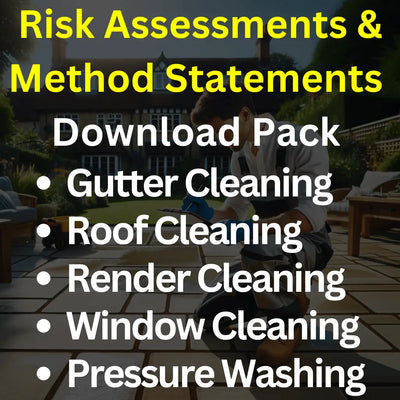
For commercial sites, schools, care homes, retail parks and industrial premises, a written method statement and risk assessment are good practice. SoftWash UK supplies a practical Risk Assessment and Method Statement pack for exterior cleaning, which can help contractors structure safer site procedures and demonstrate professionalism.
2. Remove Loose Debris
Sweep or blow away leaves, mud, loose moss and litter. Organic debris consumes cleaning solution and can prevent proper contact with the algae. Clearing the surface also helps you see the true extent of staining and identify cracks, drainage channels and vulnerable edges.
3. Protect Sensitive Areas
Pre-wet lawns, planting beds and adjacent vegetation before chemical application. Move plant pots, door mats, decorative items and vehicles. Where needed, use temporary barriers, polythene sheeting or absorbent control measures to manage overspray and runoff.
On commercial and facilities sites, use cones, signage and exclusion zones to prevent pedestrians walking across treated or wet surfaces. Algae removal often creates temporary slip risks, even before the surface is fully rinsed.
4. Select the Correct Cleaning Solution
For algae removal, professional softwashing often uses sodium hypochlorite-based solutions, biocidal treatments or specialist exterior cleaning products depending on the surface and objective. Always follow the product label, safety data sheet and relevant UK best practice.
SoftWash UK offers a range of professional soft wash chemicals for exterior cleaning applications. For contractors working with organic growth, sodium hypochlorite for soft washing may be appropriate when used responsibly, correctly diluted and applied by trained or competent users. It is important to understand that stronger is not automatically better. The right concentration, dwell time, surfactant and rinse procedure usually produce a safer and more consistent result than over-applying chemical.
5. Add a Suitable Surfactant Where Appropriate
A surfactant helps the solution wet the surface evenly, cling for longer and penetrate biofilm more effectively. This is particularly useful on sloped driveways, dense concrete, textured paving and areas where algae forms a slippery film.
A product such as Clever Wash Surfactant can assist with contact time and coverage when used as directed. In the real world, better wetting often means less wasted solution and fewer missed patches, especially on uneven block paving or rough concrete.
6. Apply at Low Pressure
Apply the treatment evenly using suitable softwashing equipment, a low-pressure applicator, pump sprayer or controlled dosing system. Avoid misting in windy conditions. Work methodically from the highest point to the lowest point on sloped driveways, and avoid letting product pool unnecessarily.
For larger commercial sites, professional application equipment provides better consistency, productivity and control. SoftWash UK supplies soft washing equipment designed for controlled chemical application, which can be useful when treating driveways, paths, car parks and other exterior hard surfaces.
7. Allow Controlled Dwell Time
Dwell time is the period the solution remains active on the surface. Most algae treatments need time to work. If you rinse too quickly, the surface may look partially clean but spores and biofilm can remain.
Do not allow the surface to dry out completely unless the product instructions allow it. In warm or windy conditions, monitor the area closely and reapply lightly if needed. On vertical edges, drainage channels and porous joints, check for uneven absorption.
8. Agitate Stubborn Areas
Use a stiff broom or rotary brush where algae is thick, slippery or embedded in textured surfaces. Agitation improves contact and helps lift biofilm. Avoid wire brushes on surfaces that can scratch or leave metal marks, especially natural stone and resin-bound materials.
9. Rinse, Pressure Wash or Leave as Directed
Some treatments require rinsing, while others are designed to be left to weather over time. Where pressure washing is used, keep the pressure appropriate to the surface. Use a flat surface cleaner where possible on large concrete or block paving areas to avoid zebra striping and wand marks.
Control runoff carefully. Do not discharge contaminated water or chemical runoff into surface water drains, ponds, streams or sensitive areas. On commercial sites, consider containment, dilution, neutralisation and disposal requirements as part of the job planning.
10. Carry Out a Final Safety Check
Before leaving site, check for slippery patches, residue, ponding water, overspray marks and accessible chemical containers. Remove signage and barriers only when the area is safe to use. For facilities managers, document the work completed, products used, weather conditions and any follow-up recommendations.
How to Prevent Algae Coming Back Quickly
Algae prevention is about reducing moisture, improving airflow and treating remaining spores. No driveway stays algae-free forever in the UK climate, but good maintenance can significantly extend the clean period.
Practical prevention measures include:
- Trim back hedges, trees and overhanging vegetation to increase sunlight and airflow
- Clear leaves and organic debris regularly, especially in autumn
- Improve drainage where water sits for long periods
- Use a biocidal maintenance treatment following heavy cleaning where suitable
- Avoid leaving soil, compost, grass cuttings or wet mats on the driveway
- Set a scheduled maintenance programme for commercial properties and high-traffic sites
For contractors, a maintenance plan can be more valuable to clients than a one-off clean. A light treatment once or twice a year is often safer, quicker and more cost-effective than allowing the driveway to become heavily contaminated again.
Common Mistakes When Removing Driveway Algae
Using Too Much Pressure
Many damaged driveways have not been ruined by algae; they have been ruined by over-aggressive cleaning. Turbo nozzles and narrow jets can cut lines into concrete, disturb block paving, damage tarmac and scar resin-bound surfaces. Pressure should be controlled, not used as a substitute for correct chemistry.
Assuming All Green Staining Is the Same
Green algae, moss, lichen, weeds, oil contamination, tannin staining and mineral deposits may need different treatments. If a stain does not respond as expected, stop and reassess rather than applying stronger chemicals at random.
Mixing Chemicals
Never mix sodium hypochlorite with acids, descalers, rust removers or unknown chemicals. Dangerous gases can be released. Keep chemicals in labelled containers, follow safety data sheets and store products securely away from children, pets and incompatible substances.
Allowing Chemical to Dry on Sensitive Surfaces
Drying can increase the risk of marks, uneven results or damage to adjacent materials. Work in manageable sections, avoid hot direct sun where possible and keep control of dwell time.
Ignoring Runoff
Runoff is one of the most important practical issues on driveway cleaning jobs. A sloped driveway can carry chemical solution towards lawns, drains, roads or neighbouring properties. Plan water flow before application, not after a problem occurs.
Skipping PPE and Site Controls
Professional algae removal may involve slippery surfaces, chemical exposure, hoses, pressure equipment and public access risks. Suitable PPE may include chemical-resistant gloves, eye protection, protective clothing and appropriate footwear. For larger jobs, signage and exclusion barriers are essential.
When Are Specialist Stain Removers Needed?
Algae removal products are designed for biological growth. They are not the correct solution for every driveway stain. Oil, rust, leaf tannins, tyre marks and cement residues may need separate diagnosis and specialist products.
| Problem | Typical Appearance | Likely Treatment Approach |
|---|---|---|
| Algae | Green film, slippery surface, often shaded or damp | Softwash treatment, controlled dwell, rinse or weathering |
| Moss | Thicker green clumps in joints and edges | Manual removal plus biocidal treatment |
| Oil staining | Dark patches where vehicles park | Degreasing or specialist oil stain treatment |
| Rust staining | Orange or brown marks from metal, fertiliser or irrigation | Specialist rust remover matched to the surface |
| Lichen | Black, white or grey spots with root-like attachment | Softwash treatment, longer dwell or repeat treatment |
If oil staining is present alongside algae, treat it separately rather than expecting an algae remover to do everything. For example, Grenade Driveway Oil Stain Remover is designed for oil contamination, which is a different problem from green biological growth.
Safety, Compliance and Best Practice for UK Contractors
Driveway algae removal may look straightforward, but professional work requires safe systems and competent decision-making. Contractors should consider COSHH assessment, PPE, chemical storage, manual handling, environmental protection, public liability, equipment inspection and site-specific RAMS.
Important best-practice points include:
- Read and follow the product label and safety data sheet before use
- Carry clean water for emergency rinsing and plant protection
- Prevent unauthorised access to treated areas
- Avoid chemical application in high winds, heavy rain or freezing conditions
- Never apply treatments where runoff cannot be controlled
- Use only properly labelled containers and compatible application equipment
- Train staff before allowing them to handle chemicals or pressure washing equipment
For those building a professional exterior cleaning service, formal education can reduce costly mistakes. The SoftWash UK Soft Wash Training Course covers practical application, chemical handling, surface assessment and safer working methods, helping contractors move beyond guesswork and into consistent, professional results.
Can You Remove Algae From a Driveway Without Pressure Washing?
Yes, in many cases algae can be removed or controlled without pressure washing. A suitable softwash treatment can kill and loosen algae, which then rinses away or breaks down naturally through weathering. This is particularly useful on surfaces where high pressure could cause damage, such as older tarmac, resin-bound driveways, fragile pointing or delicate stone.
However, if the driveway also has heavy mud, compacted dirt, deep grime or loose moss, some level of mechanical removal may be needed. This could be sweeping, brushing, low-pressure rinsing or controlled pressure washing depending on the surface.
A good practical rule is this: use chemistry to deal with the organic growth and use mechanical cleaning only where it is needed to remove physical soiling.
How Long Does It Take to Remove Algae From a Driveway?
Light green algae can often be visibly improved within minutes to hours when treated correctly, although full weathering may take longer. Heavier growth, shaded areas and porous surfaces may need repeat treatment or a combined clean and post-treatment approach.
On a typical domestic driveway, a professional contractor may spend one to three hours depending on size, access, preparation, dwell time, rinsing and re-sanding requirements. Larger facilities, car parks and commercial entrances require more planning because pedestrian management, drainage control and phased access become more important.
Frequently Asked Questions
What is the best way to remove algae from a driveway?
The best method is usually a controlled softwash treatment, followed by rinsing or pressure washing where required. Softwashing treats the organic growth rather than simply removing the visible green film. On heavily soiled block paving or concrete, pressure washing may be used alongside a post-treatment to slow regrowth.
Will pressure washing alone remove algae?
Pressure washing can remove visible algae, but it may not kill the spores or biofilm left in pores, joints and textured areas. This is why algae often returns quickly after pressure washing alone. A suitable post-treatment can improve longevity.
Is algae on driveways dangerous?
Yes, algae can be a slip hazard, especially on shaded or damp driveways, ramps, paths and commercial entrances. Facilities managers should treat algae as a safety issue, not just an appearance problem.
Can sodium hypochlorite be used on driveways?
Sodium hypochlorite can be used for exterior softwashing by competent users when it is correctly diluted, applied responsibly and suitable for the surface. It should never be mixed with incompatible chemicals, and runoff, PPE, vegetation protection and safety data sheets must be considered.
How do I stop algae growing back on block paving?
Improve drainage, reduce shade, sweep regularly and consider a maintenance biocide or softwash treatment. After pressure washing block paving, re-sand joints once dry. Open or empty joints hold water and debris, which encourages regrowth.
Can I treat algae in winter?
Yes, but results may be slower in cold conditions and surfaces can remain wet for longer. Avoid application during freezing temperatures, heavy rain or when runoff cannot be controlled. Slip risk management is especially important in winter.
Will algae remover damage plants?
Some cleaning solutions can damage plants if used carelessly. Pre-wet vegetation, control overspray and runoff, rinse plants after nearby treatment and follow the product instructions. On sensitive sites, additional protection or alternative methods may be needed.
Conclusion: Treat the Cause, Not Just the Green Staining
Removing algae from a driveway is not just about making the surface look cleaner on the day. The best results come from identifying the surface, choosing the right treatment, controlling dwell time, protecting the surrounding area and using pressure only where it is genuinely needed.
For UK contractors and property maintenance professionals, softwashing provides a practical way to treat algae at source, reduce unnecessary surface damage and deliver more reliable results for clients. For serious DIY users, the same principles apply: assess first, work safely, follow product instructions and avoid the temptation to use excessive pressure or overly strong chemical mixes.
SoftWash UK supplies professional softwashing chemicals, equipment, safety resources and training for those who want to improve their exterior cleaning knowledge and work to a higher standard. To explore suitable products and further guidance, visit SoftWash UK and continue learning through the Softwashing Knowledge Hub.