How to Start a Softwashing Business in the UK
To start a softwashing business in the UK, you need more than a pump, a tank and a few chemicals. You need practical softwash training, suitable insurance, compliant chemical handling procedures, reliable equipment, clear pricing, risk assessments, and a realistic plan for finding profitable work. Softwashing can be an excellent add-on for window cleaners, pressure washing contractors, roof cleaners, property maintenance firms and facilities teams, but it must be done safely, professionally and within UK best practice.
In simple terms, a successful softwashing business is built on four foundations: correct knowledge, safe chemical application, dependable systems and repeatable sales processes. If any one of those is missing, you can quickly run into problems such as property damage, poor results, customer complaints, unsafe working practices or underpriced jobs.
This guide explains how to set up a softwashing business properly, what equipment and chemicals you may need, how to price work, what mistakes to avoid and where professional training fits in. It is written for UK exterior cleaning contractors, property maintenance professionals, facilities managers and serious DIY users who want to understand what is involved before investing.
What Is a Softwashing Business?
A softwashing business provides exterior cleaning using low-pressure application equipment and specialist cleaning chemistry to remove or treat organic contamination such as algae, lichen, moss, mould, mildew and biofilm. Unlike pressure washing, which relies mainly on mechanical force, softwashing relies on the correct chemical solution, dwell time and controlled rinsing or natural weathering.
Typical softwashing services include:
- Render cleaning on K Rend, silicone render, monocouche and painted exterior walls
- Roof moss treatment and biocide application
- Patio, driveway and paving treatment
- Cladding and industrial unit cleaning
- Commercial building façade maintenance
- Timber, decking and fence cleaning when appropriate chemistry is used
- Preventative biocide treatments for long-term organic growth control
In practice, many contractors combine softwashing with pressure washing, water-fed pole cleaning, gutter clearing, roof cleaning or general property maintenance. This creates a more rounded exterior cleaning business and allows you to choose the safest and most effective method for each surface.
Is Softwashing a Good Business Opportunity?
Softwashing can be a strong business opportunity because many UK buildings suffer from green algae, black mould, red staining, lichen and moss growth. Rendered homes, commercial units, schools, care homes, retail parks and managed properties all need safe exterior cleaning solutions. Facilities managers are often looking for methods that reduce disruption, avoid unnecessary surface damage and extend maintenance cycles.
However, it is not a “buy a kit and make easy money” trade. The profitable contractors are usually the ones who understand surfaces, chemical compatibility, plant protection, COSHH requirements, customer expectations and quoting. The work can be highly rewarding, but it requires professionalism.
If you are still deciding whether this route suits you, SoftWash UK’s guide on how to become a softwash contractor is a useful next step, especially if you are moving from window cleaning, pressure washing or general maintenance into chemical-based exterior cleaning.
Step-by-Step: How to Start a Softwashing Business
1. Learn the Method Before Buying Everything
The first step is to understand what softwashing is, when it is suitable and when it is not. A common beginner mistake is to assume that softwashing simply means spraying sodium hypochlorite on everything. That is not professional softwashing.
You need to understand:
- Different forms of organic growth and how they respond to treatment
- Surface types including render, stone, brick, concrete, roof tile, timber, plastic and metal
- Chemical selection, dilution, dwell time and rinsing requirements
- Plant, pond, lawn and watercourse protection
- PPE, COSHH, SDS sheets and safe transport
- Access methods, working at height and public safety
- How to explain realistic results to customers
Professional training reduces costly trial-and-error. SoftWash UK provides practical education through its Soft Wash Training Course, and the Knowledge Centre article on CPD certified softwash training explains why structured learning matters for contractors who want to work safely and build credibility.
2. Decide Your Business Model and Target Market
Before investing heavily, decide what kind of work you want to target. Domestic render cleaning and roof treatments are very different from commercial façade cleaning or facilities maintenance contracts.
| Market | Typical Work | Advantages | Considerations |
|---|---|---|---|
| Domestic homeowners | Render cleaning, patios, driveways, roof treatments | Good entry point, local marketing works well | Customers may need education on process and expectations |
| Commercial properties | Cladding, façades, signage areas, external walls | Larger jobs and repeat maintenance opportunities | Often requires RAMS, insurance checks and site procedures |
| Facilities management | Planned exterior maintenance programmes | Recurring work and strong long-term relationships | Higher compliance and documentation expectations |
| Property maintenance add-on | Softwashing alongside repairs, painting or cleaning | Useful upsell to existing customers | Requires clear separation of cleaning and repair scopes |
If you already have a customer base, softwashing may be easier to introduce as an additional service. Window cleaners can offer render and fascia cleaning. Pressure washing contractors can add biocide treatments and low-pressure façade cleaning. Property maintenance firms can offer softwashing before repainting or building inspections.
3. Work Out Your Start-Up Costs
The cost to start a softwashing business depends on whether you are beginning from scratch or adding softwashing to an existing exterior cleaning setup. A basic entry-level setup may be modest, but a professional commercial-ready system with training, PPE, tanks, pumps, reels, chemical storage and documentation will cost more.
Typical start-up costs may include:
- Training and technical education
- Softwash pump, hoses, reels and spray equipment
- Water-fed pole adaptors or low-pressure application tools
- Chemicals, surfactants and specialist stain removers
- PPE including gloves, eye protection, protective clothing and suitable footwear
- Insurance and business registration costs
- COSHH documentation, SDS sheets, RAMS and site paperwork
- Vehicle setup, storage and spill control materials
- Marketing, website, Google Business Profile and signage
For a more detailed breakdown, read SoftWash UK’s Knowledge Centre guide on the cost to start a softwashing business. It will help you separate essential purchases from nice-to-have extras.
4. Choose Professional Softwashing Equipment
Your equipment should match the work you intend to do. A contractor cleaning small domestic render elevations may not need the same system as a company treating large commercial cladding or multi-building sites.
Common equipment includes:
- Low-pressure softwash pump system
- Chemical-resistant hose and fittings
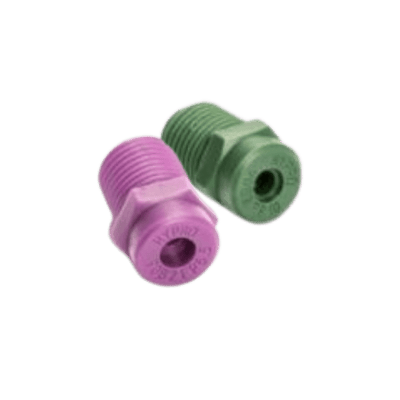
- Spray lances, nozzles and application tools
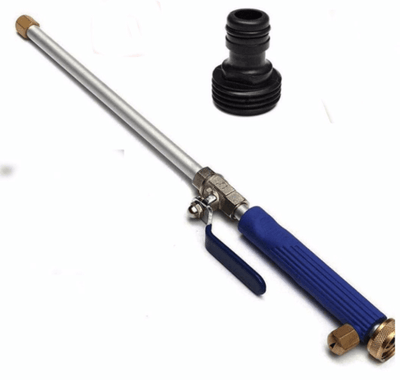
- Water-fed pole softwash attachments for safer reach where appropriate
- Water tank and chemical storage containers
- Measuring containers and dilution control equipment
- PPE and spill response kit
- Warning signage, cones and exclusion zone equipment
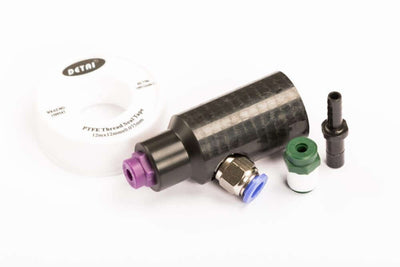
SoftWash UK supplies a range of soft washing equipment designed for professional exterior cleaning. When choosing equipment, look for chemical compatibility, ease of flushing, controlled application and reliability. Cheap parts that fail on-site can cost more in lost time and customer confidence than you saved at purchase.
5. Understand Chemicals and Their Correct Use
Softwashing chemicals are tools, not shortcuts. The right product depends on the surface, the contamination, the desired outcome and the level of risk. Common chemical categories include oxidising cleaners, biocides, surfactants, stain removers and specialist restorative products.
For example, sodium hypochlorite is widely used in exterior cleaning for organic staining, but it requires careful dilution, PPE, plant protection, controlled application and responsible rinsing. Quaternary ammonium-based biocides are often used for longer-term control of organic growth, particularly where a slower weathering process is acceptable. Specialist products may be needed for rust, oil, tannin, lead staining or timber brightening.
SoftWash UK’s range of professional soft wash chemicals includes products for different exterior cleaning scenarios. Always read the product label, safety data sheet and technical guidance before use. Never mix chemicals unless the manufacturer’s instructions specifically allow it.
Legal, Insurance and Compliance Essentials
Insurance for Softwash Contractors
Softwashing involves working with chemicals, customer property, public areas and sometimes height. Standard public liability insurance may not automatically cover softwashing, roof cleaning, chemical application or work at height. You must tell your insurer exactly what services you offer.
Consider discussing the following with your broker:
- Public liability insurance
- Employers’ liability insurance if you employ staff
- Treatment risk cover for damage to surfaces being worked on
- Pollution or environmental liability where relevant
- Use of chemicals and biocides
- Roof work or working at height exclusions
- Commercial site requirements
SoftWash UK has a useful Knowledge Centre guide on softwash contractor insurance, which is worth reading before quoting larger jobs or commercial sites.
COSHH, SDS and RAMS
In the UK, contractors using cleaning chemicals must consider COSHH, product safety data sheets, risk assessments and method statements. These are not just paperwork exercises. They help you identify real hazards before you arrive on site.
A professional softwashing RAMS document should cover:
- Site hazards and access restrictions
- Chemical handling and dilution procedure
- PPE requirements
- Plant and surface protection
- Public, customer and pet safety
- Run-off control and environmental protection
- Emergency procedures, spill response and first aid
- Equipment setup, flushing and clean-down
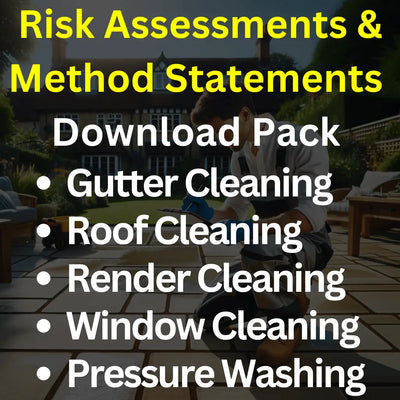
For contractors who need a practical starting point, the Risk Assessment and Method Statement RAMS Pack for Exterior Cleaning can help structure professional documentation. For deeper compliance learning, the HSE Soft Washing Full Collection is useful for understanding safety expectations and chemical handling responsibilities.
How to Price Softwashing Work
Pricing softwashing is not just about square metre rates. A small awkward job can take longer and carry more risk than a large simple wall. Experienced contractors price for time, complexity, access, chemical use, risk, travel, preparation and clean-down.
Factors That Affect Price
- Surface type and condition
- Level of organic contamination
- Access requirements, including height and obstacles
- Need for scaffolding, towers or MEWPs
- Plant protection and water management
- Whether rinsing is required
- Customer expectations and desired finish
- Travel time and setup time
- Commercial documentation requirements
As a rule, do not price from photographs alone unless the job is very straightforward and low risk. A site visit helps you check water access, drainage, delicate surfaces, neighbouring properties, ponds, plants, electrical points, painted finishes and previous coatings.
Example Pricing Framework
| Pricing Element | What to Consider |
|---|---|
| Labour | Time on site, setup, application, dwell management, rinsing and clean-down |
| Chemicals | Product cost, concentration, wastage, surfactant use and specialist treatments |
| Access | Ladders, poles, scaffold, towers, MEWP hire or additional staff |
| Risk | Delicate surfaces, nearby plants, public areas, overspray risk and run-off control |
| Overheads | Insurance, vehicle, equipment maintenance, training, admin and marketing |
| Profit | Margin needed to build a sustainable business, not just cover the day’s work |
The biggest pricing mistake is charging like a labourer while carrying the responsibility of a specialist contractor. If you invest in training, insurance, compliant systems and professional equipment, your pricing should reflect that standard.
Marketing a Softwashing Business
Softwashing is still not fully understood by many customers, so your marketing needs to educate as well as sell. Show the problem, explain the process and set realistic expectations. Before-and-after photos are powerful, but they should be honest and representative.
Marketing Channels That Work Well
- Google Business Profile with local service areas
- Before-and-after project galleries
- Short educational videos explaining algae, render staining and roof treatments
- Local SEO pages for render cleaning, roof cleaning and exterior cleaning
- Partnerships with property managers, estate agents and maintenance firms
- Follow-up reminders for biocide retreatment or annual exterior maintenance
- Commercial capability documents for facilities managers
For ongoing business knowledge, the softwashing training and business hub brings together useful guidance for contractors who want to develop both their technical skills and commercial understanding.
What to Say to Customers
Clear communication prevents complaints. Explain whether the job is a clean, a treatment or both. Some biocide treatments continue working over weeks or months as weather breaks down dead growth. Other cleaning methods provide a more immediate visual result. Customers should understand what they are paying for before work begins.
Useful phrases include:
- “This method uses low pressure to reduce the risk of surface damage.”
- “Some staining may lighten over time after treatment rather than disappear immediately.”
- “We will protect plants and rinse sensitive areas before and after application.”
- “This surface is weathered, so cleaning will improve appearance but may not restore it to new condition.”
Common Mistakes When Starting a Softwashing Business
Using Too Much Pressure
Softwashing is not pressure washing with chemicals added. High pressure can scar render, force water behind cladding, damage pointing, lift coatings and break fragile tiles. Use low pressure where softwashing is suitable and reserve pressure washing for surfaces that can tolerate it.
Assuming One Chemical Does Everything
No single product solves every exterior cleaning problem. Organic staining, rust, oil, tannin, efflorescence and atmospheric pollution may require different approaches. Misdiagnosis wastes time and risks damage.
Underestimating Plant Protection
Plants, lawns and hedges are often more vulnerable than the wall you are cleaning. Pre-wetting, controlled application, catchment, rinsing and neutralisation procedures may all be necessary depending on the product and site.
Skipping Test Patches
Test patches help identify surface sensitivity, previous coatings, unexpected reactions and likely results. This is especially important on coloured render, painted surfaces, timber, natural stone and older buildings.
Working Without Proper Documentation
Domestic customers may not always ask for RAMS, COSHH or SDS information, but commercial clients often will. Having documentation ready makes you look professional and helps you work more safely.
Overpromising Results
Softwashing can deliver excellent results, but it is not magic. Permanent staining, failed render, oxidised coatings, damaged paint, ingrained pollution and contaminated porous surfaces may not return to an as-new finish. Honest expectations build trust.
Softwashing Myths New Contractors Should Ignore
Myth: Softwashing Is Always Safer Than Pressure Washing
Softwashing can be safer for many delicate surfaces because it uses low pressure, but chemical risk must still be managed. The safest method is the one selected after assessing the surface, contamination, surroundings and access.
Myth: You Do Not Need Training if You Have Exterior Cleaning Experience
Pressure washing experience is useful, but chemical-based cleaning introduces different risks. Dilution, dwell time, compatibility, vegetation protection and COSHH are specialist areas. Training helps contractors avoid expensive mistakes.
Myth: Domestic Work Does Not Need Professional Standards
A domestic driveway or rendered house can still involve pets, children, ponds, plants, neighbours, public footpaths, electrical points and expensive finishes. Professional standards apply on every job.
Myth: The Cheapest Setup Is Best When Starting Out
Keeping costs controlled is sensible, but unreliable pumps, unsuitable hose, poor PPE and inadequate training can quickly cost more than buying properly in the first place.
Safety Best Practice for New Softwashing Businesses
Safety should be built into your workflow from the first enquiry to the final rinse-down. A simple repeatable system reduces risk and helps staff work consistently.
Basic Safe Working Workflow
- Assess the enquiry and identify likely surface, access and chemical risks.
- Visit site where practical and photograph hazards.
- Confirm water access, drainage, plant life, electrical points and public exposure.
- Select the correct method and chemical for the task.
- Prepare RAMS and COSHH documentation where required.
- Set up exclusion zones, signage and PPE before chemical handling.
- Pre-wet and protect sensitive areas.
- Apply chemical in a controlled manner using suitable low-pressure equipment.
- Monitor dwell time and prevent drying where inappropriate.
- Rinse, neutralise or leave to weather only where the product guidance and method allow.
- Flush equipment and leave the site safe, tidy and documented.
If you are serious about professional development, the SoftWash UK Podcast is also worth following for industry discussion, practical business insight and ongoing education from people involved in softwashing and exterior cleaning.
What Should You Buy First?
New contractors often want a complete shopping list, but the right purchases depend on your target jobs. A sensible starting position is to buy what allows you to work safely, learn properly and complete common jobs without overcommitting cash.
| Priority | Recommended Focus | Why It Matters |
|---|---|---|
| First | Training, PPE and safety documentation | Reduces mistakes and helps you understand the work before scaling |
| Second | Reliable low-pressure application equipment | Gives controlled delivery and professional results |
| Third | Core cleaning chemicals and surfactants | Covers common organic staining and exterior cleaning tasks |
| Fourth | Specialist stain removers | Useful once you understand specific problems such as rust, oil or tannin |
| Fifth | Marketing assets and job management systems | Helps you generate leads, quote consistently and follow up professionally |
SoftWash UK is a professional supplier of softwashing chemicals, equipment, training and educational resources. The best approach is usually to start with training and a targeted setup, then expand your equipment and chemical range as your work type becomes clear.
Frequently Asked Questions
How much money do I need to start a softwashing business?
Start-up costs vary depending on whether you already own a vehicle, pressure washing equipment or water-fed pole system. You should budget for training, insurance, PPE, softwash equipment, chemicals, documentation and marketing. A low-cost setup may get you started on small jobs, but a professional system suitable for varied domestic and commercial work will require a more considered investment.
Do I need training to start softwashing?
Training is strongly recommended. Softwashing involves chemical handling, surface assessment, dilution, plant protection, PPE, COSHH and environmental awareness. Even experienced exterior cleaners benefit from structured softwash training because the risks differ from pressure washing or window cleaning.
What insurance does a softwashing business need?
Most contractors should consider public liability insurance, treatment risk cover, employers’ liability if they have staff, and cover for chemical application, roof work or working at height where relevant. Always explain your exact services to your insurer so exclusions do not leave you exposed.
Can I add softwashing to my pressure washing business?
Yes, many contractors successfully add softwashing to an existing pressure washing business. It can help you clean delicate surfaces, offer longer-lasting organic growth control and provide a more complete exterior cleaning service. However, you still need training, chemical knowledge, PPE, documentation and suitable low-pressure application equipment.
Is softwashing suitable for roofs?
Softwashing and biocide treatments can be suitable for many roof cleaning projects, but roof work carries additional risks. Access, fragile tiles, working at height, run-off, gutters, gardens and neighbouring properties must be assessed carefully. Do not walk on roofs or apply chemicals without appropriate training, equipment and insurance.
Can serious DIY users start with softwashing?
Serious DIY users can learn about softwashing principles for their own property, but the same safety rules apply. Chemical misuse can damage surfaces, harm plants and create health risks. For larger, higher or more complex jobs, professional training or hiring a trained contractor is usually the safer option.
Conclusion: Build the Business Properly From Day One
Starting a softwashing business in the UK can be a strong opportunity for exterior cleaning contractors, property maintenance professionals and facilities service providers. The demand is real, especially for render cleaning, roof treatments, cladding cleaning and planned exterior maintenance. But long-term success depends on doing the basics properly.
Invest in training before taking on risky work. Choose equipment that gives controlled low-pressure application. Use professional chemicals responsibly and only after reading the relevant product guidance. Put insurance, COSHH, RAMS and safe working systems in place. Price for risk, skill and overheads rather than simply chasing square metre rates.
If you want to build a professional softwashing business, SoftWash UK can support you with industry education, training, equipment, chemicals and compliance resources. Explore the SoftWash UK Knowledge Centre, review the training options and build your setup around safe, responsible and profitable exterior cleaning practice.
To take the next step, visit SoftWash UK for professional softwashing supplies, practical training and trusted guidance for UK exterior cleaning contractors.