How to Win More Exterior Cleaning Work
To win more exterior cleaning work in the UK, you need to do three things consistently: present yourself as a trusted specialist, quote work professionally, and deliver results that customers can see, understand and recommend. The contractors who grow are rarely the cheapest. They are usually the ones who explain the right cleaning method, assess risk properly, communicate clearly, turn up when promised, and leave the property looking noticeably better without damaging surfaces.
For exterior cleaning contractors, property maintenance professionals, facilities managers and serious DIY users looking to build a more professional operation, winning more work is not just about advertising. It is about combining technical knowledge, safe working practice, reliable systems, good photographs, correct chemical use, and customer education.
In practical terms, more work comes from better positioning. If you can explain when to use pressure washing, when to use softwashing, how long results are likely to last, what safety controls are in place, and why your approach protects the building, you immediately stand apart from “man with a pressure washer” operators. This article explains how to build that advantage properly.
Understand What Customers Are Actually Buying
Most customers are not really buying “exterior cleaning”. They are buying outcomes. A homeowner wants kerb appeal, a cleaner patio, less slippery algae, or a roof that no longer looks neglected. A facilities manager wants reduced slip risk, improved site presentation, a documented process, minimal disruption and confidence that the contractor will not create a problem with chemicals, overspray or damage.
When you understand the outcome, you can sell the correct solution rather than just a square metre rate.
Common customer motivations
- Homeowners: kerb appeal, property value, safer paths, pre-sale presentation, pride in the property.
- Landlords and letting agents: fast turnaround, low complaint risk, reliable scheduling, before-and-after evidence.
- Commercial properties: brand image, entrance safety, planned maintenance, compliance, reduced disruption.
- Facilities managers: risk control, method statements, insurance, documentation, consistency across sites.
- Property maintenance firms: dependable subcontractors, predictable pricing, technical ability and tidy working.
The more closely your quote, website and conversations match these motivations, the easier it is to win the job without racing to the bottom on price.
Position Yourself as a Specialist, Not a General Cleaner
The exterior cleaning market is crowded. Many contractors advertise driveway cleaning, patio cleaning, roof cleaning, render cleaning, cladding cleaning and gutter clearing using similar wording. The easiest way to stand out is to demonstrate that you understand surfaces, contamination and cleaning methods.
For example, a specialist does not simply say, “We clean render.” A specialist explains that most render staining in the UK is caused by organic growth such as algae, lichen and biofilm, and that aggressive pressure can damage delicate finishes. They can explain when controlled softwashing is more appropriate than high-pressure cleaning.
If you are new to this area, SoftWash UK’s Knowledge Centre guide on What Is Softwashing is a useful foundation for understanding how low-pressure chemical cleaning is used on exterior surfaces.
How specialist positioning helps you win work
- Customers see you as a problem solver rather than a commodity.
- You can justify better pricing because you explain the method and the risk.
- You are more likely to win commercial and maintenance contracts.
- You reduce callbacks by choosing the correct cleaning process.
- You build trust with surveyors, estate agents, landlords and facilities teams.
Choose and Explain the Right Cleaning Method
One of the biggest ways to win more exterior cleaning work is to explain the difference between cleaning methods in plain English. Customers often assume pressure washing is the answer to every exterior surface. Experienced contractors know that is not true.
Pressure washing can be excellent for hard surfaces such as many concrete driveways, block paving and some stone surfaces when used correctly. Softwashing is often more suitable for organic staining on render, roofs, cladding, painted surfaces and areas where pressure could cause damage or force water into the building fabric.
For customers comparing options, link them to an educational explanation such as softwashing vs pressure washing. This helps them understand why the right method matters and positions you as someone who chooses the safest effective process.
| Cleaning method | Best suited to | Main advantage | Risk if used incorrectly |
|---|---|---|---|
| Pressure washing | Concrete, many driveways, some paving, heavily soiled hard surfaces | Fast removal of loose dirt, moss and surface contamination | Surface damage, blown joints, water ingress, striping and etching |
| Softwashing | Render, roofs, cladding, painted surfaces, algae and biofilm staining | Treats organic growth at low pressure and can give longer-lasting results | Chemical misuse, plant damage, poor rinsing or inadequate control measures |
| Biocide treatment | Roofs, walls, paths and surfaces needing residual treatment | Helps control regrowth over time when correctly applied | Slow visual results if customer expectations are not managed |
| Manual removal | Gutters, roof moss removal, delicate areas, detail work | Controlled physical removal with reduced surface impact | Labour intensive and unsafe without proper access planning |
Build a Quoting Process That Creates Confidence
Many contractors lose work because their quoting process feels vague. A quick text saying “£250 cash” may win small domestic jobs, but it rarely builds a professional pipeline. A structured quote makes the customer feel safe, especially where chemicals, roofs, access equipment or commercial premises are involved.
A practical exterior cleaning quoting process
- Qualify the enquiry: ask what needs cleaning, the surface type, approximate size, access, water supply, drainage, age of staining and any previous cleaning attempts.
- Request photographs: ask for wide shots, close-ups, access points, drainage areas and sensitive features such as ponds, planting, painted surfaces or electrical fittings.
- Assess the surface: identify whether the problem is dirt, algae, lichen, moss, oil, rust, lead staining, tannin, black spot or atmospheric soiling.
- Choose the method: explain whether pressure washing, softwashing, specialist stain removal or a combined approach is required.
- Set expectations: state what will improve immediately, what may weather in over time, and what cannot be guaranteed due to surface condition.
- Document exclusions: mention pre-existing damage, failed coatings, loose pointing, poor drainage, fragile tiles or old render.
- Provide a clear written quote: include scope, method, access requirements, safety considerations, price, VAT status and payment terms.
- Follow up professionally: answer questions and remind the customer of the value, not just the price.
This process may seem slower, but it filters out poor-fit jobs and increases conversion on quality enquiries. It also reduces disputes because the customer knows exactly what is included.
Use Before-and-After Evidence Properly
Before-and-after photographs are one of the strongest sales tools in exterior cleaning. However, they need to be honest, consistent and relevant. A facilities manager looking at cladding cleaning wants to see similar buildings. A homeowner with K-rend staining wants to see render examples, not just a jet-washed patio.
How to take photos that win work
- Take photos from the same angle before and after cleaning.
- Include close-up shots showing algae, lichen, black spot or staining before treatment.
- Show access setup where it demonstrates safe working, without revealing unsafe practice.
- Photograph protection measures such as plant wetting, sheeting or controlled application where appropriate.
- Keep a library by service type: roof cleaning, render cleaning, driveway cleaning, patio cleaning, cladding cleaning and commercial work.
- Ask permission before using customer property images in marketing.
A well-organised portfolio makes quoting easier. When a customer asks, “Can you clean this type of staining?”, you can respond with a similar example and a brief explanation of the method used.
Improve Your Technical Knowledge and Confidence
Customers can tell when a contractor is guessing. If you want to win more profitable exterior cleaning work, invest in understanding surface materials, chemistry, dwell times, dilution, application methods, neutralisation, rinsing and environmental controls.
For example, the ability to explain softwashing chemicals responsibly can reassure customers that you are not simply spraying unknown liquids around their property. It also helps you select suitable products for the task rather than using one approach for every surface.
SoftWash UK supplies professional softwashing chemicals, equipment and training for contractors who want to improve technical standards. If you are moving from pressure washing into chemical cleaning, formal instruction can help you avoid costly mistakes. The Soft Wash Training Course is particularly relevant for contractors who want practical guidance on methods, safety, surface assessment and commercial application.
Skills that help win higher-value work
- Identifying organic growth versus inorganic staining.
- Understanding when not to clean a surface.
- Knowing how to protect plants, metals, glass, coatings and drainage systems.
- Choosing suitable nozzles, pumps, injectors and application equipment.
- Preparing RAMS for commercial work.
- Communicating risks and limitations before starting.
- Pricing for value, not just time on site.
Create Service Packages That Are Easy to Buy
Customers do not always know what they need. A list of individual services can confuse them. Clear packages make buying easier, especially for residential maintenance and small commercial sites.
| Package | Typical customer | What it may include | Why it sells |
|---|---|---|---|
| Kerb Appeal Clean | Homeowners preparing to sell or improve appearance | Driveway, path, front render sections, entrance area | Clear visual improvement with a simple outcome |
| Slip Risk Reduction Visit | Commercial sites, schools, care homes, landlords | Paths, entrances, shaded walkways, algae treatment | Links cleaning to safety and planned maintenance |
| Render Refresh | Homeowners and property managers | Softwash treatment of algae-stained render, low-pressure rinse where suitable | Solves a common UK property problem without aggressive washing |
| Annual Exterior Maintenance Plan | Facilities managers, landlords, estate managers | Scheduled inspections, spot treatments, gutter checks, periodic cleaning | Creates recurring revenue and reduces emergency callouts |
Packages should still be tailored after survey, but they make your marketing clearer. They also help customers understand that exterior cleaning is maintenance, not just a one-off rescue job.
Use Compliance and Safety as a Selling Point
Safety should never be treated as box-ticking. In exterior cleaning, it directly affects customers, the public, staff, plants, pets, drainage systems and the building itself. Good safety practice also helps you win commercial contracts because facilities managers need evidence that you can operate responsibly.
At a minimum, contractors should consider working at height, slips and trips, chemical handling, COSHH, PPE, public exclusion zones, electrical hazards, manual handling, weather conditions, overspray, runoff and environmental protection.
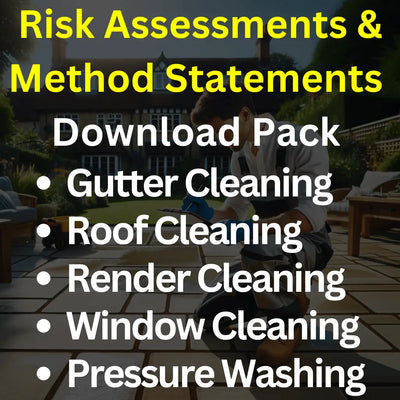
For commercial and higher-risk work, a professional Risk Assessment and Method Statement Pack for exterior cleaning can help you structure documentation and demonstrate that you take safe systems of work seriously.
Safety measures customers notice
- Clear cones, barriers and signage around wet or treated areas.
- Protection for lawns, borders, ponds and sensitive surfaces.
- Correct PPE for chemical handling and application.
- Careful hose management to reduce trip hazards.
- Weather checks before roof, chemical or access work.
- Written method statements for commercial sites.
- Clear communication about keeping children, pets and staff away from work zones.
Responsible contractors also understand that not every job is suitable. High winds, poor access, damaged surfaces, uncontrolled drainage or fragile building materials may mean postponing, changing the method or declining the work.
Invest in Reliable Equipment and Professional Materials
Winning more work is not just about having more tools. It is about having reliable equipment that allows you to work safely, consistently and efficiently. Poor equipment causes delays, uneven application, overuse of chemicals, breakdowns and customer frustration.
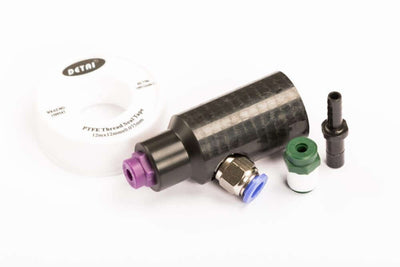
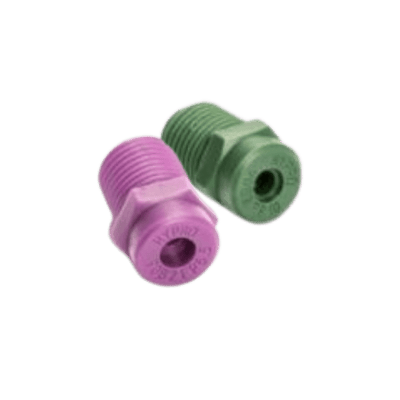
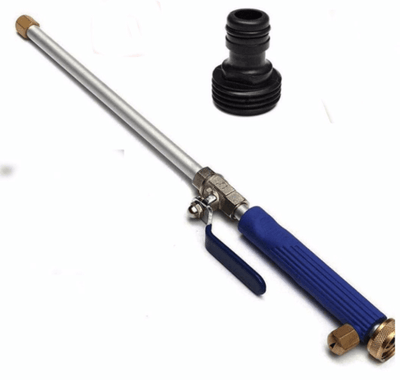
For softwashing, contractors need to consider pumps, chemical-resistant hose, nozzles, water-fed pole compatibility, dosing systems, PPE, measuring equipment, storage, transport and rinsing capability. For contractors building their setup, SoftWash UK’s range of soft washing equipment can help create a more controlled and professional application system.
The same applies to materials. Using suitable professional softwash chemicals helps contractors match the product to the job, provided all label instructions, safety data sheets, dilution guidance and legal responsibilities are followed.
Equipment choices that affect conversion and profitability
- Application control: consistent spray patterns improve finish and reduce waste.
- Reach: water-fed poles and suitable nozzles can reduce ladder use where appropriate.
- Reliability: fewer breakdowns mean fewer cancelled jobs.
- Professional presentation: tidy hose reels, labelled chemical containers and clean vehicles build confidence.
- Speed: efficient setup and pack-down improves daily productivity.
Explain Longevity and Maintenance Honestly
Customers often ask, “How long will it stay clean?” A poor answer can cost you the job or lead to unrealistic expectations. The honest answer depends on the surface, location, shade, moisture, surrounding vegetation, airflow, previous contamination and the cleaning method used.
Softwashing can often deliver longer-lasting results than simple pressure washing where organic growth is the main issue, because it treats the contamination rather than only blasting the surface appearance. For a fuller explanation, SoftWash UK’s guide on how long does softwashing last is useful for educating customers before they commit.
A practical way to set expectations
Instead of promising a fixed number of years, explain the factors that influence regrowth:
- North-facing and shaded elevations usually recolonise faster.
- Overhanging trees increase moisture and organic debris.
- Poor drainage encourages algae and moss.
- Porous surfaces hold moisture longer than dense surfaces.
- Regular maintenance usually costs less than heavy restoration cleaning.
This type of explanation builds trust because it sounds like real experience, not a sales script.
Improve Your Local SEO and Online Visibility
Many exterior cleaning jobs start with a local search: “render cleaning near me”, “driveway cleaning in Leeds”, “roof cleaning contractor Manchester”, or “commercial pressure washing Birmingham”. If your business is not visible where customers are searching, you are relying too heavily on referrals and social media.
Local SEO actions that help exterior cleaning contractors
- Fully complete your Google Business Profile with services, areas covered, opening hours and photographs.
- Add real project photos regularly, labelled by service and location where appropriate.
- Ask satisfied customers for specific reviews mentioning the service, such as “softwashed our render” or “cleaned our block paving”.
- Create website pages for your main services, not just one generic cleaning page.
- Write location-focused content where you genuinely operate.
- Add FAQs that answer common customer questions about safety, chemicals, access, drying times and results.
- Make contact details clear on every page.
A contractor with genuine case studies, service-specific pages, clear photographs and strong reviews will often outperform a cheaper competitor online.
Build Partnerships, Not Just One-Off Leads
Some of the best exterior cleaning work comes through relationships. Estate agents, landlords, facilities managers, roofers, renderers, builders, landscapers, window cleaners and property maintenance firms all encounter dirty exterior surfaces regularly.
Approach these contacts with useful information rather than a generic sales pitch. Show before-and-after examples, explain the surfaces you clean, provide insurance details, and make it easy for them to refer you. For commercial contacts, include your safety documentation, training evidence and a clear service list.
Good referral partners for exterior cleaners
- Window cleaning companies that do not offer softwashing.
- Roofers who find moss or staining but do not clean surfaces.
- Letting agents managing end-of-tenancy property presentation.
- Estate agents preparing homes for sale photography.
- Facilities management companies needing reliable subcontractors.
- Landscapers and driveway installers dealing with aftercare enquiries.
- Builders and renderers asked about stained render months after completion.
Partnership work grows when you make the other professional look good. Be punctual, communicate well and avoid overpromising.
Price for Professionalism, Not Panic
Underpricing is one of the most common reasons exterior cleaning businesses struggle. Low prices may fill the diary, but they leave little room for insurance, training, equipment maintenance, fuel, PPE, chemicals, administration, marketing, tax, downtime and profit.
A professional price should reflect the risk, skill, equipment, materials, access, preparation, protection, cleaning time, rinsing, waste control and customer communication involved.
Pricing factors to include
- Survey and quotation time.
- Travel and setup.
- Surface type and level of contamination.
- Chemical cost and dwell time.
- Access difficulty and working at height considerations.
- Plant, pond, metal and surface protection.
- Water supply and runoff control.
- Waste disposal requirements where relevant.
- Insurance, training and compliance costs.
- Profit margin for business sustainability.
If a customer only wants the cheapest possible price, they may not be the right customer. Strong businesses learn to qualify enquiries and focus on customers who value safe, professional work.
Common Mistakes That Stop Contractors Winning Work
Many exterior cleaning businesses lose jobs before they even start. The problem is often not lack of demand, but avoidable presentation, communication or technical mistakes.
Mistake 1: Selling pressure washing for every surface
High pressure is not always the correct solution. Using it on delicate render, old pointing, fragile roof tiles or coated surfaces can cause damage. Customers increasingly research cleaning methods, so contractors need to explain why they choose one approach over another.
Mistake 2: Quoting without asking enough questions
A price based on one photo can be risky. Hidden access issues, drainage problems, delicate materials and unusual staining can turn a simple job into a costly one. Ask better questions before quoting.
Mistake 3: Using chemicals without proper knowledge
Chemicals must be handled responsibly, with appropriate PPE, dilution control, COSHH awareness, protection measures and reference to safety data sheets. Guesswork can damage surfaces, harm plants and create legal or reputational issues.
Mistake 4: Poor follow-up
Many customers request more than one quote. A polite follow-up after 24 to 48 hours can win work, especially if it answers concerns and reinforces the value of your method.
Mistake 5: Hiding behind vague wording
Statements such as “we clean anything” or “best prices guaranteed” do not build confidence. Specific wording such as “low-pressure render cleaning for algae-stained silicone render” is more useful and more credible.
Myths About Winning Exterior Cleaning Work
Myth: The cheapest quote always wins
Some customers choose the cheapest, but many choose the contractor who feels safest. Clear explanation, insurance, reviews, photographs, documentation and professionalism often beat a low price.
Myth: More advertising automatically means more work
Advertising poor messaging simply wastes money faster. Improve your offer, photos, reviews, quotation process and service pages before spending heavily on ads.
Myth: Commercial work is only for large companies
Smaller contractors can win commercial jobs if they are organised, insured, trained, responsive and able to provide proper documentation. Many facilities teams prefer reliable local specialists.
Myth: Customers do not care about safety
Domestic customers may not ask for RAMS, but they still care about plants, pets, windows, neighbours and damage. Commercial clients absolutely care about safe systems of work.
Step-by-Step Plan to Win More Exterior Cleaning Work
- Define your core services: choose the jobs you want more of, such as render cleaning, roof treatment, driveway cleaning or commercial maintenance.
- Improve your technical knowledge: learn surface identification, cleaning methods, chemical safety and equipment setup.
- Create service-specific proof: build photo libraries and case studies for each type of work.
- Update your website and Google Business Profile: make it obvious what you clean, where you work and how customers can contact you.
- Standardise your quoting process: use checklists so every enquiry is handled professionally.
- Prepare safety documentation: especially if targeting commercial, school, care home or facilities work.
- Build referral relationships: contact estate agents, landlords, window cleaners, roofers and maintenance companies.
- Follow up every quote: answer concerns and remind customers of the benefit of using a trained, insured professional.
- Ask for reviews: request specific feedback after successful jobs.
- Keep learning: listen to industry education such as the SoftWash UK Podcast and continue improving methods, compliance and business systems.
FAQ: Winning More Exterior Cleaning Work
How can I get more exterior cleaning leads?
Improve your local SEO, Google Business Profile, before-and-after photos, customer reviews, referral partnerships and service-specific website pages. Leads increase when customers can clearly see what you clean, where you work, how you work safely and what results you have achieved before.
Should I specialise in softwashing or pressure washing?
Many successful contractors offer both, but they understand when each method is appropriate. Pressure washing is useful for many hard surfaces, while softwashing is often better for organic growth on more delicate surfaces. Being able to advise correctly is more important than promoting one method for every job.
How do I win more commercial exterior cleaning contracts?
Commercial clients usually want reliability, insurance, safety documentation, clear communication and minimal disruption. Prepare RAMS, provide case studies, explain your method, offer planned maintenance schedules and make it easy for facilities managers to assess your professionalism.
What should I include in an exterior cleaning quote?
Include the surface or area to be cleaned, cleaning method, access requirements, protection measures, expected results, exclusions, price, payment terms, timescale and any safety considerations. A clear written quote reduces misunderstandings and makes you look more professional.
Do better chemicals help me win more work?
Professional products can improve consistency when selected and used correctly, but knowledge matters just as much as the chemical. Contractors must understand dilution, dwell time, surface compatibility, PPE, COSHH, plant protection and rinsing requirements. Never use chemicals casually or without reading the relevant safety information.
Is training worth it for exterior cleaning contractors?
Yes, particularly if you are using softwashing methods, working on varied surfaces or targeting commercial work. Training helps reduce mistakes, improves safety, builds confidence and gives you better language to explain your process to customers.
Conclusion: More Work Comes from More Trust
Winning more exterior cleaning work is not about shouting louder than every competitor. It is about becoming easier to trust. Customers choose contractors who explain the problem clearly, recommend the right method, show evidence of previous results, work safely, quote professionally and deliver what they promise.
If you want to grow a sustainable exterior cleaning business in the UK, focus on the fundamentals: technical competence, safe systems of work, strong photographs, local visibility, helpful customer education, reliable equipment and honest communication. These are the things that turn one-off jobs into repeat customers, referrals and commercial opportunities.
SoftWash UK supports contractors and serious users with professional softwashing chemicals, equipment, training and educational resources. To improve your knowledge, upgrade your systems and work more confidently, visit SoftWash UK and explore the training, products and Knowledge Centre resources designed for safe, responsible exterior cleaning.