Choosing the Right Softwashing Equipment
Choosing the right softwashing equipment comes down to matching the system to the work you actually do: the surfaces you clean, the access you need, the chemicals you apply, the flow rate required, and the level of site safety expected by your clients. For most UK exterior cleaning contractors, a good softwash set-up includes a chemical-resistant pump, suitable hose and reels, application lances or softwash nozzles, safe chemical storage, accurate dosing, PPE, and proper documentation such as RAMS and COSHH information.
The best system is not always the biggest or most expensive. A contractor cleaning domestic render, patios and small roofs will need a different arrangement from a facilities team treating cladding, commercial gutters and large elevations. Serious DIY users also need to avoid the common mistake of buying high-pressure washing kit and assuming it is suitable for softwashing. Softwashing relies on controlled low-pressure application, correct chemical choice, dwell time and safe rinsing or weathering, not force.
This guide explains how to choose professional softwashing equipment sensibly, with practical advice for UK contractors, property maintenance professionals, facilities managers and experienced DIY users who want safer, more consistent exterior cleaning results.
What Is Softwashing Equipment?
Softwashing equipment is the specialist kit used to apply cleaning and biocidal solutions at low pressure to exterior surfaces affected by organic growth, staining and atmospheric soiling. Typical softwash applications include render cleaning, roof cleaning, cladding cleaning, patio and driveway treatments, timber cleaning, masonry cleaning and commercial building maintenance.
A professional softwash system usually includes:
- A chemical-resistant 12v, mains-powered, air diaphragm or engine-driven pump
- HDPE chemical tanks or approved containers
- Chemical-resistant hose, seals, fittings and valves
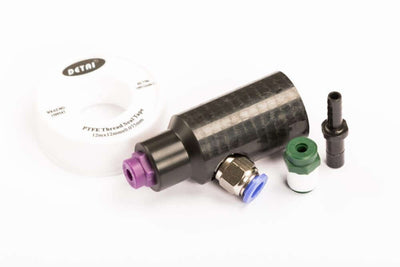
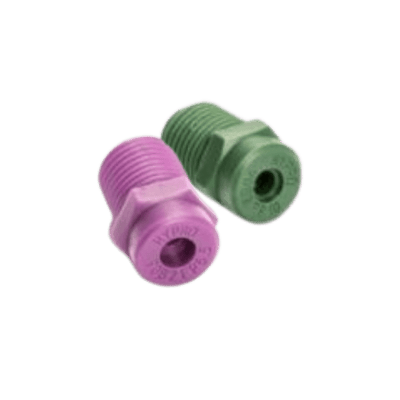
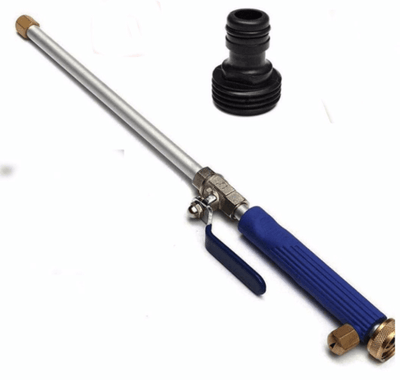
- Softwash lances, trigger guns, nozzles or water-fed pole attachments
- Accurate chemical dosing or proportioning equipment
- PPE, spill control and site safety equipment
- Risk assessments, method statements and product safety information
If you are starting from scratch, SoftWash UK’s Knowledge Centre guide on softwash equipment for beginners is a useful supporting resource because it breaks down the core kit a new contractor normally needs before investing in more advanced systems.
Softwashing Equipment Is Not the Same as Pressure Washing Equipment
One of the most common mistakes in the exterior cleaning industry is treating softwashing as pressure washing with chemicals. In practice, they are very different methods.
| Feature | Softwashing | Pressure Washing |
|---|---|---|
| Main cleaning action | Chemical treatment, dwell time and controlled rinsing | Mechanical force from high-pressure water |
| Pressure level | Low pressure, often similar to a garden hose or controlled pump output | High pressure, often thousands of PSI |
| Best suited to | Render, roofs, cladding, delicate masonry, painted surfaces and biological growth | Hard paving, concrete, some brickwork and robust surfaces |
| Main risk | Incorrect chemical mix, poor containment or insufficient safety controls | Surface damage, water ingress, blown joints or etching |
| Equipment priority | Chemical compatibility, controlled dosing and safe application | Pressure, flow rate and mechanical cleaning performance |
On real jobs, the two methods often complement one another. For example, a heavily soiled block paved driveway may require pressure washing first, followed by a softwash or biocidal treatment to deal with residual organic growth. A painted render elevation, however, may be damaged by aggressive pressure and is usually better suited to a low-pressure softwash approach.
The Main Types of Softwashing Equipment
1. 12v Softwash Pump Systems
12v diaphragm pumps are popular with contractors because they are compact, affordable and easy to use from a van, trailer or trolley system. They are commonly used for domestic render cleaning, smaller roof treatments, patios, walls and general property maintenance work.
Look for chemical-resistant components, enough flow for your application style, and a pressure rating that suits softwashing rather than blasting. In practice, reliability often matters more than headline pressure. A pump that handles softwash solutions without premature seal failure will save time, call-backs and frustration.
2. Trolley and Portable Softwash Systems
Portable systems are useful where vehicle access is restricted, such as rear gardens, courtyards, schools, holiday parks and residential estates. They are also popular with facilities teams that need occasional cleaning capability without fitting out a dedicated van.
The trade-off is capacity. A small trolley can be convenient, but frequent refilling slows work down on larger elevations. Always consider how far you need to move equipment, whether the ground is level, and whether chemicals can be transported safely through occupied areas.
3. Van-Mounted and Trailer-Mounted Systems
Van-mounted softwash systems suit professional contractors who carry out regular exterior cleaning work. They allow larger tanks, hose reels, better organisation and faster set-up on site. Trailer systems can be useful where payload is an issue or where equipment needs to be shared between vehicles.
When choosing a vehicle-mounted system, think about payload, tank baffling, chemical segregation, ventilation, spill containment and hose management. A tidy van is not just about looking professional; it reduces trip hazards, chemical handling time and accidental cross-contamination.
4. Dosing and Injection Equipment
Accurate dosing helps contractors apply cleaning solutions consistently and avoid waste. Some users batch-mix softwash solution in a tank, while others use injectors or proportional dosing systems.
For contractors wanting greater control over chemical application, equipment such as the Clever Injector Dosatron can help manage dosing more accurately when used correctly and in line with the product instructions. This can be particularly useful where repeatable dilution rates and reduced manual handling are important.
5. Poles, Nozzles and Application Tools
Your pump is only part of the system. The delivery end matters just as much. A poor nozzle choice can waste chemical, create drift, slow the job down or leave patchy results.
For many UK contractors, a combination of fan nozzles, adjustable lances and pole-mounted application tools is useful. A water fed pole softwash nozzle can help apply solution to higher areas from the ground, reducing the need for ladders where conditions allow. However, it does not remove the need for proper risk assessment, exclusion zones and control of overspray.
How to Choose the Right Softwashing Equipment for Your Work
Step 1: Identify Your Main Surfaces
Start with the jobs you do most often. Equipment that is ideal for one surface may be inefficient or inappropriate for another.
| Surface or Task | Typical Equipment Considerations | Practical Notes |
|---|---|---|
| Render cleaning | Low-pressure pump, fan nozzles, controlled application, careful rinsing | Avoid forcing water behind render systems or into vents and openings. |
| Roof treatments | Remote application tools, longer hose runs, safe access planning | Working at height must be planned properly. Do not rely on ladders as a default. |
| Cladding and commercial elevations | Higher flow capability, pole systems, access equipment coordination | Consider overspray, public access, drainage and neighbouring surfaces. |
| Patios and driveways | Pre-treatment or post-treatment tools, resistant hose and trigger control | May be combined with pressure washing depending on surface condition. |
| Timber surfaces | Gentle application, specialist chemistry and careful rinsing | Timber can be easily marked or over-treated. Test patches are essential. |
Step 2: Decide Whether You Need Portability or Capacity
A common early decision is whether to buy a compact portable set-up or a larger vehicle-mounted system. There is no single right answer.
- Choose portable equipment if you work in tight-access domestic settings, small sites, courtyards or locations where a van cannot be parked close to the work area.
- Choose van-mounted equipment if you complete regular softwashing jobs, need larger solution volumes, work on commercial sites or want faster set-up and packing down.
- Choose modular equipment if your business covers mixed work and you want the flexibility to remove or reconfigure components.
In practice, many growing contractors start with a well-built portable or compact van system, then add hose reels, dosing equipment and additional tanks once job volume increases.
Step 3: Check Chemical Compatibility
Softwash solutions can be demanding on equipment. Not all pumps, seals, fittings and hoses are suitable for sodium hypochlorite, biocides, surfactants or specialist stain removers. Using the wrong materials leads to leaks, breakdowns and potentially unsafe exposure.
As a rule, check compatibility for:
- Pump diaphragms and seals
- Hose linings
- Trigger guns and valves
- Nozzles and quick-release fittings
- Tank material and lids
- O-rings, gaskets and threaded connections
Avoid using unknown metal fittings, brass components or general garden sprayers unless the manufacturer confirms compatibility with the product being applied. Always read the Safety Data Sheet and product label before use.
Step 4: Match Pump Flow to Application Style
Flow rate affects how quickly you can wet a surface. Too little flow makes large elevations painfully slow. Too much flow can cause run-off, waste chemical and increase risk to surrounding areas.
For domestic render and small maintenance work, moderate flow is often sufficient. For commercial cladding, large roofs or tall elevations, higher flow and longer hose runs may be justified. Remember that long hoses, height and restrictive nozzles can reduce real-world performance.
Do not choose a pump on pressure rating alone. Softwashing is about controlled coverage, not impact force.
Step 5: Plan Hose Length, Reels and Site Layout
Hose management is one of the most overlooked parts of a softwash system. On site, poor hose choice causes delays, trip hazards and accidental contact with treated surfaces.
Consider:
- How far your vehicle can usually park from the work area
- Whether hose will cross public footpaths, driveways or entrances
- How easily the hose can be rinsed after chemical use
- Whether you need separate hose for different chemical types
- How you will prevent kinks and pressure loss
A good hose reel may not look exciting, but it can make a noticeable difference to productivity and professionalism.
Essential Softwashing Equipment Checklist
The following checklist is a practical starting point for contractors and serious DIY users building a safe, functional softwashing set-up.
| Equipment | Why It Matters | Buying Tip |
|---|---|---|
| Chemical-resistant pump | Applies solution at controlled low pressure | Choose proven components, not just the cheapest pump available. |
| Approved chemical tank or container | Stores solution safely during work | Use suitable materials such as HDPE where appropriate. |
| Chemical-resistant hose | Carries solution safely to the application point | Check compatibility and pressure rating. |
| Nozzles and lances | Control spray pattern, reach and coverage | Carry several nozzle options for different surfaces. |
| PPE | Protects the operator from exposure | Include gloves, eye protection, suitable clothing and respiratory protection where required by assessment. |
| Spill kit and rinse water | Helps manage accidental spills or overspray | Keep these accessible, not buried under other kit. |
| RAMS and SDS documents | Supports compliance and client confidence | Keep digital and printed copies available for commercial jobs. |
If you want to compare pumps, nozzles, applicators and accessories, the SoftWash UK soft washing equipment range is a practical place to explore kit designed around professional low-pressure chemical application.
Chemical Storage, Dosing and Application Safety
Equipment choice cannot be separated from chemical safety. Many softwashing products are effective because they are reactive chemicals or biocides. That means they must be handled with care, stored correctly and used according to the label and Safety Data Sheet.
Best practice includes:
- Carrying out a site-specific risk assessment before work starts
- Reading the SDS and product label before mixing or applying any product
- Never mixing incompatible chemicals, especially acids with hypochlorite-based products
- Using measuring and dosing equipment rather than guessing ratios
- Protecting plants, ponds, metals, painted surfaces and sensitive materials
- Controlling run-off and preventing unauthorised access to treated areas
- Rinsing equipment after use according to manufacturer guidance
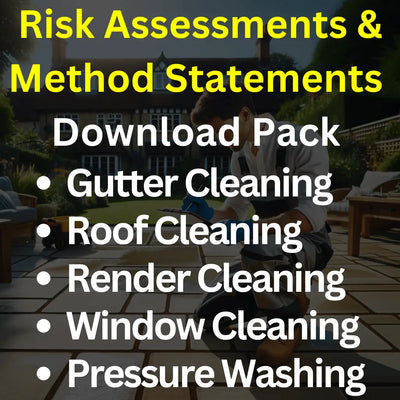
For contractors working on domestic and commercial sites, a professional documentation pack such as the Risk Assessment and Method Statement pack for exterior cleaning can help standardise planning, improve communication with clients and reduce the chance of missed safety steps.
Choosing Equipment for Different User Types
New Exterior Cleaning Contractors
New contractors often overspend on items they do not yet need and underspend on safety, training and chemical compatibility. A sensible starter set-up should allow you to complete common jobs safely and consistently without creating unnecessary complexity.
Focus first on:
- A reliable chemical-compatible pump
- Safe storage and transport
- Basic but good-quality nozzles and lances
- PPE and spill control
- Training in chemical use, dwell times and surface assessment
Established Cleaning Contractors
If you already offer pressure washing, gutter cleaning or window cleaning, softwashing can extend your service range. However, do not simply add chemicals to existing equipment without checking suitability. Existing water-fed poles may be useful, but fittings, hose and seals still need checking.
Established contractors should consider dosing systems, better hose reels, multiple chemical lines and improved site documentation to handle larger or more regulated jobs.
Facilities Managers and Property Maintenance Teams
Facilities teams usually need reliable, repeatable processes rather than high-output contractor systems. The equipment should be easy to store, simple to inspect and safe for trained staff to use. Documentation is particularly important because work may take place around staff, tenants, residents or the public.
For larger estates, it is worth standardising approved chemicals, application equipment, PPE and sign-off procedures across sites.
Serious DIY Users
DIY users should be realistic about risk. Treating a small patio or low garden wall is very different from applying chemicals to a roof, upper-storey render or areas near public access. If the work involves height, fragile surfaces, complex drainage, large chemical volumes or nearby sensitive areas, it may be better to use a trained professional.
Common Softwashing Equipment Mistakes
Buying on Pressure Instead of Chemical Control
Softwashing is not about blasting dirt away. Excess pressure can drive moisture into render, lift coatings, disturb roof materials and increase overspray. Choose equipment that gives controlled application and even coverage.
Using Non-Compatible Fittings
Cheap fittings can fail quickly when exposed to softwash chemicals. A small leak from a valve, seal or connector can damage property, harm plants or put the operator at risk.
Ignoring Rinse and Clean-Down Procedures
After the job, equipment still contains chemical residue. Pumps, hoses, lances and nozzles should be flushed as recommended. Leaving solution in a pump or hose can shorten equipment life and increase accidental exposure next time the kit is used.
Overcomplicating the First System
More valves, tanks and injectors are not always better. A simple system that the operator fully understands is safer than a complex system used incorrectly.
Inadequate Training
Many equipment problems are actually knowledge problems: wrong dilution, wrong dwell time, poor rinsing, weak plant protection or poor site control. Professional training helps contractors understand both the equipment and the cleaning process. The Soft Wash Training Course is designed to support safer, more professional softwashing practice for contractors who want to build competence rather than learn by trial and error on clients’ properties.
Step-by-Step: How to Specify Your First Softwash Set-Up
- List your target jobs. Write down whether you will mainly clean render, roofs, cladding, patios, driveways or mixed exterior surfaces.
- Assess access and working height. Decide whether work can be completed from ground level, from scaffold, from MEWPs or with other safe access methods.
- Choose a pump type. Match flow rate, chemical resistance and power source to your workload.
- Select tanks and chemical containers. Use suitable, labelled containers and plan secure transport.
- Choose hose and reels. Allow enough reach without creating avoidable trip hazards or excessive pressure loss.
- Add application tools. Include nozzles, lances and pole attachments suited to your common surfaces.
- Plan PPE and emergency controls. Include eye protection, gloves, protective clothing, spill control and clean water access.
- Prepare documentation. Keep SDS, COSHH information, RAMS and method statements available.
- Train before scaling up. Practise on controlled areas, understand dwell times and learn how different surfaces respond.
- Review after real jobs. Upgrade based on actual bottlenecks, not assumptions.
Softwash Chemicals and Equipment Must Work Together
Your equipment should be chosen with your intended cleaning products in mind. Different products may require different application rates, dwell times, rinsing requirements and safety controls. Contractors commonly work with surfactants, biocides, sodium hypochlorite-based solutions and specialist stain removers depending on the task.
The SoftWash UK soft wash chemicals collection can help contractors understand the range of professional products available, but the important point is this: always match the equipment, dilution method and PPE to the chemical being used. Never treat chemicals as interchangeable, and never guess mixing instructions.
When Should You Upgrade Your Softwashing Equipment?
Upgrading makes sense when your existing equipment is limiting safe productivity or consistency. It does not make sense just because a larger system looks more professional.
Good reasons to upgrade include:
- You are regularly losing time refilling small tanks
- Your pump cannot maintain suitable flow through longer hose runs
- You need more accurate dosing for repeat commercial work
- Your hose management is creating delays or hazards
- You are taking on larger buildings, estates or facilities contracts
- You need better separation of chemicals and rinse water
Before upgrading, review your last ten jobs. Note what slowed you down, what created safety concerns and what equipment failed or frustrated you. That evidence will usually tell you what to buy next.
FAQ: Choosing Softwashing Equipment
What is the most important piece of softwashing equipment?
The most important piece is a chemical-compatible low-pressure application system, usually based around a suitable pump, hose and nozzle set-up. However, PPE, safe storage and documentation are just as important because softwashing involves controlled chemical application, not just water delivery.
Can I use a pressure washer for softwashing?
A pressure washer may be used for some preparation or rinsing tasks, but it is not the same as a softwash system. Softwashing normally requires low-pressure chemical application. Using high pressure on render, roofs or delicate surfaces can cause damage and water ingress.
Is a 12v softwash pump enough for professional work?
Yes, a good 12v chemical-resistant pump can be enough for many domestic and light commercial softwashing jobs. For larger buildings, longer hose runs or frequent commercial work, contractors may eventually benefit from higher-capacity systems or dosing equipment.
Do I need training before using softwashing equipment?
Training is strongly recommended, especially for contractors. Equipment is only safe and effective when the operator understands chemical compatibility, dilution, dwell time, surface testing, PPE, overspray control and site risk assessment.
How do I know if my hose and fittings are suitable?
Check the manufacturer’s chemical compatibility information for the products you intend to apply. Pay attention to seals, O-rings, valves and connectors as well as the hose itself. If compatibility is unclear, do not assume it is safe.
What equipment do I need for roof softwashing?
Roof softwashing typically requires safe access planning, suitable low-pressure application equipment, longer hose runs, controlled nozzles, PPE, plant and property protection, and robust documentation. Working at height must be properly assessed and should not be attempted without suitable competence and controls.
Conclusion: Buy the System That Fits the Work, Not the One That Looks Impressive
The right softwashing equipment should make your work safer, more controlled and more consistent. For UK contractors and property maintenance professionals, that means choosing chemical-compatible components, sensible flow rates, practical hose management, accurate dosing where required and proper safety documentation. For serious DIY users, it means recognising the limits of small equipment and avoiding risky work at height or near sensitive areas.
Softwashing rewards methodical practice. A well-planned low-pressure system, used with the right chemical knowledge and site controls, will usually outperform an oversized or poorly understood set-up. Start with the surfaces you clean most often, build around safety and compatibility, then upgrade based on real job experience.
SoftWash UK supplies professional softwashing equipment, chemicals, training and educational resources for contractors and maintenance teams who want to work responsibly and effectively. To explore suitable kit and improve your knowledge before investing, visit the SoftWash UK website and use the Knowledge Centre, equipment range and training resources to build a softwash system that is fit for purpose.