How to Remove Algae From Exterior Walls
To remove algae from exterior walls properly, first identify the wall surface, protect surrounding areas, apply a suitable softwashing or biocidal cleaning solution, allow the correct dwell time, agitate where needed, and rinse or leave to weather depending on the product and substrate. For most UK exterior walls, softwashing is usually more effective and less damaging than aggressive pressure washing because it treats the biological growth rather than simply blasting the surface.
Green algae, red algae, black staining, lichen and general organic soiling are common on UK properties, particularly on north-facing walls, shaded elevations, rendered façades, brickwork, stonework, cladding and painted masonry. The right method depends on the wall material, level of contamination, access, drainage, nearby planting, weather conditions and safety controls.
This guide is written for exterior cleaning contractors, facilities managers, property maintenance teams and serious DIY users who want a practical, safe and professional approach to removing algae from outside walls.
Why Algae Grows on Exterior Walls
Algae thrives where moisture, shade and airborne nutrients are present. In the UK, exterior walls often remain damp for long periods because of rainfall, cool temperatures and limited sun exposure. North and east-facing elevations are especially prone because they dry slowly after rain or morning dew.
Common causes of algae growth on walls include:
- Shaded elevations caused by trees, neighbouring buildings or overhangs
- Poor airflow around the property
- Leaking gutters, downpipes or overflow pipes
- Porous render, brick, stone or masonry that retains moisture
- Organic debris such as pollen, dust, leaf matter and bird fouling
- Previous cleaning that removed surface staining but did not treat the organism
In practice, the worst algae problems are often found below leaking gutters, around window reveals, at the base of rendered walls, behind shrubs and on gable ends that see little direct sunlight. Before cleaning, always look for the cause. If the wall stays wet because a gutter is leaking, the algae will come back quickly no matter how thoroughly it is cleaned.
Softwashing vs Pressure Washing for Algae on Walls
Pressure washing can remove visible algae quickly, but it is not always the best method for exterior walls. High pressure may damage render, drive water behind cladding, scar brick faces, disturb pointing or leave wand marks on painted masonry. Softwashing uses controlled chemical treatment, low-pressure application and dwell time to kill and release biological growth from the surface.
| Method | Best For | Advantages | Risks and Limitations |
|---|---|---|---|
| Softwashing | Render, brick, stone, painted walls, cladding and delicate surfaces | Treats the biological growth, uses lower pressure, gives a more even finish, reduces immediate regrowth when done correctly | Requires chemical knowledge, PPE, plant protection, correct dilution and responsible handling |
| Pressure washing | Robust masonry and hard surfaces where pressure is appropriate | Fast removal of heavy surface deposits and loose contamination | Can damage soft render, force water into defects, leave stripes and fail to kill growth at root level |
| Manual scrubbing only | Small areas, delicate details and spot cleaning | Low equipment requirement and useful for controlled work | Labour intensive and often does not fully treat algae spores |
For contractors, the decision is rarely “chemical or pressure”. The professional approach is to assess the substrate and choose the least aggressive method that achieves the required result. On many exterior walls, that means a softwash treatment, light agitation and controlled rinse rather than high-pressure blasting.
Identify the Wall Surface Before You Start
A major part of professional exterior cleaning is knowing what not to do. The same product and process should not be used blindly across every surface. Always test a small, inconspicuous area first, especially on painted, coated, coloured or heritage surfaces.
Rendered Walls
Modern render systems, including silicone, monocouche, acrylic and painted render, are commonly affected by algae. These surfaces can mark easily if pressure washed too aggressively. Softwashing is usually the preferred method, but contractors must be careful with chemical strength, dwell time and rinsing. Avoid letting solution dry on glass, frames or metalwork.
Brick and Masonry
Brickwork is more robust than render, but not all bricks are equal. Older, spalled or soft bricks can be damaged by high pressure. Check the condition of pointing before cleaning. Heavy algae on brick may need pre-treatment, dwell time and a rinse, followed by a post-treatment if regrowth risk is high.
Natural Stone
Limestone, sandstone and other natural stone can react differently to chemicals. Some stone is porous, friable or sensitive to strong cleaning agents. Always assess the type of stone, carry out a test patch and use the mildest effective process.
Cladding and Painted Surfaces
Exterior cladding, coated panels and painted walls can clean beautifully, but oxidised coatings, failing paint or poor seals change the risk profile. Avoid aggressive pressure, hot mixes and long dwell times unless the surface has been tested and approved for that method.
Choosing the Right Cleaning Solution for Algae Removal
For algae on exterior walls, professional cleaners commonly use softwashing solutions based on sodium hypochlorite, specialist surfactants and, in some cases, longer-acting biocidal treatments. The right choice depends on the surface, severity of growth and whether the aim is immediate visual improvement, ongoing biological control, or both.
| Cleaning Option | Typical Use | Key Benefit | Important Consideration |
|---|---|---|---|
| Sodium hypochlorite softwash solution | Heavily green walls, render algae, masonry staining and fast visual cleaning | Rapidly breaks down organic staining when used correctly | Requires correct dilution, PPE, plant protection, runoff control and never mixing with incompatible chemicals |
| Surfactant added to softwash mix | Vertical walls and awkward surfaces where solution needs to cling | Improves dwell time, wetting and even coverage | Use a product designed for softwashing and follow label guidance |
| Quaternary ammonium-based biocide | Post-treatment, slower cleaning, maintenance or residual growth control | Helps suppress biological regrowth over time | Results are usually slower and product use must follow label instructions |
| Water and brushing only | Light contamination or very sensitive surfaces | Low chemical impact | Often gives short-lived results because algae is not fully treated |
SoftWash UK supplies professional-grade products for contractors who need consistent results and clear product information. For example, sodium hypochlorite for soft washing is commonly used where rapid treatment of organic growth is required, while a purpose-made surfactant such as Clever Wash Surfactant can help the solution cling to vertical walls and improve contact time.
Where a longer-acting biocidal approach is appropriate, products such as Soft Wash Pro 50 DDAC may be considered by trained users following the correct product label, risk assessment and method statement. Always check suitability for the surface and the intended application.
Step-by-Step: How to Remove Algae From Exterior Walls
The following process reflects how a professional exterior cleaning contractor would typically approach algae removal from a wall. Adjust the method to suit the property, surface condition, product label and site-specific risk assessment.
1. Survey the Wall and Surrounding Area
Start with a proper inspection. Look for loose render, cracked paint, failing pointing, vents, open windows, electrical fittings, alarm boxes, cameras, leadwork, timber features, delicate planting and water-sensitive areas. Identify drainage routes and where rinse water will travel.
Check for the source of the moisture. If a failed gutter, blocked hopper or leaking overflow is feeding the algae, report it to the client before cleaning. For facilities managers, documenting the cause is important because cleaning alone may not solve the maintenance issue.
2. Carry Out a Test Patch
Apply your chosen method to a small, discreet area. This confirms whether the product strength, dwell time and rinse method are suitable. On coloured render, painted surfaces and cladding, a test patch is essential. It helps avoid bleaching, patchiness, streaking or unexpected coating failure.
3. Prepare the Site
Good preparation prevents most problems. Before applying any softwash solution:
- Move vehicles, garden furniture and loose items away from the working area
- Close windows and doors
- Isolate or protect exterior electrical fittings where necessary
- Pre-wet nearby plants, lawns and sensitive surfaces
- Cover delicate planting if appropriate, while avoiding heat stress under plastic sheeting
- Set up warning signs, barriers and exclusion zones for pedestrians
- Confirm access equipment is suitable and stable
On commercial sites, schools, healthcare premises and managed residential blocks, plan the work around foot traffic and building use. Overspray control is particularly important near car parks, public paths and neighbouring properties.
4. Mix and Apply the Cleaning Solution Responsibly
Only mix products according to the manufacturer’s instructions and your training. Never mix sodium hypochlorite with acids, ammonia-based products or incompatible chemicals. Use clean, labelled containers and appropriate dosing equipment.
Apply the solution at low pressure from the bottom upwards or in a controlled, systematic pattern, depending on the surface and product being used. Avoid flooding the wall. The aim is controlled, even wetting, not excessive runoff. On vertical surfaces, a surfactant can reduce rapid run-off and help the solution stay in contact with the algae.
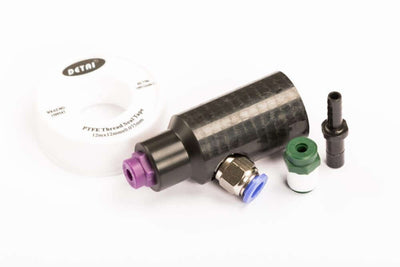
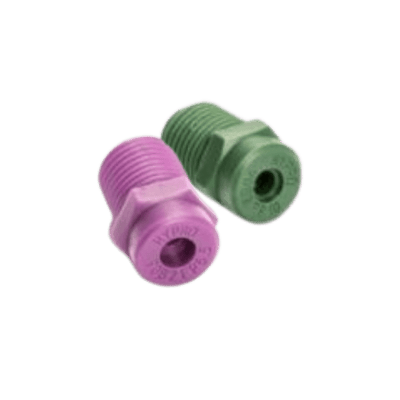
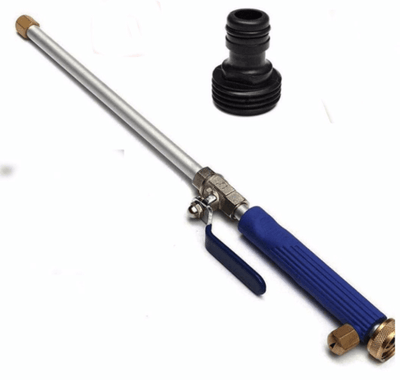
Professional contractors often use dedicated soft washing equipment such as low-pressure pumps, dosing systems, poles and compatible application tools to improve control, coverage and safety.
5. Allow the Correct Dwell Time
Dwell time is the period the product remains active on the surface. This is where softwashing does much of its work. Too little dwell time may leave staining behind. Too much dwell time, especially if the product dries on the wall, can increase the risk of streaking or surface damage.
In warm or windy conditions, work in smaller sections. Do not allow sodium hypochlorite-based mixes to dry on glass, painted trims, metal surfaces or delicate coatings. If drying begins, lightly re-wet or rinse according to the product method.
6. Agitate Stubborn Areas Where Needed
Heavy algae around sills, textured render, brick joints or sheltered corners may need gentle agitation with a suitable brush. Avoid wire brushes on render, stone and soft masonry. The goal is to assist the chemical action, not abrade the surface.
7. Rinse, Neutralise or Leave to Weather as Appropriate
Some treatments require rinsing; others are designed to be left to work over time. Follow the product label and your method statement. Where rinsing is required, use controlled low pressure. Do not drive water into vents, open joints, window seals or behind cladding.
For walls cleaned with sodium hypochlorite-based softwash solutions, thorough rinsing is often needed around windows, frames, plants, metals and pedestrian areas. Managing runoff is not optional; it is part of professional practice.
8. Inspect the Result and Plan Maintenance
Once the wall has dried, inspect it from different angles and in natural light. Some organic staining will disappear immediately; deeper staining may continue to lighten over several days. If a second treatment is needed, reassess rather than simply applying a stronger solution.
Advise the client on maintenance. This may include gutter repairs, vegetation management, improved drainage, scheduled biocidal treatment or periodic low-pressure washing. For facilities managers, planned maintenance is usually more cost-effective than waiting until façades are heavily contaminated.
Health, Safety and Compliance Considerations
Algae removal from exterior walls involves working with water, chemicals, height, public access and potentially fragile surfaces. For contractors and property maintenance teams, safe systems of work are essential.
Key safety and best-practice points include:
- Carry out a site-specific risk assessment before work begins
- Prepare a method statement for the cleaning process
- Use suitable PPE, including eye protection, gloves, protective clothing and respiratory protection where required
- Follow COSHH requirements and keep Safety Data Sheets available
- Prevent uncontrolled chemical drift, overspray and runoff
- Protect plants, wildlife, watercourses and drainage systems
- Use safe access methods for working at height
- Store and transport chemicals legally and securely
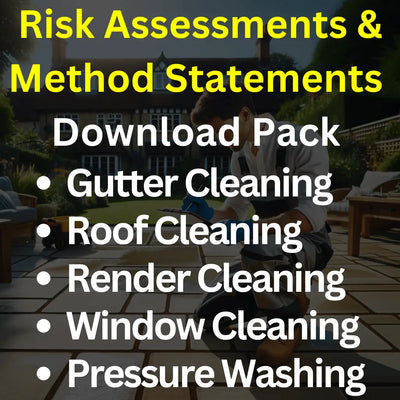
For contractors who want a more consistent approach to documentation, the Risk Assessment and Method Statement Pack for Exterior Cleaning can help structure site paperwork and reduce the chance of missing important controls.
Common Mistakes When Removing Algae From Walls
Using Too Much Pressure
High pressure can make a wall look clean on the day but cause long-term problems. We often see render scarred with clean lines, blown paint, damaged brick faces and water forced behind weak seals. If the organism is not treated, algae can also return quickly.
Applying Chemicals Without a Test Patch
Skipping a test patch is risky, particularly on coloured render, painted walls and older masonry. A small test can reveal colour change, coating weakness, unexpected absorption or uneven cleaning before the whole elevation is affected.
Letting Solution Dry on the Surface
Drying can create streaks, residues and patchy results. Work in manageable sections and pay close attention to sun, wind and temperature. Early morning or overcast conditions are often easier for controlled softwashing than hot, direct sunlight.
Ignoring Plants and Surrounding Materials
Many problems happen away from the wall itself. Plant damage, stained metals, marked decking or affected lawns usually come from poor preparation and rinsing. Pre-wetting, shielding, controlled application and after-rinsing are basic professional habits.
Thinking Algae Removal Is Only Cosmetic
Algae can hold moisture against the wall surface. Over time, this may contribute to staining, damp appearance, slippery adjacent surfaces and accelerated soiling. For commercial buildings, algae-covered façades can also affect the professional appearance of the site.
Myths About Algae on Exterior Walls
“Rain Will Wash It Off”
Rain often makes algae worse because it keeps the surface damp. While weather may slowly lighten some treated staining, untreated algae usually continues to spread where conditions remain favourable.
“Bleach From the Supermarket Is the Same as Professional Softwash Chemistry”
Household bleach is not a professional exterior cleaning system. Contractors need known strengths, correct dilution, compatible surfactants, Safety Data Sheets, proper labelling and responsible handling. Professional use requires far more control than buying a domestic product and hoping for the best.
“Stronger Mixes Always Clean Better”
A stronger solution is not automatically a better solution. The correct strength, dwell time, surfactant, surface preparation and application method matter more. Over-strength mixes increase risk to surfaces, plants, operatives and the environment.
“All Green Staining Is Algae”
Green staining is often algae, but exterior walls can also have lichen, moss, mould, pollution staining, copper staining, rust, mineral deposits or paint failure. Correct identification affects product choice and client expectations.
How to Reduce Algae Regrowth on Exterior Walls
Removing algae is only part of the job. Reducing recurrence is where good contractors add real value. You cannot change the UK climate, but you can reduce the conditions that favour biological growth.
- Repair leaking gutters, downpipes and overflow pipes
- Cut back vegetation to improve airflow and sunlight
- Keep rooflines, valleys and gutters clear of organic debris
- Use suitable biocidal maintenance treatments where appropriate
- Avoid damaging the wall surface, as roughened surfaces can hold more moisture and dirt
- Schedule periodic inspections for commercial and managed properties
For exterior cleaning contractors, setting realistic expectations is important. A shaded north-facing rendered wall beside trees will not stay clean as long as a sunlit south-facing brick wall with good airflow. Explain this during the survey and recommend a maintenance plan rather than promising permanent results.
When Should You Use Professional Training?
If you are using softwash chemicals commercially, cleaning at height, working near the public, treating sensitive substrates or managing larger properties, professional training is strongly recommended. Knowing how to calculate dilutions, assess surfaces, control runoff, protect plants and comply with safety responsibilities reduces mistakes and improves results.
The SoftWash UK Soft Wash Training Course is designed to help contractors and property professionals understand practical application, safe chemical use, equipment selection and professional working methods. Training is particularly valuable for teams moving from pressure washing into softwashing, because the skill set is different.
FAQ: Removing Algae From Exterior Walls
What is the best way to remove green algae from render?
The best method for most rendered walls is a controlled softwash treatment using a suitable cleaning solution, correct dwell time and low-pressure rinsing where required. Avoid aggressive pressure washing, as it can scar render, strip coatings or leave visible cleaning marks. Always test first, especially on coloured or painted render.
Can I pressure wash algae off exterior walls?
You can pressure wash some robust masonry surfaces, but it is not always advisable. High pressure can damage render, brick faces, pointing, paint and seals. It may also remove only the visible growth without treating the organism. Softwashing is usually safer and more effective for many wall surfaces when carried out correctly.
How long does algae take to disappear after softwashing?
Light green algae may disappear during treatment or shortly after rinsing. Heavier biological staining, lichen marks or deeply embedded organic growth may continue to lighten over several days or weeks, depending on the product used, weather conditions and surface porosity.
Will algae come back after cleaning?
Yes, algae can return if the conditions remain favourable. Shaded, damp walls are naturally prone to regrowth. Repairs to gutters, improved airflow, vegetation control and periodic maintenance treatments can significantly slow the return of algae.
Is softwashing safe for plants?
Softwashing can be carried out around plants safely only when proper controls are used. This includes pre-wetting, shielding where appropriate, careful application, controlled runoff and thorough rinsing. Never allow cleaning solution to pool around roots or drain uncontrolled into sensitive areas.
What weather is best for cleaning algae from walls?
Mild, overcast conditions with low wind are usually best. Direct sun and strong wind can dry cleaning solutions too quickly and increase drift risk. Heavy rain can dilute products and reduce dwell time. Always check product guidance and site conditions before starting.
Conclusion: The Professional Approach to Algae Removal
Removing algae from exterior walls is not simply a case of blasting the surface until the green staining disappears. A professional result comes from correct diagnosis, surface assessment, careful preparation, suitable softwashing chemistry, controlled application, proper dwell time and safe rinsing or aftercare.
For UK contractors, property maintenance professionals and facilities managers, the priority should always be to clean effectively without damaging the building, harming surrounding areas or creating unnecessary safety risks. Softwashing is often the best method because it treats the biological growth while using lower pressure than traditional jet washing.
If you want to improve your algae removal results, build safer working methods or develop a more professional exterior cleaning service, SoftWash UK provides specialist chemicals, equipment, documentation and training for the softwashing industry. Explore the professional resources available from SoftWash UK to choose the right products and methods for your next exterior wall cleaning project.