The Most Common Equipment Mistakes New Softwash Contractors Make
New softwash contractors most often make equipment mistakes by buying the wrong pump, using pressure washing kit for chemical application, choosing unsuitable hoses and fittings, failing to control chemical dosing, underestimating rinse water needs, and ignoring safety, maintenance and compliance equipment. These mistakes lead to poor results, wasted chemical, damaged surfaces, plant burn, leaks, downtime and unnecessary risk on site.
Good softwashing is not simply “spraying chemical instead of pressure washing”. It is a controlled low-pressure cleaning process that depends on correct application equipment, compatible components, accurate dilution, safe handling and proper rinsing. The right set-up helps you clean roofs, render, cladding, patios, driveways, commercial buildings and other exterior surfaces more consistently and professionally.
This guide explains the most common equipment errors we see from new UK exterior cleaning contractors, property maintenance teams, facilities managers and serious DIY users. It also sets out practical ways to avoid them before they cost you money or damage your reputation.
Why Equipment Choice Matters in Softwashing
Softwashing relies on controlled chemical application rather than aggressive mechanical force. That means your equipment has to do three things well:
- Apply solution evenly at low pressure.
- Resist corrosion from softwash chemicals where appropriate.
- Let the operator work safely, accurately and efficiently.
In practice, a poor set-up usually shows itself quickly. You may see patchy cleaning, excessive run-off, overspray, dead plants, leaking fittings, inconsistent flow, pump failure, blocked nozzles or chemical being overused. These are rarely “just one of those things”. They are usually the result of mismatched equipment or poor preparation.
If you are planning your first system, the SoftWash UK Knowledge Centre guide What Equipment Does A New Softwash Contractor Need is a useful starting point alongside the practical mistakes covered below.
Mistake 1: Thinking a Pressure Washer Is a Softwash System
One of the biggest beginner mistakes is believing a pressure washer can simply be adapted for all softwashing work. Pressure washers have their place in exterior cleaning, especially for rinsing, surface cleaning and removing loose contamination. However, they are not the same as a softwash application system.
Softwashing requires low-pressure delivery, chemical compatibility and controlled dwell time. Using high pressure on delicate surfaces such as render, roof tiles, painted cladding, timber or older masonry can cause irreversible damage.
What goes wrong
- Surface damage to render, mortar, stone, timber or roof tiles.
- Chemical being misted too aggressively, increasing drift risk.
- Uneven application and poor dwell time.
- False confidence because the operator is used to “cleaning by force”.
Better approach
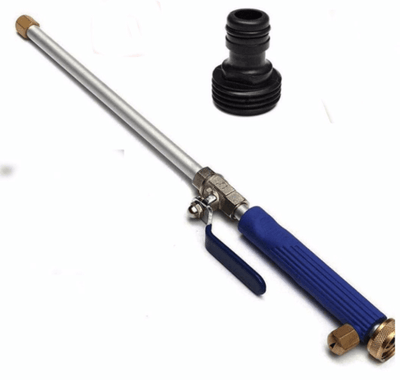
Use pressure washing equipment for the tasks it is suited to, but use a dedicated softwash delivery system for applying softwash solution. A proper set-up normally includes a suitable pump, chemical-resistant hose, compatible fittings, correct nozzles and a method of safe chemical control.
For contractors building or upgrading their set-up, SoftWash UK supplies a range of professional soft washing equipment designed for controlled application rather than high-pressure blasting.
Mistake 2: Buying the Wrong Pump
The pump is the heart of a softwash system. New contractors often buy on price alone and end up with pumps that are too weak, too powerful, chemically unsuitable or unreliable under daily site conditions.
A pump needs to match the type of work you do. Roof cleaning, render cleaning, commercial cladding and small domestic patios may all require different flow rates, hose lengths and application distances.
Common pump errors
- Choosing a pump that cannot handle the required chemical exposure.
- Using a pump with poor seals or incompatible internal components.
- Buying a pump with insufficient flow for larger projects.
- Assuming more pressure is always better.
- Running pumps dry or without adequate flushing after use.
What to look for instead
For softwashing, flow and chemical compatibility are usually more important than raw pressure. You want enough flow to apply evenly, but not so much pressure that you lose control or create excessive misting.
| Equipment choice | Common beginner assumption | Professional consideration |
|---|---|---|
| Small cheap pump | “It will do for now.” | May fail quickly, struggle with hose length and deliver inconsistent application. |
| High-pressure pump | “More power means better results.” | Can increase overspray, damage risk and operator control issues. |
| Chemical-compatible pump | “It costs more than a basic pump.” | Usually offers better operational life and safer handling when used correctly. |
Mistake 3: Using Incompatible Hoses, Seals and Fittings
Softwash chemicals can be harsh on unsuitable materials. New contractors often spend money on a pump and tank but then connect everything using standard garden hose fittings, cheap brass connectors or seals that are not designed for the job.
This leads to leaks, corrosion, loss of pressure, air ingress and unexpected failures on site. A small leak may not look dramatic, but if it involves chemical solution it becomes a safety and environmental issue.
Typical warning signs
- White crystallisation around fittings after work.
- Stiff or discoloured hose.
- Trigger guns sticking open or closed.
- Hose tails slipping under pressure.
- Metal fittings corroding faster than expected.
Best practice
Choose hoses, seals, lances, trigger assemblies and fittings that are suitable for the chemical and concentration being used. Always check manufacturer guidance and Safety Data Sheets. Flush equipment after use and inspect connection points before each job.
In professional work, it is wise to carry spare hose clips, nozzles, seals, O-rings and trigger parts. A £2 seal can stop a £900 job if you do not have one in the van.
Mistake 4: Poor Chemical Dosing and Dilution Control
Many new contractors focus on the chemical but neglect the dosing equipment. This is a serious mistake. Over-application wastes product and increases risk. Under-application causes poor results and repeat visits.
Softwashing is about using the right solution strength for the surface and contamination level, not simply applying the strongest mix possible. Contractors should understand dilution, dwell time, weather impact, surface absorbency and rinse requirements.
Common dosing problems
- Mixing by eye without measuring.
- Using the same dilution on every surface.
- Failing to account for organic growth levels.
- Not labelling mixed solution containers.
- Leaving mixed chemical in equipment unnecessarily.
Equipment that helps
For contractors who want more consistent dilution control, a dosing device such as the Clever Injector Dosatron can help improve repeatability and reduce manual mixing errors when used correctly. This does not remove the need for training or judgement, but it can make controlled application easier on suitable jobs.
Always use softwash chemicals according to label guidance, Safety Data Sheets and UK best practice. SoftWash UK offers a full range of soft wash chemicals for different exterior cleaning needs, but professional results depend on correct selection, dilution and application method.
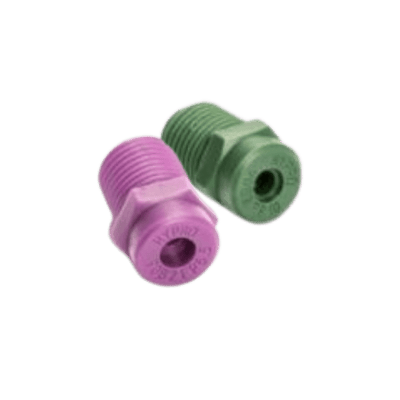
Mistake 5: Choosing the Wrong Nozzles
Nozzles determine spray pattern, reach, droplet size and level of control. A poor nozzle choice can turn a simple render clean into an overspray problem or a roof treatment into a patchy application.
How nozzle mistakes show up
- Striping or uneven coverage on render or cladding.
- Excessive mist drifting into neighbouring gardens or vehicles.
- Too much run-off from heavy application.
- Poor reach, forcing unsafe ladder positioning.
- Slow productivity on large elevations.
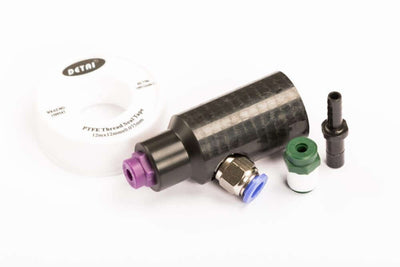
For water-fed pole work, using a purpose-made attachment such as a water fed pole softwash nozzle can help operators apply solution more accurately from the ground where the job allows. This is particularly useful for certain render, fascia, soffit and cladding applications.
Practical nozzle selection tips
- Use a wider fan pattern for even coverage on flat elevations.
- Use lower drift patterns when working near vehicles, plants or neighbouring property.
- Avoid overly fine mist where wind conditions are variable.
- Carry several nozzle options and test on a small area before full application.
- Clean and inspect nozzles regularly to prevent blockages and uneven spray.
Mistake 6: Not Planning for Rinsing and Water Supply
Softwashing is not just application. Rinsing, pre-wetting and plant protection are often where the job succeeds or fails. New contractors sometimes arrive with enough chemical application equipment but no proper rinse capability, weak water access or no plan for protecting sensitive areas.
Why rinse planning matters
- Plants and lawns may need pre-wetting and post-rinsing.
- Windows, frames and metals may require controlled rinsing.
- Run-off must be managed responsibly.
- Some surfaces need gentle rinsing; others may require more thorough flushing.
Facilities managers and property maintenance teams should also think about water access before approving a project. On larger commercial sites, water points, hose routes, public access, drainage and working hours all affect the equipment plan.
Mistake 7: Ignoring Plant Protection Equipment
Plant damage is one of the most common avoidable complaints in softwashing. Often the chemical choice is blamed, but the real issue is poor equipment planning.
At minimum, operators should consider having:
- A dedicated rinse hose with adequate flow.
- Clean water supply for pre-wetting and post-rinsing.
- Tarpaulins or breathable covers where appropriate.
- Gutter control or run-off diversion where needed.
- Neutralisation products where suitable and used in line with guidance.
Do not leave sensitive landscaping as an afterthought. On domestic jobs, the customer may care more about a damaged hydrangea than the clean roof.
Mistake 8: Skipping PPE, Spill Control and Site Safety Kit
New contractors sometimes invest in pumps, lances and chemicals but treat personal protective equipment as optional. It is not. Softwashing involves chemical handling, working around roofs and elevations, managing hoses, and often working in public or client-occupied environments.
Essential safety considerations
- Chemical-resistant gloves suitable for the substances being handled.
- Eye and face protection where splash risk exists.
- Appropriate footwear with good grip.
- Protective clothing suitable for the site and task.
- Respiratory protection where risk assessment identifies a need.
- Spill kit and first aid arrangements.
- Clear signage, barriers and hose management.
For UK contractors, a risk assessment and method statement should be more than paperwork. It should influence how you set up the site, where you mix, how you control public access, how you manage run-off and what to do if something goes wrong. The Risk Assessment and Method Statement Pack for Exterior Cleaning can help newer operators create a more structured approach to site safety and compliance.
Mistake 9: Buying Equipment Before Understanding the Work Type
Many new contractors buy a generic “softwash set-up” before deciding what work they want to specialise in. This can be expensive. The right kit for domestic render cleaning is not always the same as the best set-up for roof treatments, commercial cladding or large hard surface projects.
Compare your intended work before buying
| Work type | Equipment priorities | Common beginner mistake |
|---|---|---|
| Render cleaning | Controlled low-pressure application, even fan pattern, careful rinse management. | Using too much pressure or causing streaking through uneven application. |
| Roof softwashing | Reach, hose length, safe access planning, run-off control, plant protection. | Focusing on chemical strength while ignoring access and drainage. |
| Commercial cladding | Productivity, consistent dilution, safe public segregation, water logistics. | Turning up with domestic-scale equipment for a large elevation. |
| Patios and driveways | Pre-treatment, agitation where required, rinsing, stain-specific products. | Expecting one softwash mix to remove every stain, including oil and rust. |
Before investing heavily, list the surfaces you expect to clean most often, your typical property type, access restrictions, vehicle capacity and whether you will work alone or with a team.
Mistake 10: No Maintenance Routine
Softwash equipment lasts longer when it is flushed, cleaned, inspected and stored properly. New contractors often work hard on the job, pack away quickly and leave chemical residue sitting in pumps, hoses and trigger assemblies.
Simple end-of-job maintenance routine
- Flush the pump, hose and lance with clean water, following equipment guidance.
- Check connections for leaks, corrosion or stiffness.
- Remove and inspect nozzles for partial blockages.
- Store chemicals securely and separately where required.
- Secure tanks and containers for transport.
- Record any equipment issues before the next job.
- Replace worn seals, hose clips or trigger components before they fail on site.
A practical maintenance habit saves breakdowns, call-backs and unsafe improvisation. It also helps you identify patterns, such as a particular fitting corroding too quickly or a hose becoming brittle.
Mistake 11: Not Carrying Back-Up Equipment
Experienced contractors know that small failures happen at bad times. A blocked nozzle, cracked trigger, split hose or dead battery can stop production instantly. If you are working on a commercial site or have travelled a long distance, that delay can be costly.
Useful spares to keep in the van
- Spare nozzles in different spray patterns.
- Trigger gun or lance assembly.
- Hose repair fittings and clips.
- O-rings and seals.
- Battery charger or spare battery where relevant.
- Clean water containers for emergency rinsing.
- Spill kit, signage and spare PPE.
Do not wait until something fails to decide what spares matter. Build a basic breakdown kit as part of your normal equipment list.
Mistake 12: Treating Training as Optional
Equipment alone does not make a competent softwash contractor. Operators need to understand chemical behaviour, surface identification, dilution control, PPE, access planning, run-off management, customer communication and when not to proceed.
Professional training helps reduce costly trial and error. It also gives newer contractors a better framework for choosing equipment instead of copying someone else’s van set-up from social media.
The Soft Wash Training Course from SoftWash UK is designed to help contractors understand practical softwashing methods, safe working practices and professional decision-making. For new businesses, training can be one of the best investments because it reduces avoidable mistakes before they happen on paying jobs.
Step-by-Step: How to Choose Softwash Equipment Without Wasting Money
Step 1: Define your core services
Decide whether you are mainly targeting render cleaning, roof treatments, commercial cladding, domestic maintenance, driveway cleaning or facilities work. Your equipment should suit your service area, not someone else’s.
Step 2: Identify the surfaces and access challenges
Consider height, reach, water access, surface fragility, drainage, public access and surrounding vegetation. Equipment choices should be based on the real conditions you will face.
Step 3: Choose a suitable application system
Select a pump, hose, tank, fittings and nozzles that suit your flow requirements and chemical use. Prioritise compatibility, reliability and control rather than the cheapest possible set-up.
Step 4: Build in rinsing and protection
Plan how you will pre-wet plants, rinse surfaces, control run-off and protect metals, glass and sensitive areas. Do not buy application kit without also planning rinse capability.
Step 5: Add safety and compliance equipment
Include PPE, signage, barriers, spill control, Safety Data Sheets, COSHH information, RAMS and suitable transport storage. On commercial sites, missing documentation can stop the job before you unload the van.
Step 6: Test, maintain and improve
Test your system with water before using chemical. Learn your flow rates, reach, spray patterns and limitations. Keep notes after each job and refine your set-up based on real experience.
Common Myths About Softwash Equipment
Myth: The strongest chemical matters more than the equipment
Incorrect. Stronger chemical used through poor equipment can create more risk and worse results. Controlled application, dwell time and surface knowledge are just as important.
Myth: Cheap equipment is fine until the business grows
Sometimes a modest set-up is sensible, but unreliable or incompatible equipment can damage your reputation early. Buy appropriately, not blindly cheaply.
Myth: One nozzle can do every job
Different surfaces, heights and wind conditions require different spray patterns and flow control. Carry options and know when to use them.
Myth: PPE is only needed for big jobs
Most accidents happen during routine work, mixing, filling, clearing blockages or packing away. PPE and safe handling procedures are everyday requirements.
FAQ: Equipment Mistakes in Softwashing
What is the most important piece of softwash equipment for a new contractor?
The most important item is a suitable low-pressure application system, including a compatible pump, hose, fittings and nozzles. However, it should be considered as a complete system rather than a single item. Rinse equipment, PPE, chemical storage and documentation are also essential.
Can I use my pressure washer for softwashing?
A pressure washer can be useful for rinsing and other exterior cleaning tasks, but it is not a complete softwash system. Softwashing normally requires controlled low-pressure chemical application using equipment designed for that purpose. High pressure can damage delicate surfaces and increase overspray risk.
How do I know if my hoses and fittings are chemical compatible?
Check the equipment manufacturer’s guidance and the relevant Safety Data Sheets for the chemicals you use. Look for materials designed to handle the type and concentration of solution being applied. Inspect regularly for stiffness, corrosion, leaks or seal failure.
Do I need a dosing system when starting out?
Not always, but you do need accurate dilution control. Some new contractors measure and batch mix carefully, while others use dosing equipment to improve consistency. What matters is that you understand the mix, apply it safely and record what you are doing.
What equipment should I carry to protect plants?
At minimum, carry a clean water rinse hose, access to sufficient water, suitable covers where appropriate, and equipment to control run-off. Pre-wetting and post-rinsing are often critical. Plant protection should be part of the job plan, not an afterthought.
Is training necessary if I already run an exterior cleaning business?
Yes, it is strongly recommended. Experience in pressure washing, window cleaning or property maintenance is useful, but softwashing involves different chemical, surface and safety considerations. Training helps you make better equipment choices and avoid expensive mistakes.
Conclusion: Good Equipment Decisions Create Safer, Better Softwashing
The most common equipment mistakes new softwash contractors make are not usually complex technical failures. They are basic planning errors: buying the wrong pump, using unsuitable fittings, ignoring dosing control, forgetting rinse water, underestimating plant protection, skipping PPE and failing to maintain equipment properly.
A professional softwash set-up should be safe, controlled, chemical-compatible and suited to the actual work you intend to do. The best contractors do not simply buy more kit; they understand why each item is on the van and how it reduces risk, improves results or saves time.
If you are building a new softwashing business, upgrading from pressure washing, managing exterior cleaning in-house or specifying work across a property portfolio, take time to get the equipment right. It will help protect surfaces, improve consistency, reduce complaints and support safer working.
SoftWash UK supplies professional softwashing chemicals, equipment, training and educational resources for UK contractors and property professionals. To build your knowledge and choose kit more confidently, explore the SoftWash UK Knowledge Hub, browse suitable equipment and consider professional training before taking on higher-risk work.