How to Win More Exterior Cleaning Work
To win more exterior cleaning work, you need to be easier to trust, easier to understand and easier to choose than your competitors. That means offering the right cleaning method for the surface, quoting professionally, showing evidence of previous results, explaining safety clearly and following up without being pushy.
For UK exterior cleaning contractors, property maintenance professionals, facilities managers and serious DIY users, the biggest opportunities usually come from solving real property problems: slippery paths, algae-stained render, moss-covered roofs, dirty cladding, blackened patios, stained driveways and tired-looking commercial premises. The contractors who win more work are not always the cheapest. They are the ones who can explain the problem, recommend the correct process and make the customer feel confident that the job will be done safely and professionally.
This guide sets out practical ways to generate more enquiries, convert more quotes and build repeat work in the exterior cleaning market.
Understand What Customers Are Really Buying
Most customers are not simply buying “pressure washing” or “softwashing”. They are buying a cleaner, safer, better-presented property with less hassle.
A homeowner may want their patio cleaned because it looks embarrassing before a family gathering. A facilities manager may need a safe walkway to reduce slip risk. A landlord may want a rendered property cleaned before letting it. A school business manager may need moss and algae dealt with during the holidays without disrupting staff and pupils.
When you understand the real reason behind the enquiry, your quote becomes more relevant. Instead of just saying “patio clean £250”, you can explain:
- What is causing the staining or biological growth.
- Which method is suitable for the surface.
- How long the result is likely to last.
- What access, water, drainage and safety considerations are involved.
- How the work will reduce slip risk, improve appearance or protect the surface.
This consultative approach immediately separates you from operators who only compete on price.
Offer the Right Services for the Right Market
Exterior cleaning covers a wide range of services. Some are high-volume, low-complexity jobs. Others require more technical knowledge, better equipment and stronger risk management. The more clearly you define your services, the easier it is to sell them.
Common Exterior Cleaning Services That Win Work
- Patio and driveway cleaning.
- Render and wall cleaning.
- Roof cleaning and moss treatment.
- Gutter clearing and fascia cleaning.
- Cladding and commercial building washing.
- Stone, brick and masonry cleaning.
- Timber decking and fence cleaning.
- Oil, rust, lead and organic stain removal.
- Preventative biocide treatments.
One of the biggest commercial advantages for modern exterior cleaning businesses is being able to choose between pressure washing, softwashing, targeted stain removal and post-treatment. If you are unsure how these methods differ, the SoftWash UK Knowledge Centre guide on softwashing vs pressure washing is a useful foundation.
Match the Cleaning Method to the Surface
Winning more work depends on giving sound advice. Some surfaces respond well to controlled pressure washing. Others can be damaged by aggressive pressure, especially painted render, delicate stone, older brickwork, certain roof tiles and weathered timber.
| Surface or Problem | Often Suitable Method | Important Considerations |
|---|---|---|
| Block paving | Pressure washing with possible post-treatment | Check jointing sand, drainage, weed growth and need for re-sanding. |
| K-rend or silicone render | Softwashing | Avoid high pressure that can scar, streak or force water behind the system. |
| Slippery paths | Pressure wash, softwash or biocide treatment depending on the surface | Focus on slip risk, public access and safe working zones. |
| Roof moss and organic growth | Manual moss removal and suitable treatment | Working at height, fragile surfaces, runoff control and neighbouring property must be considered. |
| Cladding | Low-pressure washing, softwashing or water-fed pole methods | Check coating type, access, overspray risk and manufacturer guidance. |
| Rust, oil or lead staining | Targeted specialist stain removal | Test patches, dwell times and surface compatibility are essential. |
If you can explain why you are not using high pressure on a delicate surface, you sound like a professional rather than a salesperson. That builds trust and helps justify your price.
Use Softwashing as a Professional Differentiator
Softwashing can help contractors win more exterior cleaning work because it solves problems that pressure washing alone often cannot. It uses low-pressure application of appropriate cleaning solutions to treat organic growth such as algae, lichen, mould and mildew. When carried out correctly, it is particularly useful for render, roofs, walls, cladding and other surfaces where aggressive pressure may cause damage.
For customers who have only heard of pressure washing, it is worth explaining softwashing in simple terms: it is a controlled cleaning method that treats the cause of organic staining rather than only blasting the visible dirt from the surface.
This matters commercially because customers often want longer-lasting results. A contractor who can talk confidently about treatment, dwell time, rinsing, surface compatibility and prevention is more likely to win higher-value work.
When Softwashing Helps You Win the Quote
- A rendered house has green algae staining but the customer is worried about pressure damage.
- A commercial building has cladding that needs cleaning without water being forced into joints.
- A roof has organic growth and the owner wants a process that continues working after application.
- A school, care home or retail site needs a controlled method with clear safety procedures.
- A property manager wants periodic maintenance rather than one-off emergency cleaning.
Customers often ask how long a clean will stay looking good. The honest answer depends on exposure, shade, moisture, surrounding trees, surface type and aftercare. The SoftWash UK Knowledge Centre page on how long does softwashing last can help you explain this more clearly when setting expectations.
Build Trust Before the Customer Contacts You
Many exterior cleaning jobs are won before the first phone call. Customers look at your website, Google Business Profile, photos, reviews and social media before deciding whether to enquire.
Show Real Before and After Evidence
Good before and after photos are one of the strongest tools in exterior cleaning marketing. Take them from the same angle, in similar lighting and without heavy filters. Customers want believable evidence, not over-edited images.
For each case study, include:
- The type of surface cleaned.
- The problem, such as algae, moss, black spot, oil or general soiling.
- The method used.
- Any safety or access challenges.
- The approximate timescale.
A simple caption such as “North-facing silicone render cleaned using a low-pressure softwash method to treat algae staining” is far more convincing than “Amazing transformation”.
Improve Your Google Business Profile
For local exterior cleaning work, your Google Business Profile is often more important than your website. Keep it current and specific.
- Add service areas accurately.
- Upload genuine project photos every week.
- Ask satisfied customers for detailed reviews.
- Reply to every review professionally.
- Use service descriptions that mention patios, render, roofs, driveways, cladding and softwashing where relevant.
Reviews that mention the actual service are especially useful. “Cleaned our rendered walls safely without pressure washing” is stronger than “Great job”.
Quote Like a Professional, Not a Guessworker
Poor quoting loses work and damages profit. Some contractors underquote because they only price by square metre. Others overquote because they do not understand the process. The best quotes combine measurement, site conditions, method, risk and value.
What to Check Before Pricing
- Surface type and condition.
- Level and type of contamination.
- Access, parking and water availability.
- Drainage route and risk of runoff.
- Working at height requirements.
- Nearby plants, ponds, metals, painted surfaces and sensitive materials.
- Public access, pets, children and neighbouring properties.
- Whether specialist stain removal is required.
For larger commercial or facilities management work, a site visit is usually essential. Photographs are useful, but they rarely show drainage issues, fragile surfaces, access restrictions or public interface risks properly.
Step-by-Step Quoting Process
- Qualify the enquiry. Ask what the customer wants cleaned, why now and whether there are any deadlines.
- Identify the surface. Render, concrete, sandstone, brick, tile, cladding and timber all need different thinking.
- Assess the contaminant. Organic growth, oil, rust, lead staining and general dirt require different products and processes.
- Choose the method. Decide whether pressure washing, softwashing, specialist stain removal or a combined process is appropriate.
- Consider safety and compliance. Include access, PPE, chemical handling, COSHH, public protection and environmental control.
- Price for the full job. Include preparation, application, dwell time, rinsing, waste management, travel and aftercare advice.
- Provide a clear written quote. Explain what is included, what is excluded and how long the result is expected to last.
- Follow up professionally. A polite follow-up after two or three days often wins work that would otherwise go cold.
A professional quote does not need to be complicated, but it should show that you have understood the job. This is particularly important for facilities managers, landlords and commercial clients who need a record of what has been proposed.
Use Safety and Compliance as a Sales Advantage
Safety is not just a legal obligation. It is also a commercial advantage. Many customers, especially commercial clients, are looking for contractors who can show safe systems of work, sensible chemical handling and proper documentation.
In exterior cleaning, common risk areas include working at height, slips and trips, public access, pressure equipment, chemical storage, overspray, runoff, manual handling and vehicle-mounted systems. Softwashing also requires proper understanding of chemical dilution, labelling, PPE, SDS sheets, COSHH assessments and emergency procedures.
If you regularly quote commercial work, a structured Risk Assessment and Method Statement pack for exterior cleaning can help you present your working methods clearly and consistently. It should still be adapted to the specific site, but having a professional framework saves time and reduces the chance of missing key risks.
Best-Practice Safety Notes
- Carry out a site-specific risk assessment before starting work.
- Use appropriate PPE for the task and product being used.
- Read and follow the safety data sheet and product label.
- Never mix chemicals unless the product system is designed and instructed for that purpose.
- Protect plants, ponds, metals and sensitive surfaces where required.
- Control public access using cones, barriers, signage and clear communication.
- Plan for spills, first aid and emergency wash-down.
- Use appropriate access equipment and follow working at height requirements.
Customers notice when you arrive prepared. Cones, signage, clean equipment, PPE and clear communication all reinforce that you are a professional contractor rather than someone simply turning up with a pressure washer.
Choose Products and Equipment That Support Professional Results
Winning more work is easier when your equipment and product knowledge match the jobs you are selling. A contractor who offers render cleaning but only owns a high-pressure lance is limited. Likewise, a contractor who uses chemicals without understanding compatibility and control creates unnecessary risk.
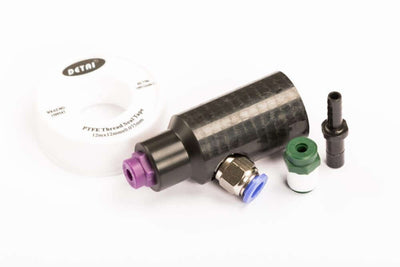
SoftWash UK supplies professional softwashing products and equipment for contractors who want to carry out exterior cleaning safely and consistently. For example, contractors developing a softwashing service can explore professional soft wash chemicals and suitable soft washing equipment depending on the type of work they intend to take on.
If you are new to chemical-based cleaning, it is worth studying the basics first. The Knowledge Centre guide on softwashing chemicals explains the role of different product types and why responsible use matters.
Equipment That Helps Win Better Work
- Low-pressure softwash delivery systems for delicate exterior surfaces.
- Water-fed pole attachments for controlled application and rinsing.
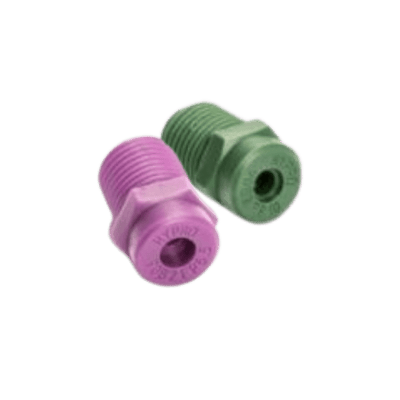
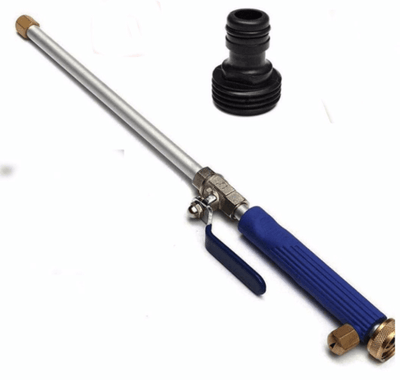
- Pressure washing equipment with appropriate nozzles and surface cleaners.
- Dedicated chemical containers, measuring equipment and labelling.
- PPE, spill kits, signage and plant protection equipment.
- Moisture-resistant documentation for site paperwork.
You do not need to buy every piece of equipment at once. Build your setup around the work you actually want to win. A domestic patio cleaning business needs a different system from a contractor targeting render cleaning, commercial cladding or roof treatment.
Market Problems, Not Just Services
One common marketing mistake is only listing services: “driveway cleaning, patio cleaning, roof cleaning”. Customers often search based on the problem they can see.
Useful problem-led content includes:
- “Why is my render turning green?”
- “How do I remove algae from a patio?”
- “Is it safe to pressure wash roof tiles?”
- “How can I stop paths becoming slippery?”
- “What causes black stains on exterior walls?”
- “How often should commercial cladding be cleaned?”
Answering these questions on your website, social media and quotes positions you as an expert. It also supports SEO because you are matching real search intent rather than using vague service pages only.
Local SEO Tips for Exterior Cleaning Contractors
- Create separate pages for core services such as render cleaning, patio cleaning and roof treatment.
- Include your main service towns naturally, not as a list of stuffed keywords.
- Publish local project case studies with photos and practical details.
- Add FAQs to service pages to answer common customer concerns.
- Keep your name, address and phone number consistent across directories.
- Ask customers to mention the service and location in reviews where natural.
A page titled “Render Cleaning in Cheltenham” with real images, clear process notes and FAQs will usually perform better than a generic page that says the same thing for every town.
Build Relationships with Higher-Value Clients
One-off domestic jobs are useful, but repeat clients create stability. Facilities managers, estate agents, landlords, schools, care homes, pubs, retail parks and property maintenance companies often need regular exterior cleaning.
How to Approach Commercial Clients
- Identify visible problems on their property, such as algae-stained render or slippery entrances.
- Send a concise email with one or two relevant observations, not a generic sales pitch.
- Include evidence of similar work you have completed.
- Explain how you manage access, safety, public areas and scheduling.
- Offer a site visit to provide a proper recommendation.
For commercial work, reliability and documentation matter as much as cleaning ability. If you can provide RAMS, insurance details, product safety information and a clear method statement quickly, you make the facilities manager’s job easier.
Common Mistakes That Cost Exterior Cleaning Contractors Work
Competing Only on Price
There will always be someone cheaper. If your only sales message is price, you attract price-sensitive customers and reduce your margin. Focus instead on method, safety, results, communication and aftercare.
Using the Same Method on Every Surface
High pressure is not always the answer. Chemical treatment is not always the answer either. Professional exterior cleaning is about selecting the right process for the surface, contamination and customer objective.
Not Following Up Quotes
Many contractors send a quote and never follow up. A simple message such as “Just checking you received the quote and whether you had any questions about the process” can recover a surprising amount of work.
Overpromising Results
Be honest about staining, surface damage, age, efflorescence, wear and previous failed treatments. Customers appreciate realistic expectations. Overpromising may win the job, but it often causes disputes later.
Ignoring Training
Exterior cleaning looks simple from the outside, but professional work involves risk assessment, chemistry, equipment selection, surface knowledge and customer communication. Contractors who invest in training tend to quote more confidently and avoid expensive mistakes.
Simple Weekly Plan to Win More Work
Consistency wins. A contractor who does small marketing and sales actions every week will usually outperform someone who only promotes the business when the diary is empty.
| Weekly Action | Why It Helps |
|---|---|
| Upload three recent job photos to Google Business Profile | Shows activity and improves local trust. |
| Ask two satisfied customers for reviews | Builds social proof and helps local SEO. |
| Follow up all outstanding quotes | Improves conversion without needing more leads. |
| Publish one useful social post answering a customer question | Positions you as helpful and knowledgeable. |
| Contact one property manager or local business | Builds higher-value commercial opportunities. |
| Review one process, product or safety document | Improves professionalism and reduces risk. |
Want To Preview Professional Softwashing Training First?
For contractors who want to build their knowledge before investing in full training, SoftWash UK offers a free course preview with selected lessons from the full training programme. It gives you a practical look at the teaching style, structure and professional approach used inside the course.
Frequently Asked Questions
How do I get more exterior cleaning customers?
Start by improving the basics: a complete Google Business Profile, genuine before and after photos, detailed reviews, clear service pages and prompt follow-up on quotes. Then focus your marketing on customer problems such as slippery paths, algae-stained render, mossy roofs and dirty driveways rather than only listing services.
Is softwashing a good service to add to an exterior cleaning business?
Yes, when properly trained and equipped, softwashing can help contractors take on work that is not suitable for high-pressure cleaning. It is especially useful for organic growth on render, walls, roofs and cladding. However, it requires proper chemical knowledge, PPE, risk assessment and responsible application.
How can I stop losing quotes to cheaper competitors?
Do not try to beat every low-price quote. Instead, explain your method, safety precautions, expected results, insurance, documentation and aftercare. Customers who care only about the lowest price may not be the right fit. Better clients usually value professionalism and reduced risk.
What should be included in an exterior cleaning quote?
A good quote should include the areas to be cleaned, the proposed method, access requirements, exclusions, any safety considerations, the price, payment terms and expected timescale. For commercial work, include RAMS, insurance details and relevant product safety information where requested.
Do I need training to offer softwashing?
Professional training is strongly recommended. Softwashing involves chemical handling, dilution, surface compatibility, environmental controls and health and safety responsibilities. Training helps contractors avoid damage, improve results and communicate more confidently with customers.
What are the best exterior cleaning jobs to target for repeat work?
Commercial buildings, schools, care homes, managed housing, retail premises, hospitality sites and property management portfolios often provide repeat opportunities. These clients usually value reliability, documentation and planned maintenance over one-off low-cost cleaning.
Conclusion: Win Trust First, Then Win the Work
Winning more exterior cleaning work is not about shouting louder than every other contractor. It is about becoming the safer, clearer and more credible choice.
The contractors who grow consistently understand surfaces, explain methods properly, quote professionally, use suitable products and equipment, document their safety approach and keep learning. They do not rely on price alone. They build trust before the customer ever gets in touch, then reinforce that trust through clear communication and reliable workmanship.
If you want to strengthen your exterior cleaning business, SoftWash UK can help with professional softwashing chemicals, equipment, training and educational resources. Explore the SoftWash UK Soft Wash Training Course, browse the Softwashing Knowledge Hub, or listen to the SoftWash UK Podcast to continue developing your technical knowledge and business confidence.