The Safe Way to Clean Coloured Render
The safe way to clean coloured render is to use a controlled softwashing process: inspect the render, identify the staining, test a small area, apply an appropriate cleaning solution at low pressure, allow correct dwell time, and rinse carefully without damaging the surface. For most algae, lichen and organic staining on modern coloured render, softwashing is usually safer than high-pressure washing because it treats the biological growth rather than blasting the render face.
Coloured render is not brickwork, concrete or block paving. It is often thin, textured, porous and pigment-based. Aggressive pressure, over-strong chemicals, poor rinsing or cleaning in direct sun can leave permanent streaks, patching, light spots or surface erosion. For contractors, facilities managers and serious DIY users, the aim is not simply to make the wall look clean on the day. The aim is to clean it evenly, protect the finish and reduce rapid regrowth.
This guide explains how to clean coloured render safely, what to avoid, how to choose the right method, and when professional training, documentation and specialist products are the sensible next step.
Why Coloured Render Needs A Different Cleaning Approach
Coloured render systems are common on houses, schools, care homes, retail units, apartment blocks and commercial buildings across the UK. They include silicone render, acrylic render, mineral render, monocouche render and proprietary systems from manufacturers such as K Rend, Weber, Parex and others.
Unlike painted masonry, coloured render often has pigment throughout the material or within the finish coat. Some systems are vapour-permeable. Others have hydrophobic or silicone-based properties. Many have a textured surface that holds moisture, dust, airborne pollution and spores.
Common issues include:
- Green algae on shaded elevations
- Black biological staining on north-facing or damp walls
- Red algae or pink biofilm on sheltered render
- Lichen spots on older or exposed surfaces
- Carbon staining near roads, vents and industrial areas
- Rust staining from fixings, overflows or metalwork
- Efflorescence and mineral deposits
- Uneven fading caused by UV exposure and weathering
The safest cleaning method depends on what is actually on the wall. A green algae problem is not treated in the same way as rust staining or efflorescence. This is where many render cleaning jobs go wrong: the operator assumes all staining is the same and reaches for either a pressure washer or a strong chemical mix.
Softwashing Coloured Render: The Core Principle
Softwashing is a low-pressure exterior cleaning method that uses appropriate cleaning chemistry to break down and remove organic growth, staining and soiling. On coloured render, the low-pressure part matters just as much as the chemical part.
The objective is to apply the correct solution evenly, allow it to work, and then rinse or leave it according to the product guidance and site conditions. This reduces the need for mechanical force, which is where coloured render is most easily damaged.
For render cleaning, softwashing can be effective on:
- Algae and mould staining
- Organic black staining
- Light atmospheric soiling
- Biofilm and spore contamination
- Some lichen contamination, depending on age and severity
It is not a magic fix for every mark. Failed render, blown substrate, deep mineral staining, permanent colour fading, poor previous repairs and some metallic stains may require specialist treatment or building inspection before cleaning.
Coloured Render Cleaning: Softwashing Vs Pressure Washing
One of the most important decisions is whether to softwash, pressure wash, or use a combination of careful rinsing and chemical treatment. In most professional situations, high-pressure washing directly onto coloured render is the higher-risk option.
The table below shows the practical differences.
| Method | Best Used For | Main Risk On Coloured Render | Professional Comment |
|---|---|---|---|
| Softwashing | Algae, mould, biofilm and organic staining | Chemical misuse, uneven application or poor rinsing | Usually the preferred method when carried out correctly and safely |
| Low-pressure rinsing | Removing loosened soiling and product residue | Over-wetting weak areas or forcing water into defects | Useful after dwell time when pressure is controlled |
| High-pressure washing | Very limited render situations, usually only where manufacturer-approved | Scarring, striping, water ingress, blown render and pigment loss | Often unsuitable for coloured render, especially textured finishes |
| Steam cleaning | Some delicate heritage or specialist cleaning situations | Thermal shock, cost and access complexity | May be useful in specialist cases but still requires testing |
If you want a deeper explanation of the difference between the two methods, SoftWash UK has a useful Knowledge Centre guide on softwashing vs pressure washing.
Before You Clean: Survey The Render Properly
A good coloured render clean starts before any chemical is mixed. On site, experienced contractors spend time looking at the building, not just the stains. This protects the client, the contractor and the surface.
Check The Type And Condition Of Render
Look for clues that tell you what you are dealing with:
- Is the render silicone, acrylic, mineral, lime-based or monocouche?
- Is the colour integral, painted over, or coated?
- Is the surface chalky when rubbed with a glove?
- Are there hairline cracks, impact damage or blown patches?
- Are previous patch repairs visible?
- Is the render still under manufacturer or installer warranty?
If the render is failing, cleaning may expose the failure rather than cause it. That is an important distinction, but it still needs to be explained to the client before work begins. Photographs, written notes and a basic pre-cleaning condition report are good professional practice.
Identify The Stain Before Choosing The Treatment
Organic growth is commonly treated with suitable softwashing chemistry. Rust, tannin, efflorescence and cement staining require different approaches. Do not assume that a stronger organic cleaner will solve non-organic staining. Misdiagnosis is one of the fastest ways to create visible patches on coloured render.
SoftWash UK’s guide to professional softwash chemicals is a helpful starting point for understanding the role of biocides, sodium hypochlorite-based cleaners, surfactants and specialist stain removers.
Always Carry Out A Test Patch
A test patch is not optional on coloured render. Choose a discreet area, ideally with the same level of staining and sun exposure as the main elevation. Apply the intended process, allow it to react, rinse if required, and assess the result once dry.
Check for:
- Colour lightening or bleaching
- Streaking or patchiness
- Surface softening
- Unexpected reaction with previous coatings
- Residue after drying
- Damage to nearby trims, metals, seals or plants
On commercial and facilities management work, record the test patch outcome and get approval before scaling up.
The Safe Step-By-Step Process For Cleaning Coloured Render
The exact method depends on the product, render type, contamination and site conditions. However, the following professional process is a sound framework for most coloured render cleaning projects.
Step 1: Plan Access, Safety And Exclusion Zones
Before cleaning, complete a suitable risk assessment and method statement. Consider working at height, chemical handling, public access, overspray, runoff, weather, electrical fixtures, ventilation inlets and neighbouring properties.
For contractors who want a ready-made framework for documenting exterior cleaning work, the Risk Assessment and Method Statement Pack for exterior cleaning can help bring consistency to quoting, planning and site safety.
At minimum, your planning should include:
- Suitable PPE for the chemical and task
- COSHH assessment and product safety data sheets
- Safe storage and transport of chemicals
- Protection of plants, lawns, ponds and sensitive surfaces
- Control of pedestrians, vehicles and pets
- Weather checks, especially wind and direct sunlight
- Access equipment inspection and safe working at height procedures
Step 2: Protect Surrounding Areas
Coloured render is rarely cleaned in isolation. There may be powder-coated aluminium frames, lead flashing, painted timber, natural stone, decking, signage, CCTV, exterior lights and planted borders nearby.
Pre-wet sensitive vegetation, cover delicate plants where appropriate, divert downpipes if needed, and rinse metals and glass before and after cleaning. Do not let softwash solution dry on windows, frames or decorative metalwork.
Step 3: Choose The Right Cleaning Chemistry
For organic growth on coloured render, contractors commonly use a professional softwash solution selected according to the level of contamination and the manufacturer’s instructions. SoftWash UK supplies a range of soft wash chemicals for professional exterior cleaning, including products used for organic staining, surfactant control and longer-lasting biocidal treatment.
Where a sodium hypochlorite-based clean is appropriate, the key is control. More chemical is not automatically better. Over-strong mixes, hot weather, poor dwell control and allowing product to dry can all increase the risk of uneven finish on coloured render.
A surfactant can help the solution cling to textured render and improve even coverage. For example, Clever Wash Surfactant is used by contractors to improve wetting and dwell on vertical surfaces. The benefit on render is not simply “more foam”; it is more controlled contact time and less rapid run-off when used correctly.
Step 4: Apply At Low Pressure And Work Methodically
Apply from a safe position using suitable low-pressure equipment. A controlled spray pattern is important. Avoid blasting into vents, weep holes, cracks, seals, soffits or behind cladding trims.
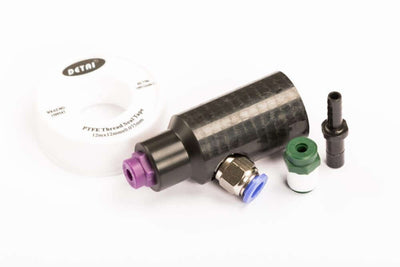
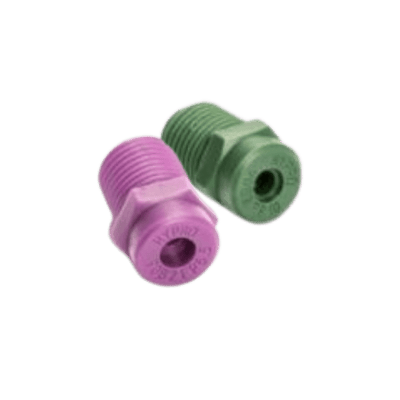
For taller elevations, contractors may use specialist softwashing equipment or pole-fed application systems. A tool such as a water fed pole softwash nozzle can help apply solution at height while keeping pressure low and improving operator control.
Work in manageable sections. Keep a wet edge. Avoid random stopping points in the middle of a wall because this can create visible lap marks. On large commercial elevations, plan natural breaks at corners, movement joints, downpipes or architectural features.
Step 5: Allow Dwell Time, But Do Not Let It Dry
Dwell time is the period where the solution is left in contact with the staining so it can work. On coloured render, dwell time must be managed carefully.
Too little dwell time can lead to poor results and unnecessary repeat application. Too much dwell time, especially in sun or wind, can cause drying, residue or uneven reaction.
Best practice includes:
- Working out of direct sunlight where possible
- Avoiding hot render surfaces
- Monitoring wind drift
- Reapplying lightly only where needed to keep the surface active
- Following product instructions rather than guessing
Step 6: Rinse Carefully Where Required
Some treatments require rinsing, while others may be designed as leave-on biocidal treatments. Always follow the product label and method statement.
When rinsing coloured render, use low pressure. The rinse is to remove residue and loosened soiling, not to cut dirt from the wall. Keep the nozzle at a sensible distance and avoid forcing water into cracks or under trims.
Step 7: Inspect Once Dry
Render can look different when wet. Final judgement should be made once the surface has dried properly. Some organic staining continues to fade after treatment, particularly where a slower-acting biocidal treatment has been used.
Explain this to clients before starting. It helps manage expectations and avoids the common misunderstanding that every render clean must look fully finished while the wall is still wet.
Common Mistakes When Cleaning Coloured Render
Using Too Much Pressure
Pressure washer stripes on coloured render are easy to create and difficult to hide. Once the textured face is scarred or the pigment is disturbed, the wall may need coating or re-rendering to restore an even appearance.
Mixing Chemicals Without Understanding Them
Never mix chemicals unless the product manufacturer specifically instructs it. In particular, avoid mixing chlorine-based products with acids or incompatible cleaners. Dangerous gases can be released, and the reaction can damage surfaces and harm people.
Cleaning In The Wrong Weather
Wind creates overspray risk. Strong sun dries solution too quickly. Heavy rain can dilute and wash product into unwanted areas. Cold weather can slow results. For coloured render, mild, overcast conditions are often ideal.
Assuming All Discolouration Is Dirt
Some “staining” is actually fading, failed coating, damp ingress, render repair mismatch, shadowing from insulation boards or substrate movement. Cleaning will not correct those defects and may make them more visible.
Skipping Client Communication
On render cleaning jobs, the client needs to understand what is removable, what may improve gradually, and what is permanent. A good contractor explains the process, test patch, risks and realistic outcome before work begins.
Which Stains On Coloured Render Need Specialist Treatment?
Not every mark should be treated with a standard render softwash. The table below gives a practical guide.
| Stain Type | Typical Appearance | Likely Treatment Route | Key Caution |
|---|---|---|---|
| Green algae | Green film, often on shaded or damp walls | Softwashing or biocidal treatment | Control dwell time and avoid drying |
| Black organic staining | Dark streaks or patches, often under sills or on north elevations | Softwash treatment, sometimes repeat application | May fade over time after treatment |
| Rust | Orange or brown runs from fixings, vents or metalwork | Specialist rust remover suitable for the surface | Do not use general render cleaner as a guess |
| Efflorescence | White crystalline deposits | Diagnosis first; may need specialist mineral treatment | Can indicate moisture movement through the wall |
| Carbon staining | Grey or black pollution film near roads or vents | Detergent-assisted cleaning or specialist process | Test carefully to avoid uneven cleaning |
| Failed coating or fading | Patchy colour, chalking or UV degradation | May need coating, not cleaning | Cleaning cannot restore lost pigment |
How Long Will Coloured Render Stay Clean?
How long a coloured render clean lasts depends on exposure, moisture, shade, building design and the treatment used. A shaded north-facing wall surrounded by trees will usually regrow faster than an open south-facing elevation with good airflow.
As a practical guide, a properly cleaned and treated render surface may stay cleaner for many months or several years, but no responsible contractor should promise a permanent result. For more detail, SoftWash UK explains the factors that affect results in its guide to how long does softwashing last.
To reduce regrowth, look beyond the cleaning method. Blocked gutters, leaking overflows, poor drip details, dense planting and constant shade all contribute to repeat algae growth. Facilities managers should treat render cleaning as part of planned building maintenance, not a one-off cosmetic task.
Safety, Compliance And Professional Standards
Coloured render cleaning involves chemicals, working at height, water management and public safety. UK contractors should be working with proper COSHH controls, PPE, Safety Data Sheets, environmental precautions and documented RAMS.
Important safety points include:
- Read and follow product labels and SDS before use
- Wear suitable gloves, eye protection, footwear and clothing
- Use respiratory protection where the risk assessment requires it
- Prevent public access to the work area
- Do not spray in windy conditions where drift cannot be controlled
- Protect watercourses, ponds and sensitive planting
- Store, transport and dilute chemicals responsibly
- Never use unlabelled containers or unidentified chemicals
Professional training is strongly recommended if you are offering render cleaning commercially. The SoftWash UK training course covers practical softwashing principles, chemical understanding, application methods, safety thinking and business standards for contractors who want to work more confidently and professionally.
If this is an area you want to understand properly, you can start by accessing the free SoftWash UK course preview. It includes selected lessons from the full training course and is designed to help contractors see whether professional softwashing training is the right next step.
Best Practice Tips From Real Render Cleaning Work
On live jobs, the small details often make the difference between an average clean and a professional result.
- Photograph every elevation before starting, including existing cracks and patch repairs.
- Agree whether the goal is improvement, full organic stain removal, or maintenance treatment.
- Test the worst area and a more visible area, not just the easiest section.
- Start with the least aggressive effective method.
- Keep application even and avoid heavy runs.
- Work around the building logically so dwell times remain consistent.
- Rinse windows, frames, metals and plants thoroughly where required.
- Do not quote render cleaning from photos alone unless you include strong assumptions and exclusions.
- Explain that historic staining, repairs and fading may remain visible after cleaning.
FAQ: Cleaning Coloured Render Safely
Can you pressure wash coloured render?
In most cases, high-pressure washing is not recommended for coloured render. It can scar the surface, create stripes, force water into defects and remove pigment or texture. Low-pressure rinsing may be used as part of a softwashing process, but direct high-pressure cleaning should only be considered where the render manufacturer confirms it is suitable and a test patch proves it safe.
Will softwashing bleach coloured render?
Softwashing should not bleach coloured render when the correct product, strength, dwell time and rinsing process are used. However, over-strong chemical mixes, poor application, hot surfaces or allowing solution to dry can cause lightening or patchiness. This is why test patches, product knowledge and controlled application are essential.
What is the best cleaner for algae on coloured render?
The best cleaner depends on the render type, staining level and site conditions. Organic algae staining is commonly treated with a suitable professional softwash solution or biocidal treatment. The product must be compatible with the surface and used according to label instructions, COSHH guidance and a safe method statement.
Can I clean K Rend or silicone render myself?
A competent DIY user may be able to clean small, accessible areas if they use appropriate products, low pressure and follow safety guidance. However, larger elevations, working at height, heavy staining, chemical handling and valuable properties are best handled by trained professionals. Always check manufacturer guidance and test a small area first.
Why does render go green again after cleaning?
Render goes green again when spores return and the surface remains damp enough for algae to grow. Shade, trees, leaking gutters, poor airflow, north-facing walls and rough texture all increase the risk. A professional softwashing approach can slow regrowth, but ongoing maintenance and moisture control are important.
Should coloured render be rinsed after softwashing?
It depends on the product and the method. Some cleaning treatments are rinsed after a controlled dwell time. Some biocidal treatments are designed to remain on the surface and weather away gradually. Always follow product instructions and consider the building, neighbouring surfaces, runoff and client expectations.
Conclusion: Clean Coloured Render Gently, Methodically And Professionally
The safest way to clean coloured render is not to attack it with pressure. It is to inspect the surface, identify the staining, test the method, apply suitable chemistry at low pressure, manage dwell time and rinse carefully where required. This approach protects the render, produces a more even finish and reduces the risk of expensive damage.
For contractors and facilities managers, coloured render cleaning is a service where professionalism shows. Good survey work, clear client communication, proper documentation, safe chemical handling and the right equipment make the job safer and the result more predictable.
SoftWash UK supports the exterior cleaning industry with professional softwashing chemicals, equipment, training and Knowledge Centre resources. If you are cleaning coloured render commercially, take time to build your technical understanding, use products responsibly and follow UK best practice. The better your process, the better your results and the lower your risk.
To develop your render cleaning capability further, explore SoftWash UK’s professional product range, training resources and educational guidance, and build a method that is safe, repeatable and suitable for the surfaces you are trusted to clean.