Why Softwash Solutions Fail Without a Quality Surfactant
Softwash solutions often fail because the active chemical cannot stay on the surface long enough, spread evenly, or penetrate the organic growth it is trying to treat. A quality surfactant solves this by reducing surface tension, improving wetting, increasing cling, supporting dwell time and helping the solution contact algae, lichen, mould and biofilm more effectively.
For UK exterior cleaning contractors, facilities managers, property maintenance teams and serious DIY users, the surfactant is not a “nice extra”. It is a critical part of a professional softwashing system. Without it, even a correctly mixed sodium hypochlorite or biocidal solution can sheet off the surface, leave patchy results, waste chemical, increase rework and create avoidable safety and environmental issues.
In practice, many softwashing failures blamed on “weak chemical”, “bad weather” or “stubborn growth” are actually caused by poor surface contact. That often comes down to using no surfactant, using the wrong surfactant, under-dosing it, or choosing a product that is not compatible with the cleaning chemistry being applied.
What Does a Surfactant Do in Softwashing?
A surfactant is an additive that changes how liquid behaves on a surface. In softwashing, it helps the cleaning solution wet, spread and cling rather than bead up and run away. If you want a deeper explanation of the chemistry and terminology, SoftWash UK has a useful Knowledge Centre guide on What Is A Softwash Surfactant.
On a real job, the benefits are easy to see. Apply plain water to aged render, painted cladding or roof tile and it may bead, streak or run straight down. Add the correct surfactant and the solution forms a more even film, hangs on vertical surfaces for longer and reaches into pores, laps, overlaps and textured areas more effectively.
The main functions of a quality softwash surfactant
- Wetting: Helps the solution spread across surfaces instead of forming droplets.
- Cling: Helps the chemical remain on walls, roofs, fascias and textured substrates.
- Dwell time: Gives the active ingredient more time to work before drying or running off.
- Penetration: Helps reach into biofilm, algae, moss residues, lichen colonies and porous surfaces.
- Coverage: Makes it easier for the operator to see where the product has been applied.
- Efficiency: Reduces wasted chemical and avoidable repeat applications.
Why Softwash Solutions Fail Without a Quality Surfactant
The short answer is poor contact. Softwashing relies on controlled chemical contact, not high pressure. If the solution does not properly contact the contamination, the active ingredient cannot do its job consistently.
This is particularly important on UK properties where exterior surfaces are often damp, weathered, porous, uneven, coated in atmospheric pollution, or covered in established organic growth. North-facing elevations, shaded render, roof tiles under trees, commercial cladding and block paving edges all present different challenges. A good surfactant helps the softwash solution work across these conditions more predictably.
1. The solution runs off too quickly
On vertical render, painted masonry, uPVC cladding and tiled roofs, a thin solution without surfactant often runs off before it has had enough dwell time. Contractors may then increase chemical strength to compensate, but that is not always the right answer. In many cases, the solution simply needed better cling and wetting.
Excessive run-off can also increase the amount of chemical reaching gutters, drains, soil, plants and hardstanding. From a professional point of view, better cling supports safer, more controlled application.
2. The surface is not wetted evenly
Organic growth is rarely uniform. Algae and biofilm can form a resistant layer that causes liquids to bead or break apart. Without a surfactant, the softwash solution may leave missed areas, zebra striping or patchy drying patterns.
This is especially common on coloured render and commercial building envelopes. A contractor may finish the job believing the surface has been fully treated, only for shaded patches to remain visible after rinsing or weathering.
3. Dwell time is reduced
Dwell time is the period the product remains active on the surface. If a solution dries too quickly, washes off in light rain, or slides down the wall within seconds, performance drops sharply.
A quality surfactant helps extend practical dwell time. It does not remove the need for correct timing, weather judgement or safe chemical handling, but it gives the active ingredients a better chance to work.
4. Chemical use increases unnecessarily
One of the most common mistakes in softwashing is assuming stronger always means better. Poor wetting can make a properly dosed solution look weak. Instead of fixing the contact problem, some operators increase sodium hypochlorite concentration or apply repeated coats.
This can increase cost, odour, risk to sensitive materials and the likelihood of plant damage or staining. A quality surfactant can help achieve the required result with a more controlled application.
5. Results become inconsistent between jobs
Contractors need repeatable results. If a solution works well on one property but poorly on another, the cause may be surface type, weather, organic load, water quality, mix accuracy or surfactant performance.
Using a purpose-made surfactant helps remove one major variable. It allows the contractor to build a reliable method rather than guessing on every job.
Quality Surfactant vs Cheap Detergent: What Is the Difference?
Not every detergent is suitable for softwashing. Washing-up liquid, general household cleaners and unsuitable industrial detergents can create foam problems, reduce performance, react poorly with oxidising chemistry, leave residues or create unnecessary environmental concerns.
Purpose-made softwash surfactants are designed for the specific demands of exterior cleaning. For example, Clever Wash Surfactant is formulated for professional softwashing use, where cling, wetting and compatibility matter on real exterior surfaces.
| Factor | Quality Softwash Surfactant | Cheap or Unsuitable Detergent |
|---|---|---|
| Surface wetting | Designed to spread solution evenly across exterior surfaces | May bead, streak or give inconsistent coverage |
| Cling | Helps solution remain on vertical and textured surfaces | Often runs off quickly or creates excessive foam |
| Chemical compatibility | Formulated for softwashing applications when used correctly | May be unstable or unsuitable with oxidising chemicals |
| Professional control | Supports predictable dwell time and coverage | Can make application harder to judge |
| Residue risk | Designed for exterior cleaning use | May leave films, marks or sticky residues |
| Cost in practice | Usually reduces waste and rework | Can appear cheap but cost more through poor results |
Where Surfactants Make the Biggest Difference
Surfactants are useful across many softwashing applications, but they are particularly important where surface contact is difficult. In day-to-day UK exterior cleaning, the difference is most noticeable on vertical elevations, textured surfaces, porous materials and areas with heavy organic growth.
Rendered walls
Render is one of the clearest examples. Algae contamination on silicone render, monocouche, painted render and textured finishes can be patchy and stubborn. A solution without adequate surfactant often races down the wall, leaving high spots and missed areas.
A good surfactant improves contact across the texture, helping the treatment reach into the surface profile. This is especially useful when working on multi-storey elevations where even application and reduced run-off are important.
Roof tiles
Concrete and clay roof tiles have laps, pores, overlaps and weathered surfaces where organic contamination can shelter. Surfactant helps the solution hold and spread, particularly when treating residual algae and lichen after moss removal.
Roof work also carries additional safety considerations. Contractors should avoid unnecessary foot traffic, assess access carefully, protect gutters and downpipes, and work within suitable weather windows. Chemical efficiency is important, but it must never come at the expense of safe roof working practice.
Cladding and commercial buildings
Facilities managers often judge exterior cleaning by consistency. Patchy results on composite cladding, painted metal, signage areas or commercial elevations are highly visible. A surfactant helps create a more even application pattern, which is particularly important when working around entrances, public areas and operational sites.
Paths, drives and hard surfaces
On hardstanding, surfactant can help the solution penetrate organic films around edges, joints and textured paving. However, drainage control matters. Contractors should consider where run-off will travel and whether containment or dilution methods are required.
How to Use a Surfactant Correctly in a Softwash Mix
Always follow the product label, Safety Data Sheet and method statement for the chemicals you are using. The correct amount of surfactant depends on the product, surface, application method and desired cling. More is not automatically better.
Where sodium hypochlorite is used as part of a softwashing process, contractors should use a suitable product, handle it responsibly and understand the risks. SoftWash UK supplies sodium hypochlorite for soft washing, but it should only be used with appropriate knowledge, PPE, dilution control, storage and site protection.
Step-by-step best practice
- Survey the surface first. Identify the substrate, contamination type, drainage routes, sensitive materials, vegetation, access risks and nearby people or animals.
- Check compatibility. Confirm that your surfactant is suitable for the chemical system being used. Do not mix products unless the manufacturer’s guidance supports it.
- Prepare the area. Pre-wet and protect plants where appropriate, control run-off, isolate vulnerable metals where needed and communicate with occupants or site users.
- Mix accurately. Use clean containers, measured dosing and the correct order of addition according to product guidance. Avoid guesswork.
- Apply evenly. Use suitable low-pressure softwashing equipment and work methodically from safe positions.
- Allow controlled dwell time. Keep the surface damp where required, avoid over-application and monitor the reaction rather than walking away.
- Rinse or leave as specified. Some treatments require rinsing; others are designed to weather off. Follow the chemical guidance and site requirements.
- Review the result. Note what worked, what required adjustment and whether the surfactant level was appropriate for similar future jobs.
Choosing the Best Softwash Surfactant
The best surfactant is not simply the one that foams the most. Foam can help the operator see coverage, but excessive foam is not the same as effective wetting or cling. When choosing a product, look for practical performance, compatibility, ease of rinsing, reliable dosing and suitability for UK exterior surfaces.
SoftWash UK’s Knowledge Centre guide to the best softwash surfactant is a useful supporting resource if you want to compare what matters beyond price per litre.
Key selection criteria
- Compatibility: Suitable for the chosen softwashing chemical system.
- Cling performance: Enough hold for vertical and textured surfaces without causing application problems.
- Wetting ability: Helps the solution spread evenly rather than bead.
- Controlled foam: Visible enough to support application, not so much that it becomes difficult to manage.
- Rinse behaviour: Should not leave unwanted residue when used correctly.
- Professional support: Clear guidance, SDS availability and supplier knowledge.
Common Mistakes That Cause Surfactant-Related Failures
Using household washing-up liquid
This is one of the most persistent myths in exterior cleaning. Household washing-up liquid is not designed as a professional softwash surfactant. It may foam, but that does not mean it provides the right wetting, cling, compatibility or rinse profile.
Adding too much surfactant
Over-dosing can create excessive foam, slow rinsing, leave residues and make the job harder to control. It can also hide poor application technique. Accurate dosing is part of professional chemical handling.
Assuming surfactant replaces surface preparation
Surfactant improves contact, but it does not replace scraping heavy moss, removing loose debris, assessing fragile surfaces or carrying out a proper pre-clean where needed.
Ignoring water quality and weather
Cold temperatures, strong wind, direct sun, rain risk and very dry porous surfaces can all affect performance. Surfactant helps, but the operator still needs to choose suitable working conditions.
Using the same mix for every job
A heavily colonised north-facing render elevation is not the same as light green algae on a small patio wall. Professional softwashing requires adjustment based on surface, soiling, sensitivity and site risk.
Safety, Compliance and Responsible Use
Softwashing involves chemicals that must be handled responsibly. A quality surfactant can improve control, but it does not remove the need for safe systems of work.
Contractors should complete risk assessments, COSHH assessments and method statements before work begins. For those building professional documentation, the Risk Assessment and Method Statement Pack for Exterior Cleaning can help structure site-specific safety planning.
Best-practice safety points
- Read and understand the Safety Data Sheet for every product used.
- Wear suitable PPE, including chemical-resistant gloves and eye or face protection where required.
- Never mix chemicals unless the manufacturer’s guidance confirms compatibility.
- Protect plants, metals, painted surfaces, ponds, pets and public access areas.
- Control overspray, especially in wind or near roads, neighbouring properties and open windows.
- Label containers correctly and store chemicals securely.
- Have clean water available for rinsing, spill control and emergency response.
- Train staff properly before allowing them to mix or apply softwash chemicals.
Professional training is especially valuable because good softwashing is a process, not just a chemical purchase. It brings together survey skills, mixing, application, dwell time, rinsing, equipment setup, customer communication and compliance.
Equipment Matters Too: Surfactant Works Best With Controlled Application
A good surfactant cannot compensate for poor application equipment. If your pump output is inconsistent, nozzles are unsuitable, or the operator cannot control spray pattern and flow, results will still suffer.
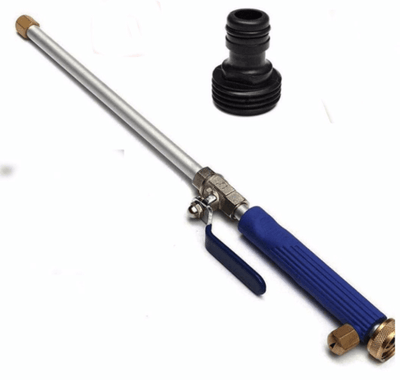
Contractors should use suitable low-pressure systems and application tools designed for softwashing rather than relying on improvised setups. SoftWash UK’s range of soft washing equipment includes professional options for controlled chemical application, helping contractors work more consistently and safely.
Practical equipment considerations
- Use chemical-compatible pumps, hoses, seals and fittings.
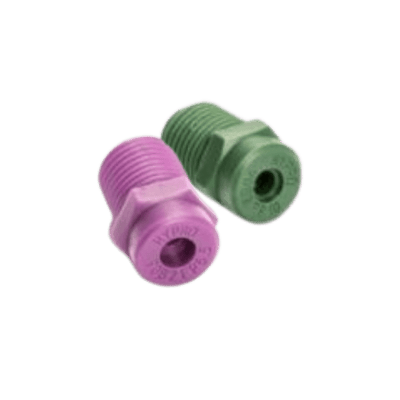
- Choose nozzles that deliver an even pattern without excessive misting.
- Maintain filters and check for blockages before starting work.
- Calibrate application rates so you understand how much solution is being applied.
- Flush equipment correctly after use according to manufacturer guidance.
A Practical Example: Patchy Render Cleaning
Consider a common job: a two-storey rendered house with green algae on the north and west elevations. The contractor mixes a suitable softwash solution but uses no surfactant. On application, the solution runs down the render quickly, leaving wet vertical streaks. Some areas lighten, others remain green. The contractor returns and applies a stronger mix, increasing chemical use and customer concern about odour.
Now consider the same job with a suitable surfactant. The solution wets the textured render more evenly and clings long enough to work. The contractor can see coverage, control dwell time and reduce missed patches. The result is more consistent, with less wasted product and less need for repeat application.
The lesson is simple: if the active ingredient is not held where the contamination is, strength alone is not the solution.
When a Surfactant Will Not Fix the Problem
A surfactant is important, but it is not magic. If results are poor, check the full process before blaming one component.
| Problem | Possible Cause | What to Check |
|---|---|---|
| Organic growth remains after treatment | Insufficient dwell time, poor coverage or wrong chemical strength | Application pattern, weather, mix accuracy and contamination level |
| Solution dries too quickly | Direct sun, wind or porous surface | Timing, pre-wetting strategy and surfactant dose |
| Excessive foam | Too much surfactant or unsuitable product | Dosing, product choice and application pressure |
| Staining remains after organic growth is treated | Non-organic staining such as rust, tannin, lead or oil | Identify stain type and use the correct specialist treatment |
| Plant damage risk | Poor run-off control or inadequate protection | Pre-wetting, rinsing, containment and site supervision |
If this is an area you want to understand properly, you can start by accessing the free SoftWash UK course preview. It includes selected lessons from the full training course and is designed to help contractors see whether professional softwashing training is the right next step.
FAQ: Softwash Surfactants
Do I always need a surfactant in a softwash solution?
In most exterior softwashing applications, yes, a suitable surfactant improves wetting, cling and dwell time. There may be specialist situations where a specific product is used without one, but for render, roofs, cladding and many hard surfaces, surfactant usually improves consistency and efficiency.
Can I use washing-up liquid instead of a softwash surfactant?
It is not recommended. Washing-up liquid is not designed for professional softwashing chemistry or exterior surface cleaning. It may foam, but that does not mean it provides the right compatibility, cling, rinse behaviour or professional control.
Does more surfactant make the solution stronger?
No. Surfactant does not usually increase the strength of the active chemical. It helps the active ingredients contact the surface more effectively. Too much surfactant can create excessive foam, residues and application problems.
Will a surfactant remove black lichen on its own?
No. A surfactant helps the cleaning solution contact the lichen, but it is not normally the active ingredient responsible for killing or breaking down organic growth. Black lichen can be persistent and may require correct chemical choice, dwell time and sometimes repeated weathering or treatment.
Can surfactant reduce chemical waste?
Yes. By improving coverage and cling, a quality surfactant can reduce run-off and repeat application. This can lower product waste, improve job efficiency and support more controlled site management.
Is surfactant safe to use around plants?
Surfactant still forms part of a chemical cleaning system, so plant protection is essential. Pre-wet vegetation, control run-off and rinse thoroughly where required. Always follow the product label and SDS, and carry out a site-specific risk assessment.
Conclusion: A Quality Surfactant Turns Chemical Strength Into Practical Performance
Softwash solutions fail without a quality surfactant because the active chemical cannot work properly if it does not wet, cling and dwell on the surface. In the real world, that means patchy render, streaked cladding, wasted chemical, unnecessary repeat visits and less predictable results.
For professional contractors and facilities teams, surfactant choice should be treated as part of the method, not an afterthought. The right product improves surface contact, supports safer application, reduces waste and helps deliver more consistent outcomes across UK exterior cleaning jobs.
If you are reviewing your softwashing process, start with the basics: correct survey, suitable chemistry, quality surfactant, controlled equipment, accurate dosing, safe working practice and proper training. SoftWash UK supplies professional softwashing chemicals, equipment and educational resources to help contractors build safer, more reliable systems.
To explore suitable products and improve your process, visit SoftWash UK for professional surfactants, softwash chemicals, equipment, training and Knowledge Centre guidance designed specifically for the UK exterior cleaning industry.