Why Patio Black Spots Keep Returning
Patio black spots keep returning because the underlying lichen, algae and organic contamination have not been fully killed or removed from the pores of the paving. Pressure washing often removes the visible surface staining, but black spot lichen can remain rooted into sandstone, limestone, concrete slabs and other porous materials. If the surface is left damp, shaded, nutrient-rich or untreated after cleaning, the black spots can reappear within months.
For UK exterior cleaning contractors, facilities managers, property maintenance teams and serious DIY users, the key point is this: black spot removal is not just a washing job. It is a biological treatment, surface preparation and maintenance issue. The best long-term results usually come from correct identification, suitable chemistry, controlled dwell time, safe rinsing, and an aftercare plan that reduces regrowth conditions.
This article explains why patio black spots return, how to treat them properly, what common mistakes to avoid, and how to extend the time between cleans using safe, professional methods.
What Are Patio Black Spots?
Patio black spots are most commonly caused by black lichen and related biological growths that colonise porous outdoor surfaces. They are often seen on natural stone patios, Indian sandstone, limestone, concrete paving, block paving and occasionally on porcelain edges or grout lines where organic matter collects.
Unlike loose green algae or surface dirt, black lichen bonds tightly to the surface. It develops a tough outer layer and can penetrate into microscopic pores and surface texture. That is why it can survive standard pressure washing and return quickly if the organism is not neutralised.
Black Spot Lichen Versus Dirt, Algae and Staining
Correct identification matters. Many failed patio cleaning jobs start with the wrong diagnosis.
| Contamination Type | Typical Appearance | Common Cause | Best Treatment Approach |
|---|---|---|---|
| Black spot lichen | Small black or dark grey circular spots that cling tightly to paving | Lichen colonisation within porous stone or concrete | Biocidal or oxidising treatment with sufficient dwell time, followed by controlled rinsing |
| Green algae | Green film, slippery surface, often in shaded areas | Damp conditions, poor sunlight, organic debris | Softwash treatment and rinse, with maintenance to reduce recurrence |
| General dirt | Brown or grey soiling, usually removable by washing | Foot traffic, soil, atmospheric pollution | Pressure washing or surface cleaning, sometimes with detergent support |
| Rust, tannin or metal staining | Orange, brown or tea-coloured marks | Metal furniture, fertiliser, leaves, timber tannins | Specialist stain remover matched to the stain type |
Why Patio Black Spots Keep Returning
The short answer is that the black spot organism was not fully treated, or the patio conditions allowed rapid recolonisation. In practice, several causes often overlap.
1. Pressure Washing Removes the Top, Not the Root
Pressure washing can make a patio look dramatically better on the day. However, black lichen is not simply sitting on the surface like mud. It can anchor itself into the microscopic texture of paving. A high-pressure lance may remove the visible cap but leave living material behind.
Contractors often see this when a patio looks clean after washing, then black dots become visible again once the stone dries. In other cases, the spots return over several weeks because the organism was weakened but not fully neutralised.
There is also a practical risk: chasing black spots with excessive pressure can scar sandstone, open up the surface, remove jointing material and make the paving more vulnerable to future contamination. For that reason, pressure should support the treatment process, not replace it.
2. The Wrong Cleaning Chemical Was Used
Many general-purpose patio cleaners are designed for light algae, dirt or routine maintenance. They may freshen the surface but struggle with established black lichen. Some acid-based cleaners can help with mineral staining, but they are not automatically suitable for biological black spot removal and may damage sensitive stone if misused.
Professional softwashing usually relies on selecting the correct chemical for the contamination and substrate. For biological growth on hard surfaces, contractors often use sodium hypochlorite-based solutions, specialist surfactants, or appropriate biocidal treatments depending on the surface, site conditions and required outcome. SoftWash UK supplies a range of professional soft wash chemicals for exterior cleaning applications, but product selection should always be guided by label instructions, risk assessment and surface suitability.
3. Insufficient Dwell Time
One of the most common reasons black spots return is impatience. Applying a treatment and rinsing it off too quickly rarely gives enough contact time to break down the lichen structure.
Dwell time depends on the product, dilution, level of infestation, temperature, moisture, wind and surface porosity. On a cool, damp UK morning, chemistry behaves differently from a warm, dry afternoon. If the solution dries too fast, it may stop working before it has penetrated the contamination. If it is rinsed too soon, it may only bleach the surface rather than treat the growth properly.
4. Poor Wetting and Contact on Textured Stone
Black spot lichen often hides in pits, riven texture, edges, joints and low points. If the treatment beads up or runs off too quickly, the active ingredient may not reach where it is needed.
This is where surfactants can help. A suitable surfactant improves wetting, cling and contact time, particularly on vertical edges, textured stone and uneven paving. For professional applications, a product such as Clever Wash Surfactant can be useful when a contractor needs better solution coverage and dwell control. As with all chemical use, it should be used according to the product guidance and within a safe cleaning method.
5. The Patio Was Not Rinsed or Neutralised Appropriately
After treatment, residues, dead organic matter and loosened contamination need to be removed safely. If residue is left in joints, corners and drainage channels, it can hold moisture and nutrients. That creates conditions for new biological growth.
Rinsing also needs to be controlled. Run-off should be managed to protect plants, lawns, ponds, watercourses, metals and sensitive adjacent surfaces. On commercial sites, facilities managers should expect contractors to have a clear method statement covering containment, dilution, drainage and environmental protection.
6. The Surface Remains Damp and Shaded
Even a well-cleaned patio can develop black spots again if the environment favours regrowth. Lichen, algae and moss thrive where surfaces stay damp and organic debris accumulates.
Common site conditions that encourage returning black spots include:
- North-facing patios with limited sunlight
- Overhanging trees, hedges and shrubs
- Poor fall or drainage causing standing water
- Blocked gullies and slow-draining channels
- Leaf litter and soil washed onto the paving
- Leaking gutters, downpipes or outdoor taps
- Planters and furniture trapping moisture underneath
On facilities sites such as courtyards, care homes, schools, hospitality venues and communal walkways, these conditions are especially important because slip risk can increase when algae returns.
7. No Post-Treatment or Maintenance Plan Was Used
A one-off deep clean can restore appearance, but it does not permanently change the environment. For long-term control, many contractors use a maintenance approach: deep clean first, then periodic low-pressure treatment to suppress regrowth before black spots become established again.
This is often more cost-effective for clients. It reduces the need for aggressive cleaning, helps protect the paving, and keeps outdoor spaces safer and more presentable throughout the year.
The Correct Professional Approach to Black Spot Patio Cleaning
There is no single method that suits every patio, but a professional process should be structured, controlled and substrate-aware. The following step-by-step method reflects typical best practice for exterior cleaning professionals in the UK.
Step 1: Survey the Surface and Identify the Material
Before applying any chemical, identify the paving type. Indian sandstone, limestone, concrete, granite, slate, clay pavers and porcelain all behave differently. Natural stone can contain minerals that react with unsuitable chemicals. Some surfaces are sealed, and older sealers may fail or discolour when exposed to strong cleaning agents.
Check for:
- Stone type and condition
- Existing sealers or coatings
- Failed jointing compound
- Cracks, spalling or delamination
- Nearby plants, lawns, ponds and water features
- Metals such as aluminium, lead, copper, galvanised steel and ironwork
- Drainage route and run-off control
Step 2: Carry Out a Test Patch
A small test patch is essential, particularly on natural stone or unfamiliar surfaces. It confirms chemical compatibility, dwell time, likely result and any risk of colour change. For contractors, a test patch also helps set realistic client expectations. Some deeply embedded black lichen may need more than one treatment cycle.
Step 3: Remove Loose Debris and Organic Matter
Sweep or blow away leaves, soil, moss and loose dirt. Heavy contamination can shield black spots from treatment. Clearing the surface first improves contact and reduces chemical demand.
Step 4: Pre-Wet Sensitive Areas
Pre-wet surrounding vegetation, lawns and vulnerable adjacent surfaces where appropriate. Move furniture, planters and metal items away from the work area. Protect or rinse metals and painted surfaces quickly if accidental contact occurs, following the relevant safety data and product guidance.
Step 5: Apply the Correct Treatment Evenly
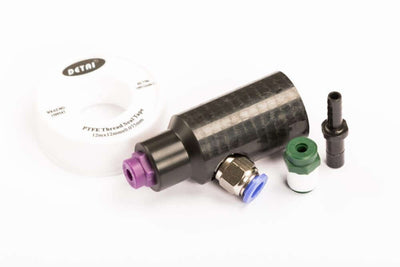
Apply the selected softwash solution evenly using suitable equipment. Avoid random over-application and uncontrolled run-off. On larger sites, calibrated proportioning equipment can improve consistency and reduce waste. SoftWash UK offers soft washing equipment suitable for professional exterior cleaning work, including systems designed to help contractors apply treatments more accurately.
Where sodium hypochlorite is appropriate for the surface and task, contractors may use a controlled solution made from professional-grade material such as sodium hypochlorite for soft washing. This must be handled with care, never mixed with acids or incompatible chemicals, and always used in accordance with the safety data sheet, product label and legal duties under COSHH.
Step 6: Allow Suitable Dwell Time
Keep the surface active for the required dwell period. Do not allow treatment to dry out where this would reduce effectiveness or increase staining risk. On warm or windy days this may mean working in smaller sections, lightly reapplying as needed, or choosing better weather conditions.
Step 7: Agitate Where Needed
Some black spots respond better with gentle agitation using a suitable brush after the treatment has softened the biological growth. Avoid wire brushes on delicate stone, as they can leave metal marks or scratch the surface.
Step 8: Rinse Safely and Inspect
Rinse thoroughly using controlled pressure suitable for the surface. The aim is to remove dead contamination and residues without damaging the paving or joints. Inspect once dry, because damp stone can hide remaining spots. A second treatment may be needed on heavily colonised patios.
Step 9: Recommend Maintenance
Explain to the client why black spots may return if the area remains damp, shaded or neglected. A realistic maintenance plan is better than promising a permanent cure. For commercial sites, schedule treatments around footfall, access requirements and slip-risk management.
Pressure Washing Versus Softwashing for Returning Black Spots
Pressure washing and softwashing are not enemies. Used correctly, they complement each other. The mistake is relying on pressure alone for a biological problem.
| Method | Strengths | Limitations | Best Use |
|---|---|---|---|
| Pressure washing | Removes loose dirt, moss, mud and surface growth quickly | May not kill black lichen roots; can damage soft stone or joints if overused | Surface preparation and final rinsing when pressure is controlled |
| Softwashing | Treats biological growth chemically and reaches textured areas more effectively | Requires chemical knowledge, dwell control, safety procedures and surface testing | Black spot lichen, algae and organic staining where biological control is needed |
| Combined approach | Improves visual results and long-term control | Needs professional judgement to avoid over-treatment or surface damage | Most established patio black spot cleaning projects |
Common Mistakes That Make Black Spots Come Back Faster
Using Too Much Pressure
High pressure may give an instant visual improvement, but it can roughen the surface and create more microscopic niches for lichen to establish. On riven sandstone, aggressive turbo nozzle use can leave permanent wand marks.
Assuming Bleaching Means Killing
A surface can look lighter after treatment without the full organism being neutralised. Proper result assessment should be made after rinsing and drying, and sometimes after a short weathering period.
Cleaning in the Wrong Weather
Hot sun, strong wind, heavy rain and freezing conditions can all reduce control. Fast drying reduces dwell time. Rain can dilute treatment prematurely. Cold conditions slow chemical action and may create slip or ice hazards.
Ignoring Drainage and Shade
If water sits on the paving every time it rains, black spots are likely to return. Cleaning alone cannot compensate for a patio that never dries out. Where possible, clear drains, reduce overhanging vegetation and address leaks.
Not Managing Client Expectations
Some clients expect a heavily contaminated ten-year-old patio to look brand new after one visit. A professional contractor should explain that black spot removal may require staged treatment, and that natural stone can retain age-related marks, mineral variation and weathering.
Safety and Compliance Notes for UK Exterior Cleaning
Black spot cleaning often involves chemical application, working around the public, slippery surfaces, run-off management and manual handling. For contractors and facilities managers, safety is not optional.
Before starting work, consider:
- COSHH assessment for all chemicals used
- Product safety data sheets and label instructions
- PPE including gloves, eye protection, suitable footwear and protective clothing
- Public exclusion zones and signage
- Plant, pond and watercourse protection
- Safe storage, transport and dilution procedures
- Emergency wash-down water and spill response
- Safe working around steps, slopes and wet surfaces
For businesses that want a more professional compliance framework, SoftWash UK provides a Risk Assessment and Method Statement pack for exterior cleaning, which can help contractors build safer, more consistent working procedures. Training is also valuable for teams using softwashing chemistry regularly, especially where staff need to understand dilution, application, substrate testing and site controls.
How to Stop Patio Black Spots Returning So Quickly
You cannot stop outdoor surfaces from being exposed to spores, moisture and organic matter. However, you can slow the return of black spots significantly with good cleaning practice and maintenance.
Practical Prevention Measures
- Keep patios swept and free from leaves, soil and moss.
- Move planters and furniture periodically so the surface can dry.
- Trim overhanging vegetation to increase airflow and sunlight.
- Clear blocked drains, gullies and channel drainage.
- Repair dripping gutters, outdoor taps and downpipes.
- Use a planned maintenance softwash treatment before black spots become established.
- Avoid excessive pressure washing that opens the surface texture.
Maintenance Frequency
Maintenance intervals vary by site. A sunny porcelain patio may only need light periodic washing, while a shaded sandstone courtyard under trees may need regular biological treatment. For commercial and public-facing sites, it is sensible to inspect high-risk areas quarterly and clean before slip risk, staining or complaints become a problem.
| Site Type | Typical Risk Level | Suggested Inspection Frequency | Maintenance Notes |
|---|---|---|---|
| Sunny domestic patio | Low to moderate | Every 6 to 12 months | Keep clear of debris and treat early signs of algae or lichen |
| Shaded sandstone patio | High | Every 3 to 6 months | Likely to need periodic softwash maintenance |
| Commercial courtyard | Moderate to high | Quarterly | Include slip-risk checks and planned cleaning windows |
| Tree-covered communal walkway | High | Monthly to quarterly | Control leaf litter and monitor drainage closely |
When Professional Training Makes a Difference
Black spot removal looks simple until a surface reacts badly, plants are damaged, run-off reaches the wrong drain, or a client complains that spots have returned. Professional training helps contractors understand why certain methods work, where they fail, and how to clean safely without relying on guesswork.
The SoftWash UK Soft Wash Training Course is relevant for contractors who want to improve chemical application, surface assessment, safety procedures and professional results. For property maintenance professionals and facilities teams, training can also help with contractor supervision, method statement review and planned maintenance decisions.
Frequently Asked Questions About Patio Black Spots Returning
Why do black spots come back after pressure washing?
Black spots come back after pressure washing because the living lichen can remain embedded in the pores and texture of the paving. Pressure washing removes surface dirt and some visible growth, but it may not fully kill the biological contamination. A suitable softwash treatment and correct dwell time are usually needed for longer-lasting results.
Are patio black spots the same as mould or algae?
Not usually. Patio black spots are often black lichen, which is tougher and more strongly attached than green algae or surface mould. Algae may create slippery green films, while black lichen commonly appears as small dark circular spots that resist ordinary washing.
Can I permanently remove black spot lichen from a patio?
You can remove or significantly reduce existing black spot lichen, but no outdoor cleaning method can permanently prevent future biological growth. Spores, moisture and organic debris will continue to reach the surface. Long-term control depends on correct treatment, drainage, sunlight, airflow and maintenance.
Will sealing a patio stop black spots returning?
Sealing may reduce porosity and make future cleaning easier, but it is not a guaranteed cure. If a patio is sealed while contamination or moisture is trapped in the surface, problems can continue underneath or around failed sealer. Always clean and dry the surface properly and check product compatibility before sealing.
Is sodium hypochlorite safe for removing patio black spots?
Sodium hypochlorite can be effective for biological staining when used correctly on suitable surfaces, but it must be handled responsibly. It can affect plants, metals, clothing and sensitive materials, and it must never be mixed with acids or incompatible chemicals. Users should follow the safety data sheet, wear appropriate PPE, carry out a test patch and manage run-off carefully.
How long should black spot treatment last?
Results depend on the surface and environment. A sunny, well-drained patio may stay cleaner for much longer than a shaded, damp patio under trees. In high-risk areas, maintenance treatments may be needed every few months to keep growth under control.
Conclusion: Black Spots Return When the Cause Has Not Been Controlled
Patio black spots keep returning because they are a biological problem, not just a cosmetic stain. Pressure alone often removes the visible surface but leaves contamination behind in the pores of the paving. Damp, shaded, nutrient-rich conditions then allow lichen and algae to recolonise.
The most reliable approach is to identify the surface correctly, use suitable softwashing chemistry, allow proper dwell time, rinse safely, and put a maintenance plan in place. For contractors and facilities managers, this means better results, fewer callbacks, safer outdoor surfaces and more realistic client expectations.
SoftWash UK supports the exterior cleaning industry with professional chemicals, equipment, training and educational resources. To improve your black spot removal process, explore the SoftWash UK Knowledge Hub, review suitable products for your application, and consider professional training if you or your team regularly clean patios, paving and hard surfaces.
For contractors looking to work more safely and consistently, visit SoftWash UK to explore professional softwashing chemicals, equipment, compliance resources and training built around real-world exterior cleaning best practice.