How Long Does Roof Cleaning Last?
Roof cleaning typically lasts between 2 and 5 years when the roof is correctly cleaned, the moss is removed where required, and a suitable post-clean biocidal treatment is applied. In sheltered, damp or heavily tree-covered locations, visible regrowth may begin sooner, often within 18 to 36 months. On open, sunny roofs with good airflow, a professional roof clean and treatment can often remain clean-looking for 4 to 5 years or longer.
The biggest factor is not simply how clean the roof looks on the day. It is whether the underlying spores, algae, lichen and moss rhizoids have been properly treated. A roof that is only scraped or pressure washed may look good initially, but it usually regrows much faster than a roof that has been cleaned using a controlled, professional process and then treated with an appropriate biocide.
For UK exterior cleaning contractors, property maintenance professionals, facilities managers and serious DIY users, the real question is not just “how long does roof cleaning last?” but “what combination of preparation, cleaning method, chemical treatment, roof condition and aftercare gives the longest safe result?” This article explains the practical factors that determine roof cleaning longevity and how to improve results professionally and responsibly.
Quick Answer: How Long Different Roof Cleaning Methods Last
| Roof cleaning method | Typical visible result | Typical longevity | Professional note |
|---|---|---|---|
| Manual moss scrape only | Immediate removal of bulk moss | 6 to 18 months | Useful preparation, but does not fully control spores or remaining organic growth without treatment. |
| Pressure washing only | Immediate cosmetic clean | 6 months to 2 years | Can remove surface staining quickly but may increase risk of roof tile damage if used incorrectly. |
| Manual moss removal plus biocide | Immediate moss reduction, gradual improvement | 2 to 5 years | Often the preferred professional approach for many UK pitched tiled roofs. |
| Softwashing with correct dwell time and follow-up treatment | Progressive clean over weeks and months | 3 to 5 years | Good balance of effectiveness, low-pressure application and longer-term organic growth control. |
| Maintenance biocide treatment every 12 to 24 months | Keeps surfaces cleaner for longer | Extends results significantly | Best for commercial sites, estates, care homes, schools and planned maintenance contracts. |
Why Roof Cleaning Longevity Varies So Much
Two similar-looking roofs in the same town can behave very differently after cleaning. In practice, longevity is affected by roof orientation, tile type, surrounding vegetation, weather exposure, drainage, previous treatments and the standard of the original clean.
1. Roof Orientation and Sunlight
North-facing roof slopes usually stay damp for longer. They receive less direct sunlight, so moss, algae and lichen often return faster. South-facing slopes tend to dry more quickly and may stay cleaner for longer after treatment.
On many UK properties, contractors will find the worst moss load on the north or north-east elevation, particularly where trees, chimneys or neighbouring buildings cast shade. When pricing or specifying a roof clean, it is worth explaining to the client that different slopes may weather at different rates after cleaning.
2. Trees, Shade and Airflow
Overhanging trees drop leaves, pollen, sap and organic debris onto the roof. This feeds microbial growth and traps moisture against tiles. Poor airflow also slows drying after rain, creating a better environment for moss and algae.
If a roof sits under mature trees, it may need a maintenance treatment sooner than an open roof. Gutter clearing and debris removal also become more important because blocked gutters can keep lower roof edges wet and allow growth to re-establish quickly.
3. Tile Type and Surface Porosity
Concrete tiles, clay tiles, slate, stone and man-made roof coverings all behave differently. Older concrete tiles can become more porous as they weather. Rougher surfaces give moss and lichen more opportunity to anchor. Smooth slate may shed growth more easily, but it still needs careful access planning because it is often fragile and slippery.
The more porous and textured the roof surface, the more important it is to use a cleaning method that addresses embedded organic growth below the visible surface.
4. The Type of Growth Present
Moss, algae and lichen do not all behave the same way. Moss has bulk and can often be physically removed. Algae can cause widespread dark staining. Lichen can be extremely stubborn because it bonds tightly to the tile surface and may continue to weather off gradually after treatment.
If you are assessing a site and need to explain the cause of growth to a client, SoftWash UK’s Knowledge Centre article on moss on roof tiles is a useful supporting reference. For roofs with pale spots, crusty growth or black and white patches, the guide on lichen on roof tiles explains why lichen often needs a different expectation for results.
Does Roof Cleaning Stop Moss Coming Back Permanently?
No roof cleaning method stops moss, algae or lichen coming back permanently. Spores are naturally present in the environment and will return over time. The aim of professional roof cleaning is to remove established growth, treat the surface correctly, slow recolonisation and make the roof easier to maintain.
A properly treated roof should stay cleaner for much longer than an untreated roof, but it should still be viewed as a maintenance item. For facilities managers, this is particularly important. Roof cleaning should be part of a planned maintenance programme rather than a one-off reactive job once gutters are already overflowing and moss is falling onto paths.
The Cleaning Process Has a Major Effect on How Long Results Last
In the field, the biggest difference between a short-lived roof clean and a long-lasting professional result is usually process discipline. Cutting corners during preparation, access setup, moss removal, chemical application or rinse control can reduce longevity and increase risk.
Step 1: Survey the Roof Before Choosing a Method
Before cleaning, assess:
- Tile condition, cracks, delamination, slipped tiles and previous repairs.
- Roof pitch, fragile areas and access requirements.
- Presence of solar panels, lead flashing, roof lights, vents and gutters.
- Nearby plants, ponds, watercourses and sensitive surfaces.
- Moss depth, lichen coverage and algae staining.
- Run-off management and downpipe discharge points.
A roof with brittle tiles, poor access or extensive defects may not be suitable for aggressive cleaning. If there is any concern about the potential for roof tile damage, the method should be adjusted before work starts.
Step 2: Remove Heavy Moss Where Required
Heavy moss should usually be removed before treatment. If thick moss is left in place, it can shield the tile surface and reduce the effectiveness of the treatment underneath. Manual roof moss removal using appropriate scrapers, poles and safe access is often the first stage on heavily colonised roofs.
For a more detailed explanation, SoftWash UK’s article Should Moss Be Removed Before Roof Treatment explains why preparation affects treatment performance and long-term results.
Step 3: Apply a Suitable Treatment Correctly
Once the bulk growth is removed, a suitable softwashing or biocidal treatment can help control remaining spores, algae and lichen. Product choice, dilution, surface coverage, dwell time and weather conditions all affect performance.
For professional users, products such as Clean Guard Pro roof moss cleaner may be considered where an appropriate roof moss treatment is required. For contractors using biocidal softwashing systems, Soft Wash Pro 50 DDAC is relevant to understand within the wider context of professional biocide application, label compliance and responsible use.
Always follow the product label, safety data sheet, COSHH assessment and site-specific method statement. Never mix chemicals unless the manufacturer’s instructions specifically allow it. More chemical does not automatically mean a better or longer-lasting result.
Step 4: Allow for Gradual Weathering
Many roof treatments continue to improve the appearance of the roof over time. Lichen and residual staining may fade gradually with rainfall, sunlight and weathering. Contractors should set this expectation clearly with clients, especially when using low-pressure methods that prioritise tile safety over instant cosmetic transformation.
Step 5: Maintain the Roof Periodically
Maintenance is what extends the result. A light follow-up treatment every 12 to 24 months can be more cost-effective than allowing a roof to become heavily overgrown again. This is particularly useful for commercial buildings, public sector sites, housing associations and managed estates.
Softwashing vs Pressure Washing: Which Lasts Longer?
Pressure washing can remove visible dirt, moss and staining quickly, but without a suitable treatment it may not provide the longest-lasting result. Softwashing focuses on treating the organic contamination, often at lower pressure, which can improve longevity when carried out correctly.
| Factor | Pressure washing | Softwashing / biocidal treatment |
|---|---|---|
| Immediate visual change | Usually very fast | Can be immediate or progressive depending on method and growth type |
| Control of spores and regrowth | Limited if no treatment is applied | Better when the correct treatment is used responsibly |
| Risk to roof tiles | Higher if excessive pressure, wrong nozzle or poor technique is used | Lower pressure approach can reduce mechanical stress |
| Typical longevity | 6 months to 2 years without treatment | 2 to 5 years depending on site conditions |
| Best use | Selected hard surfaces and robust roofs where suitable | Organic growth control, maintenance programmes and sensitive surfaces |
The safest and most effective approach depends on the roof. For a broader overview of roof cleaning methods, the SoftWash UK Knowledge Centre guide How Do You Clean A Roof gives useful professional roof cleaning guidance.
How to Make Roof Cleaning Last Longer
Longevity is improved by good preparation, realistic method selection and sensible aftercare. The following practical steps are used by experienced contractors to improve results and reduce call-backs.
Carry Out a Proper Pre-Clean Inspection
Photograph the roof before work starts. Record existing defects, fragile tiles, damaged mortar, weak ridges, blocked gutters and areas with heavy growth. This protects both the contractor and the client, and it helps specify the correct cleaning method.
Clear Gutters and Valleys
Moss and debris often accumulate in valleys, gutters and behind chimneys. If this material is left behind, it holds moisture and can accelerate regrowth around the roof edges. Gutter clearance should normally be included or recommended as part of a roof cleaning package.
Use Low-Pressure Application Where Appropriate
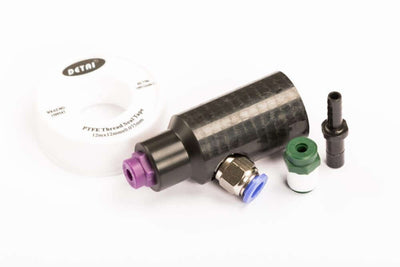
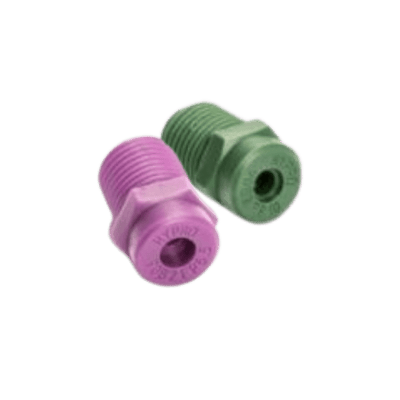
Many roof cleaning treatments can be applied using controlled low-pressure systems, telescopic poles, dedicated nozzles and appropriate pumps. SoftWash UK supplies professional soft washing equipment for contractors who need controlled chemical application rather than improvised setups.
Choose the Right Weather Window
Application conditions matter. Heavy rain can wash treatment away too soon. Very hot or windy conditions can reduce dwell time and increase drift risk. Frost, saturated surfaces and high winds can all cause practical and safety problems.
In the UK, the most reliable results often come from mild, dry, still conditions where the treatment can dwell correctly and the contractor can manage run-off safely.
Recommend Maintenance, Not Just One-Off Cleaning
For commercial clients, make roof cleaning part of a scheduled exterior maintenance plan. A light maintenance visit is usually safer, faster and cheaper than returning after five years of heavy moss build-up.
Common Mistakes That Reduce Roof Cleaning Longevity
Mistake 1: Cleaning the Roof but Not Treating It
This is one of the most common reasons for quick regrowth. The roof looks clean on completion, but spores and root-like structures remain. The client then sees green return within a relatively short period and assumes roof cleaning does not last.
Mistake 2: Leaving Thick Moss in Place Before Treatment
Biocidal treatment needs contact with the contaminated surface. Heavy moss can act like a sponge and barrier. On heavily affected roofs, physical removal of bulk moss is an important stage before treatment.
Mistake 3: Using Excessive Pressure
High pressure can remove surface growth, but it can also strip weathered tile surfaces, force water under laps, disturb pointing or expose weaknesses. The result may look clean but cause unnecessary damage or shorten the life of the roof covering.
Mistake 4: Applying Chemicals Without Run-Off Control
Professional softwashing is not just about spraying a product. Contractors must manage gutters, downpipes, plants, lawns, ponds, painted surfaces and drainage. Poor run-off control can create environmental and property damage risks.
Mistake 5: Promising Permanent Results
No responsible contractor should promise a roof will stay moss-free forever. A realistic expectation of 2 to 5 years, depending on site conditions and maintenance, is more honest and professional.
Safety, Compliance and Best Practice for Roof Cleaning
Roof cleaning involves working at height, chemical handling, access planning, waste control and public safety. It should never be treated as a simple domestic cleaning task.
Working at Height
Follow the Work at Height Regulations and use the safest practical access method. Depending on the site, this may involve scaffold, MEWPs, roof ladders, edge protection, rope access specialists or pole-based systems from safe positions. Walking directly on roof tiles should be avoided unless the access plan and roof condition justify it.
COSHH and Chemical Safety
Any professional using softwashing chemicals must understand product labelling, dilution, PPE, storage, transport, first aid and emergency procedures. Safety data sheets should be available and site-specific COSHH assessments should be completed.
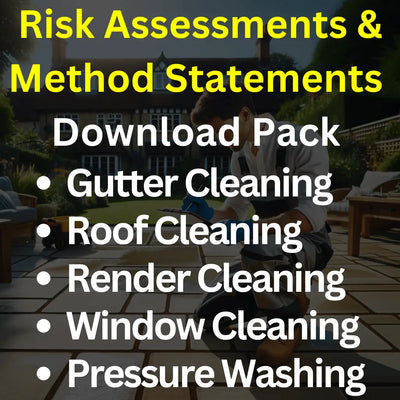
For contractors wanting to formalise their paperwork, SoftWash UK’s Risk Assessment and Method Statement pack for exterior cleaning can support more consistent documentation and safer job planning.
Training and Competence
Roof cleaning is a skilled task. Understanding chemistry, substrates, dwell times, dilution, runoff, access and client expectation is what separates professional work from risky short-term cleaning.
The Soft Wash Training Course is relevant for contractors who want structured, practical education on softwashing methods, safe chemical use, application equipment and professional standards.
How Long Should Contractors Guarantee Roof Cleaning For?
Guarantees need careful wording. Because regrowth depends on external conditions such as shade, weather, trees and airborne spores, it is risky to offer broad guarantees without conditions.
Many professional contractors prefer to offer:
- A workmanship guarantee covering correct application and completion standards.
- A realistic estimated performance period rather than a permanent promise.
- Optional maintenance treatments at agreed intervals.
- Clear exclusions for tree cover, blocked gutters, new building works, severe weather and untreated elevations.
For commercial sites, a planned maintenance agreement is usually better than a one-off guarantee. It gives the client predictable costs and allows the contractor to keep the roof under control before heavy regrowth occurs.
Typical Roof Cleaning Lifespan by Property Type
| Property or site type | Typical conditions | Expected cleaning longevity | Best maintenance approach |
|---|---|---|---|
| Detached house in open location | Good sunlight and airflow | 3 to 5 years | Inspection every 18 to 24 months; retreat as required. |
| House under trees | Shade, leaf fall and damp tiles | 18 months to 3 years | Regular gutter clearance and scheduled maintenance biocide. |
| School, care home or commercial building | Large roof areas, safety-sensitive site | 2 to 4 years | Planned maintenance programme with documented risk assessments. |
| Older porous concrete tile roof | Rough surface and higher moisture retention | 2 to 4 years | Gentle cleaning, avoid aggressive pressure, monitor regrowth. |
| Slate roof | Smoother surface but fragile access considerations | 3 to 5 years | Careful access planning and low-pressure treatment where suitable. |
Practical Advice for Serious DIY Users
Some homeowners and property managers are capable of carrying out limited low-level maintenance, but roof cleaning is not a job to underestimate. The main risks are falls, tile breakage, chemical exposure and poor run-off control.
If you are not competent in working at height, do not access the roof. If you are unfamiliar with chemical handling, do not improvise mixtures or application rates. Use professional advice, suitable PPE, safety documentation and compliant products. For anything beyond simple observation, gutter clearance from safe access or low-risk maintenance, using a trained contractor is usually the safer option.
Frequently Asked Questions
How long does roof moss treatment last?
Roof moss treatment commonly lasts between 2 and 5 years, depending on shade, airflow, tile type, surrounding trees and whether heavy moss was removed before treatment. A maintenance treatment every 12 to 24 months can extend the clean appearance significantly.
Will moss come back after roof cleaning?
Yes, moss will eventually return because spores are naturally present in the environment. Correct cleaning and biocidal treatment slow regrowth, but no method permanently prevents moss, algae or lichen from returning.
Is pressure washing a roof a long-lasting solution?
Pressure washing alone is usually not the longest-lasting solution because it mainly removes visible contamination. Without a suitable treatment, spores and organic residues can remain. It can also damage roof tiles if excessive pressure or poor technique is used.
Does softwashing a roof work immediately?
Softwashing can produce some immediate improvement, but many results continue to develop over weeks and months. Moss, algae and lichen often fade and weather away gradually after treatment. This is normal and should be explained to clients before work starts.
How often should a roof be cleaned?
Most roofs do not need full cleaning every year. A properly cleaned and treated roof may only need full cleaning every 3 to 5 years, with lighter maintenance treatments or inspections in between. Heavily shaded roofs may need attention sooner.
Can roof cleaning damage tiles?
Roof cleaning can damage tiles if the wrong method is used, particularly aggressive pressure washing, poor access techniques or walking on fragile roof coverings. A proper survey, low-pressure methods where appropriate and trained operators reduce the risk.
What is the best time of year to clean a roof in the UK?
Spring, summer and early autumn often provide suitable conditions, but the best time depends on weather rather than the calendar. Mild, dry, low-wind conditions are generally preferable for controlled application and safe working.
Conclusion: How Long Should Roof Cleaning Last in the Real World?
In real UK conditions, a professional roof clean should usually last between 2 and 5 years when carried out correctly. The longest-lasting results come from a proper survey, safe access, removal of heavy moss, suitable softwashing or biocidal treatment, controlled run-off management and sensible maintenance.
Contractors and facilities managers should avoid judging roof cleaning solely by how dramatic it looks on completion day. Long-term success comes from controlling the biology on the surface, protecting the roof covering and setting realistic expectations with the client.
SoftWash UK supports professional exterior cleaners with specialist chemicals, equipment, training and educational resources for safe and responsible softwashing. If you want to improve roof cleaning results, reduce mistakes and build a more professional maintenance offering, explore SoftWash UK’s roof treatment products, softwashing equipment and practical training resources before your next project.
Visit SoftWash UK to learn more about professional softwashing systems, product options and industry education for UK exterior cleaning contractors.