How to Apply Softwash Chemicals Efficiently
Efficient softwash chemical application is about putting the right product, at the right strength, onto the right surface, for the right dwell time, with the least waste and the lowest practical risk. For UK exterior cleaning contractors, facilities managers and serious DIY users, that means surveying the surface properly, choosing the correct chemical system, controlling dilution, applying at low pressure, managing run-off, protecting surrounding areas and allowing the chemistry to do the work.
In practice, the most efficient softwashing jobs are not the ones where the operator applies the strongest mix or sprays the fastest. They are the jobs where the operator understands surface type, organic growth, weather conditions, equipment flow rate, chemical contact time and safe working practice. Done correctly, softwashing can reduce unnecessary pressure washing, improve results on delicate surfaces and help contractors work more professionally and consistently.
This guide explains how to apply softwash chemicals efficiently, safely and responsibly on typical UK exterior cleaning projects, including render, roofs, cladding, patios, paving, driveways, timber and commercial building exteriors.
What Efficient Softwash Chemical Application Really Means
Efficient application is not simply using less chemical. It is using enough chemical to complete the job properly without over-application, excessive run-off, unnecessary rework or avoidable damage.
A well-planned softwash application should achieve four things:
- Good coverage of the contaminated surface.
- Sufficient dwell time for the chemical to work.
- Minimal waste through overspray, bouncing, dripping or rinsing too early.
- Controlled risk to people, pets, plants, drainage, metals and sensitive substrates.
For anyone building a professional softwashing setup, it is worth understanding the role of different softwash chemicals before buying large quantities or attempting more complex projects. Different contaminants and surfaces need different approaches, and efficient application starts with correct chemical selection.
Start With a Proper Site Survey
Most application problems begin before the pump is even switched on. A site survey helps you choose the correct product, application method, access plan and safety controls.
Check the surface type
Different surfaces absorb and react differently. Painted render, K-rend, pebbledash, natural stone, concrete tiles, slate, composite cladding, UPVC, timber decking and tarmac all require different levels of caution.
For example, an algae-stained render wall may need a controlled low-pressure application and careful dwell time, while a heavily contaminated concrete yard may tolerate a more robust clean-down process. Timber, lead flashing, uncoated metals, poor paintwork and delicate stonework need much more conservative testing and protection.
Identify the contamination
Efficient chemical application depends on knowing what you are treating. Common exterior contaminants include:
- Green algae on render, walls, fencing and paving.
- Black organic staining on stone, concrete and roof tiles.
- Lichen on roofs, patios and older masonry.
- Moss build-up on roof tiles, paths and shaded areas.
- Traffic film and atmospheric soiling on cladding.
- Rust, oil, tannin, lead staining or other specialist stains.
One common mistake is trying to remove every stain with the same softwash solution. Organic growth, rust staining and oil contamination are different problems. They often require different specialist products and processes.
Assess drainage and environmental risk
Before applying any chemical, know where it will go. Check gullies, surface water drains, ponds, lawns, flower beds, vehicle parking areas and public footpaths. In commercial settings, facilities managers should understand site drainage plans and any environmental restrictions.
Efficient application includes controlling run-off. This may involve blocking or diverting drains where appropriate, using absorbent materials, applying smaller sections, reducing flow rate, or rinsing sensitive areas before and after treatment. Always work in line with product labels, safety data sheets and relevant UK environmental responsibilities.
Choose the Right Chemical for the Job
Softwashing often involves biocidal cleaning, surfactants and specialist stain removers. Choosing the right chemistry makes application faster, safer and more predictable.
SoftWash UK supplies a range of professional soft washing chemicals for different exterior cleaning tasks, but selection should always be based on the substrate, contamination, risk assessment and manufacturer guidance.
| Cleaning challenge | Typical approach | Efficiency consideration |
|---|---|---|
| Algae and general organic growth | Appropriate softwash biocidal treatment or softwash solution | Even coverage and correct dwell time are more important than flooding the surface. |
| Heavy moss on roofs or paving | Manual removal where needed, followed by suitable biocidal treatment | Removing bulk moss first reduces chemical waste and improves contact with the surface. |
| Traffic film and grime | Detergent, surfactant or compatible cleaning system | Agitation may be more efficient than relying on stronger chemical alone. |
| Rust, oil or specialist staining | Dedicated stain remover matched to the stain | Spot treatment avoids unnecessary chemical use over unaffected areas. |
| Delicate or painted surfaces | Milder approach, test patch and controlled dwell | Lower risk and fewer callbacks than aggressive application. |
Use surfactant where it improves contact
On vertical render, cladding, roof tiles and porous masonry, a surfactant can help the solution cling, wet the surface more evenly and reduce waste from run-off. A product such as Clever Wash surfactant can be useful where improved dwell and surface contact are needed, particularly on vertical or sloped surfaces.
However, more foam is not always better. Excess foam can make rinsing slower, hide uneven coverage and increase residue if overused. Follow the product guidance and adjust based on the surface and conditions.
Use the Correct Equipment for Controlled Application
Efficient softwashing requires controlled low-pressure application. The aim is not to blast the surface, but to lay the chemical evenly so it can work.
Application equipment options
| Equipment type | Best use | Efficiency benefit | Watch-outs |
|---|---|---|---|
| Pump sprayer | Small areas, test patches, spot treatment | Low cost and precise for small jobs | Slow on larger projects and inconsistent pressure as it empties |
| 12v softwash pump system | Domestic and light commercial exterior cleaning | Good flow control and productivity | Requires correct hose, nozzle and chemical compatibility |
| Metering or injection system | Repeatable dilution and larger workflows | Improves consistency and reduces manual mixing | Must be calibrated and maintained properly |
| Water-fed pole application | Reach work, facades and awkward angles | Improves access and control without overreaching | Requires good technique to avoid overspray |
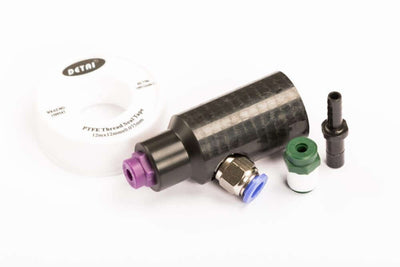
For contractors carrying out regular work, proportioning and injection equipment can improve consistency. The Clever Injector, for example, is designed to help professionals apply softwash solutions in a more controlled and repeatable way, which can reduce mixing errors and improve productivity when used correctly.
Nozzle choice matters
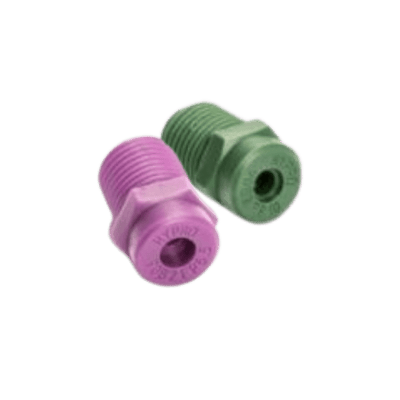
The wrong nozzle wastes chemical. Too narrow a jet can cause striping, bounce-back and uneven coverage. Too wide a fan can create drift and poor reach. For most softwash applications, use a nozzle pattern that gives even coverage with minimal misting.
As a rule of thumb:
- Use a wider fan for open, flat surfaces where drift is manageable.
- Use a more controlled pattern for edges, details and vertical surfaces.
- Avoid high-pressure impact on delicate render, roof tiles, pointing and painted areas.
- Keep the nozzle moving steadily to avoid over-application in one spot.
Step-by-Step: How to Apply Softwash Chemicals Efficiently
The following process is suitable as a general professional workflow, but it must always be adapted to the product instructions, surface type, site conditions and your risk assessment.
1. Complete your risk assessment and method statement
Before any chemical work, assess risks to operatives, occupants, the public, pets, plants, drainage, nearby vehicles and access areas. For commercial sites, written documentation is often expected. The Risk Assessment and Method Statement pack for exterior cleaning can help contractors structure safer working procedures and demonstrate a more professional approach to clients.
Consider PPE, signage, barriers, working at height, COSHH requirements, manual handling, chemical storage, spill control and first aid arrangements. Efficient work is not efficient if it creates avoidable risk.
2. Protect sensitive areas
Prevention is quicker than repair. Before applying chemicals, protect or pre-wet vulnerable areas such as:
- Plants, lawns and planted borders.
- Unpainted metals and decorative metalwork.
- Lead flashing and stained timber.
- Electrical fittings, doorbells and external sockets.
- Fish ponds, water features and animal areas.
- Neighbouring vehicles, windows and outdoor furniture.
On many domestic jobs, a few minutes spent moving plant pots, covering sensitive items and wetting down vegetation saves time later and protects your reputation.
3. Test a small area
A test patch is one of the simplest ways to improve efficiency. It confirms whether your chosen chemical strength, dwell time and method are appropriate. It also helps identify unwanted reactions such as colour change, surface etching, paint failure or staining.
On older buildings, mixed substrates are common. A wall may include render, stone cills, timber frames, aluminium vents and lead details. A single test patch on one material does not prove the process is safe for all adjacent materials.
4. Mix or meter according to the label
Always follow manufacturer instructions and safety data sheets. Never guess chemical strength, never mix incompatible products and never add acids to hypochlorite-based products. Incorrect mixing is one of the biggest causes of poor results, damage and safety incidents.
Where manual mixing is used, label containers clearly and use chemical-resistant measuring equipment. Where metering systems are used, check calibration regularly. A system that was accurate last month may not be accurate today if filters, seals, hoses or injectors have changed condition.
5. Apply from a practical working position
Work in manageable sections. On vertical surfaces, apply from the bottom upwards where appropriate to reduce streaking, then maintain a wet edge as you move. On roofs, work to your access plan and avoid walking on fragile or unsafe surfaces unless properly assessed and controlled.
Keep your hose runs tidy and avoid dragging contaminated hose across lawns, painted surfaces or public walkways. Good hose management improves speed and reduces trip hazards.
6. Allow the correct dwell time
Dwell time is the period the chemical remains active on the surface. Rinsing too soon wastes chemical and often leads to reapplication. Leaving product too long, particularly in hot or windy weather, can increase the risk of drying, residue or surface issues.
Efficient dwell time depends on:
- Level of contamination.
- Surface porosity.
- Air temperature and sunlight.
- Wind and evaporation rate.
- Product type and dilution.
- Whether surfactant is used.
If a surface is drying too quickly, it may be better to work smaller areas rather than applying more chemical across a large elevation.
7. Rinse, neutralise or leave as directed
Some softwash treatments are rinsed after dwell. Others may be left to continue working, depending on the product and application. Always follow the product guidance and site requirements.
Where rinsing is required, use controlled water flow rather than excessive pressure. On render, older pointing, roof tiles and painted surfaces, aggressive rinsing can cause more harm than the softwash process itself.
8. Inspect before packing away
Before leaving site, inspect the work from several angles and distances. Check for missed patches, runs, overspray, plant stress, residue around windows and untreated edges. Many callbacks are caused by missing awkward details such as pipework returns, window reveals, wall cappings and shaded corners.
How to Reduce Chemical Waste on Site
Chemical waste usually comes from poor planning, wrong nozzles, over-strong mixes, excessive flow or applying in unsuitable weather.
Practical ways to improve efficiency
- Measure the area before estimating chemical volume.
- Remove heavy moss or loose debris before treatment.
- Use a surfactant when run-off is reducing contact time.
- Apply in sections rather than soaking the whole building at once.
- Avoid spraying in strong wind where drift is likely.
- Use fan patterns that wet the surface without bouncing chemical off it.
- Keep records of mix rates, dwell times and results for future jobs.
- Train staff so different operators apply consistently.
For contractors, records are particularly valuable. If you know that a certain render type, contamination level and weather condition required a particular method on a previous job, you can price and plan the next job more accurately.
Weather Conditions and Timing
UK weather has a big effect on softwash application. A method that works well on a cool, overcast morning may perform poorly on a hot, windy afternoon.
| Condition | Application impact | Best practice |
|---|---|---|
| Strong sun | Chemicals may dry too quickly | Work smaller sections, consider shaded timings and monitor dwell closely. |
| High wind | Increases overspray and drift | Postpone exposed work or use more controlled application methods. |
| Heavy rain | Can dilute or wash away treatment | Avoid application where contact time cannot be achieved. |
| Cold conditions | Chemical action may slow down | Allow for longer dwell where safe and realistic, following product guidance. |
| Very dry porous surfaces | May absorb solution quickly | Controlled pre-wetting may help manage absorption and reduce overuse. |
Common Mistakes When Applying Softwash Chemicals
Using stronger chemical to compensate for poor technique
A stronger mix does not automatically mean a better clean. If the problem is poor coverage, too little dwell time, wrong product choice or spraying in bad weather, increasing strength may simply increase risk and cost.
Ignoring surfactant control
Surfactant can improve cling and wetting, but overuse can make rinsing slower and create unnecessary residue. Use it deliberately, not automatically.
Applying too much chemical at once
Flooding a surface often produces heavy run-off without improving cleaning. A controlled, even application normally works better than saturating the area repeatedly.
Forgetting surrounding materials
Softwash chemicals do not know where the target stain ends. They can contact metals, plants, timber, glass, seals, painted finishes and neighbouring property. Efficient operators plan containment and protection before application.
Skipping training
Softwashing appears simple from the outside, but professional chemical application involves chemistry, equipment, substrates, health and safety, environmental controls and customer communication. The SoftWash UK training course is useful for contractors who want to reduce mistakes, improve confidence and build safer, more repeatable systems of work.
Safety and Compliance Best Practice
Softwash chemical application should always be carried out with safety as the priority. Contractors and site managers should consider COSHH assessment, PPE, product labelling, secure storage, transport, emergency procedures and staff training.
Key best-practice points include:
- Read the product label and safety data sheet before use.
- Wear suitable PPE, including eye, hand and skin protection as required.
- Do not mix chemicals unless the manufacturer specifically instructs it.
- Never mix acids with hypochlorite-based products.
- Keep untrained people, children and pets away from the working area.
- Control overspray on public footpaths, roads and neighbouring property.
- Store and transport chemicals securely in suitable containers.
- Have clean water available for rinsing accidental contact areas.
- Dispose of waste and manage run-off responsibly.
Facilities managers should also ensure contractors provide appropriate documentation before work starts, particularly on schools, care homes, retail parks, industrial units and managed residential sites.
Professional Tips From Real-World Softwashing Work
Work to the surface, not the clock
Two elevations on the same building can behave differently. The shaded north-facing wall may have deeper algae growth and stay wet longer, while the south-facing wall may dry fast and need smaller working sections. Efficient operators adjust technique as conditions change.
Keep communication clear with clients
Some treatments continue improving after the day of application, especially where organic staining breaks down over time. Explain realistic results before starting so clients understand what will be immediate and what may improve gradually.
Use the lowest effective pressure
Softwashing is not pressure washing with chemicals added. On delicate surfaces, low-pressure application protects the substrate and allows the chemical process to do the work.
Build a repeatable system
Contractors who use the same application workflow, record results and maintain equipment usually get more consistent outcomes. This is especially important when scaling from owner-operator work to multiple vans or staff members.
Frequently Asked Questions
What is the most efficient way to apply softwash chemicals?
The most efficient method is to survey the surface, choose the correct chemical, apply at low pressure with an appropriate nozzle, use surfactant where it improves dwell, work in manageable sections and allow the correct contact time. Efficient application is controlled and even, not excessive.
Should I rinse softwash chemicals off?
It depends on the product, surface and job specification. Some treatments require rinsing after a controlled dwell time, while others may be left to continue working. Always follow the product instructions, safety data sheet and site requirements.
Can I use one softwash chemical for every surface?
No. Different surfaces and stains require different approaches. Organic growth, rust staining, oil, tannin marks and atmospheric soiling are not the same problem. Using one chemical for everything can lead to poor results, wasted product or surface damage.
How do I stop softwash chemicals from damaging plants?
Protect plants by moving pots where possible, pre-wetting vegetation, controlling overspray, avoiding excessive run-off and rinsing after exposure where appropriate. Work carefully around planted areas and follow product guidance. Sensitive planting may require additional covering or alternative methods.
Is softwashing safe for render?
Softwashing can be very effective on many rendered surfaces when carried out correctly, but render varies significantly. Always inspect condition, test a small area, use suitable dilution, avoid high pressure and manage dwell time carefully. Poorly painted, cracked or failing render needs extra caution.
Do I need professional training to apply softwash chemicals?
Serious DIY users should at minimum understand product labels, PPE, surface testing and safe handling. Contractors should strongly consider professional training because they are responsible for client property, public safety, staff safety and compliance. Training helps reduce costly mistakes and improves consistency.
Conclusion: Efficient Softwashing Is Controlled, Safe and Methodical
Applying softwash chemicals efficiently is not about rushing or using the strongest solution. It is about choosing the right chemical system, applying it evenly, controlling dwell time, protecting the surrounding environment and working safely. The best results come from good preparation, suitable equipment, correct technique and an understanding of how different UK surfaces respond to chemical cleaning.
For contractors and facilities managers, efficient application also improves professionalism. It reduces waste, lowers the risk of damage, supports better pricing and creates more predictable results. For serious DIY users, it helps avoid common mistakes and encourages safer, more responsible cleaning.
SoftWash UK supports the industry with professional chemicals, application equipment, training and practical education for exterior cleaning professionals. To improve your softwashing knowledge, explore the SoftWash UK Knowledge Hub, browse suitable chemicals and equipment, or consider structured training before taking on more demanding projects.
If you want to apply softwash chemicals more confidently and consistently, visit SoftWash UK for professional products, equipment and educational resources built around safe and responsible exterior cleaning practice.