How to Start a Softwashing Business in the UK
Starting a softwashing business in the UK means building a professional exterior cleaning service that uses low-pressure application, specialist cleaning solutions and safe working methods to remove organic growth, staining and surface contamination from roofs, render, cladding, patios, driveways, commercial buildings and hard surfaces.
To start properly, you need more than a pump, a drum of chemical and a Facebook page. You need to understand surfaces, contamination, dilution, dwell times, plant protection, runoff control, personal protective equipment, risk assessments, chemical handling, pricing, insurance and customer education. Done well, softwashing can be a profitable standalone business or a valuable add-on for window cleaners, pressure washing contractors, roof cleaners, property maintenance firms and facilities management providers.
This guide explains how to start a softwashing business responsibly, what equipment and chemicals you need, how to price jobs, how to avoid common mistakes, and how to build a professional service that earns trust in the UK exterior cleaning market.
What Is a Softwashing Business?
A softwashing business provides exterior cleaning using low pressure and carefully selected cleaning solutions to treat biological growth and staining. Unlike pressure washing, which relies mainly on mechanical force, softwashing relies on chemistry, contact time and controlled application.
Typical softwashing work includes:
- Render cleaning on K Rend, Weber, monocouche and painted render
- Roof cleaning and post-clean biocide treatments
- Cladding and commercial façade cleaning
- Patio, driveway and path cleaning
- Timber cleaning and brightening
- Stone, brick and masonry cleaning
- Gutter, fascia and soffit cleaning
- Preventative maintenance treatments for algae, lichen and moss
In practical terms, customers are usually not buying “softwashing”. They are buying a cleaner building, better kerb appeal, reduced slip risk, improved asset condition or a way to avoid repainting or replacing surfaces prematurely. A successful softwashing business understands those outcomes and sells solutions rather than just square metre rates.
Is Softwashing a Good Business to Start?
Softwashing can be a good business if you approach it professionally. There is strong demand across domestic, commercial and facilities management sectors because UK buildings are regularly affected by algae, moss, lichen, atmospheric soiling and damp weather conditions.
However, it is not a “quick money” trade. Softwashing involves chemical use, surface knowledge, environmental responsibility and working at height risks. The contractors who do well are usually the ones who invest in training, understand health and safety, document their work and communicate clearly with customers.
Who Is Softwashing Suitable For?
- Window cleaners looking to add higher-value exterior cleaning services.
- Pressure washing contractors wanting to clean more delicate surfaces safely.
- Roof cleaners who need post-clean biocide treatments and moss prevention options.
- Property maintenance professionals serving landlords, housing associations and commercial sites.
- Facilities managers seeking planned exterior maintenance rather than reactive cleaning.
- Serious DIY users who want to understand what is involved before attempting small-scale cleaning at home.
Softwashing vs Pressure Washing: Which Service Should You Offer?
Most successful exterior cleaning businesses use both methods. The skill is knowing when to use each one. Softwashing is particularly useful where high pressure could damage a substrate, drive water behind surfaces or leave organic growth untreated at the root.
| Cleaning Method | Best For | Main Advantage | Main Risk If Used Incorrectly |
|---|---|---|---|
| Softwashing | Render, roofs, cladding, painted surfaces, delicate masonry, algae and lichen treatment | Low pressure, treats organic growth, often gives longer-lasting results | Chemical misuse, plant damage, surface staining or runoff issues |
| Pressure washing | Concrete, block paving, some patios, hardstanding, heavily soiled ground surfaces | Fast removal of heavy surface dirt and deposits | Surface damage, blown joints, etching, water ingress and striping |
| Steam cleaning | Chewing gum, heritage surfaces, oil contamination support, sensitive stone when specified correctly | Effective heat-assisted cleaning with reduced pressure in some cases | Expensive equipment and incorrect temperature or pressure selection |
| Biocide treatment | Roofs, render and hard surfaces after cleaning or as ongoing maintenance | Helps control regrowth over time | Under-dosing, poor coverage or unrealistic customer expectations |
Step-by-Step: How to Start a Softwashing Business
1. Learn the Trade Before Selling the Service
Before taking paid work, learn how softwashing actually behaves on real surfaces. A rendered wall with green algae is not the same as a clay tiled roof with black lichen, and a commercial cladding elevation is not the same as an old sandstone wall.
You need to understand:
- How sodium hypochlorite, biocides, surfactants and specialist cleaners work
- Which surfaces are suitable for chemical treatment
- How to identify organic growth, oxidation, rust, carbon staining, lead staining and oil contamination
- How to rinse, neutralise, protect plants and manage runoff
- How weather affects dwell time and cleaning performance
- How to work safely around the public, pets, ponds, vehicles and neighbouring properties
For new contractors, structured training is one of the quickest ways to reduce costly mistakes. The SoftWash UK Soft Wash Training Course is designed to help contractors understand safe application, chemical selection, equipment use and professional working methods before they learn lessons the expensive way on a live customer site.
2. Choose Your Core Services
Do not try to offer every exterior cleaning service on day one. Start with a focused service list that matches your skills, equipment and market. For many new UK softwashing businesses, a sensible starting point is domestic render cleaning, patio and driveway softwashing, roof biocide treatments and commercial façade maintenance.
| Service | Difficulty Level | Typical Customer | Notes for Beginners |
|---|---|---|---|
| Render cleaning | Medium | Homeowners, landlords, estate agents | Good demand, but surface testing and plant protection are essential. |
| Patio and driveway softwashing | Low to medium | Domestic customers, property managers | Often combined with pressure washing where appropriate. |
| Roof biocide treatments | Medium to high | Homeowners, roof cleaners, maintenance firms | Working at height, access and runoff control must be planned carefully. |
| Commercial cladding cleaning | High | Facilities managers, industrial estates, retail units | Requires strong RAMS, access planning and often out-of-hours work. |
3. Set Up the Business Properly
You can operate as a sole trader or limited company, but you should take the business structure seriously from the start. Speak to an accountant if you are unsure which route suits your circumstances.
At minimum, consider:
- Business registration and tax obligations
- Public liability insurance with exterior cleaning and chemical use disclosed
- Employers’ liability insurance if you employ staff
- Professional terms and conditions
- Written quotations and job acceptance process
- Photo records before and after work
- COSHH assessments for chemicals used
- Risk assessments and method statements for each type of work
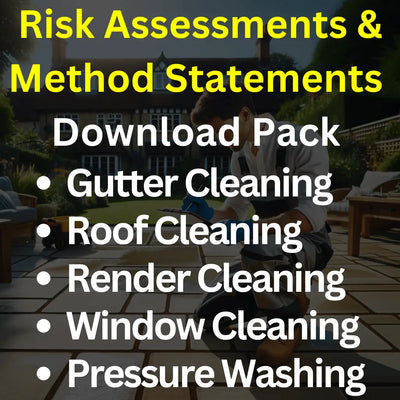
Facilities managers and commercial clients will often ask for documentation before you can even step on site. A proper Risk Assessment and Method Statement pack for exterior cleaning can help you build a more professional system for planning jobs, communicating risks and demonstrating that you have thought about safe working methods.
4. Buy the Right Softwashing Equipment
Your equipment should match the work you intend to carry out. A small domestic setup may not be suitable for large commercial façades, while a large van-mounted system may be unnecessary for someone testing the market part-time.
Typical softwashing equipment includes:
- 12v or air diaphragm pump systems
- Chemical-resistant hose and reels
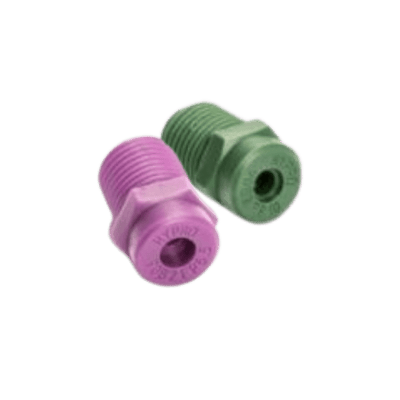
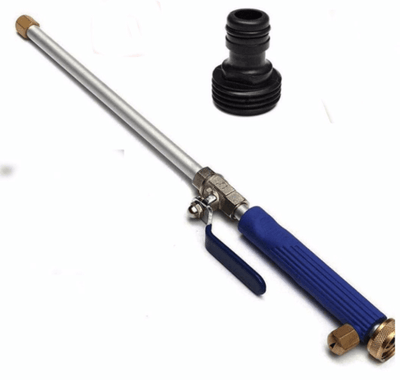
- Application lances, nozzles and water-fed pole adapters
- Mixing containers or dosing systems
- PPE including gloves, eye protection, respirator where required, coveralls and boots
- Water supply connection equipment
- Plant protection and rinsing equipment
- Signage, cones and barriers for site control
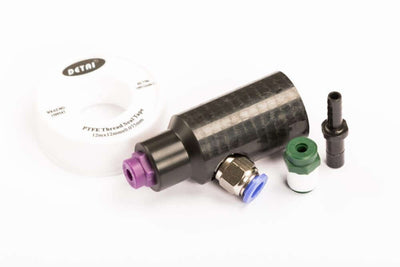
Softwashing equipment must be compatible with the chemicals being used. Ordinary pressure washer fittings, garden sprayers and low-grade seals often fail quickly when exposed to professional cleaning solutions. The SoftWash UK soft washing equipment range includes systems and accessories selected for professional exterior cleaning applications, which is important if you want reliable flow, controlled application and fewer breakdowns on site.
| Setup Type | Best For | Advantages | Limitations |
|---|---|---|---|
| Entry-level pump sprayer | Small DIY or testing applications | Low cost and simple to use | Limited reach, output and durability |
| Portable 12v softwash system | Domestic contractors and small commercial jobs | Good balance of cost, portability and performance | Requires battery management and careful maintenance |
| Van-mounted softwash system | Higher-volume professional work | Efficient, organised and suited to larger projects | Higher initial investment and storage considerations |
| Dosing or injection system | Contractors needing controlled chemical ratios | Improves consistency and reduces manual mixing | Requires understanding of calibration and maintenance |
5. Understand Softwashing Chemicals
Chemicals are where many beginners make their biggest mistakes. The strongest mix is not the best mix. Professional softwashing is about using the correct product, dilution, dwell time and method for the surface and contamination.
Common categories include:
- Sodium hypochlorite-based solutions for organic staining such as algae and some lichen.
- Biocides for longer-term control of moss, algae and biological regrowth.
- Surfactants to improve cling, wetting and contact time on vertical or textured surfaces.
- Specialist stain removers for rust, oil, lead staining, tannin or timber restoration.
- Masking scents and additives used where appropriate to improve customer experience, without replacing safe handling.
Contractors should use professional products with safety data sheets, clear usage guidance and suitable packaging. The SoftWash UK soft wash chemicals collection includes products for different exterior cleaning tasks, but the key is always correct selection and responsible use rather than treating every job with the same mix.
6. Build Safety, COSHH and Compliance Into the Business
Softwashing involves chemical application in uncontrolled outdoor environments. That means wind, rain, drainage, people, pets, vehicles, ponds, lawns and neighbouring properties all have to be considered.
Before every job, assess:
- Surface type and sensitivity
- Access requirements and working at height
- Weather forecast, wind direction and temperature
- Nearby plants, lawns, ponds and watercourses
- Public access, footpaths, roads and neighbouring boundaries
- Drainage routes and runoff control
- Required PPE and emergency procedures
- Chemical storage, transport and labelling
COSHH is not optional. You must understand the substances you use, how they can cause harm, and how exposure will be controlled. For contractors wanting deeper guidance around health and safety expectations, the HSE Soft Washing Full Collection provides useful documentation and educational resources to support safer working practices.
How Much Does It Cost to Start a Softwashing Business?
Startup costs vary depending on whether you already have a van, pressure washing equipment, water-fed pole system or existing customer base. A small add-on service may be started with a modest investment, while a dedicated professional setup with branding, insurance, training and commercial-grade equipment will cost more.
| Startup Area | Typical Consideration | Why It Matters |
|---|---|---|
| Training | Professional softwashing course or practical instruction | Reduces mistakes, improves safety and builds confidence. |
| Equipment | Pumps, hose, reels, lances, nozzles and containers | Reliable equipment improves job quality and efficiency. |
| Chemicals | Softwash solutions, biocides, surfactants and stain removers | Different surfaces and stains require different products. |
| PPE | Gloves, eye protection, face protection, coveralls and boots | Essential for safe chemical handling and application. |
| Insurance | Public liability and relevant business cover | Protects both contractor and customer if something goes wrong. |
| Marketing | Website, Google Business Profile, signage, photos and local SEO | Helps generate enquiries and build credibility. |
| Compliance documentation | COSHH assessments, RAMS and SDS records | Often required for commercial and facilities management work. |
A common mistake is spending heavily on equipment while underinvesting in training, documentation and marketing. A balanced setup is better. You need to be able to do the work safely, prove that you are competent, and attract the right customers.
How to Price Softwashing Jobs
Pricing softwashing work is not just about square metres. You must account for site complexity, access, chemical cost, labour, setup time, travel, insurance, waste control, plant protection, rinsing, risk and profit.
Key pricing factors include:
- Surface area and height
- Severity of contamination
- Type of surface and risk of damage
- Access equipment required
- Water availability
- Plant and property protection required
- Number of visits needed
- Commercial site controls, permits or out-of-hours work
A Practical Pricing Approach
- Survey the site properly using photos, measurements and notes.
- Identify the surface and contamination before recommending a method.
- Estimate labour, chemical use, travel and setup time.
- Add risk allowance for access, protection and complexity.
- Include profit, not just wages.
- Set clear expectations about results, possible staining and regrowth.
- Provide a written quotation with exclusions and preparation requirements.
For example, a flat patio with good drainage and easy water access is very different from a three-storey rendered elevation above a conservatory, planted border and public pavement. The second job may require additional staff, water management, access equipment, barriers and more detailed RAMS. Pricing must reflect that.
Finding Customers for a Softwashing Business
Softwashing is a visual service, so your marketing should show visible results and explain the process clearly. Homeowners often search for “render cleaning near me”, “green algae on walls”, “roof moss removal” or “how to clean K Rend”. Facilities managers may search for façade cleaning, cladding cleaning, exterior building maintenance or planned maintenance cleaning.
Effective Marketing Channels
- Google Business Profile: Add service areas, before-and-after photos, reviews and regular updates.
- Local SEO website pages: Create pages for render cleaning, roof cleaning, patio cleaning and commercial exterior cleaning in your area.
- Before-and-after photography: Take consistent photos from the same angle, with permission.
- Existing customer base: Window cleaning and pressure washing customers are often ideal first softwashing leads.
- Commercial prospecting: Contact property managers, schools, retail parks, letting agents and facilities companies.
- Maintenance plans: Offer annual or biannual treatments to reduce heavy regrowth.
Business owners who want ongoing industry education, contractor interviews and practical discussion may also find the SoftWash UK Podcast helpful for learning how other professionals approach exterior cleaning, pricing, safety and business growth.
Common Mistakes When Starting a Softwashing Business
Using Too Strong a Chemical Mix
Beginners often assume stronger is better. In reality, over-application can damage surfaces, harm plants, increase fumes and create unnecessary risk. Always use the correct dilution for the task, test first and follow product guidance.
Skipping Test Patches
A small test area can prevent a large complaint. This is especially important on painted render, older surfaces, natural stone, timber, coloured concrete, metalwork and surfaces with previous coatings.
Ignoring Weather Conditions
Wind drift, direct sunlight and sudden rain can all affect results and safety. Strong sunlight may dry the product too quickly, while wind can carry spray beyond the work area. Professionals plan work around conditions rather than forcing the job.
Poor Plant Protection
Plant damage is one of the most common complaints in softwashing. Pre-wet, cover where appropriate, control application, rinse thoroughly and manage runoff. Never assume a customer’s border, lawn or pond will be fine without protection.
Taking on High-Risk Work Too Early
High roofs, fragile surfaces, commercial elevations and complex access jobs should not be early practice projects. Build competence gradually and bring in specialists where needed.
Not Explaining Results Properly
Some surfaces clean immediately. Others continue to improve after treatment. Some stains are not biological and will not respond to standard softwashing. Explain this before the customer accepts the quotation.
Softwashing Myths New Contractors Should Avoid
- “Softwashing means no pressure at all.” Softwashing uses low pressure for application, but rinsing or complementary cleaning may still be required depending on the surface.
- “One chemical cleans everything.” Different stains require different chemistry. Organic growth, rust, oil and lead staining are not the same problem.
- “If it goes white, it is clean.” Colour change is not the only measure of success. Residue, runoff, surface condition and long-term regrowth all matter.
- “It is safer than pressure washing, so it is low risk.” Softwashing reduces some surface damage risks but introduces chemical handling and environmental risks.
- “Commercial clients only care about price.” Facilities managers often care more about documentation, reliability, insurance and disruption control.
Best-Practice Checklist for Your First Softwashing Jobs
- Complete training or supervised practice before paid work.
- Read safety data sheets and product labels before using any chemical.
- Carry out a written risk assessment and COSHH assessment.
- Inspect the surface and complete a test patch.
- Check weather, wind direction and drainage routes.
- Protect plants, ponds, vehicles, metals and neighbouring property.
- Wear suitable PPE and keep emergency rinse water available.
- Use controlled application and avoid unnecessary overspray.
- Monitor dwell time and do not allow products to dry where this is unsuitable.
- Rinse, neutralise or re-treat according to the surface and product guidance.
- Take before-and-after photographs.
- Explain aftercare and expected ongoing results to the customer.
What Makes a Softwashing Business Look Professional?
Professionalism is not just a branded van. It is how you survey, quote, communicate and leave the site. Customers and facilities managers quickly notice whether a contractor understands risk and process.
Signs of a professional softwashing business include:
- Clear written quotes with scope of work
- Insurance details available on request
- Risk assessments, COSHH and method statements where required
- Correct PPE and site control
- Well-maintained equipment
- Good knowledge of surfaces and chemicals
- Honest expectations about results
- Documented before-and-after evidence
- Safe storage and transport of chemicals
In the long term, this is what separates a sustainable softwashing business from someone doing occasional low-price jobs. Professional systems help you win better work, reduce complaints and protect your reputation.
Frequently Asked Questions About Starting a Softwashing Business
Do I need training to start a softwashing business?
There is no single UK licence called a “softwashing licence”, but training is strongly recommended. Softwashing involves chemical handling, surface assessment, working at height considerations and environmental risks. Proper training helps you work more safely, price more accurately and avoid expensive damage.
What equipment do I need to start softwashing?
Most contractors need a chemical-compatible pump system, hose, reel, application lance or pole system, suitable nozzles, PPE, measuring equipment, containers, plant protection equipment and access equipment where required. The exact setup depends on whether you are cleaning patios, render, roofs or commercial buildings.
Is softwashing better than pressure washing?
Softwashing is better for many surfaces affected by algae, moss, lichen and biological staining, especially where high pressure could cause damage. Pressure washing is still useful for some hard surfaces. In practice, many professional contractors use both methods depending on the substrate and contamination.
How much can I charge for softwashing?
Prices vary widely depending on surface area, access, contamination, chemicals, location and risk. Avoid pricing purely by square metre without visiting or assessing the site. A small easy-access patio and a multi-storey rendered façade require very different levels of planning, labour and liability.
Can I use household bleach for softwashing?
No. Household bleach is not a professional softwashing system and should not be treated as one. Professional contractors should use appropriate products with safety data sheets, correct dilution guidance and suitable application methods. Chemical misuse can damage surfaces, harm plants and create safety risks.
Do I need insurance for softwashing?
Yes. You should have suitable public liability insurance and ensure your insurer understands that you carry out exterior cleaning and use chemicals. If you employ anyone, employers’ liability insurance is normally required. Commercial clients may also request proof of insurance and RAMS before work begins.
Conclusion: Start Small, Train Properly and Build a Professional Softwashing Business
Starting a softwashing business in the UK can be a strong opportunity for exterior cleaning contractors, property maintenance professionals and facilities management suppliers. Demand is there, especially for render cleaning, roof treatments, cladding cleaning and planned exterior maintenance.
The key is to treat softwashing as a skilled professional service, not a simple add-on. Learn the chemistry, understand surfaces, invest in reliable equipment, use suitable PPE, document your work and price jobs properly. The contractors who last are the ones who put safety, training and customer trust at the centre of the business.
If you are serious about starting or improving a softwashing business, SoftWash UK can support you with professional chemicals, equipment, training and educational resources. Explore the SoftWash UK range, build your knowledge, and take the time to create a safe, compliant and profitable exterior cleaning service from the beginning.