Common Softwashing Chemical Mistakes: What UK Contractors Need to Avoid
Most softwashing chemical mistakes come down to poor product selection, inaccurate dilution, weak site assessment, inadequate rinsing, and not controlling run-off or overspray. For UK exterior cleaning contractors, property maintenance teams, facilities managers and serious DIY users, these errors can lead to damaged surfaces, dead plants, poor cleaning results, safety incidents, unhappy clients and compliance problems.
Softwashing is not simply “spraying bleach on a wall”. It is the controlled use of specialist cleaning chemicals, surfactants, biocides and application equipment to remove and treat organic contamination such as algae, lichen, moss, mould and biofilm. Done correctly, it is highly effective and far less aggressive than unnecessary high-pressure washing. Done carelessly, it can cause avoidable damage.
This guide explains the most common softwashing chemical mistakes seen on UK sites, why they happen, how to prevent them, and what best practice looks like in real-world exterior cleaning work.
Why Chemical Mistakes Matter in Softwashing
Softwashing relies on chemistry doing the heavy lifting. That means small errors can have a large impact. A solution that is too weak may not treat the growth properly. A solution that is too strong may mark surfaces, damage landscaping, increase fumes, or create unnecessary risk.
For professional contractors and facilities managers, chemical mistakes can affect:
- Cleaning performance and long-term results
- Surface safety on render, roofs, timber, stone, concrete and cladding
- Plant protection and environmental responsibility
- Operator and public safety
- Insurance, documentation and client confidence
- Compliance with UK health and safety expectations
The goal is not to use the strongest chemical possible. The goal is to use the correct product, at the correct strength, on the correct surface, with the correct dwell time, control measures and aftercare.
Mistake 1: Using the Wrong Chemical for the Type of Contamination
One of the most common softwashing mistakes is assuming all exterior staining is the same. Organic growth, rust, tannin, oil, atmospheric staining, lead staining and general dirt often require different chemistry.
Sodium hypochlorite-based softwash solutions are commonly used for organic contamination such as algae, mould and black biofilm. However, they are not the correct answer for every stain. For example, rust staining usually needs a specialist rust remover, while oil on driveways requires an oil stain treatment rather than a biocide or hypochlorite wash.
Common Contaminants and Suitable Chemical Approaches
| Contamination or Stain | Common Location | Typical Chemical Approach | Common Mistake |
|---|---|---|---|
| Green algae and biofilm | Render, cladding, patios, walls | Softwash solution with suitable surfactant and controlled dwell time | Pressure washing only, leaving spores and rapid regrowth |
| Moss and lichen | Roofs, paths, stone, block paving | Biocidal treatment or appropriate softwash process | Expecting instant visual results from a slower-acting biocide |
| Rust staining | Stone, render, paving, metal run-off areas | Specialist rust stain remover such as Rust X Pro Rust Stain Remover | Using hypochlorite and making no improvement |
| Oil staining | Driveways, car parks, loading bays | Oil stain remover/degreaser such as Grenade Driveway Oil Stain Remover | Treating oil as if it were algae |
| Lead staining | Below lead flashing on render or stone | Dedicated lead stain remover such as Lead X Pro | Over-washing the area with the wrong chemical |
| Timber greying and tannin issues | Decking, fences, timber cladding | Wood cleaner or brightener such as Wood X Pro Wood Brightener | Using harsh methods that raise the grain or patch the timber |
Before choosing a chemical, identify whether the issue is biological, mineral, metallic, oil-based or surface dirt. If you are unsure, test a small inconspicuous area and consult the product data, safety data sheet and manufacturer guidance.
Mistake 2: Guessing Dilution Rates
Guessing chemical dilution is a fast route to inconsistent results. Too weak and the clean may fail. Too strong and you may increase the chance of surface damage, plant burn, odour complaints or unnecessary chemical exposure.
Professional softwashing should use measured dilution. This means understanding the strength of the concentrate, the desired working solution, the application method and the surface being cleaned.
Best Practice for Dilution Control
- Read the product label and safety data sheet before use.
- Use measuring jugs, proportioning systems or calibrated injectors.
- Record your mix ratios for repeatable results.
- Adjust based on surface type, contamination level and weather conditions.
- Do not exceed manufacturer recommendations.
- Label mixed solutions clearly and never leave unmarked containers on site.
For contractors who regularly mix sodium hypochlorite solutions, products such as Sodium Hypochlorite for Soft Washing 14% to 15% should be handled with proper knowledge, PPE, site controls and accurate dilution. A stronger drum does not make a safer or better clean by default; it simply means the operator has a greater responsibility to mix and apply it correctly.
Mistake 3: Mixing Chemicals That Should Never Be Mixed
This is one of the most serious chemical mistakes in exterior cleaning. Some chemicals can react dangerously when combined. In particular, sodium hypochlorite must never be mixed with acids, ammonia-based products or incompatible cleaners. Dangerous gases can be released, creating a serious risk to operators, occupants and the public.
Never assume that two products are safe to combine because they are both used in cleaning. Always check compatibility, labels and safety data sheets. If you do not have clear written confirmation that products can be mixed, keep them separate.
Unsafe Mixing Habits to Avoid
- Adding acid-based descalers or rust removers to hypochlorite solutions
- Using old containers that previously held unknown chemicals
- Mixing products to “make them stronger”
- Storing incompatible chemicals next to each other without secondary containment
- Using a sprayer for a new chemical without properly flushing it
Professional chemical handling is a core part of softwashing. If your team uses multiple products on commercial sites, a documented chemical storage and handling procedure is essential.
Mistake 4: Ignoring the Role of Surfactants
A surfactant helps a softwash solution cling, wet out and remain in contact with the surface long enough to work effectively. Without a suitable surfactant, chemical can run off too quickly, especially on vertical render, cladding, painted masonry and tiled surfaces.
This often leads users to apply stronger mixes than necessary, when the real issue is poor dwell and surface contact. A professional surfactant can improve coverage, reduce wastage and help achieve a more even result.
For example, Clever Wash Surfactant is designed to improve softwash solution performance by helping it cling to surfaces. This does not remove the need for correct dilution, testing or rinsing, but it can help avoid the common mistake of relying purely on chemical strength.
Mistake 5: Applying Chemicals in the Wrong Weather
Weather has a direct effect on softwashing chemistry. Hot sun can dry solutions too quickly. Heavy rain can dilute or wash off treatment before it has worked. Wind can carry overspray onto cars, plants, windows, pedestrians or neighbouring properties.
Weather Conditions That Increase Risk
| Weather Condition | Risk | Best Practice |
|---|---|---|
| Strong wind | Overspray, drift and public exposure | Postpone work or use tighter application control |
| Direct hot sun | Rapid drying, streaking, increased staining risk | Work in sections, pre-wet where suitable, avoid letting product dry |
| Heavy rain | Dilution and poor dwell time | Reschedule chemical treatment where performance will be compromised |
| Freezing conditions | Slip risk and reduced effectiveness | Avoid application in unsafe temperatures |
| Very dry conditions | Greater plant stress and chemical sensitivity | Increase plant protection and pre-soaking measures |
A good contractor checks the forecast, wind direction, site drainage and public access before starting. Facilities managers should expect this level of planning from any exterior cleaning provider working on their premises.
Mistake 6: Poor Plant and Property Protection
Plant damage is one of the most avoidable softwashing problems. Hedges, lawns, borders, trees and planted areas can be affected by careless chemical use, especially when run-off is not controlled.
Professional operators should assess vegetation before application and decide how to protect it. This may include pre-wetting, covering sensitive plants where appropriate, controlling run-off, rinsing after treatment and using ground staff to monitor areas below the application zone.
Plant Protection Checklist
- Identify lawns, borders, ponds, planters and sensitive planting.
- Pre-wet vegetation before nearby chemical application where suitable.
- Apply chemical carefully and avoid overspray.
- Use low-pressure controlled application rather than misting into the air.
- Divert or dilute run-off where safe and appropriate.
- Rinse vegetation after work if there is any risk of contact.
- Do not discharge chemical into ponds, watercourses or surface drains without proper assessment.
Property protection matters too. Check for oxidised paint, poor seals around windows, delicate metals, uncoated aluminium, natural stone, timber, damaged render and electrical fittings. Softwashing chemicals can highlight existing defects or react with sensitive materials if used incorrectly.
Mistake 7: Not Testing a Small Area First
A test patch is not a sign of inexperience. It is a mark of professionalism. Many surfaces look similar but behave differently due to age, coating, previous cleaning, porosity, staining and manufacturing differences.
Testing is particularly important on:
- Coloured render
- Painted masonry
- Timber and composite decking
- Natural stone
- Older roof tiles
- Metal cladding and powder-coated surfaces
- Previously treated or sealed paving
A small test area helps confirm cleaning response, dwell time, potential colour change, rinsing needs and client expectations. It also gives you evidence that your method is suitable before treating a larger area.
Mistake 8: Letting Chemicals Dry on the Surface
Many softwashing products are designed to work with controlled dwell time, not to dry out completely on the surface. Allowing a solution to dry can lead to streaking, residue, uneven results or increased risk to sensitive materials.
This mistake often happens when operators apply too large an area at once, work in direct sun, or fail to monitor dwell time. A better approach is to work in manageable sections, observe the reaction, and rinse or reapply according to the product guidance.
Practical Dwell Time Tips
- Do not apply more area than you can control.
- Keep an eye on drying edges, especially on render and cladding.
- Use surfactant where appropriate to improve cling.
- Follow product instructions rather than relying on guesswork.
- Rinse thoroughly when the method requires it.
Mistake 9: Using Biocides as If They Are Instant Cleaners
Biocides are often used for residual treatment and longer-term control of organic growth. Some products do not create the same instant visual change as a hypochlorite-based softwash. That does not mean they are failing.
A common mistake is applying a biocide, expecting immediate brightening, and then over-applying or adding the wrong chemical on top. Different products have different purposes. For example, a roof moss killer or biocidal treatment may continue working over time, with weathering gradually helping to release dead growth.
Products such as Clean Guard Pro are typically used where longer-term biological control is required. This is a different approach from an immediate softwash brightening process, so client expectations and method statements should reflect that.
Mistake 10: Overlooking Safety Data Sheets and Documentation
Safety data sheets are not paperwork for the sake of paperwork. They explain hazards, PPE, first aid measures, transport considerations, storage requirements and environmental precautions. For contractors and facilities managers, SDS information should inform the risk assessment and method statement.
In the UK, professional exterior cleaning work should be planned with suitable health and safety controls. This includes assessing chemical exposure, access, slips, overspray, public areas, environmental risks and emergency procedures.
SoftWash UK provides practical resources such as Softwash SDS Sheets, the Risk Assessment and Method Statement Pack for Exterior Cleaning, and the HSE Soft Washing Full Collection. These are useful for contractors who want to improve compliance, standardise site paperwork and reduce avoidable mistakes.
A Practical Step-by-Step Chemical Planning Process
The safest softwashing jobs usually follow a structured process. Whether you are cleaning a domestic render elevation, a commercial cladding panel, a school pathway or a facility entrance, planning should come before spraying.
1. Identify the Surface and Contamination
Confirm what the surface is made from and what type of contamination is present. Do not assume every stain is organic. Check for rust, oil, tannin, lead staining, efflorescence and coating failure.
2. Choose the Correct Product
Select the chemical based on the issue, not habit. Browse professional soft wash chemicals and compare product purpose, compatibility and application guidance before committing to a method.
3. Read the Label and SDS
Check dilution, PPE, first aid, storage, application limits and environmental precautions. Make sure all operators understand the product before work starts.
4. Prepare the Site
Protect plants, vehicles, windows, signage, electrical points, ponds and public access routes. Inform occupants where necessary and set up warning signage.
5. Mix Accurately
Use clean containers, measured quantities and suitable equipment. Never guess. Never mix incompatible products. Label any working solution clearly.
6. Test a Small Area
Check the reaction, dwell time and finish. Show the client if expectations need to be adjusted.
7. Apply Under Control
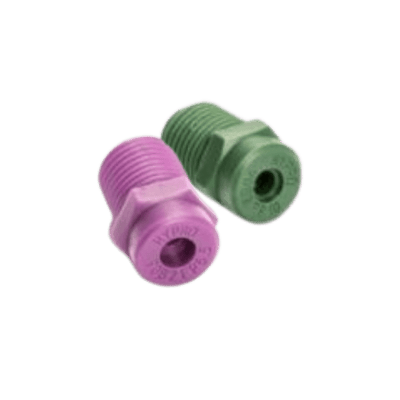
Use appropriate low-pressure equipment, controlled spray patterns and manageable sections. Softwashing equipment such as professional pumps, injectors and nozzles can help improve accuracy. SoftWash UK supplies a range of soft washing equipment suitable for controlled chemical application.
8. Monitor Dwell and Rinse Where Required
Do not leave chemical unmanaged. Watch for drying, run-off, overspray and surface reaction. Rinse according to the product method and surface needs.
9. Check the Result and Record the Job
Take photos, note products used, dilution, weather and any client advice. This protects your business and helps maintain consistency on future visits.
Common Softwashing Chemical Myths
Myth 1: Stronger Chemical Always Gives a Better Result
Not true. Stronger chemical can increase risk without improving the outcome. Correct product selection, dwell time, coverage and surface preparation often matter more than strength.
Myth 2: If It Does Not Work Immediately, Add More
Some treatments work over hours, days or weeks. Adding more chemical without understanding the product can waste money and increase risk.
Myth 3: Pressure Washing Is Always Safer Than Chemicals
High pressure can damage render, roof tiles, pointing, timber and coatings. Sometimes a carefully controlled softwash is the safer method. The safest option depends on the surface and contamination.
Myth 4: All Surfactants Are the Same
They are not. Some are designed for softwashing compatibility, cling and rinsing behaviour. Others may foam excessively, separate, or react poorly with the main chemical.
Myth 5: Masking Scent Makes a Chemical Safer
A masking scent can improve user and customer experience by reducing unpleasant odour, but it does not remove chemical hazards. Products such as Fresh Wash Soft Washing Masking Scent should be seen as an odour management aid, not a substitute for ventilation, PPE or safe handling.
Training: The Best Way to Reduce Chemical Mistakes
Many softwashing errors happen because operators learn by trial and error. That can be expensive. Professional training helps users understand chemical selection, dilution, equipment, surface assessment, plant protection, risk management and real site scenarios.
The Soft Wash Training Course from SoftWash UK is relevant for contractors, property maintenance professionals and serious users who want to improve their knowledge before taking on higher-risk work. Training is particularly valuable if you are cleaning sensitive render, commercial buildings, schools, care homes, retail sites or managed residential developments where safety and documentation are critical.
For ongoing learning, the Softwashing Knowledge Hub and the SoftWash UK Podcast provide useful education on products, methods, business practice and responsible exterior cleaning.
Quick Reference: Softwashing Chemical Mistakes and Fixes
| Mistake | Likely Consequence | Best Practice Fix |
|---|---|---|
| Using one chemical for every stain | Poor results or surface damage | Identify the stain and select the correct product |
| Guessing dilution | Inconsistent cleaning and increased risk | Measure accurately and record ratios |
| Mixing incompatible chemicals | Dangerous reactions and fumes | Check SDS and never mix without confirmation |
| No test patch | Unexpected staining or colour change | Test on a small inconspicuous area first |
| Poor plant protection | Damaged lawns, hedges and borders | Pre-wet, control run-off and rinse where needed |
| Letting solution dry | Streaks, residue and uneven finish | Work in sections and monitor dwell time |
| No RAMS or SDS review | Safety and compliance gaps | Use proper documentation and train staff |
Frequently Asked Questions
What is the most common softwashing chemical mistake?
The most common mistake is using the wrong chemical or the wrong strength for the surface and contamination. Many issues come from treating all staining as algae, guessing dilution, or failing to test first. Correct identification and measured application are essential.
Can softwashing chemicals damage render?
Yes, they can if used incorrectly. Coloured render, painted render and older coatings need careful assessment, test patches, controlled dwell time and correct dilution. Softwashing can be very effective on render, but it must be done with the right method and surface protection.
Should sodium hypochlorite be rinsed off?
It depends on the surface, product, method and site conditions. Many hypochlorite-based cleaning processes require controlled dwell followed by thorough rinsing. Always follow the product guidance, assess the surface and avoid allowing chemical to dry where rinsing is required.
Is softwashing safe around plants?
Softwashing can be carried out safely around planting when proper controls are used. This may include pre-wetting, careful application, shielding sensitive areas, controlling run-off and rinsing vegetation afterwards. Poor plant protection is one of the most avoidable causes of complaints.
Do I need training to use softwashing chemicals professionally?
Training is strongly recommended for professional work. Chemicals, access equipment, public safety, documentation and surface compatibility all require knowledge. A structured course can help reduce mistakes, improve efficiency and support safer working practices.
Can I mix a surfactant with any softwash chemical?
No. Only use surfactants that are compatible with the chemical system you are using. Check the manufacturer’s guidance and safety information. The wrong additive can reduce performance, cause excessive foaming or create compatibility problems.
Conclusion: Good Softwashing Is Controlled Chemistry, Not Guesswork
The biggest softwashing chemical mistakes are avoidable. They usually happen when users rush the site assessment, choose the wrong product, guess dilution, ignore weather, fail to protect plants, or work without proper safety documentation.
For UK exterior cleaning contractors and property professionals, the best results come from a disciplined process: identify the surface, identify the contamination, choose the correct chemical, test first, apply under control, protect the environment and document the work.
SoftWash UK supports professional and responsible exterior cleaning through specialist chemicals, equipment, training and education. To improve your softwashing knowledge, compare suitable products or strengthen your safety procedures, visit SoftWash UK, explore the full range of professional softwashing chemicals, or consider formal training through the Soft Wash Training Course.
Better chemistry decisions lead to safer sites, better cleaning outcomes and more professional exterior cleaning work.