Choosing the Right Softwashing Equipment
Choosing the right softwashing equipment comes down to matching your system to the surfaces you clean, the chemicals you apply, the height and access conditions on site, and the level of control you need over flow, pressure and dilution. For most UK exterior cleaning contractors and property maintenance teams, the best softwashing set-up is not the biggest or most expensive system; it is the one that safely applies the correct cleaning solution at low pressure, accurately, consistently and without damaging the surface or surrounding environment.
A practical softwash system normally includes a chemical-resistant pump, suitable hose, application nozzles, a water source, chemical storage, dosing or mixing equipment, personal protective equipment, and clear safety documentation. The right combination will allow you to treat render, roofs, cladding, patios, driveways, timber, uPVC and commercial façades more efficiently than pressure washing alone, while reducing unnecessary surface abrasion.
This guide explains how to choose softwashing equipment for real-world UK jobs, from small residential work to larger commercial maintenance projects. It is written for exterior cleaning contractors, facilities managers, property maintenance professionals and serious DIY users who want to make a safe, informed decision before investing in kit.
What Is Softwashing Equipment Used For?
Softwashing equipment is designed to apply cleaning solutions at low pressure to exterior surfaces affected by organic growth, staining and atmospheric soiling. Unlike pressure washing, which relies mainly on mechanical force, softwashing relies on the correct chemistry, dwell time and controlled rinsing.
Typical softwashing applications include:
- Cleaning K-rend, monocouche and painted render affected by algae and black staining.
- Treating roof tiles, slate and concrete tiles for moss, lichen and biological growth.
- Cleaning commercial cladding, signage and gutters from ground level or access equipment.
- Maintaining patios, paths, driveways and stonework where pressure washing alone is not enough.
- Applying post-treatment biocides to reduce regrowth after cleaning.
- Cleaning uPVC, fascia, soffits and conservatories using appropriate products and dilution rates.
The equipment must be compatible with the chemicals being used. Many softwash solutions are corrosive or aggressive to standard pumps, seals and fittings if the equipment is not specified correctly. In practice, a cheap pump or hose that is not chemical-resistant can fail quickly, cause leaks and create unnecessary safety risks.
The Core Components of a Softwash System
A professional softwash set-up can be very simple or highly advanced, but every reliable system is built around the same core components. Before choosing a complete system, it helps to understand what each part does and why it matters.
1. Chemical-Resistant Pump
The pump is the heart of the system. It moves softwash solution from the tank or container to the application nozzle. For softwashing, the pump must be compatible with the cleaning products you intend to use, particularly sodium hypochlorite-based solutions and biocides.
Common pump types include:
- 12V diaphragm pumps: Popular for van-mounted and trolley systems. They are compact, practical and suitable for many residential and light commercial jobs.
- Air diaphragm pumps: Often used on more advanced professional systems where higher chemical resistance and output are required.
- Injection systems: Used to dose chemical into a water stream, helping reduce the need to pre-mix large volumes.
When assessing pumps, look at flow rate, maximum pressure, chemical compatibility, duty cycle, spare parts availability and ease of flushing. In day-to-day work, a pump that can be easily maintained is often more valuable than one with impressive specifications but poor practical support.
2. Hoses, Reels and Fittings
Softwash hose must be rated for the chemicals being carried through it. Standard garden hose or pressure washer hose is not always suitable. Poor hose selection can lead to cracking, swelling, leaks and premature failure.
For contractors, hose management is also a productivity issue. A well-mounted hose reel saves time, reduces trip hazards and keeps the van more organised. On commercial sites, tidy hose runs also help with public safety and professional presentation.
Choose fittings that are chemical-resistant and easy to replace. Keep spare O-rings, connectors, clamps and isolation valves on the vehicle. Small failures cause big delays when you are working away from base.
3. Nozzles and Application Tools
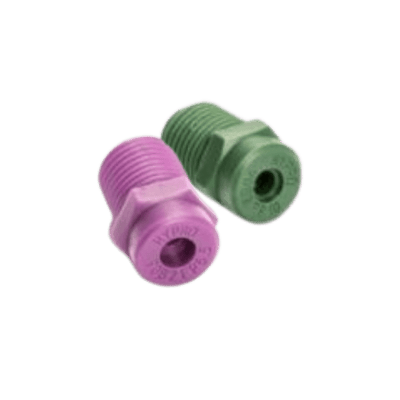
Nozzles control the spray pattern, reach and volume of solution being applied. The correct nozzle helps you apply product evenly without over-wetting, overspray or unnecessary waste.
Common nozzle patterns include:
- Fan nozzles: Useful for render, cladding and broad surface coverage.
- Cone nozzles: Useful where softer, more even coverage is required.
- Jet nozzles: Useful for reach, but they require care to avoid drift and uneven application.
- Water-fed pole nozzles: Useful for controlled application at height from the ground.
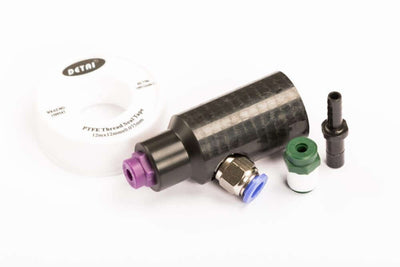
For contractors already using water-fed pole systems, a dedicated water fed pole softwash nozzle can be a practical addition for low-pressure application on façades, gutters and awkward upper-level areas. Always consider wind conditions, overspray risk and chemical control when working at height.
4. Tanks, Containers and Chemical Storage
Softwashing chemicals should be stored and transported responsibly. Tanks and containers must be compatible with the product, clearly labelled and secured during transport. Never use unlabelled containers or food-grade containers, as this creates a serious safety risk.
For vehicle-mounted systems, baffled tanks help reduce water movement during transport. For smaller jobs, approved chemical containers and measured mixing vessels may be more practical. Contractors should also consider spill kits, secondary containment and safe storage away from heat, sunlight and incompatible materials.
5. Dosing and Injection Equipment
Dosing equipment allows you to control chemical strength more accurately. This can reduce waste, improve consistency and help minimise over-application. It is particularly useful for contractors moving between different surfaces, such as render in the morning and roof biocide application in the afternoon.
Injection systems, such as the Clever Injector Dosatron, can help contractors manage dilution more consistently where the set-up and application method suit the job. As with any dosing equipment, it must be calibrated, flushed and maintained correctly.
Softwashing Equipment Comparison Table
The best system depends on your workload, budget and site conditions. The table below gives a practical overview.
| Equipment Type | Best For | Advantages | Limitations |
|---|---|---|---|
| Hand sprayer | Small spot treatments, serious DIY use, test patches | Low cost, simple, portable | Limited reach, slow on large areas, variable application |
| 12V softwash pump system | Residential render, patios, roofs, general contractor work | Practical, van-friendly, good output, widely used | Requires battery management, flushing and maintenance |
| Water-fed pole softwash set-up | Façades, gutters, upper-storey surfaces, controlled application | Good reach, reduced ladder use, useful for access | Needs careful overspray control and correct nozzle choice |
| Dosing or injection system | Contractors needing consistent dilution control | Reduces pre-mixing, improves repeatability, efficient on varied jobs | Requires set-up knowledge, calibration and regular maintenance |
| Professional skid or van-mounted system | High-volume commercial and residential contractors | Efficient, organised, high capacity, professional workflow | Higher investment, requires good van layout and training |
How to Choose the Right Softwashing Equipment: Step-by-Step
Step 1: Identify the Surfaces You Clean Most Often
Start with your typical workload. A contractor cleaning mainly render and patios needs a different set-up from a facilities manager maintaining cladded commercial units or a roof cleaning business applying post-treatment biocide.
Ask yourself:
- Am I cleaning domestic properties, commercial sites or both?
- Will I work mostly from ground level, ladders, scaffold, MEWPs or roof access?
- Do I need long hose runs for large properties?
- Will I be applying sodium hypochlorite solutions, biocides or specialist stain removers?
- How often will I need to switch between products?
If you are new to the industry, SoftWash UK's Knowledge Centre article on softwash equipment for beginners is a useful starting point before investing in a complete system.
Step 2: Match Flow Rate to the Job
Flow rate affects how quickly you can apply solution. Too little flow slows the job down and causes patchy application. Too much flow can waste chemical, increase run-off and make control more difficult.
For render cleaning, controlled even coverage is more important than extreme output. For large roof areas, higher flow may be useful, but only if you can manage run-off, access and safety correctly. A good operator knows when to reduce output and let the chemistry do the work.
Step 3: Choose Chemical-Compatible Materials
This is one of the biggest buying decisions. Pumps, seals, valves, hoses, reels and fittings should all be suitable for the products being used. Chemical incompatibility leads to leaks, breakdowns and potentially dangerous exposure.
When choosing equipment, check compatibility with:
- Sodium hypochlorite-based softwash solutions.
- Quaternary ammonium compound biocides.
- Surfactants and masking scents.
- Specialist stain removers.
- Rinse water and flushing procedures.
SoftWash UK supplies a range of soft washing equipment selected for professional exterior cleaning applications, including components intended for controlled chemical application rather than high-pressure blasting.
Step 4: Think About Access and Working Height
Many softwashing jobs involve upper walls, rooflines, chimneys, dormers or commercial façades. Equipment choice must be linked to your access plan. Low-pressure application from the ground may reduce ladder work, but it does not remove the need for a risk assessment.
Consider:
- Can the surface be treated safely from ground level?
- Is there a risk of chemical drift onto neighbouring property, vehicles, ponds or planting?
- Will a water-fed pole, scaffold tower or MEWP provide better control?
- Are exclusion zones required for pedestrians or site staff?
- What rinsing or neutralisation procedures are required afterwards?
Step 5: Plan Your Mixing, Dosing and Flushing Process
Good softwashing is controlled. You should know what product you are applying, at what dilution, to which surface, for how long and how it will be rinsed or left to dwell. Equipment should make this process easier, not more confusing.
If using pre-mixed solutions, use clearly labelled containers and only mix what you need. If using a dosing system, understand the injection ratio and test the output. At the end of the job, flush pumps, hoses and lances according to the equipment and chemical guidance. This protects your equipment and reduces the risk of accidental cross-contamination.
Choosing Equipment for Different Types of Softwashing Work
Domestic Render Cleaning
For domestic render cleaning, the priority is controlled application and careful protection of surrounding surfaces. A 12V pump system, chemical-resistant hose, fan nozzle and water-fed pole option will suit many contractors. You need enough reach to treat upper elevations safely, but not so much pressure that you lose control of the spray pattern.
Pre-wetting sensitive plants, managing run-off and testing inconspicuous areas are good working habits. Painted render, older coatings and heavily weathered surfaces should be assessed carefully before treatment.
Roof Cleaning and Biocide Application
Roof work requires a higher level of planning. Access, fall prevention, fragile surfaces, run-off control and weather conditions all matter. Low-pressure application can be useful after manual moss removal or suitable cleaning, but equipment should never be used as a shortcut around safe access procedures.
For post-treatment work, contractors often use pumps and nozzles that provide even coverage without flooding gutters or over-applying product. Gutter outlets, water butts, ponds and neighbouring gardens must be considered before application.
Commercial Cladding and Facilities Maintenance
Facilities managers and commercial contractors often need reliable repeatability. This is where organised van systems, longer hose runs, dosing equipment, clear documentation and site-specific method statements become important.
On commercial sites, you may be working near parked vehicles, public entrances, air intakes, security systems and electrical installations. Equipment choice should support safe isolation, controlled application and predictable results.
Patios, Driveways and Hard Surfaces
Hard surface cleaning often combines pressure washing with softwashing chemistry. A pressure washer may remove the bulk of the contamination, while a softwash treatment deals with organic staining and helps reduce regrowth. Equipment should allow controlled application without excessive run-off into drains or planted borders.
Always consider the surface material. Natural stone, concrete, block paving, porcelain and resin-bound surfaces respond differently. Test patches and product selection matter just as much as pump choice.
Equipment and Chemical Choice Must Work Together
Softwashing equipment should be selected alongside the products you intend to use. There is little point buying a powerful system if the operator does not understand dilution, dwell time, surfactants or surface compatibility.
SoftWash UK supplies professional soft wash chemicals for different exterior cleaning tasks, including biocides, surfactants, sodium hypochlorite-based solutions and specialist stain removers. The important point is to use the right product at the right strength with compatible equipment and appropriate controls.
For example, surfactants can help a cleaning solution cling to vertical surfaces and improve contact time, but they also change how the solution behaves. That affects application technique, run-off risk and rinsing requirements. Equipment, chemistry and method must be considered together.
Safety, Compliance and Best Practice
Softwashing involves the handling and application of professional cleaning chemicals. Safe working practices are not optional; they are part of doing the job properly. Contractors should complete site-specific risk assessments and method statements, follow product labels and safety data sheets, and comply with relevant UK health and safety requirements.
Key safety points include:
- Wear suitable PPE, including eye protection, chemical-resistant gloves and appropriate footwear.
- Never mix incompatible chemicals.
- Store and transport chemicals in labelled, compatible containers.
- Protect plants, ponds, metals, painted surfaces and sensitive materials.
- Control overspray, especially in wind or near neighbouring property.
- Keep the public, pets and site staff away from the working area.
- Flush equipment safely after use.
- Carry spill response materials where appropriate.
For contractors building professional systems and processes, a Risk Assessment and Method Statement RAMS pack for exterior cleaning can help structure safer documentation and improve consistency on site. It does not replace competence, but it supports a more professional approach.
Training is also strongly recommended, especially if you are moving from pressure washing into chemical application. The Soft Wash Training Course is designed to help contractors understand methods, product selection, safety, equipment use and real-world application rather than learning by costly trial and error.
Common Mistakes When Buying Softwashing Equipment
Buying the Biggest System First
Many new contractors assume a larger system will make them more professional. In reality, an oversized system can be harder to control, more expensive to maintain and unnecessary for the work being done. Start with the surfaces and job types you actually clean.
Using Non-Compatible Pumps and Fittings
This is a common and expensive mistake. Standard pumps and fittings may work briefly, then fail after exposure to softwash chemicals. Chemical resistance should be checked before purchase, not after a leak occurs on a customer's driveway.
Ignoring Hose Management
Poor hose management wastes time and creates trip hazards. Contractors often focus on pumps and tanks but forget reels, hose length, access routes and safe working zones. A tidy system is usually a safer and faster system.
Relying on Pressure Instead of Chemistry
Softwashing is not pressure washing with chemicals added. High pressure can damage render, force water behind surfaces and disturb fragile materials. The aim is controlled low-pressure application, correct dwell time and suitable rinsing.
Skipping Training and Documentation
The costliest errors often come from poor method rather than poor equipment. Incorrect dilution, bad weather judgement, lack of plant protection or inadequate PPE can cause damage and complaints. Professional training and documentation should be treated as part of your equipment investment.
Softwashing Equipment Myths
Myth: One Softwash Set-Up Does Every Job Perfectly
No single system is perfect for every surface. A compact 12V system may be ideal for domestic render, while a dosing system may suit repetitive commercial work. Roof work, cladding, patios and timber all require different thinking.
Myth: More Pressure Means Better Results
Softwashing is about chemistry and contact time, not force. Excessive pressure increases the risk of surface damage and overspray. Better results usually come from correct product selection, even application and patience.
Myth: DIY Garden Sprayers Are Enough for Professional Work
Hand sprayers have their place for small test patches or minor spot treatment, but they are slow and inconsistent for professional exterior cleaning. Contractors need durable, chemical-compatible systems that can be flushed, maintained and used safely.
Practical Buying Checklist
Before investing in softwashing equipment, use this checklist to avoid buying unsuitable kit.
- List the main surfaces you will clean over the next six months.
- Confirm the chemicals you intend to use and check equipment compatibility.
- Choose a pump with suitable flow, pressure and duty cycle.
- Select chemical-resistant hose, fittings, valves and seals.
- Decide whether you need pre-mixing, dosing or injection.
- Plan how you will work at height and control overspray.
- Include PPE, spill response and safe storage in your budget.
- Prepare risk assessment and method statement documentation.
- Allow for spare parts, maintenance and flushing procedures.
- Invest in training before taking on higher-risk jobs.
Frequently Asked Questions
What equipment do I need to start softwashing?
At a basic professional level, you need a chemical-resistant pump, suitable hose, nozzles, containers or tanks, PPE, measuring equipment, water supply, cleaning products and safety documentation. Many new contractors start with a 12V system and expand as their workload grows. For a more detailed starter guide, read SoftWash UK's Knowledge Centre article, What Equipment Does A New Softwash Contractor Need.
Can I use a pressure washer for softwashing?
A pressure washer may be used for rinsing or for separate pressure cleaning tasks, but softwashing itself should be applied at low pressure using chemical-compatible equipment. Drawing chemicals through unsuitable pressure washer systems can damage components and create poor dilution control.
What pump is best for softwashing?
For many UK contractors, a chemical-resistant 12V diaphragm pump is a practical starting point. Higher-volume contractors may consider air diaphragm or dosing systems. The best pump depends on the chemicals used, flow rate required, hose length, access method and maintenance routine.
Do I need a dosing system?
Not always. Dosing systems are useful when you need repeatable dilution control and want to reduce pre-mixing. They are particularly helpful on varied or larger jobs. However, they require correct set-up, calibration and maintenance. Smaller contractors may begin with measured batch mixing before moving to injection equipment.
Is softwashing safe for render and roofs?
Softwashing can be safe and effective when the correct product, dilution, dwell time and method are used. However, not all surfaces are in suitable condition, and some materials are sensitive. Always assess the surface, complete a test patch where appropriate, protect surrounding areas and follow safety guidance.
How often should softwash equipment be flushed?
Equipment should be flushed after use and whenever changing products, following the guidance for the specific equipment and chemical. Regular flushing helps protect pumps, hoses, seals and nozzles, and reduces the risk of accidental cross-contamination.
Conclusion: Buy Equipment That Matches Your Work, Not Someone Else's Van
The right softwashing equipment is the system that helps you clean safely, consistently and professionally on the jobs you actually carry out. For some users, that may be a compact pump system with good nozzles and careful batch mixing. For established contractors, it may be a van-mounted system with dosing equipment, hose reels and a structured maintenance process.
Do not choose equipment based only on price, pump size or social media set-ups. Consider surface type, chemical compatibility, access, flow control, safety documentation, training and long-term maintenance. Good softwashing is a combination of equipment, chemistry and method.
SoftWash UK supports UK exterior cleaning professionals with practical education, professional chemicals, suitable equipment and training resources. To build or improve your set-up, explore the SoftWash UK range of professional softwashing equipment, review the Softwashing Knowledge Hub, or consider formal training before taking on more complex exterior cleaning projects.