Softwashing vs Pressure Washing Roof Tiles: Which Method Is Best?
For most UK roof tile cleaning projects, softwashing is usually the safer and more appropriate method than pressure washing because it treats the biological growth causing the staining, uses low pressure, and reduces the risk of damaging tiles, pointing, fixings and roof membranes. Pressure washing can remove heavy moss quickly, but when used incorrectly on roof tiles it can strip protective surfaces, force water beneath laps, dislodge ridge pointing and shorten the life of the roof covering.
That does not mean pressure washing has no place. On some robust roofs, with the right equipment, experience and control, low-pressure rinsing or carefully managed mechanical removal may be part of a wider roof cleaning process. However, for contractors, facilities managers and serious DIY users, the key decision is not simply “softwashing vs pressure washing”. It is understanding the roof material, contamination type, access risks, drainage, surrounding surfaces and long-term result required.
This guide explains the practical differences between softwashing and pressure washing roof tiles, when each method may be suitable, where the risks are, and how to approach roof cleaning safely and professionally in the UK.
Quick Answer: Softwashing vs Pressure Washing Roof Tiles
| Factor | Softwashing Roof Tiles | Pressure Washing Roof Tiles |
|---|---|---|
| Cleaning principle | Uses specialist cleaning chemistry at low pressure to kill and break down organic growth | Uses high-pressure water to physically blast away moss, dirt and surface contamination |
| Pressure level | Low pressure, often similar to garden hose pressure depending on equipment | High pressure, which can be aggressive if not controlled |
| Best suited to | Algae, lichen, black staining, moss regrowth control, delicate roof surfaces | Heavy loose moss removal where roof condition allows and operator is experienced |
| Main risk | Incorrect chemical handling, poor runoff control or unsuitable mixing | Tile damage, water ingress, blown laps, disturbed pointing and granular surface loss |
| Longevity | Often longer lasting because biological growth is treated at source | Can look clean immediately but may regrow faster if spores and roots remain untreated |
| Professional requirement | Requires correct chemical knowledge, application, dwell time, rinsing decisions and safety controls | Requires strong equipment control, roof knowledge, safe access and damage prevention |
What Is Softwashing on Roof Tiles?
Softwashing is a low-pressure exterior cleaning method that uses carefully selected cleaning solutions to treat organic contamination such as moss, algae, lichen, mould and atmospheric staining. Instead of relying on force, it relies on chemistry, correct dwell time and appropriate application.
If you are new to the method, SoftWash UK’s Knowledge Centre guide to softwashing gives a useful overview of how the process works across different exterior surfaces.
On roof tiles, softwashing may involve:
- Initial inspection of the tile type and roof condition
- Manual removal of heavy moss where required
- Low-pressure application of a suitable softwash solution
- Controlled dwell time to allow the product to work
- Managed rinsing, natural weathering, or follow-up treatment depending on the system used
- Protection of plants, gutters, watercourses and sensitive materials
In real-world roof cleaning, softwashing is often most valuable after the bulk of heavy moss has been removed. The chemical treatment helps deal with the remaining spores, biofilm and staining that scraping alone cannot fully address.
What Is Pressure Washing on Roof Tiles?
Pressure washing uses pressurised water to physically remove contamination. On patios and hardstanding, this can be a sensible and productive method when used correctly. Roof tiles are different. They are part of a weathering system designed to shed rainwater down the roof slope, not withstand high-pressure water being driven upwards, sideways or into laps.
When pressure washing roof tiles, common risks include:
- Forcing water beneath tiles and into the roof space
- Damaging underfelt, battens or breathable membranes where defects already exist
- Removing the sand-faced or granular surface from concrete tiles
- Cracking older clay tiles or disturbing fragile edges
- Dislodging ridge mortar, verge details or leadwork edges
- Creating large volumes of dirty runoff and blocked gutters
For a wider comparison of the two exterior cleaning approaches, see SoftWash UK’s Knowledge Centre article on softwashing vs pressure washing.
Why Roof Tile Type Matters
One of the biggest mistakes in roof cleaning is treating all roof tiles the same. A 1990s concrete interlocking tile, a handmade clay plain tile, a natural slate roof and an older rosemary-style roof all behave differently under water pressure and chemical treatment.
Concrete Roof Tiles
Concrete tiles are common across the UK and often develop moss, lichen and black biological staining. Many have a face coating or textured surface that can be damaged by aggressive pressure washing. Once the surface is stripped, tiles may become more porous and hold contamination more readily.
Softwashing is often preferred because it treats the organic growth without relying on aggressive impact. Heavy moss may still need to be removed manually before treatment.
Clay Roof Tiles
Clay tiles can be brittle, especially on older properties. Some are glazed, some are unglazed, and some historic tiles may be uneven or fragile. High-pressure washing can break edges, lift tiles or force water through overlaps.
Softwashing may be suitable, but compatibility testing and care are essential. On older or listed buildings, specialist conservation advice may be needed before any roof cleaning work is undertaken.
Natural Slate
Slate is durable as a material, but slate roofs can be fragile as a system. Fixings may be corroded, slates may be delaminating, and foot traffic can cause damage. Pressure washing slate roofs is rarely a good idea unless there is a very specific reason and a competent contractor has assessed the roof thoroughly.
Artificial Slate and Fibre Cement
Some artificial slates and older fibre cement products need careful assessment. If there is any suspicion of asbestos-containing materials, do not scrape, abrade, pressure wash or chemically treat without appropriate professional testing and competent advice. Asbestos risk must always be taken seriously.
Softwashing Roof Tiles: Practical Advantages
1. It Targets the Cause of Organic Growth
Moss and algae are living contaminants. Pressure washing may remove what you can see, but it does not always properly address roots, spores and biofilm. Softwashing is designed to treat the organisms causing the discolouration, which is why results can continue improving after the day of treatment.
2. It Reduces Mechanical Damage
Low-pressure application is kinder to roof surfaces than blasting with high-pressure water. This is particularly important on weathered concrete tiles, older clay tiles, roof edges, valleys, leadwork, mortar beds and areas around roof windows or solar panel mounts.
3. It Can Deliver Longer-Lasting Results
When the correct product, dilution, dwell time and method are used, softwashing can suppress regrowth for longer than water-only cleaning. The exact duration depends on shade, tree cover, roof pitch, tile porosity, local environment and maintenance. For more detail, SoftWash UK has a helpful guide answering how long does softwashing last.
4. It Is Better Suited to Commercial Maintenance
Facilities managers often need predictable, lower-disruption cleaning programmes. Softwashing can be planned as part of cyclical maintenance for schools, care homes, retail units, offices, housing associations and industrial buildings. It is usually less disruptive than aggressive washing, although access, exclusion zones and runoff control still need careful planning.
Pressure Washing Roof Tiles: Where It Goes Wrong
Most roof tile pressure washing problems come from using too much force, the wrong nozzle, poor working angle or lack of roof knowledge. Operators who are used to cleaning block paving may underestimate how vulnerable tile systems can be.
Common Damage Caused by Pressure Washing Roofs
- Surface erosion: Concrete tiles can lose their protective outer layer, leaving a rougher and more absorbent surface.
- Water ingress: Water can be driven beneath laps, especially when spraying upwards or across the tile line.
- Broken tiles: Foot traffic and lance recoil can crack tiles, particularly near edges and overlaps.
- Dislodged mortar: Ridges, hips and verges may already be weathered and vulnerable.
- Mess and staining: Dirty runoff can stain walls, conservatories, paths and neighbouring property.
When Pressure Washing May Be Considered
There are situations where a contractor may use water pressure as part of a controlled system, but this should not mean blasting the roof at full power. Examples include:
- Low-pressure rinsing after a treatment where appropriate
- Controlled moss removal on robust roof coverings after inspection
- Specific commercial roofs where manufacturer guidance permits it
- Cleaning adjacent hard surfaces after roof debris removal
The important point is that pressure should be controlled, justified and proportionate. It should not be the default solution for every dirty roof.
Softwashing Chemicals for Roof Tiles
Professional softwashing relies on using the right chemistry for the surface and contamination. Products may include biocidal treatments, sodium hypochlorite-based solutions, surfactants and specialist cleaners depending on the task. The correct choice depends on the roof material, the type of growth, the desired speed of result and the surrounding risk factors.
SoftWash UK’s Knowledge Centre guide to softwashing chemicals explains the main types of chemistry used in professional exterior cleaning and why product selection matters.
For roof cleaning, contractors should understand:
- Product label instructions and legal use requirements
- Correct dilution and application rates
- Compatibility with roof tiles, metals, coatings and nearby surfaces
- Dwell time and whether rinsing is required
- Plant protection and runoff management
- Personal protective equipment and emergency procedures
- Safe storage, transport and handling of chemicals
For contractors choosing products, SoftWash UK supplies professional soft wash chemicals for exterior cleaning applications, including roof-focused cleaning and biocidal treatment options. A product such as Clean Guard Pro may be relevant where a roof moss killer and cleaner is required, provided it is used correctly and in line with the product instructions.
Step-by-Step: A Professional Approach to Roof Tile Softwashing
The exact method will vary by roof, product system and contractor competence, but the following framework reflects a practical professional approach.
Step 1: Inspect the Roof from the Ground First
Use binoculars, camera zoom or drone inspection where appropriate. Look for cracked tiles, slipped tiles, failing ridge mortar, damaged leadwork, blocked valleys, fragile roof lights, solar panels, overhead cables and signs of previous repairs.
Step 2: Identify the Tile Type and Contamination
Decide whether you are dealing with loose moss, rooted moss, algae, lichen, carbon staining, pollution, bird fouling or a combination. Lichen on roof tiles can be stubborn and may need time to weather away after treatment.
Step 3: Plan Access and Working at Height Controls
Roof cleaning is often more dangerous than the cleaning itself. Contractors must plan safe access in line with UK working at height requirements. That may include scaffolding, mobile access towers, MEWPs, roof ladders, edge protection, harness systems or working from ground level with specialist equipment where suitable.
Never rely on a domestic ladder and confidence alone. A proper risk assessment should consider fragile surfaces, fall distance, public access, weather, manual handling, chemical exposure and emergency rescue.
Step 4: Protect the Site
Before applying any cleaning solution, protect sensitive areas. This may include pre-wetting plants, diverting downpipes, covering delicate surfaces, checking water butts, informing neighbours and establishing exclusion zones below the work area.
Step 5: Remove Heavy Moss Where Required
Softwashing works best when it can contact the surface. Thick moss blankets may need careful manual removal using appropriate scrapers or roof-safe tools. Avoid aggressive abrasion that damages the tile face.
Step 6: Apply the Softwash Solution at Low Pressure
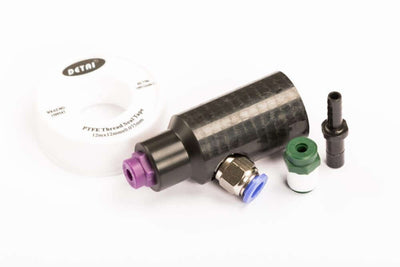
Apply an appropriate solution evenly using suitable softwashing equipment. Contractors may use dedicated pumps, controlled dosing systems, fan nozzles, extension poles or other low-pressure systems depending on the job. SoftWash UK supplies professional soft washing equipment designed for controlled application rather than high-pressure blasting.
Step 7: Allow Correct Dwell Time
Dwell time allows the chemistry to work. Do not rush the process. Temperature, weather, roof porosity, contamination level and product type all affect performance. Avoid applying in unsuitable weather, especially high winds, heavy rain, freezing conditions or intense heat that dries product too quickly.
Step 8: Rinse, Neutralise or Leave to Weather as Required
Some systems require rinsing, while others are designed to continue working and weather away naturally. Follow product guidance and site-specific requirements. On roofs, unnecessary rinsing can create avoidable runoff and access risk, but leaving the wrong product in place can also cause problems. This is where training and product knowledge matter.
Step 9: Clear Gutters and Manage Waste
Roof moss removal often fills gutters and downpipes. Clear debris, bag waste responsibly and prevent drain blockages. On commercial sites, waste handling and water management may need to be documented.
Step 10: Record the Work and Advise on Maintenance
Provide before and after photos, product information where appropriate, safety notes and maintenance recommendations. For commercial clients, documented work helps demonstrate due diligence and supports planned maintenance decisions.
Best Practice and Compliance Notes for UK Contractors
Roof cleaning combines three major risk areas: working at height, chemical handling and property protection. A professional result is not just a clean roof; it is a clean roof achieved without injury, environmental harm or avoidable damage.
- Carry out site-specific risk assessments and method statements.
- Use suitable PPE, including gloves, eye protection and respiratory protection where required by the product assessment.
- Check Safety Data Sheets and product labels before use.
- Control public access, especially on schools, care homes, shops and residential streets.
- Protect plants, ponds, water butts, vehicles, painted surfaces and metals.
- Do not allow uncontrolled chemical runoff into watercourses.
- Assess weather conditions before starting.
- Have an emergency plan for falls, spills and accidental exposure.
For contractors building a more formal approach, the Risk Assessment and Method Statement Pack for Exterior Cleaning can help structure documentation for safer, more consistent roof and exterior cleaning work.
Common Myths About Roof Tile Cleaning
Myth 1: “Pressure Washing Is Always Quicker, So It Is Better”
Pressure washing can produce an immediate visual change, but speed is not the same as quality. If it damages the tile surface or leaves biological growth untreated, the client may face faster regrowth or expensive roof repairs.
Myth 2: “Softwashing Is Just Spraying Bleach”
Professional softwashing is not random chemical spraying. It involves surface assessment, product choice, dilution control, dwell time, risk management, application technique and environmental protection. Poor chemical practice can be just as unprofessional as poor pressure washing.
Myth 3: “All Roofs Should Look Brand New After Cleaning”
Some staining improves gradually after treatment. Older tiles may remain weathered because the surface itself has aged. A good contractor sets realistic expectations rather than promising a factory-new finish on a 40-year-old roof.
Myth 4: “If the Roof Does Not Leak During Washing, No Damage Was Done”
Some damage appears later. Forcing water into laps, disturbing mortar or stripping tile surfaces may not be obvious on the day. Professional roof cleaning should minimise long-term risk, not just avoid immediate complaints.
Softwashing vs Pressure Washing: Which Should You Quote?
For most domestic and commercial roof tile cleaning quotes, a softwashing-led approach is the better professional starting point. This may include manual moss removal followed by a biocidal or softwash treatment. Pressure washing should only be quoted where the roof type, condition, access and client expectations make it appropriate.
| Roof Situation | Recommended Approach | Reason |
|---|---|---|
| Heavy moss on concrete tiles | Manual removal plus softwash treatment | Removes bulk growth and treats spores without aggressive blasting |
| Light algae staining | Softwash treatment | Contamination is biological and usually responds well to chemistry |
| Old clay tile roof | Careful survey, low-impact method, possible specialist advice | Fragility and heritage considerations may rule out pressure washing |
| Commercial roof with access constraints | Planned softwash programme with documented controls | Reduces disruption and supports compliance-led maintenance |
| Unknown artificial slate or fibre cement | Stop and investigate before cleaning | Potential asbestos or material compatibility concerns must be addressed |
Training Matters More Than the Method Name
A trained contractor understands that roof cleaning is not about choosing a fashionable label. It is about selecting the safest effective method for the surface, contamination and site conditions. Softwashing can be done badly, and pressure washing can be done with care in limited circumstances. Competence is the difference.
Professional training helps contractors understand chemical safety, dilution, application equipment, plant protection, risk assessment, quoting, customer expectations and method selection. SoftWash UK offers a structured Soft Wash Training Course for contractors who want to build a safer and more professional softwashing business.
If you want to see how professional softwashing training is structured before committing to the full programme, you can try selected lessons from the SoftWash UK course for free. It is a useful way to preview the training and understand the standards, safety thinking and practical approach behind professional softwashing.
FAQ: Softwashing vs Pressure Washing Roof Tiles
Is softwashing better than pressure washing for roof tiles?
In most cases, yes. Softwashing is usually better for roof tiles because it uses low pressure and treats the biological growth causing moss, algae and staining. Pressure washing can be too aggressive and may damage tiles or force water beneath the roof covering. For a broader view, SoftWash UK also explains when softwashing better than pressure washing applies across exterior surfaces.
Can you pressure wash concrete roof tiles?
Concrete roof tiles can sometimes withstand controlled cleaning, but high-pressure washing is risky. It can remove surface coatings or granular texture, increase porosity and create water ingress issues. Many professional contractors prefer manual moss removal followed by softwashing.
Does softwashing remove moss from roof tiles immediately?
Softwashing treats moss and organic growth, but thick moss may need manual removal first. Some staining and lichen may continue to fade over days, weeks or months depending on the treatment, weather and roof condition. Clients should be told what to expect before work starts.
Will softwashing damage roof tiles?
Correctly specified and applied softwashing should not damage suitable roof tiles. Problems occur when the wrong chemical, excessive strength, poor dwell control or inadequate rinsing and protection are used. Always test, follow product guidance and assess the roof material first.
How long does roof softwashing last?
Results vary depending on shade, tree cover, roof pitch, tile porosity and local conditions. A treated roof will usually stay cleaner for longer than a roof that has only been mechanically cleaned, because the biological contamination has been treated rather than simply removed from the surface.
Can serious DIY users softwash their own roof?
Serious DIY users should be very cautious. The main danger is working at height, followed by chemical handling and property protection. Many roofs should be left to trained professionals with proper access equipment, insurance, PPE and safety documentation. If you do attempt any exterior chemical cleaning, understand the product, legal responsibilities and safety requirements before starting.
Conclusion: Choose the Method That Protects the Roof, Not Just the One That Looks Fast
When comparing softwashing vs pressure washing roof tiles, the best choice is usually the method that cleans effectively while preserving the roof system. For most UK tiled roofs, that means a softwashing-led approach: inspect carefully, remove heavy moss where needed, apply suitable treatment at low pressure, control runoff and manage safety properly.
Pressure washing may deliver instant visual results, but on roof tiles it carries significant risks when used as the default method. Damaged tile surfaces, water ingress and disturbed roof details can cost far more than the original cleaning job. Contractors and facilities managers should focus on long-term asset protection, not just a clean appearance on the day.
SoftWash UK supports professional exterior cleaners with specialist chemicals, equipment, training and educational resources designed to raise standards across the industry. If you are developing roof cleaning services, reviewing your current method, or moving from pressure washing into softwashing, explore the SoftWash UK Knowledge Centre, product range and professional training options to build a safer, more effective approach.