Using Sodium Hypochlorite Safely: Practical Guidance for UK Exterior Cleaning Professionals
Sodium hypochlorite can be used safely in exterior cleaning when it is treated as a professional chemical, not a general household cleaner. Safe use depends on correct storage, suitable personal protective equipment, proper dilution, compatible equipment, controlled application, responsible rinsing, environmental protection, and a clear risk assessment before work starts.
For UK exterior cleaning contractors, facilities managers, property maintenance teams and serious DIY users, sodium hypochlorite is one of the most useful active ingredients for removing and controlling organic growth such as algae, lichen, mould and biofilm. It is widely used in softwashing because it works quickly on biological staining, but it is also corrosive, reactive and environmentally hazardous if handled carelessly.
This guide explains how to use sodium hypochlorite safely and professionally on exterior surfaces. It covers real-world site practice, common mistakes, equipment considerations, UK safety expectations and the practical decisions that help protect people, property, plants, watercourses and the cleaner’s reputation.
What Is Sodium Hypochlorite and Why Is It Used in Softwashing?
Sodium hypochlorite, often shortened to “SH” in the exterior cleaning industry, is a chlorine-based chemical commonly used for cleaning, sanitising and treating organic contamination. In softwashing, it is used because it breaks down biological growth on surfaces such as render, roofs, walls, paving, cladding and masonry.
If you want a deeper explanation of the chemistry, SoftWash UK has a dedicated Knowledge Centre guide on sodium hypochlorite, including how it behaves and why it is used in professional exterior cleaning.
In practical terms, sodium hypochlorite is useful because it can:
- Kill and remove green algae from render, brick, stone, concrete and paving.
- Break down black and red organic staining on many exterior surfaces.
- Improve dwell-time cleaning results when used with a compatible surfactant.
- Reduce the need for aggressive high-pressure washing on delicate surfaces.
- Help achieve a cleaner finish on surfaces where pressure alone is unsuitable.
However, sodium hypochlorite is not a “spray and forget” miracle product. The safest and most effective results come from understanding the surface, the type of contamination, the weather conditions, nearby risks and the correct application method.
The Main Safety Risks of Sodium Hypochlorite
Sodium hypochlorite is effective because it is reactive. That same reactivity creates risks. Any contractor using it should understand the hazards before taking it to site.
| Risk | Why It Matters | Practical Control |
|---|---|---|
| Skin and eye burns | Concentrated sodium hypochlorite can damage skin and eyes. | Wear suitable gloves, eye protection, face protection and chemical-resistant clothing where required. |
| Respiratory irritation | Mist, vapour or accidental chemical reactions can irritate airways. | Avoid atomising, work with controlled low-pressure application and never mix with incompatible chemicals. |
| Chlorine gas release | Mixing with acids, ammonia or unsuitable products can release dangerous gas. | Never mix sodium hypochlorite with acids, descalers, toilet cleaners, ammonia-based products or unknown chemicals. |
| Plant damage | Run-off and overspray can scorch leaves and damage landscaping. | Pre-wet plants, cover sensitive areas where appropriate, control overspray and rinse thoroughly. |
| Surface damage | Incorrect strength or dwell time can discolour or corrode some materials. | Survey carefully, test first and follow manufacturer guidance. |
| Environmental harm | Untreated discharge into drains, ponds or watercourses can be harmful. | Plan containment, dilution, neutralisation where appropriate and responsible wastewater management. |
Before You Use Sodium Hypochlorite: Site Assessment Comes First
Experienced contractors rarely have problems because they spend time looking before they start spraying. Most sodium hypochlorite incidents come from rushing the survey, guessing the mix, ignoring the wind or failing to protect sensitive areas.
Check the Surface
Different materials react differently. Painted timber, anodised aluminium, lead flashing, copper, limestone, sandstone, coloured render, cladding gaskets and older coatings all need care. A test patch is good practice, especially when working on commercial buildings, heritage surfaces or expensive residential properties.
Look for:
- Oxidised paint or powder-coated frames.
- Natural stone that may be sensitive to chemicals.
- Metal fixings, vents, flashings and decorative features.
- Damaged render, cracks, open joints or failed sealant.
- Unsealed timber, decking and porous materials.
- Nearby ponds, streams, lawns and planting beds.
Check the Contamination
Sodium hypochlorite is primarily used for organic growth. It is not the correct answer for every stain. Rust, oil, tannin staining, efflorescence and mineral deposits usually require different chemistry. Using SH on the wrong stain wastes time and can increase risk without improving the result.
For a broader understanding of chemical selection, the SoftWash UK Knowledge Centre guide on softwashing chemicals explains how different cleaning chemicals are used for different exterior cleaning problems.
Check the Weather
Weather matters. Wind creates drift. Hot sun can dry product too quickly. Heavy rain can wash chemicals into areas you did not intend to treat. Cold conditions may slow down performance.
As a rule of practical site judgement, avoid sodium hypochlorite application when:
- Wind could carry overspray onto vehicles, windows, planting or pedestrians.
- The surface is too hot and the solution may flash-dry.
- Rain is likely to wash product into drains or watercourses before controlled rinsing.
- Public access cannot be controlled safely.
Personal Protective Equipment for Sodium Hypochlorite
PPE should be selected from the SDS, product label, COSHH assessment and the job conditions. A quick patio clean in a controlled private area is not the same risk as applying chemical overhead to a commercial elevation.
Typical PPE for professional sodium hypochlorite work may include:
- Chemical-resistant gloves suitable for chlorine-based products.
- Safety goggles or a face shield, especially when mixing, transferring or working overhead.
- Chemical-resistant coveralls or waterproof outerwear.
- Safety boots that can be rinsed down after contact.
- Respiratory protection where the assessment identifies inhalation risk.
- Access equipment PPE where working at height, such as harness systems where required.
Do not rely on ordinary work gloves and sunglasses. They are not suitable eye and skin protection for handling professional-strength sodium hypochlorite.
Safe Storage and Transport
Sodium hypochlorite degrades over time, especially when exposed to heat, sunlight and contamination. It should be stored in suitable containers, away from incompatible chemicals, direct sunlight and ignition or heat sources. Containers must be clearly labelled and kept secure from unauthorised access.
Practical Storage Guidance
- Store in original or approved chemical-resistant containers.
- Keep lids secure but do not transfer into unlabelled bottles.
- Store away from acids, ammonia, solvents, fuels and oxidisable materials.
- Keep containers upright and protected from knocks or punctures.
- Use stock rotation and avoid keeping product longer than necessary.
- Review the SDS and supplier guidance for storage conditions.
Transport Considerations
Contractors carrying sodium hypochlorite should secure containers upright in the vehicle and prevent leaks entering the load area, cab or environment. Ventilation, segregation from incompatible materials and spill response planning are important. If carrying larger volumes or certain concentrations, you may also need to consider the carriage of dangerous goods requirements. When in doubt, get competent advice rather than guessing.
For contractors sourcing professional material, SoftWash UK supplies Sodium Hypochlorite for Soft Washing 14% to 15% with the supporting product information needed for professional use.
Dilution and Mixing: Where Many Mistakes Happen
Dilution is one of the most common areas where unsafe practice starts. Sodium hypochlorite should be diluted according to the task, surface, contamination level, product strength, application method and manufacturer’s instructions. Guessing by eye or copying a mix from social media is poor practice.
Safe Mixing Principles
- Read the product label and SDS before use.
- Wear suitable PPE before opening the container.
- Use clean, compatible measuring and transfer equipment.
- Add chemicals carefully to avoid splashing.
- Do not mix sodium hypochlorite with acids, ammonia or unknown products.
- Use only compatible softwash surfactants and additives.
- Label any working solution clearly.
- Only make the amount needed for the job where practical.
A compatible softwash surfactant can improve wetting, cling and dwell time, particularly on vertical render, cladding and textured surfaces. But not every detergent is compatible with sodium hypochlorite. Using the wrong additive can reduce performance or create a safety risk.
SoftWash UK’s Clever Wash Surfactant is designed for professional softwashing applications where cling and contact time are important. The key point is not simply adding “soap”; it is using a product that is appropriate for the chemistry and the task.
Step-by-Step: A Safer Sodium Hypochlorite Softwashing Workflow
The exact method will vary by site, but the following workflow reflects a professional approach used by competent exterior cleaning contractors.
1. Survey and Risk Assess
Walk the site. Identify people, pets, plants, drains, neighbouring property, ponds, vehicles, ventilation intakes, electrical points and public access. Decide whether the job is suitable for sodium hypochlorite and whether alternative methods are needed.
2. Prepare Documentation
For commercial work, facilities management and larger residential projects, document your approach. A COSHH assessment, risk assessment, method statement and SDS availability are not paperwork for the sake of it; they help prevent incidents and demonstrate professionalism.
SoftWash UK provides a Risk Assessment and Method Statement Pack for Exterior Cleaning, which can help contractors build a more structured approach to planning and chemical safety.
3. Protect the Work Area
Move vehicles, cover or pre-wet sensitive planting, isolate public access, close windows and doors, and consider run-off paths. On commercial sites, communicate with building users before treatment starts.
4. Prepare the Solution Safely
Mix in a controlled area, wearing PPE. Use clean water and compatible containers or dosing equipment. Avoid spills and never leave open containers unattended. If using injectors or proportioning systems, check calibration and chemical compatibility before the job.
5. Apply at Low Pressure
Softwashing is not pressure washing with chemicals added. Apply the solution evenly at low pressure, controlling drift and avoiding unnecessary overspray. Work methodically from manageable sections rather than flooding the whole elevation.
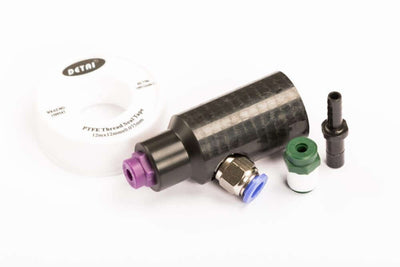
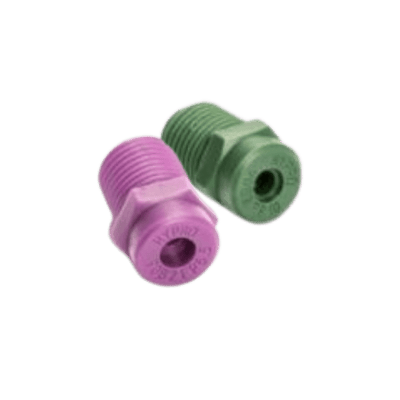
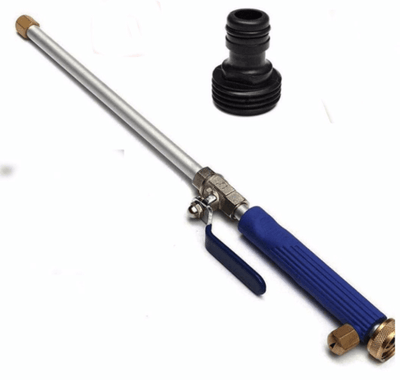
For suitable application systems, contractors can explore SoftWash UK’s range of soft washing equipment, including components designed for controlled chemical application.
6. Manage Dwell Time
Dwell time is the period where the chemical remains active on the surface. Too short and the result may be poor. Too long, especially in heat or on sensitive surfaces, and you may increase the risk of staining, streaking or damage. Do not allow chemical to dry on surfaces unless the product and method specifically allow it.
7. Rinse and Neutralise Where Appropriate
Rinsing requirements depend on the surface, site and product. Windows, metals, plants and high-contact areas often need thorough rinsing. Some treatments are designed for residual action, but that does not remove the need to protect sensitive materials and manage run-off responsibly.
8. Inspect and Record
After treatment, check for missed areas, run-off issues, plant stress or residue. On commercial sites, keeping records of chemicals used, concentrations, SDS, method and weather conditions can be valuable if a question arises later.
Sodium Hypochlorite Compared with Other Softwashing Chemicals
Sodium hypochlorite is highly effective against organic growth, but it is not the only chemical used by professionals. Understanding alternatives helps you choose the safest suitable method.
| Chemical Type | Best Used For | Key Safety Consideration |
|---|---|---|
| Sodium hypochlorite | Fast removal of algae, mould, lichen staining and biofilm. | Corrosive, reactive and hazardous to plants and aquatic life if misused. |
| DDAC biocide | Longer-term biocidal treatment and slower residual cleaning of organic growth. | Requires responsible application and compliance with product label and biocidal use guidance. |
| Surfactants | Improving cling, wetting and dwell time of compatible softwash solutions. | Must be chemically compatible with the active ingredient. |
| Specialist stain removers | Rust, oil, tannin, lead staining or mineral deposits. | Must be matched to the stain and surface; do not mix randomly with SH. |
For example, DDAC is a different type of biocidal active ingredient used in some softwashing contexts. It does not behave the same way as sodium hypochlorite, and the right choice depends on the surface, contamination and desired outcome.
Common Mistakes and Myths About Sodium Hypochlorite
Myth 1: “Stronger Always Cleans Better”
Stronger does not always mean better. Excessive strength can increase surface damage, plant burn, odour complaints, corrosion and cost. Professional cleaning is about the weakest effective approach, adequate dwell time and correct technique.
Myth 2: “If It Smells Strong, It Must Be Working”
A strong chlorine smell is not a quality indicator. It may mean poor handling, excessive concentration, bad ventilation or unnecessary exposure. Good practice controls odour and drift as much as practical.
Myth 3: “Any Detergent Can Be Added”
This is dangerous. Some cleaners are acidic or contain incompatible ingredients. Mixing the wrong product with sodium hypochlorite can release hazardous gas. Only use additives that are confirmed as compatible.
Myth 4: “Plants Will Be Fine If You Rinse Them Afterwards”
Rinsing afterwards helps, but prevention is better. Pre-wetting, controlled application, temporary covering, run-off management and final rinsing all work together. Delicate plants can be damaged quickly by overspray.
Myth 5: “Sodium Hypochlorite Is Suitable for Every Exterior Stain”
It is not. SH is excellent for many biological stains but poor for many rust, oil and mineral stains. Correct diagnosis saves time and reduces unnecessary chemical exposure.
UK Compliance and Professional Best Practice
UK contractors should think in terms of competence, COSHH, PPE, environmental protection, correct labelling, SDS availability and responsible disposal. If you employ staff, subcontract labour or work on commercial property, your safety systems need to be robust enough to stand up to scrutiny.
At minimum, professional users should have:
- Current safety data sheets for all chemicals carried and used.
- A COSHH assessment for sodium hypochlorite and any additives.
- A site-specific risk assessment and method statement where required.
- Suitable PPE and training in its use.
- Spill response materials and a plan for accidental release.
- Clear procedures for public protection and restricted access.
- Evidence of staff instruction, supervision and competence.
For contractors building a professional system, having accessible Softwash SDS Sheets and documented procedures helps ensure that site teams are not relying on memory or hearsay when handling chemicals.
Equipment Choices That Improve Safety
Good equipment does not replace competence, but it reduces risk when used correctly. Poor equipment causes leaks, inconsistent dosing, overspray and wasted chemical.
Look for Chemical Compatibility
Sodium hypochlorite can degrade unsuitable seals, hoses, pumps and fittings. Use equipment designed or confirmed for chlorine-based softwash solutions. Regularly inspect for swelling, cracking, leaking and brittle parts.
Control Application Pressure
The goal is controlled delivery, not misting chemical into the air. Low-pressure systems, appropriate nozzles and careful operator technique help keep chemical where it belongs.
Use Dosing Systems Carefully
Injectors and proportioners can improve consistency, but only when correctly installed, maintained and understood. Always check calibration, backflow prevention and compatibility.
SoftWash UK’s softwashing chemistry and equipment hub is a useful educational resource for understanding how chemical choice and equipment set-up work together in professional softwashing.
When Sodium Hypochlorite May Not Be the Right Choice
There are times when a responsible contractor should avoid sodium hypochlorite or use an alternative approach. This is where experience and judgement matter.
Consider alternatives when:
- The surface is known to be chemically sensitive.
- There is a high risk of run-off into ponds, streams or unprotected drainage.
- Wind conditions make drift unacceptable.
- The staining is not organic.
- The client cannot allow proper exclusion zones or dwell time.
- There is poor access for safe application and rinsing.
A professional softwashing contractor is not defined by using sodium hypochlorite on every job. Professionalism is knowing when to use it, when to reduce strength, when to change method and when to refuse unsafe conditions.
Building Competence Through Training
Sodium hypochlorite is not difficult to use, but it is easy to use badly. Training helps contractors understand chemical behaviour, surface assessment, dilution principles, safe application, equipment selection, compliance and client communication. It also helps serious DIY users understand why professional practice is more than copying a mixture from an online forum.
SoftWash UK offers a structured Soft Wash Training Course for those who want to improve competence and work to a more professional standard.
If this is an area you want to understand properly, you can start by accessing the free SoftWash UK course preview. It includes selected lessons from the full training course and is designed to help contractors see whether professional softwashing training is the right next step.
Frequently Asked Questions About Using Sodium Hypochlorite Safely
Is sodium hypochlorite safe for softwashing?
Yes, sodium hypochlorite can be safe for softwashing when used by competent people following product guidance, COSHH controls, suitable PPE, correct dilution, controlled application and environmental precautions. It becomes unsafe when mixed with incompatible chemicals, applied too strongly, allowed to drift or used without site assessment.
Can sodium hypochlorite damage plants?
Yes. Sodium hypochlorite can scorch leaves, damage roots and harm delicate planting if overspray or run-off is not controlled. Pre-wetting, shielding sensitive plants, careful application and thorough rinsing are important controls. On high-risk sites, consider whether an alternative method is more appropriate.
Can I mix sodium hypochlorite with other cleaning chemicals?
Only mix sodium hypochlorite with products that are confirmed as compatible and intended for that use. Never mix it with acids, ammonia, descalers, toilet cleaners, vinegar, unknown detergents or leftover chemicals. Incompatible mixing can release dangerous chlorine gas.
What PPE should I wear when using sodium hypochlorite?
PPE should be chosen from the SDS and risk assessment. Typical controls include chemical-resistant gloves, goggles or face protection, suitable protective clothing and waterproof footwear. Where there is a respiratory risk, appropriate respiratory protection may be required. Ordinary sunglasses and fabric gloves are not adequate.
Does sodium hypochlorite need rinsing off?
It depends on the surface, product, method and site conditions. Many hard surfaces, windows, metals, plants and public contact areas should be rinsed carefully. Some professional softwash treatments may involve controlled dwell or residual action, but that does not remove the need to prevent damage and manage run-off responsibly.
How should sodium hypochlorite be stored?
Store sodium hypochlorite in suitable labelled containers, upright, secure, away from sunlight, heat and incompatible chemicals. Do not decant into unlabelled bottles. Keep it away from acids and ammonia-based products. Follow the SDS and supplier instructions at all times.
Conclusion: Safe Sodium Hypochlorite Use Is About Control, Not Guesswork
Sodium hypochlorite is one of the most effective chemicals available to UK exterior cleaning professionals for treating organic growth, algae, mould and biological staining. Used correctly, it can produce excellent results while reducing unnecessary aggressive pressure washing. Used carelessly, it can damage surfaces, harm plants, create hazardous gas and expose contractors to avoidable risk.
The safest approach is simple in principle: assess the site, choose the right chemical, use compatible equipment, wear suitable PPE, control application, protect the environment, follow the SDS and document your method. Do not guess strengths, do not mix unknown products and do not treat chemical safety as an afterthought.
SoftWash UK supports contractors, facilities teams and serious DIY users with professional softwashing chemicals, equipment, training and educational resources. If you are using sodium hypochlorite as part of your exterior cleaning work, explore the SoftWash UK Knowledge Centre, review suitable products and consider formal training to build safe, confident and compliant working practices.
For professional supplies, guidance and ongoing education, visit SoftWash UK and continue building your knowledge before your next softwashing project.