How Professional Contractors Save Time on Site
Professional contractors save time on site by planning the job properly before arrival, using the right softwashing chemicals and equipment, setting up efficient workflows, reducing unnecessary access work, controlling dwell times, and training staff to follow a clear method. The biggest time savings rarely come from rushing. They come from better preparation, fewer mistakes, cleaner application methods, safer working practices and knowing which process suits each surface.
For UK exterior cleaning contractors, property maintenance teams, facilities managers and serious DIY users, time on site directly affects profit, quality, safety and customer satisfaction. A poorly planned one-day job can easily turn into two visits. A well-planned clean can reduce labour hours, avoid rework, protect surrounding areas and leave a more professional finish.
This guide explains practical ways professional exterior cleaners save time on site without cutting corners, compromising safety or delivering a lower standard of work.
Why Time on Site Matters in Exterior Cleaning
Time on site is not just about finishing earlier. It affects every part of an exterior cleaning business or property maintenance operation.
- Profitability: Labour, fuel, travel and equipment costs all increase when jobs overrun.
- Customer experience: A tidy, organised contractor creates confidence and reduces disruption.
- Safety: Rushed teams are more likely to make mistakes with access, chemical handling or public protection.
- Quality control: Efficient working allows time for inspection, rinsing, touch-ups and safe pack-down.
- Scheduling: Predictable job times help contractors price work accurately and manage diaries properly.
In softwashing and exterior cleaning, the fastest contractors are usually not the ones moving the quickest. They are the ones who remove wasted movement, avoid unnecessary pressure washing, use controlled chemical application and understand how organic growth responds to dwell time.
Start Saving Time Before You Arrive on Site
The most efficient site work begins before the van leaves the yard. Pre-site planning reduces surprises, improves safety and helps the team arrive with the right products, water supply strategy, access equipment and protection materials.
Carry Out a Proper Pre-Job Assessment
A professional contractor should confirm the following before the job starts:
- Surface type, such as render, roof tile, block paving, stone, cladding, tarmac, timber or concrete.
- Type of contamination, including algae, lichen, moss, black staining, oil, rust, lead staining or general soiling.
- Access requirements, including ladder work, towers, poles, MEWPs or scaffold.
- Water availability and drainage routes.
- Nearby plants, lawns, ponds, vehicles, painted surfaces, metals and sensitive materials.
- Public access, trip hazards and working around residents, staff or customers.
- Whether a softwash, pressure wash, pre-treatment, post-treatment or combination method is required.
Photos and videos from the client are useful, but they should not replace a proper survey where risk, access or chemical sensitivity is involved. On commercial sites, a site walk with the facilities manager can save hours later by clarifying parking, water points, work zones and permitted hours.
Use Job Sheets and Method Statements
Professional teams save time when everyone knows the sequence of work. A job sheet should include:
- Client details and site address.
- Scope of work and exclusions.
- Surface types and cleaning method.
- Chemicals, dilution approach and application equipment.
- Protection requirements.
- Risk controls and emergency procedures.
- Before-and-after photo checklist.
For contractors working on domestic, commercial or facilities management sites, documented safe systems of work are also important. The Risk Assessment and Method Statement Pack for Exterior Cleaning can help structure professional paperwork and reduce time spent creating documents from scratch.
Choose the Right Cleaning Method First Time
One of the biggest causes of wasted time is using the wrong method. Pressure washing, softwashing, steam cleaning, manual scraping and spot treatment all have their place. The skill is knowing which method gives the best result with the least unnecessary effort.
| Scenario | Time-Wasting Approach | More Efficient Professional Approach |
|---|---|---|
| Algae-covered render | High pressure washing, risking damage and water ingress. | Controlled softwash application with suitable dwell time and low-pressure rinse where required. |
| Mossy roof tiles | Pressure washing the roof without considering mess, runoff or tile condition. | Manual moss removal where appropriate, followed by biocide treatment to control regrowth. |
| Block paving with weeds and algae | Repeated pressure washing without pre-treatment. | Pre-treat organic growth, pressure clean efficiently, then consider post-treatment if suitable. |
| Oil staining on driveway | Using general detergent and excessive pressure. | Use a specialist oil stain remover, agitation and correct dwell time before rinsing. |
| Large commercial cladding area | Small sprayers, poor reach and constant refilling. | Use proportionate softwashing equipment with planned zones and controlled application. |
Softwashing is often faster on surfaces affected by organic growth because the chemistry does much of the work. Instead of relying only on mechanical force, professional contractors use the correct product, concentration, contact time and rinse strategy.
SoftWash UK supplies a range of professional soft wash chemicals for different exterior cleaning applications. Choosing the right chemical for the specific contamination can reduce repeat visits and unnecessary labour.
Set Up the Van and Equipment for Speed
A disorganised van wastes time every day. Contractors lose minutes looking for nozzles, hoses, PPE, test patches, signs, sprayers and fittings. Across a week, that becomes hours of unpaid labour.
Build a Repeatable Van Layout
Professional teams usually benefit from a fixed loading system. Each item should have a home, and every team member should know where it lives.
- Keep PPE in a clean, dry and accessible area.
- Store chemicals upright, labelled and secured for transport.
- Separate clean items from contaminated hoses, boots or used PPE.
- Keep spare seals, nozzles, connectors and repair parts in labelled boxes.
- Use hose reels or tidy hose storage to reduce tangles.
- Carry printed emergency procedures and relevant SDS information.
Time-saving is not only about buying more kit. It is about making the equipment you already own easier to use, inspect, maintain and pack away.
Use Equipment That Matches the Job Size
Using undersized equipment on a large site is one of the most common reasons exterior cleaning jobs overrun. A small pump-up sprayer might be fine for minor spot treatment, but it is inefficient for large render elevations, roofs, industrial units or estate maintenance work.
For contractors carrying out regular softwashing, investing in suitable soft washing equipment can improve application speed, reduce fatigue and support a more consistent finish. Equipment should be selected around the type of work you actually do, not simply the cheapest option available.
Consider Proportioning and Injection Systems
Mixing, measuring and refilling can consume a surprising amount of time on site. Proportioning systems and injectors can help trained contractors apply product more efficiently and consistently, especially on larger jobs where repeated batch mixing slows the team down.
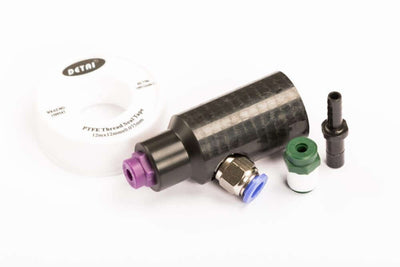
For example, a system such as the Clever Injector may be useful where controlled chemical delivery and faster workflow are priorities. As with any chemical application system, operators must understand calibration, product compatibility, safe handling and correct shutdown procedures.
Improve Site Workflow with a Clear Sequence
Efficient contractors follow a logical order instead of reacting to problems as they appear. A simple workflow keeps the team coordinated and reduces missed areas.
Step-by-Step Time-Saving Site Process
- Arrival and client confirmation: Confirm scope, access, water supply, working areas and any changes since the survey.
- Risk assessment review: Check weather, wind direction, public access, electrical points, fragile surfaces and chemical-sensitive areas.
- Set up exclusion zones: Use cones, signs, barriers or tape where needed to manage pedestrians, vehicles and staff.
- Protect sensitive areas: Pre-wet plants, move furniture, protect metals, isolate ponds and cover vulnerable items where appropriate.
- Prepare equipment: Lay hoses once, avoid crossing walkways where possible and position the system to minimise dragging.
- Work in sections: Apply, dwell, agitate or rinse by planned zones rather than jumping around the site.
- Use dwell time productively: While chemistry is working, prepare the next area, monitor runoff, check protection or complete photos.
- Inspect before packing down: Look for missed edges, streaking, overspray, blocked drains, residue or areas needing a second pass.
- Clean down and document: Rinse equipment safely, remove waste responsibly, take completion photos and confirm handover.
This may look slower on paper, but it is faster in practice. The alternative is stopping repeatedly to find kit, move hoses, protect areas late or return to missed sections.
Use Dwell Time Properly
Dwell time is one of the most misunderstood time-saving tools in softwashing. It is the period a cleaning solution remains in contact with the contamination so it can work effectively.
Many less experienced cleaners either rinse too quickly or over-apply product in the hope of speeding things up. Neither approach is professional. The correct dwell time depends on the surface, contamination level, temperature, humidity, wind, product used and desired result.
Practical Dwell Time Tips
- Apply evenly so the surface remains consistently wetted during the working period.
- Avoid application in strong wind where overspray and drying become difficult to control.
- Do not let products dry on sensitive surfaces unless the method specifically allows it.
- Use appropriate surfactants where suitable to improve cling and coverage.
- Monitor reaction rather than relying only on the clock.
- Plan another task while treatment is working, such as setting up the next elevation.
A surfactant such as Clever Wash Surfactant can be useful in softwashing because it helps the solution wet and cling to surfaces more effectively. This can improve coverage and reduce wasted product, particularly on vertical or textured surfaces when used correctly.
Train Staff to Work the Same Way
One trained operator can often complete more useful work than two untrained assistants. Poorly trained staff waste time by mixing incorrectly, dragging hoses through planted areas, missing edges, using the wrong nozzle, damaging surfaces or failing to spot safety hazards.
Training creates consistency. It helps teams understand why each step matters rather than simply copying instructions. For softwashing, that includes chemical awareness, surface suitability, PPE, plant protection, runoff control, COSHH principles, application technique and emergency response.
Contractors who want structured learning can explore the SoftWash UK Training Course, which is designed to support professional standards, safer working methods and more confident decision-making on site.
Save Time with Better Quoting and Scope Control
Many site delays are caused by poor quoting rather than poor cleaning. If the quote does not define the scope clearly, the contractor may arrive to find extra areas, heavier contamination, limited access or unrealistic expectations.
What a Time-Saving Quote Should Include
- The exact areas to be cleaned.
- The cleaning method proposed.
- What level of improvement is realistic.
- Any stains that may not fully remove in one visit.
- Access assumptions.
- Client responsibilities, such as clearing vehicles or furniture.
- Water supply requirements.
- Weather limitations.
- Exclusions, such as internal leaks, defective surfaces or pre-existing damage.
Clear quoting prevents awkward conversations on site. It also helps the team avoid unpaid extras that disrupt the schedule and reduce profit.
Common Mistakes That Waste Time on Site
Professional contractors often become faster by eliminating repeated mistakes. The following issues are common in exterior cleaning and softwashing work.
Turning Up Without Enough Information
Arriving without proper photos, measurements, access details or contamination assessment leads to delays. The team may bring the wrong nozzles, too little chemical, insufficient hose length or unsuitable access equipment.
Using Pressure as the Default Solution
High pressure has its place, but it is not always the quickest or safest method. On render, roofs, delicate stone, painted surfaces and some cladding, inappropriate pressure can cause damage and create more work.
Ignoring Weather Conditions
Wind, heavy rain, frost, intense sun and high temperatures can all affect cleaning performance and safety. Trying to force a chemical application in poor conditions often wastes time and increases risk.
Not Protecting Sensitive Areas Early
Plant protection, metal awareness, runoff control and overspray management should happen before application begins. Stopping mid-job to deal with avoidable exposure is inefficient and unprofessional.
Poor Hose Management
Hoses across doorways, public routes, flowerbeds and car parks slow the team down and create hazards. Good hose positioning saves time and reduces risk.
Skipping the Final Inspection
Leaving site without checking edges, corners, shaded areas, windowsills, drains and runoff routes can result in callbacks. A ten-minute inspection is much faster than a return visit.
Safety and Compliance Should Save Time, Not Slow You Down
Some contractors mistakenly see safety paperwork as an obstacle. In practice, good safety systems save time because they reduce confusion and prevent incidents.
Exterior cleaning often involves chemicals, working at height, slippery surfaces, public access, water management, manual handling and electrical hazards. A clear risk assessment and method statement helps the team identify controls before work begins.
Key Safety Practices That Improve Efficiency
- Wear suitable PPE for the task and product being used.
- Keep Safety Data Sheets accessible and understood by the team.
- Use labelled containers and never decant into unmarked bottles.
- Follow COSHH requirements and manufacturer instructions.
- Control public access with signs and barriers.
- Check ladders, poles, pumps, hoses and fittings before use.
- Plan emergency wash-off and spill response procedures.
- Do not mix chemicals unless you are trained and it is safe to do so.
The most professional contractors are not the ones who ignore safety to move faster. They are the ones who build safety into the workflow so the job runs smoothly from start to finish.
Time-Saving Tools and Practices Compared
| Time-Saving Measure | Best For | Why It Helps | Important Caution |
|---|---|---|---|
| Pre-job survey | Domestic and commercial work | Reduces surprises and improves pricing accuracy. | Photos alone may not show access, drainage or fragile surfaces. |
| RAMS and job sheets | Commercial sites and larger teams | Gives the team a clear method and safety controls. | Documents must reflect the real site, not generic assumptions. |
| Softwashing equipment | Render, roofs, cladding and large areas | Improves application speed and consistency. | Operators need chemical handling knowledge and PPE. |
| Surfactants | Vertical, textured or porous surfaces | Improves wetting, cling and coverage. | Must be compatible with the cleaning method and surface. |
| Staff training | Growing exterior cleaning businesses | Reduces errors, rework and unsafe practices. | Training should be refreshed and reinforced on site. |
Use the Knowledge Base and Ongoing Learning
Exterior cleaning methods, chemical guidance, equipment options and compliance expectations continue to develop. Contractors who invest time in learning often save far more time on site because they make better decisions under pressure.
The SoftWash UK Knowledge Hub provides educational resources for contractors who want to understand softwashing methods, product selection, surface considerations and professional best practice in more depth.
If you want to see how professional softwashing training is structured before committing to the full programme, you can try selected lessons from the SoftWash UK course for free. It is a useful way to preview the training and understand the standards, safety thinking and practical approach behind professional softwashing.
Practical Example: Saving Time on a Render Cleaning Job
Consider a contractor asked to clean algae-stained rendered elevations on a domestic property. An inefficient approach might involve turning up with a pressure washer, testing pressure on the wall, realising it is too aggressive, switching equipment, moving ladders repeatedly and then returning later for missed staining.
A professional time-saving approach would look different:
- Assess render condition, staining, access, nearby plants, metals and water supply before quoting.
- Explain the softwashing process and realistic outcome to the customer.
- Arrive with suitable PPE, signage, hose length, application equipment and product.
- Protect sensitive areas and pre-wet plants where required.
- Apply softwash solution evenly from a planned start point.
- Manage dwell time while preparing the next elevation.
- Rinse or leave as appropriate to the method, surface and product guidance.
- Inspect reveals, sills, corners and shaded areas before pack-down.
- Provide aftercare advice and completion photos.
This method is often faster because it avoids guesswork. The contractor controls the process rather than reacting to problems.
Myths About Saving Time on Site
Myth 1: Working Faster Means Rushing
Professional speed comes from preparation, systems and experience. Rushing increases mistakes, damage and callbacks.
Myth 2: Stronger Chemical Always Saves Time
Using stronger solutions than necessary can increase risk, waste product and damage sensitive materials. Correct product selection, dilution, coverage and dwell time are more important than simply increasing strength.
Myth 3: More Pressure Means a Better Clean
Excessive pressure can scar surfaces, force water behind render, damage pointing and spread debris. In many situations, controlled softwashing is more efficient and less invasive.
Myth 4: Safety Paperwork Is Only for Big Commercial Jobs
Domestic jobs also involve risk. Chemicals, ladders, slippery surfaces, pets, children, drains and plants all require proper controls. Simple, relevant paperwork supports professionalism and helps prevent delays.
FAQ: Saving Time on Exterior Cleaning Sites
How do professional softwashing contractors save the most time?
They save the most time through pre-job assessment, correct product selection, suitable equipment, planned workflow and trained staff. The aim is to reduce wasted movement, avoid rework and let the cleaning process work properly rather than forcing results with excessive pressure.
Is softwashing quicker than pressure washing?
Softwashing can be quicker on surfaces affected by algae, lichen and other organic growth, especially render, roofs and cladding. However, it depends on the surface and contamination. Some jobs need pressure washing, some need softwashing, and many benefit from a combined approach.
What equipment helps contractors work faster on site?
Useful time-saving equipment can include suitable softwash pumps, proportioning systems, hose reels, water-fed pole nozzles, quality PPE, clear storage, spare connectors and appropriate application tools. The equipment should match the scale and type of work being carried out.
Can training really reduce job time?
Yes. Training helps contractors understand surfaces, chemicals, dwell time, safety controls and efficient workflows. Trained staff are less likely to make mistakes that cause delays, damage or callbacks.
How can facilities managers reduce contractor time on site?
Facilities managers can help by providing accurate site information, arranging access, identifying water points, clearing vehicles, informing occupants, confirming working hours and sharing known hazards. Good communication before the contractor arrives can reduce disruption significantly.
What is the biggest time-wasting mistake in exterior cleaning?
The biggest mistake is arriving without a clear method. Without proper survey information, equipment planning, chemical selection and scope control, contractors lose time solving problems that should have been handled before site arrival.
Conclusion: Professional Time Saving Is About Better Systems
Professional contractors save time on site by working smarter, not by cutting corners. The most efficient exterior cleaning teams plan properly, choose the right method, use suitable equipment, understand chemical behaviour, protect sensitive areas early and follow a repeatable workflow.
For UK softwashing and exterior cleaning contractors, these improvements can reduce labour hours, improve margins, increase safety and create a better customer experience. For property maintenance professionals and facilities managers, understanding these principles helps you appoint contractors who work safely, efficiently and professionally.
SoftWash UK supports the exterior cleaning industry with professional softwashing chemicals, equipment, training and educational resources. If you want to improve your site efficiency, reduce costly mistakes and build a more professional approach, visit SoftWash UK to explore practical products, equipment and training designed for responsible exterior cleaning.