Softwashing vs Pressure Washing Roof Tiles: Which Method Is Best?
For most UK roof tile cleaning projects, softwashing is usually the safer and more appropriate method than pressure washing. Roof tiles are not paving slabs. Concrete, clay, slate and coated roof tiles can be damaged by excessive pressure, and high-pressure water can be driven under laps, into roof spaces, behind flashings and across delicate roof details. Softwashing uses controlled low-pressure application of a suitable cleaning solution to treat moss, algae, lichen and organic staining at the source, with far less mechanical force on the roof surface.
That does not mean pressure washing has no place at all. In experienced hands, controlled rinsing or carefully selected mechanical removal can form part of a roof cleaning process. However, using a pressure washer aggressively on roof tiles is one of the most common causes of avoidable damage, customer complaints and premature surface wear. For contractors, facilities managers and serious DIY users, the main decision is not simply “softwash or pressure wash?” but “what is the safest method for this roof surface, contamination type, access arrangement and long-term result?”
This guide explains the practical differences between softwashing and pressure washing roof tiles, when each method may be suitable, common mistakes to avoid, and how to approach roof cleaning professionally and responsibly in the UK.
Softwashing vs Pressure Washing Roof Tiles: Quick Comparison
| Factor | Softwashing Roof Tiles | Pressure Washing Roof Tiles |
|---|---|---|
| Cleaning action | Chemical treatment targets organic growth such as algae, moss, lichen and biofilm | Mechanical force removes visible dirt and growth from the surface |
| Pressure level | Low pressure, typically applied using dedicated softwash equipment | High pressure unless deliberately reduced and controlled |
| Risk to roof tiles | Lower when correctly specified, applied and rinsed where required | Higher risk of surface erosion, broken tiles, water ingress and disturbed pointing |
| Best suited to | Organic staining, algae, moss residue, lichen and long-term biological control | Very limited use, such as controlled rinsing or specific hard surfaces where pressure is appropriate |
| Longevity | Often longer-lasting because growth is treated rather than just blasted off | Can look clean immediately but may regrow faster if spores and biofilm remain |
| Skill requirement | Requires chemical knowledge, dilution control, PPE, COSHH awareness and runoff management | Requires surface knowledge, pressure control, access planning and water ingress awareness |
What Is Softwashing on Roof Tiles?
Softwashing is a low-pressure exterior cleaning method that uses carefully selected cleaning solutions to break down and treat organic contamination. On roof tiles, it is commonly used to deal with algae, moss staining, lichen, fungi and biological soiling that develops on shaded, damp or north-facing roof elevations.
If you are new to the method, SoftWash UK’s Knowledge Centre guide to softwashing explains the core principles in more detail. In simple terms, softwashing relies on chemistry and dwell time rather than brute force.
On a typical roof clean, the process may involve manual moss removal first, followed by a controlled softwash or biocide treatment. The exact approach depends on the roof type, level of contamination, weather conditions, customer expectations and site risks.
Common roof contaminants treated by softwashing
- Moss: Thick moss growth often needs careful manual removal before treatment.
- Algae: Green, black or dark biological staining commonly found on shaded tiles.
- Lichen: Often appears as white, yellow, grey or crusty patches bonded to tiles.
- Biofilm: The slippery organic layer that helps contamination return if left untreated.
- Airborne grime: Pollution and organic dirt bonded into the surface texture.
Professional roof softwashing is not simply “spray and hope”. It requires correct product selection, dilution, application control, runoff planning and safe working procedures. SoftWash UK supplies professional soft wash chemicals for contractors who understand the importance of using the right product for the surface and contamination being treated.
What Is Pressure Washing on Roof Tiles?
Pressure washing uses water under high pressure to remove dirt and surface contamination. On hard surfaces such as certain concrete areas, block paving and some commercial surfaces, pressure washing can be highly effective when used correctly. Roof tiles are different.
Roof tiles overlap, rely on correct water shedding, and may have weathered surfaces, fragile edges, degraded coatings, old mortar or vulnerable fixings. High-pressure water can be forced where rainfall would not normally go. This is why pressure washing roof tiles must be approached with caution.
For a wider comparison of the two methods, SoftWash UK’s guide to softwashing vs pressure washing explains how chemical cleaning and mechanical cleaning differ across exterior surfaces.
Typical risks of pressure washing roof tiles
- Stripping the weathered surface from concrete tiles.
- Breaking corners, edges or nibs on older tiles.
- Driving water under tile laps and into the roof space.
- Disturbing ridge mortar, verge details, flashings and leadwork.
- Increasing water absorption by roughening the surface.
- Creating heavy overspray onto neighbouring properties, windows and vehicles.
- Leaving spores behind, leading to faster regrowth.
Many contractors have been called to inspect roofs after poor pressure washing, where the roof looked clean for a few weeks but had lost surface integrity or allowed damp into the loft space. The damage is not always visible from ground level, which makes method selection especially important.
Is Softwashing Better Than Pressure Washing for Roof Tiles?
In most cases, yes, softwashing is better than pressure washing for roof tiles because it treats the biological cause of staining with far less surface force. Pressure washing may give an immediate visual result, but it can damage the tile surface and may not control regrowth as effectively.
That said, softwashing must still be carried out properly. Incorrect chemical strength, poor application, inadequate plant protection, lack of PPE or uncontrolled runoff can create its own problems. The best professional approach is methodical, risk-assessed and surface-specific.
SoftWash UK explores this topic more broadly in its Knowledge Centre article: Is Softwashing Better Than Pressure Washing.
When Pressure Washing Roof Tiles Can Cause Problems
1. Old concrete roof tiles
Older concrete tiles often have a weathered top layer. Aggressive pressure washing can remove this surface, exposing a more porous layer beneath. The roof may look brighter immediately after cleaning, but the tile can become rougher, more absorbent and more likely to support future organic growth.
2. Clay tiles and handmade tiles
Clay tiles vary significantly in strength and profile. Some older clay tiles are brittle, particularly around edges and fixing points. High pressure can chip the tile, disturb laps and remove the natural patina that the customer may actually want to preserve.
3. Slate roofs
Slate roofs need specialist care. Slates can crack, delaminate or slip if walked on incorrectly. Pressure washing can push water under slates and disturb delicate roof details. In many cases, access method and manual removal strategy are more important than any cleaning chemical or machine.
4. Roofs with failing mortar or vulnerable details
Ridge tiles, hips, verges, chimneys, valleys and lead flashings should always be inspected before cleaning. Pressure washing can expose existing defects or make weak details worse. This is particularly relevant for facilities managers responsible for older commercial buildings, schools, care homes and managed residential blocks.
Where Softwashing Roof Tiles Works Best
Softwashing is particularly useful where the main issue is organic growth rather than heavy mineral deposits. In practice, this includes many UK domestic and commercial roofs affected by moss, algae and lichen due to damp weather, shade, trees, poor airflow and north-facing elevations.
Softwashing is commonly used on:
- Concrete interlocking roof tiles.
- Clay roof tiles, subject to compatibility checks.
- Some natural slate roofs where access and surface suitability allow.
- Commercial pitched roofs with biological staining.
- Domestic roofs where long-term moss and algae control is the priority.
A dedicated roof treatment such as Clean Guard Pro roof moss killer and cleaner may be appropriate where the objective is ongoing control of moss and organic growth. Product choice should always be based on the surface, site conditions, label instructions and the contractor’s competence.
Softwashing Chemicals for Roof Tiles: What Contractors Need to Understand
Softwashing chemicals are not all the same. Some are designed for rapid cleaning, some for residual biocidal treatment, and some for specific staining problems. Contractors must understand what they are applying, why they are applying it, how it behaves on the surface and how it should be handled safely.
SoftWash UK’s Knowledge Centre page on softwashing chemicals is a useful starting point for understanding the main product types and their roles.
Key chemical considerations on roofs
- Surface compatibility: Not every product is suitable for every tile type or coating.
- Dilution control: Stronger is not automatically better. Over-application can create unnecessary risk.
- Dwell time: Products need time to work, but should not be allowed to cause unintended damage.
- Runoff management: Gutters, downpipes, water butts, ponds, lawns and planted borders must be considered.
- Weather: Wind, rain, heat and strong sunlight can all affect safety and performance.
- PPE and COSHH: Contractors should use the correct personal protective equipment and follow safety data sheets.
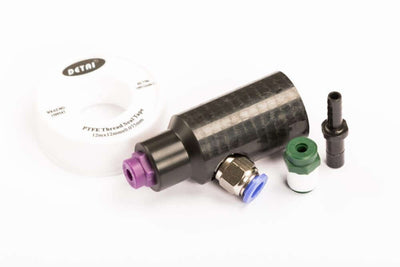
For contractors building a professional system, SoftWash UK also supplies soft washing equipment designed for controlled application, including equipment options more suitable for low-pressure delivery than a standard pressure washer setup.
A Practical Step-by-Step Approach to Cleaning Roof Tiles
Every roof is different, but the following workflow reflects a sensible professional approach for contractors and property maintenance teams.
Step 1: Survey the roof from the ground first
Start with a visual inspection from ground level using binoculars, a camera or drone where appropriate. Look for cracked tiles, slipped tiles, damaged ridges, blocked gutters, fragile rooflights, solar panels, leadwork, conservatories, extensions and access restrictions.
Do not assume a roof is safe because it “looks fine”. Many roof cleaning problems begin with poor survey work.
Step 2: Identify tile type and condition
Concrete, clay and slate roofs behave differently. A 1970s concrete tile with heavy moss is not the same as a handmade clay tile on a period property. Identify whether the tiles are coated, weathered, brittle, delaminating or previously treated.
Step 3: Choose the cleaning method
Decide whether the roof needs manual moss removal, softwash treatment, biocide treatment, a controlled low-pressure rinse, or a combination. Avoid defaulting to pressure washing just because it gives an immediate visual clean.
Step 4: Plan access and fall protection
Roof cleaning is work at height. Contractors must consider the Work at Height Regulations, safe access, edge protection, scaffold, MEWPs, roof ladders, anchor points and rescue planning. Serious DIY users should be especially cautious here; falls from roofs are often life-changing or fatal.
Step 5: Prepare the site
- Notify occupants and neighbours if overspray or access may affect them.
- Disconnect or divert water butts where necessary.
- Protect sensitive plants, lawns and ponds.
- Check gutter capacity and downpipe routes.
- Move vehicles and cover vulnerable surfaces where appropriate.
- Set up exclusion zones below the work area.
Step 6: Remove heavy moss carefully
Heavy moss should usually be removed manually using tools appropriate for the tile profile. The goal is to remove bulk growth without gouging, scraping or dislodging tiles. Aggressive scraping can be almost as damaging as pressure washing.
Step 7: Apply the treatment under control
Apply the chosen softwash or biocide treatment at the correct dilution, using controlled low-pressure equipment. Work methodically. Avoid spraying in wind. Maintain communication with a ground operative where required, especially on larger or more complex sites.
Step 8: Manage dwell time and runoff
Dwell time is where much of the cleaning action happens. Monitor the surface and surrounding areas. Keep plants protected and rinsed as required. Ensure runoff is managed responsibly and in line with product instructions and site requirements.
Step 9: Rinse only where appropriate
Some treatments are designed to be left to weather naturally, while others may require rinsing. Follow the product guidance. If rinsing is required, use low pressure and sensible water volume rather than aggressive pressure.
Step 10: Final inspection and customer handover
Explain what has been achieved, what will continue to improve through weathering, and whether any follow-up inspection is recommended. With roof softwashing, the final result may develop over days, weeks or months depending on the treatment, contamination and weather.
How Long Does Roof Softwashing Last?
The lifespan of roof softwashing depends on the product used, tile condition, surrounding trees, shade, pitch, local climate and the level of contamination before treatment. In many cases, a professional softwash or biocidal treatment can give a longer-lasting result than pressure washing because it targets biological growth rather than simply removing what is visible.
For a more detailed explanation, see SoftWash UK’s guide: how long does softwashing last.
As a practical rule, roofs under trees, near woodland, in damp valleys or on shaded north-facing elevations will normally need more ongoing maintenance than open, sunny roofs with good airflow.
Safety and Compliance Notes for UK Roof Cleaning
Roof cleaning combines several risk areas: work at height, manual handling, chemical handling, public protection, water management and sometimes traffic or pedestrian control. A professional contractor should never treat a roof clean as a quick wash-down job.
Key best-practice requirements
- Carry out a site-specific risk assessment before work begins.
- Prepare a clear method statement for access, cleaning, chemical handling and emergency procedures.
- Follow COSHH requirements and product safety data sheets.
- Use suitable PPE, including eye, hand, skin and respiratory protection where required.
- Comply with the Work at Height Regulations.
- Protect customers, staff, neighbours, pets and the public from overspray and falling debris.
- Manage runoff responsibly, especially around drains, watercourses, ponds and planted areas.
- Do not work in unsuitable weather conditions.
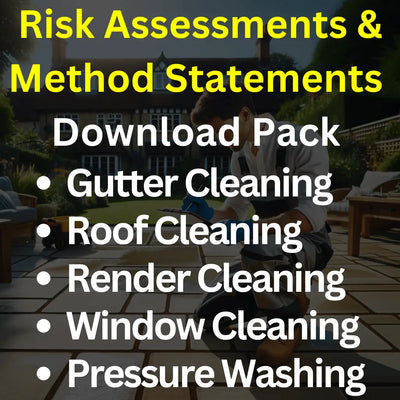
For contractors who want a more structured approach to documentation, the Risk Assessment and Method Statement RAMS Pack for Exterior Cleaning can help support better planning and more professional site procedures.
Common Mistakes and Myths About Roof Tile Cleaning
Myth 1: “Pressure washing is always faster, so it is better”
Pressure washing can appear faster on the day, but speed is not the same as a good result. If tiles are damaged, water enters the roof space, or moss regrows quickly, the job has not been successful. A professional result is measured by safety, surface preservation and long-term performance.
Myth 2: “Softwashing means no preparation is needed”
Softwashing still requires proper preparation. Heavy moss often needs manual removal, gutters may need clearing, plants need protecting and access must be planned. Spraying over thick moss without preparation usually gives poor coverage and inconsistent results.
Myth 3: “If a chemical is stronger, it will clean better”
Over-strength chemical use is poor practice. It increases risk without necessarily improving the result. Correct dilution, even coverage, suitable dwell time and surface knowledge are more important than simply making a solution stronger.
Myth 4: “All roof tiles can be cleaned the same way”
Tile type, age, porosity, coating, pitch and roof construction matter. A method that works on a modern concrete interlocking tile may be unsuitable for a delicate clay tile or a fragile slate roof.
Myth 5: “A clean roof should look perfect immediately”
Some softwash and biocide treatments continue working after application. Dead organic matter may weather away gradually. Contractors should set customer expectations clearly before quoting and again during handover.
Softwashing vs Pressure Washing: Which Should Contractors Offer?
For professional exterior cleaning contractors, the strongest service offering is not “pressure washing roofs” but “survey-led roof cleaning and treatment”. That means choosing the method based on the roof rather than forcing every roof into the same process.
A well-positioned roof cleaning service may include:
- Roof condition survey and photographic report.
- Manual moss removal where appropriate.
- Low-pressure softwash or biocide treatment.
- Gutter clearance after moss removal.
- Plant, property and public protection measures.
- Clear aftercare information for the customer or facilities manager.
Contractors who invest in proper training are generally better placed to price jobs correctly, explain the process, reduce risk and avoid damaging surfaces. SoftWash UK offers a structured Soft Wash Training Course for those who want to build a professional foundation in softwashing methods, safety and application.
If you want to see how professional softwashing training is structured before committing to the full programme, you can try selected lessons from the SoftWash UK course for free. It is a useful way to preview the training and understand the standards, safety thinking and practical approach behind professional softwashing.
FAQ: Softwashing vs Pressure Washing Roof Tiles
Can you pressure wash roof tiles in the UK?
You can pressure wash some roof tiles, but it is often not recommended and must be done with extreme care. High pressure can damage tile surfaces, force water under laps and disturb roof details. Many professional contractors prefer manual moss removal followed by softwashing or biocidal treatment because it is usually safer for the roof and provides better biological control.
Is softwashing safe for all roof tiles?
No cleaning method is automatically safe for all roof tiles. Softwashing is generally lower impact than pressure washing, but the roof still needs to be surveyed. Tile type, age, coating, porosity, defects and surrounding site risks all affect whether softwashing is suitable and which product should be used.
Will softwashing remove moss from roof tiles immediately?
Heavy moss is usually removed manually before treatment. Softwashing can then treat remaining organic matter, staining and spores. Some visual improvement may happen quickly, but certain treatments continue working over time, with dead growth weathering away gradually.
Does softwashing damage roof tiles?
Correctly specified and professionally applied softwashing should be far less likely to damage roof tiles than aggressive pressure washing. However, poor chemical choice, excessive strength, lack of rinsing where required, or failure to control runoff can cause problems. Competence and correct procedure are essential.
How often should a roof be softwashed?
There is no single answer. A shaded roof under trees may need periodic treatment more often than a sunny, open roof. Many roofs benefit from inspection every couple of years, with maintenance based on visible regrowth, blocked gutters and site conditions.
Should DIY users softwash their own roof?
Serious DIY users should think carefully before attempting roof cleaning. The main danger is usually work at height, not the cleaning product. If safe access, fall protection, chemical handling and runoff control cannot be managed properly, the work should be left to a competent professional.
Conclusion: Choose the Method That Protects the Roof, Not Just the One That Looks Fast
When comparing softwashing vs pressure washing roof tiles, softwashing is usually the better professional choice for treating moss, algae, lichen and biological staining on UK roofs. It uses low-pressure application and appropriate chemistry to target the cause of contamination while reducing the risk of surface damage and water ingress.
Pressure washing can deliver an immediate visual change, but on roof tiles it carries significant risks if used aggressively or without proper understanding of roof construction. The most reliable approach is a survey-led method: inspect the roof, identify the tile type, assess the contamination, plan safe access, protect the site, remove heavy moss carefully and apply the correct treatment under control.
SoftWash UK supports contractors, property maintenance professionals and facilities teams with specialist chemicals, equipment, training and educational resources for safer, more responsible exterior cleaning. If you are building or improving a roof cleaning service, explore SoftWash UK for professional products, practical guidance and training designed around real-world softwashing work in the UK.