How Often Should a Roof Be Cleaned?
A roof should usually be inspected at least once a year and professionally cleaned when moss, algae, lichen, debris or staining begins to affect drainage, appearance or the condition of the roof covering. For many UK properties, a full roof clean is typically needed every 3 to 5 years, although shaded, damp or tree-covered roofs may need attention every 1 to 3 years. Cleaner, more exposed roofs may go longer between treatments if they are maintained properly.
The right cleaning frequency depends on the roof material, surrounding environment, level of biological growth, drainage condition, property type and the cleaning method used. A commercial building in a damp, shaded location will not follow the same maintenance cycle as a south-facing domestic roof with good airflow. For exterior cleaning contractors, property maintenance professionals and facilities managers, the key is not to clean roofs on a fixed calendar alone, but to build a planned inspection and maintenance schedule based on risk, condition and site-specific factors.
This guide explains how often roofs should be cleaned in real-world UK conditions, what affects cleaning intervals, when softwashing is appropriate, when roof access becomes unsafe, and how to build a sensible maintenance plan without over-cleaning or damaging the roof.
Quick Answer: Typical Roof Cleaning Frequency In The UK
| Roof Condition Or Location | Typical Cleaning Frequency | Recommended Action |
|---|---|---|
| Open, sunny roof with low moss growth | Every 4 to 6 years | Annual inspection, clear gutters, clean only when required |
| Average UK residential roof | Every 3 to 5 years | Inspect annually and clean when moss, algae or debris builds up |
| Shaded roof near trees | Every 1 to 3 years | More frequent moss removal, gutter maintenance and biocide treatment |
| Commercial or managed property | Condition-based, usually every 2 to 4 years | Use a planned maintenance schedule with documented inspections |
| Roof with blocked gutters, heavy moss or water tracking | Immediate assessment required | Do not wait for the next scheduled clean; investigate drainage and roof condition |
In practice, roof cleaning is less about chasing a perfect appearance and more about preventing avoidable problems. Moss can obstruct gutters, hold moisture against tiles, slide into valley channels, block outlets and increase loading in vulnerable areas. Organic growth can also affect solar panel output, rainwater systems and the general impression of a property.
Why Roof Cleaning Frequency Varies So Much
Two roofs on the same street can need cleaning at completely different intervals. In exterior cleaning work, we often see one elevation covered in moss while the opposite elevation remains almost clean. This is usually due to sunlight, airflow and moisture retention.
1. Shade And Moisture
Moss, algae and lichen thrive where surfaces stay damp. North-facing roofs, roofs under tree cover and properties in valleys or coastal areas often need more regular attention. A roof that dries quickly after rain will usually stay cleaner for longer.
2. Trees And Organic Debris
Overhanging trees drop leaves, needles, sap, seeds and twigs. These collect in gutters, roof valleys and behind chimneys. Even if the roof tiles themselves look acceptable, drainage problems can develop quickly when debris is allowed to accumulate.
3. Roof Pitch And Tile Profile
Steeper roofs usually shed water and debris more effectively. Low-pitched roofs, interlocking concrete tiles, profiled clay tiles and complex roof lines with valleys and dormers can trap growth and debris more easily.
4. Roof Material
Concrete tiles, clay tiles, slate, asbestos cement sheets, metal roofing and coated systems all require different cleaning approaches. Some materials tolerate careful scraping and controlled softwashing well; others require specialist assessment before any cleaning takes place.
5. Local Climate And Air Quality
The UK climate supports biological growth because surfaces often remain damp for long periods. Rural properties may suffer from moss and lichen, while urban buildings may experience atmospheric soiling, algae, carbon staining and gutter contamination.
Cleaning Frequency By Property Type
Domestic Homes
Most domestic roofs benefit from an annual visual inspection and a deeper clean every 3 to 5 years if moss and algae are present. Serious DIY users should be cautious here: roof work is not the same as patio cleaning. Access, fall protection, brittle materials, chemical handling and runoff control all need proper consideration.
Homeowners often wait until moss starts falling into gutters or onto patios before acting. By that point, gutters may already be partially blocked and water may be tracking where it should not. A better approach is to check the roof and drainage each year, especially after autumn leaf fall and winter storms.
Rental Properties And Housing Stock
Landlords, housing associations and block managers should think in terms of planned preventative maintenance. A roof cleaning cycle every 3 to 5 years may be suitable for many properties, but high-risk buildings should be inspected more often. Keeping records of roof condition, gutter cleaning and treatment dates helps with budgeting and reduces reactive call-outs.
Commercial Buildings
Commercial roofs need a more formal approach because blocked outlets, water ingress and slip hazards around access routes can have wider operational consequences. Facilities managers should build roof cleaning into a wider exterior maintenance programme that includes gutters, downpipes, flat roof outlets, skylights, cladding and drainage.
For commercial sites, the answer to “how often should a roof be cleaned?” is usually condition-based rather than purely calendar-based. A sensible schedule may include quarterly checks for vulnerable flat roofs, annual inspections for pitched roofs, and specialist cleaning when organic growth or drainage issues are identified.
Signs A Roof Needs Cleaning
A roof does not need cleaning just because it has aged naturally. However, the following signs suggest that cleaning or treatment should be considered:
- Moss is visibly building up between tiles or in roof valleys.
- Clumps of moss are falling into gutters, onto paths or around downpipes.
- Gutters overflow during rainfall despite being recently cleared.
- Green algae, black staining or lichen is spreading across the roof surface.
- Water is tracking from blocked valleys, box gutters or outlets.
- There is organic debris around chimneys, dormers, roof windows or solar panels.
- The roof looks heavily soiled compared with neighbouring properties.
- A property is being prepared for sale, survey, refurbishment or repainting.
If there are slipped tiles, cracked slates, failing ridge mortar, leaks or signs of structural movement, cleaning should not be the first step. The roof should be inspected and repairs considered before any cleaning method is used.
Is Softwashing Suitable For Roof Cleaning?
Softwashing is often suitable for roof cleaning when the objective is to control organic growth without relying on high pressure. In simple terms, softwashing uses controlled application of cleaning solutions at low pressure to treat biological contamination such as algae, moss, lichen and general organic staining.
For roofs, softwashing is commonly used after manual moss removal or as part of a maintenance treatment. It can help reduce regrowth and improve the appearance of the roof over time. The exact method depends on the roof type, level of contamination, access, weather, surrounding surfaces and environmental controls.
Contractors should understand that softwashing is not simply “spraying chemical on a roof”. The professional process involves survey, risk assessment, protection of sensitive areas, correct dilution, controlled application, dwell time, runoff management, post-rinse decisions and safe site handover. If you are unsure about products, application strengths or safety requirements, the SoftWash UK Knowledge Centre article on softwashing chemicals is a helpful starting point.
Softwashing Vs Pressure Washing For Roofs
Many roof cleaning problems come from using too much pressure in the wrong place. Pressure washing can remove surface growth quickly, but it can also force water beneath tiles, damage surface coatings, disturb pointing, strip granules from some tiles and create unnecessary mess if not controlled properly.
Softwashing uses low-pressure application and chemical treatment, which is often more appropriate for controlling organic growth on roof surfaces. That said, every roof must be assessed individually. Some roofs may require careful manual moss removal followed by treatment; others may need no chemical application at all; some fragile or unsafe roofs should not be cleaned until repaired or professionally assessed.
| Method | Best Used For | Key Considerations |
|---|---|---|
| Manual moss removal | Heavy moss build-up on tiles | Requires safe access and care to avoid tile damage |
| Softwashing | Organic staining, algae, lichen control and moss regrowth reduction | Requires chemical knowledge, PPE, runoff control and correct application |
| Pressure washing | Some hard surfaces and selected robust materials where appropriate | Can be risky on roofs if pressure, angle or water ingress are not controlled |
| Preventative maintenance treatment | Keeping previously cleaned roofs cleaner for longer | Best used as part of a planned maintenance cycle |
For a deeper explanation of method selection, see SoftWash UK’s guide to softwashing vs pressure washing. It is particularly relevant for contractors deciding how to quote roof work safely and professionally.
How Long Does A Roof Clean Last?
A good roof clean and treatment can often keep a roof looking cleaner for several years, but results vary. In many UK settings, a professionally cleaned and treated roof may stay noticeably cleaner for 3 to 5 years. In shaded or tree-covered areas, regrowth can return sooner. In open sunny areas, results can last longer.
The durability of the result depends on:
- How thoroughly moss was removed before treatment.
- The suitability of the cleaning and biocidal product used.
- Whether gutters, valleys and outlets were cleared.
- How much shade and moisture the roof receives.
- Whether nearby trees continue to drop debris.
- The texture and porosity of the tile surface.
For more detail on treatment longevity, SoftWash UK has a dedicated guide explaining how long does softwashing last and why site conditions make such a difference.
A Practical Roof Cleaning Schedule For Contractors And Facilities Managers
The following schedule is a useful starting point for most UK pitched roofs. It should be adapted based on the property, risk level and roof condition.
Annual Roof And Gutter Inspection
Inspect the roof at least once per year. For managed properties, schedule this after autumn leaf fall or before winter weather. Use binoculars, drone inspection where appropriate, safe access equipment or professional roof inspection methods. Do not walk on fragile or unknown roof surfaces.
- Check moss levels and debris accumulation.
- Look for slipped, cracked or missing tiles.
- Check gutters, outlets and downpipes.
- Inspect valleys, dormers, chimneys and roof windows.
- Record photographs for comparison next year.
Gutter Clearance Every 6 To 12 Months
Gutters often need attention more frequently than the roof surface itself. Properties under trees may need gutter clearance twice a year. This is especially important where moss from the roof sheds into the gutter line.
Roof Cleaning Every 3 To 5 Years For Average Conditions
For an average UK domestic or light commercial roof, a 3 to 5 year cleaning cycle is often realistic. This may include manual moss removal, controlled softwash treatment and drainage clearance.
More Frequent Treatment For High-Risk Roofs
Roofs with heavy shade, poor airflow or regular leaf fall may need cleaning or retreatment every 1 to 3 years. Planned light maintenance is usually easier, safer and more cost-effective than allowing heavy moss to return.
Step-By-Step: How To Decide If A Roof Is Due For Cleaning
- Assess the roof from ground level first. Look for moss, algae, lichen, blocked gutters, poor drainage and visible defects.
- Identify the roof material. Concrete tile, clay tile, slate, metal and asbestos cement all require different handling.
- Check access and safety. Consider working at height, fragile surfaces, edge protection, ladders, scaffold, MEWPs and exclusion zones.
- Inspect drainage points. Moss in valleys or gutters is often a stronger maintenance trigger than staining alone.
- Decide whether repair is needed first. Do not clean over damaged, loose or unsafe roof coverings.
- Select a suitable cleaning method. This may be manual scraping, softwashing, gutter clearance, spot treatment or a combination.
- Plan chemical control if softwashing. Account for dilution, dwell time, runoff, vegetation protection, sensitive metals and adjacent surfaces.
- Document the work. For commercial and managed sites, keep records, photographs, risk assessments and method statements.
- Set the next inspection date. Do not leave the next visit to chance; build the property into a maintenance cycle.
Safety And Best-Practice Notes
Roof cleaning involves working at height, potentially slippery surfaces, fragile materials, chemical handling and public safety considerations. Contractors and facilities managers should follow UK health and safety requirements, including suitable risk assessments, method statements, COSHH assessment where chemicals are used, appropriate PPE and safe access planning.
Key safety points include:
- Do not work from ladders for prolonged roof cleaning where safer access is required.
- Do not walk on fragile roofs, asbestos cement sheets or unknown surfaces.
- Use exclusion zones to protect residents, staff, visitors and the public.
- Protect plants, ponds, painted surfaces, metals and sensitive materials from chemical exposure.
- Keep chemicals labelled, secure and used in line with safety data sheets and product guidance.
- Never mix chemicals unless you are trained and the process is specifically approved by the product instructions.
- Consider weather conditions, especially wind drift, rain, frost and strong sunlight.
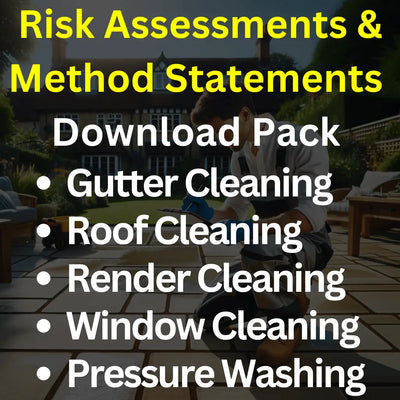
For contractors who want a more structured approach to documentation, SoftWash UK supplies a Risk Assessment and Method Statement pack for exterior cleaning, which can help businesses build more professional site-specific paperwork. It does not replace competent judgement, but it is a useful framework for planning safer work.
Products And Equipment For Professional Roof Cleaning
The correct product choice depends on whether the roof needs moss control, organic staining treatment, long-term biocidal action or general exterior cleaning support. SoftWash UK supplies a range of professional softwash chemicals used by trained contractors for exterior cleaning applications.
For roof maintenance where moss and organic growth are the main issue, products such as Clean Guard Pro roof moss killer and cleaner may be appropriate when used correctly and responsibly. Contractors should always read product instructions, understand application rates, consider site conditions and manage runoff carefully.
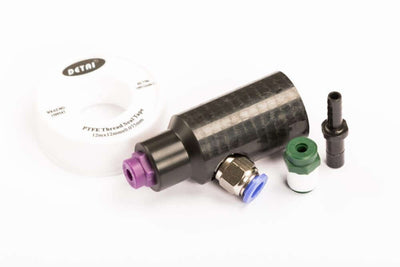
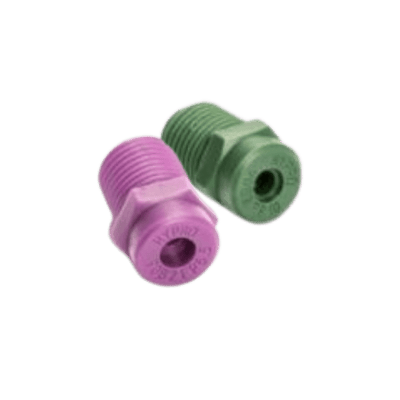
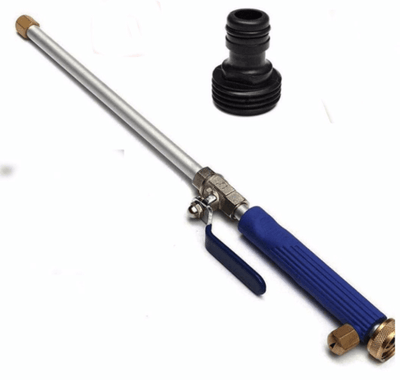
Equipment is equally important. Low-pressure delivery, suitable nozzles, water-fed pole compatibility, controlled application and rinse capability all affect the quality and safety of the job. SoftWash UK’s soft washing equipment range is designed to support professional application rather than improvised, high-risk methods.
For those building a roof cleaning or exterior cleaning service, the Soft Wash Training Course is a sensible next step. Training helps contractors understand surfaces, chemicals, quoting, safety, application techniques and common mistakes before learning through expensive errors on live jobs.
Common Roof Cleaning Mistakes And Myths
Myth 1: A Roof Should Be Cleaned Every Year
Most roofs do not need a full clean every year. Annual inspection is wise, but unnecessary cleaning can increase cost, risk and wear. Clean when condition, drainage or contamination justify it.
Myth 2: Pressure Washing Is Always The Fastest And Best Option
High pressure may give an instant visual result, but it is not always the safest or most durable method. On many roofs, controlled softwashing and moss treatment are more appropriate than aggressive pressure washing.
Myth 3: Moss Is Only Cosmetic
Light moss may be mostly cosmetic, but heavy moss can hold moisture, block gutters, obstruct valleys and add weight. On commercial and managed properties, drainage problems caused by moss can become expensive if ignored.
Myth 4: Any Bleach-Based Mix Will Do
This is a dangerous oversimplification. Chemical strength, compatibility, surfactants, dwell time, dilution, runoff and environmental controls all matter. Professional softwashing requires knowledge, not guesswork.
Myth 5: Once Cleaned, A Roof Will Stay Clean Forever
No roof cleaning method permanently prevents biological growth. The aim is to clean safely, treat appropriately and then maintain the roof on a sensible cycle.
When Not To Clean A Roof
Sometimes the best professional advice is to delay cleaning. Do not proceed without further assessment if:
- The roof covering is cracked, loose, delaminating or structurally suspect.
- There is known or suspected asbestos-containing material.
- Safe access cannot be achieved.
- High winds or rain would create drift, runoff or slip risks.
- There are unprotected ponds, sensitive planting or vulnerable surfaces below.
- The customer expects a result that the roof condition cannot safely support.
Walking away from unsafe work is part of being a professional contractor. A good quote should explain what is possible, what is not advisable and what needs to happen before cleaning can begin.
How To Quote Roof Cleaning Frequency To Customers
For contractors, roof cleaning frequency can be used to educate customers and build long-term maintenance relationships. Instead of presenting roof cleaning as a one-off job, explain the likely maintenance cycle.
A practical recommendation might look like this:
- Initial clean and moss removal this year.
- Gutter check after the first autumn season.
- Visual roof inspection every 12 months.
- Light retreatment in 2 to 3 years if the site is shaded.
- Full reassessment in 3 to 5 years depending on regrowth.
This approach helps customers understand value and prevents unrealistic expectations. It also encourages responsible maintenance rather than waiting until heavy regrowth causes avoidable problems.
If you want to see how professional softwashing training is structured before committing to the full programme, you can try selected lessons from the SoftWash UK course for free. It is a useful way to preview the training and understand the standards, safety thinking and practical approach behind professional softwashing.
FAQ: How Often Should A Roof Be Cleaned?
How often should a tiled roof be cleaned in the UK?
Most tiled roofs in the UK should be inspected annually and cleaned every 3 to 5 years where moss, algae or debris build-up justifies it. Shaded or tree-covered roofs may need cleaning or retreatment every 1 to 3 years.
Does moss mean a roof needs cleaning immediately?
Not always. Light moss may not be urgent, but heavy moss should be assessed because it can block gutters, valleys and outlets. If moss is falling into gutters or causing water overflow, cleaning should not be delayed.
Is softwashing safe for roof tiles?
Softwashing can be suitable for many roof tiles when carried out correctly at low pressure with appropriate products, dilution, PPE and runoff control. The roof must be surveyed first, and damaged or fragile materials should not be cleaned without specialist assessment.
Can I clean my own roof?
Serious DIY users can inspect roofs from the ground and clear accessible low-level debris safely, but roof cleaning itself carries significant working-at-height and chemical risks. If safe access, fall protection and chemical competence are not in place, it is better to use a trained professional.
Will roof cleaning stop moss coming back?
No cleaning method stops moss forever. A proper clean and treatment can slow regrowth and keep a roof cleaner for longer, but future maintenance will still be needed. The regrowth rate depends on shade, moisture, surface texture and local conditions.
Should roofs be pressure washed?
Some robust surfaces may tolerate controlled pressure washing, but it is often risky on roof coverings if used incorrectly. Pressure can force water under tiles, damage surfaces and create unnecessary mess. Many roof cleaning jobs are better suited to manual moss removal followed by softwash treatment.
Conclusion: Clean Roofs By Condition, Not Guesswork
So, how often should a roof be cleaned? For most UK properties, annual inspection and a full clean every 3 to 5 years is a sensible starting point. High-risk roofs affected by shade, trees, damp conditions or blocked drainage may need attention every 1 to 3 years, while cleaner exposed roofs may go longer.
The most professional approach is to assess the roof condition, drainage, material, safety risks and surrounding environment before recommending a cleaning interval. Avoid unnecessary cleaning, avoid aggressive methods where they are not suitable, and never compromise on working-at-height safety or chemical control.
SoftWash UK supports contractors, property maintenance professionals and serious DIY users with practical education, professional products, equipment and training for responsible exterior cleaning. If you are developing roof cleaning as part of your service offering, explore SoftWash UK’s Knowledge Centre, professional chemical range, equipment options and training resources to build safer, more consistent and more commercially sound roof cleaning work.