Why Softwashing Training Matters
Softwashing training matters because it turns exterior cleaning from guesswork into a controlled, safe and professional process. For UK exterior cleaning contractors, property maintenance teams, facilities managers and serious DIY users, proper training helps prevent surface damage, chemical misuse, poor results, environmental harm, insurance problems and avoidable site incidents.
Softwashing is not simply “spraying chemicals on a wall”. It involves identifying organic contamination, selecting the right method, assessing risk, protecting people and property, applying products correctly, managing dwell times, rinsing where required, and documenting the job properly. When carried out well, it can clean and sanitise roofs, render, cladding, paving, masonry and other exterior surfaces with far less pressure than aggressive jet washing. When done badly, it can stain surfaces, kill plants, damage coatings, harm pets, create slippery areas, or expose the contractor to legal and insurance issues.
Professional softwashing training gives you the practical framework to make better decisions on site. It helps you understand when softwashing is suitable, when it is not, what precautions are needed, and how to deliver consistent results without taking unnecessary risks.
What Softwashing Training Actually Teaches
Good softwashing training is not just a product demonstration. It should teach the full job cycle, from enquiry to aftercare. In the real world, most mistakes happen because someone skipped a step: they did not test the surface, they did not protect plants, they mixed products incorrectly, they used too much pressure, or they failed to explain realistic outcomes to the customer.
A well-structured softwashing course should cover:
- How to identify algae, lichen, moss, mould, black staining and atmospheric soiling.
- Which surfaces are suitable for softwashing and which need caution.
- Chemical selection, dilution principles and safe handling.
- Application methods, including low-pressure pumps, poles, nozzles and controlled spray patterns.
- Dwell time, agitation, rinsing and post-treatment decisions.
- Plant, glass, metal, timber, painted surface and watercourse protection.
- PPE, COSHH awareness, storage, transport and emergency procedures.
- Risk assessments, method statements and site-specific controls.
- Quoting, customer expectations and business processes.
For contractors who want a structured pathway, SoftWash UK provides CPD certified softwash training designed to raise standards and help professionals understand the method, safety responsibilities and commercial realities of softwashing in the UK.
Why Training Is Especially Important In UK Exterior Cleaning
The UK is an ideal environment for biological growth. Damp weather, shaded elevations, north-facing roofs, sheltered patios and coastal conditions all encourage moss, algae, lichen and spores to establish quickly. That makes softwashing a valuable service, but it also means contractors work on a wide range of sensitive surfaces and property types.
A single working week might involve a silicone render house, a slate roof, an old sandstone wall, a school playground and a commercial cladding clean. Each site has different risks. A method that works on one surface may be completely wrong for another.
Common UK softwashing scenarios where training helps
- Render cleaning: modern coloured render can mark, streak or bleach if the wrong approach is used.
- Roof cleaning: access, fragile materials, moss removal, runoff and overspray all need careful planning.
- Commercial cladding: coated metals, signage, electrics, public access and working at height increase risk.
- Schools and care homes: public safety, timing, barriers and chemical management become critical.
- Domestic patios and driveways: drainage, pets, plants, neighbouring properties and slip hazards must be controlled.
Training helps you slow down, assess the job properly and select the safest effective method rather than reaching for the strongest mix or nearest pressure washer.
Softwashing Is A Method, Not Just A Chemical
One of the biggest misconceptions in the industry is that softwashing is defined by the chemical used. In reality, softwashing is a controlled low-pressure cleaning method that uses appropriate cleaning agents, contact time and surface-safe application to treat biological and atmospheric staining.
Chemicals play a part, but they are only one element of the system. The method also includes:
- Surface assessment.
- Low-pressure application.
- Correct product choice.
- Controlled dwell time.
- Rinsing or leaving to weather where appropriate.
- Protection of surrounding materials and vegetation.
- Safe working procedures.
SoftWash UK supplies professional soft wash chemicals, but responsible use depends on training, product knowledge and site judgement. A product that is suitable for one cleaning task may be unsuitable for another if the surface, weather, drainage or access conditions are different.
Trained Versus Untrained Softwashing: What Changes On Site?
The difference between trained and untrained softwashing is often most obvious before any product is applied. Trained operators spend more time assessing the job, preparing the site and controlling variables. That is usually what prevents complaints and damage.
| Area | Untrained Approach | Trained Professional Approach |
|---|---|---|
| Surface assessment | Assumes all green staining can be treated the same way. | Identifies surface type, contamination, coatings, defects and sensitivity before cleaning. |
| Chemical use | Uses excessive strength “just to make sure”. | Selects the most appropriate product and method for the task, with safety controls in place. |
| Plant protection | Plants are watered only after visible damage appears. | Pre-wets, shields, diverts runoff and monitors sensitive planting throughout the job. |
| Risk management | Relies on experience or common sense alone. | Uses site-specific risk assessments, method statements, PPE and exclusion zones. |
| Customer communication | Promises instant results on every surface. | Explains realistic outcomes, weathering, possible re-treatment and aftercare. |
| Business protection | Works with minimal documentation. | Keeps records, product information, photographs and insurance-relevant paperwork. |
Training Reduces The Risk Of Surface Damage
Surface damage is one of the main reasons softwashing training matters. Many exterior materials look robust but react badly to poor cleaning methods. Old brick can be friable. Painted render can be patchy. Lead staining, rust staining, efflorescence and black organic staining are often confused with each other. Timber, natural stone and coated metals all need careful treatment.
Training helps you recognise when you are dealing with:
- Organic growth that can be treated biologically.
- Carbon staining or pollution that may need a different cleaning method.
- Mineral staining, rust, tannin or lead staining requiring specialist products.
- Damaged, blown or porous render that could worsen during cleaning.
- Previously coated surfaces where patch testing is essential.
This matters commercially as well as technically. A contractor who understands surface limitations can price accurately, set expectations and avoid taking on jobs where the risk outweighs the reward.
Training Improves Chemical Safety And Compliance
Softwashing involves professional chemical handling. That means contractors must understand product labels, Safety Data Sheets, PPE requirements, storage, transport, first aid information and safe application. Serious DIY users should also treat softwashing chemicals with respect and avoid casual or experimental use.
In the UK, contractors should consider COSHH, environmental protection, manual handling, working at height, public access, waste management and product-specific guidance. Facilities managers should also check that contractors can provide a clear process, evidence of competence and suitable documentation before allowing work to begin on site.
Best-practice chemical safety notes
- Always read the product label and Safety Data Sheet before use.
- Use suitable PPE for the task, including eye, skin and respiratory protection where required.
- Never mix chemicals unless the product manufacturer specifically states it is safe to do so.
- Store chemicals securely, upright and away from incompatible materials.
- Control overspray, drift and runoff, especially near plants, ponds, vehicles and public areas.
- Carry clean water, spill response items and emergency information on site.
- Keep bystanders, pets and unprotected workers away from the work area.
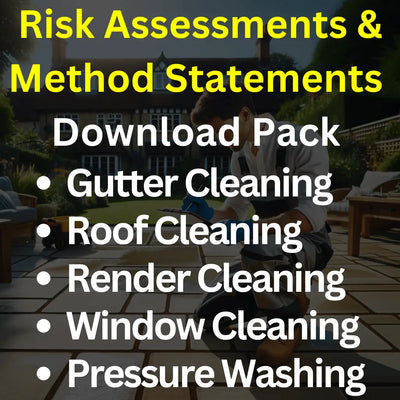
For contractors building formal site paperwork, SoftWash UK’s Risk Assessment and Method Statement pack for exterior cleaning can help provide a structured starting point. It should still be adapted to the specific site, task, products and working conditions.
Risk Assessments Are Not Optional Paperwork
Some small contractors see risk assessments as paperwork for large commercial jobs only. That is a mistake. A domestic bungalow clean can still involve chemical exposure, cracked paving, blocked drains, pets, glass damage, fragile roof tiles or a neighbour’s prized plants next to the boundary.
A good risk assessment helps you identify foreseeable problems before they happen. It also shows customers, insurers and commercial clients that you are working professionally. If something goes wrong, the absence of a documented process can make the situation much harder to defend.
The SoftWash UK Knowledge Centre article on softwash risk assessment explains why this is such an important part of professional exterior cleaning, particularly where chemicals, access equipment and public-facing sites are involved.
Practical risk assessment considerations before a softwash job
- Who could be affected by the work: workers, residents, staff, visitors, neighbours, pets or the public?
- What surfaces or materials could be damaged?
- Where will runoff go?
- Is there a risk of chemical drift from wind?
- Are there ponds, streams, drains, lawns or planted beds nearby?
- Is access safe, stable and appropriate?
- Are weather conditions suitable?
- What emergency actions are needed if there is a spill or exposure?
A Practical Step-By-Step Softwashing Workflow
Training gives contractors a repeatable workflow. That is valuable because repeatable systems reduce mistakes, improve speed and make it easier to train staff. The exact process will vary by surface and product, but a professional softwashing job will usually follow a structure similar to this.
1. Survey the site
Inspect the property before quoting where possible. Identify surface type, access, contamination, drainage, sensitive materials, plant life, water sources and public access. Take photographs and note any pre-existing damage.
2. Identify the contamination
Decide whether you are dealing with algae, lichen, moss, mould, pollution, rust, tannin, lead staining or mixed staining. Different staining types need different approaches. Training helps you avoid treating every mark as if it were organic growth.
3. Select the right method
Choose whether the job needs softwashing, biocide treatment, pressure washing, steam cleaning, manual removal, specialist stain treatment or a combination. Sometimes the best professional decision is to decline the work or recommend an alternative method.
4. Prepare the site
Move vehicles and furniture, protect plants, disconnect or shield sensitive electrics where appropriate, cover vulnerable surfaces, set up exclusion zones and inform occupants. This preparation is often what separates a clean job from a problem job.
5. Apply carefully
Use controlled low-pressure application and avoid unnecessary overspray. Work with the wind, not against it. Avoid applying products in unsuitable weather, such as high winds, heavy rain, very hot conditions or frost risk.
6. Monitor dwell time
Do not walk away and hope. Monitor the surface, product reaction, runoff and surrounding areas. Keep plants wet and protected where required. Reapply only when appropriate and within product guidance.
7. Rinse, neutralise or leave to weather where appropriate
Some applications require rinsing. Others may be designed as slower-acting treatments. Training helps you understand which is correct for the product, surface and site. Never assume that leaving a product in place is acceptable unless it is specified and safe for the situation.
8. Complete aftercare and records
Take completion photographs, explain expected results and provide aftercare advice. Keep records of products used, weather conditions, batch information where relevant, and any incidents or observations.
Training Helps Contractors Win Better Work
Softwashing training is not only about safety. It also helps contractors present themselves professionally and win the right type of work. Commercial clients, property managers and facilities teams increasingly expect evidence of competence, insurance, RAMS, product information and clear communication.
If you are trying to become a softwash contractor, training gives you more than technical knowledge. It helps you understand how to price work, explain the process, manage enquiries and avoid taking on high-risk jobs without proper preparation.
For established exterior cleaning businesses, training can help add softwashing as a specialist service rather than a risky add-on. This is especially useful for window cleaners, pressure washing companies, roof cleaning firms, facilities maintenance providers and grounds maintenance teams.
Equipment Knowledge Matters Too
Professional softwashing depends on using suitable equipment. Too much pressure can damage surfaces and drive water into places it should not go. Poor spray control can increase drift and chemical waste. Inadequate hoses, seals or pumps can create leaks and exposure risks.
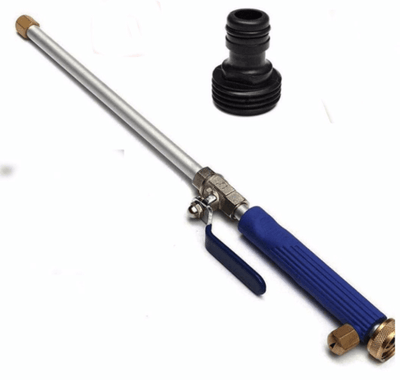
Training helps you understand the role of different equipment, including application pumps, water-fed poles, nozzles, chemical-resistant hoses, dosing systems, PPE and rinse equipment. Contractors can explore professional soft washing equipment through SoftWash UK, but equipment should always be chosen to match the type of work being carried out and the operator’s competence.
Insurance, Documentation And Professional Credibility
Training supports better conversations with insurers and clients. It does not replace insurance, but it can help demonstrate that you take competence and risk management seriously. Contractors should ensure their policy specifically covers the type of exterior cleaning work they undertake, including chemical application, roof work, pressure washing if applicable, and commercial sites where relevant.
The SoftWash UK Knowledge Centre guide on softwash contractor insurance is a useful read for businesses that want to understand the types of cover commonly discussed in this sector.
For ongoing learning, the softwashing training and business hub brings together practical resources for contractors developing their technical ability, safety systems and business knowledge.
Common Softwashing Mistakes And Myths
Myth 1: Stronger chemical means better cleaning
More strength is not a substitute for correct method. Excessive chemical strength can increase the chance of staining, plant damage, odour complaints, corrosion and customer dissatisfaction. Trained operators aim for the safest effective approach.
Myth 2: Softwashing is always safe because it is low pressure
Low pressure reduces mechanical damage, but it does not remove chemical, access or environmental risk. Softwashing still requires planning, PPE, product knowledge and site controls.
Myth 3: Every green surface needs the same treatment
Algae on render, moss on concrete, lichen on slate and biofilm on cladding may require different methods. Surface type and contamination type both matter.
Myth 4: Training is only for beginners
Experienced cleaners often benefit the most from training because they already understand site realities. Training can help refine existing methods, reduce bad habits and improve compliance.
Myth 5: If the job looks good when you leave, it was successful
A good result must also be safe, durable and controlled. Plant damage, streaking, delayed surface reaction or customer complaints can appear after the contractor has packed away.
What Facilities Managers Should Look For In A Softwashing Contractor
Facilities managers and property maintenance professionals have a duty to appoint competent contractors. Price matters, but it should not be the only deciding factor. A cheap softwash can become expensive if it causes surface damage, chemical runoff, public complaints or disruption to operations.
Before approving work, ask for:
- Evidence of softwashing training or relevant competence.
- Public liability and employer’s liability insurance where applicable.
- Site-specific risk assessment and method statement.
- Product information and Safety Data Sheets.
- Clear explanation of access, exclusion zones and working times.
- Plant, drainage, public and property protection measures.
- Before-and-after examples from similar surfaces.
For contractors and facilities teams who want deeper guidance, the SoftWash UK Soft Wash Training Course provides a structured route into professional methods, responsible chemical application and practical site decision-making.
Want To Preview The Training First?
For contractors who want to build their knowledge before investing in full training, SoftWash UK offers a free course preview with selected lessons from the full training programme. It gives you a practical look at the teaching style, structure and professional approach used inside the course.
How To Choose The Right Softwashing Training
Not all training is equal. A useful course should be practical, safety-led and relevant to UK working conditions. It should help you make decisions, not just follow a script. Look for training that explains why a method is used, what can go wrong and how to adapt to different sites.
Good softwashing training should include:
- Clear explanations of softwashing principles and limitations.
- Realistic examples from domestic and commercial work.
- Safe chemical handling and PPE guidance.
- Surface-specific advice for render, roofs, cladding, paving and masonry.
- Risk assessment, COSHH and documentation guidance.
- Equipment selection and maintenance considerations.
- Quoting, customer management and business process advice.
- Support for continued learning after the course.
SoftWash UK also produces wider industry education through resources such as the SoftWash UK Podcast, which can help contractors keep learning from practical discussions around exterior cleaning, business development and softwashing standards.
Frequently Asked Questions About Softwashing Training
Do I legally need training to carry out softwashing in the UK?
There is not one single softwashing licence that every operator must hold, but contractors still have legal duties around health and safety, COSHH, chemical handling, environmental protection, working at height and public safety. Training helps demonstrate competence and reduces the risk of unsafe work. Commercial clients may also require evidence of training before approving contractors.
Is softwashing training worth it for an experienced pressure washing contractor?
Yes. Pressure washing experience is useful, but softwashing requires different knowledge. Chemical selection, dwell time, plant protection, surface sensitivity and runoff management are all central to the method. Many experienced pressure washing contractors use training to add softwashing safely rather than relying on trial and error.
Can serious DIY users benefit from softwashing training?
Yes, particularly if they intend to use professional-grade products or clean sensitive surfaces such as render, roofs, natural stone or timber. Training helps serious DIY users understand the risks and limitations. However, complex jobs involving height, large areas, chemical runoff or public access are usually best handled by competent professionals.
What is the biggest mistake new softwash contractors make?
The biggest mistake is treating softwashing as a quick chemical application rather than a full process. New contractors often underestimate site preparation, plant protection, customer communication and documentation. Training helps build a repeatable system that reduces these errors.
Does training help with pricing softwashing jobs?
Yes. Better technical understanding improves pricing because you can assess risk, access, product use, time, preparation and aftercare more accurately. It also helps you explain why one job costs more than another, which is important when quoting for commercial or high-risk properties.
Should facilities managers ask for proof of training?
Yes. Proof of training, insurance, RAMS and product documentation helps facilities managers check that a contractor is competent and prepared. It is especially important on schools, care homes, retail sites, industrial units, public buildings and managed residential blocks.
Conclusion: Training Protects People, Property And Your Reputation
Softwashing training matters because it improves decision-making. It helps contractors clean more safely, protect surfaces, handle chemicals responsibly, satisfy commercial clients and build a more professional service. For facilities managers and property maintenance teams, it helps separate competent contractors from those relying on guesswork.
The best softwashing results come from a combination of knowledge, preparation, suitable products, appropriate equipment and safe working systems. Training does not remove every risk, but it gives you the tools to recognise and control those risks before they become expensive problems.
If you are serious about offering softwashing professionally, or you manage properties where softwashing is being considered, SoftWash UK can support your next step with professional training, educational resources, suitable chemicals, specialist equipment and compliance-focused guidance. Visit SoftWash UK to explore the full range of softwashing training, products and Knowledge Centre resources.