Why Softwash Solutions Fail Without a Quality Surfactant
Softwash solutions often fail without a quality surfactant because the active cleaning chemical cannot wet, cling to and penetrate the contaminated surface properly. Instead of staying where it is needed, the solution beads up, runs off too quickly, dries unevenly or fails to break through the biofilm that protects algae, mould, lichen and organic staining.
For UK exterior cleaning contractors, facilities managers, property maintenance teams and serious DIY users, the surfactant is not an optional extra. It is one of the main reasons a softwash mix performs consistently on render, roofs, stone, brick, cladding, paving and other exterior surfaces. A good surfactant improves contact time, coverage, dwell, penetration and rinse behaviour. A poor one can waste chemical, increase rework, create unnecessary runoff and leave patchy results.
In practical terms, the active ingredient may do the killing or cleaning, but the surfactant helps it reach the contamination properly. If you are applying sodium hypochlorite, biocide or another softwashing chemical without the right wetting and cling properties, you are often relying on luck rather than controlled application.
What Does a Surfactant Do in a Softwash Solution?
A surfactant reduces the surface tension of water-based softwash solutions. That means the solution spreads more evenly instead of forming droplets and running off the surface. It also helps the mix cling for longer, especially on vertical or textured materials.
In softwashing, a surfactant can help with:
- Wetting dry, porous or hydrophobic surfaces
- Reducing beading on render, plastic, painted surfaces and roof tiles
- Improving dwell time on vertical elevations
- Helping the active ingredient penetrate organic biofilm
- Reducing wasted chemical through excessive runoff
- Making application more visible and controllable
- Improving consistency across large areas
If you want a deeper explanation of the chemistry and practical purpose, SoftWash UK has a useful Knowledge Centre guide on What Is A Softwash Surfactant, which explains how surfactants work in the context of professional exterior cleaning.
Why Softwash Mixes Fail Without a Good Surfactant
When a softwash job underperforms, the first assumption is often that the mix was too weak. In the field, however, poor wetting and poor dwell time are just as often the problem. Contractors can increase chemical strength and still get poor results if the solution is not staying on the surface long enough to work.
1. The Solution Runs Off Too Quickly
On vertical render, painted masonry, cladding and fascia boards, an untreated mix can run down the surface before it has had enough contact time. This is common on smooth, sealed or slightly greasy surfaces. The operator may apply more product to compensate, but that usually increases runoff rather than performance.
A quality surfactant helps the solution hold on the surface so the active ingredient can keep working during the intended dwell period. This is particularly important on elevations, gable ends and commercial building façades where access may be limited and reapplication is time-consuming.
2. The Mix Does Not Wet the Surface Evenly
Some exterior surfaces do not accept water evenly. Older render, weathered roof tiles, oxidised cladding and previously sealed paving can all behave differently from one square metre to the next. Without a surfactant, the mix may bead in some areas and soak in too fast in others.
This causes uneven treatment. The result may look acceptable while wet, but once dry, staining can remain in patches. This is one reason contractors sometimes describe a job as “coming back patchy” after the first visit.
3. Organic Biofilm Is Not Properly Penetrated
Algae, mould and bacteria are rarely just sitting loosely on top of a surface. They often form a biofilm, which can act like a protective layer. On north-facing render, shaded paving and roof tiles, this layer can be well established.
A surfactant helps the solution break into that film more effectively. Without it, the active ingredient may contact only the outer layer, leaving viable growth behind. The surface may lighten initially, but regrowth can appear sooner because the contamination was not treated thoroughly.
4. Chemical Is Wasted
Runoff is not just inefficient; it can also increase risk. More chemical on the ground means more attention is needed for plant protection, drainage control, rinsing and containment. A good surfactant helps you use the right amount of solution more effectively rather than applying excessive volume to chase results.
5. Dwell Time Becomes Unpredictable
Professional softwashing depends on controlled dwell time. Weather, surface temperature, wind, porosity and contamination level all influence how long a product should remain active. Without a quality surfactant, the dwell period is harder to manage because the chemical may dry too quickly or leave the surface before it has done its work.
Quality Surfactant vs Cheap Detergent: What Is the Difference?
One of the most common mistakes in softwashing is confusing a proper softwash surfactant with ordinary washing-up liquid, general-purpose detergent or household cleaner. These products are not designed for professional chemical compatibility, exterior substrates, controlled dwell or safe softwash application.
| Feature | Quality Softwash Surfactant | Cheap Detergent or Household Soap |
|---|---|---|
| Purpose | Designed to improve wetting, cling and dwell in exterior cleaning applications | Designed mainly for household grease, dishes or general cleaning |
| Chemical compatibility | Formulated for use with suitable softwash chemistry when used correctly | May be unstable or unsuitable with professional chemicals |
| Foam behaviour | Controlled foam and visible application depending on product design | Can over-foam or collapse too quickly |
| Cling | Helps solution remain on vertical and textured surfaces | Often provides poor or inconsistent dwell |
| Professional consistency | Predictable when used at recommended dilution rates | Unpredictable between brands and batches |
| Risk of residues | Designed for exterior rinse-down and application considerations | May leave residues, streaks or unwanted reactions |
For contractors comparing options, the SoftWash UK Knowledge Centre page on the best softwash surfactant is a helpful starting point. It explains what to look for when choosing a product for professional exterior cleaning rather than relying on unsuitable substitutes.
Where Surfactant Quality Matters Most
Some jobs are more forgiving than others. A slightly underperforming surfactant may still appear to work on a lightly contaminated horizontal surface. Problems become much more obvious on difficult substrates, heavy organic growth and vertical work.
Render Cleaning
Softwashing render is one of the clearest examples. Algae staining on monocouche, silicone render and painted render often appears as green, red, black or grey staining. These surfaces can be porous, textured and inconsistent. Without good wetting and cling, the mix runs down in lines, leaving streaking or untreated patches.
On render, a quality surfactant helps the solution spread into the texture rather than skipping over high points. It also improves dwell time, which is important because rushing render cleaning can lead to poor results or unnecessary repeat applications.
Roof Cleaning and Moss Treatment
Roof tiles are textured, absorbent and often heavily contaminated. Even after physical moss removal, organic staining and spores can remain. A surfactant helps the treatment settle into the surface profile rather than simply flowing down channels and into gutters.
Care is needed on roofs because runoff, gutters, downpipes, water butts, plants and neighbouring properties all need proper control. This is where risk assessment, method statements and good site preparation matter as much as chemical choice.
Cladding, Plastics and Painted Surfaces
Smooth surfaces such as uPVC, powder-coated cladding and painted substrates often repel water. Without surfactant, the softwash mix beads and slides away. A professional surfactant improves contact, but the operator must still assess paint condition, oxidation, seals and manufacturer guidance before applying any chemical.
Block Paving, Stone and Concrete
On horizontal surfaces, a surfactant helps spread the mix into pores and joints. This is useful when treating algae and black organic contamination on driveways, patios, paths and commercial hardstanding. However, porous surfaces can absorb solution quickly, so pre-wetting, controlled application and correct dilution remain important.
How a Quality Surfactant Improves Softwashing Results
In day-to-day work, contractors usually notice the difference in four main areas: coverage, dwell, consistency and efficiency.
| Performance Area | Without Quality Surfactant | With Quality Surfactant |
|---|---|---|
| Coverage | Beading, patchy wetting and missed areas | Even spread across the treated surface |
| Dwell time | Solution runs off or dries too quickly | Improved contact time and more controlled reaction |
| Chemical use | More product applied to compensate for poor contact | Better use of the active ingredient |
| Finished result | Streaks, shadows and repeat visits | More consistent cleaning and treatment |
| Professional control | Harder to judge application and response | Easier to see, manage and adjust on site |
Choosing the Right Surfactant for Softwashing
The right surfactant depends on the softwash chemical, the substrate, the level of contamination and the application method. A professional product should be selected because it is suitable for the task, not simply because it creates foam.
When choosing a softwash surfactant, look for:
- Compatibility with the softwash chemicals being used
- Good wetting on porous and non-porous surfaces
- Useful cling on vertical elevations
- Controlled foam that helps visibility without causing operational problems
- Clear dilution guidance from the supplier
- Reliable behaviour in real site conditions
- Suitability for professional exterior cleaning rather than household use
SoftWash UK supplies professional chemicals and additives for exterior cleaning contractors, including Clever Wash Surfactant, which is designed to improve wetting, cling and application control when used correctly as part of a suitable softwash process.
Step-by-Step: How to Use a Surfactant Properly in a Softwash Process
The exact process will depend on the chemical system, surface and site conditions, but the following practical framework is useful for most exterior cleaning work.
Step 1: Survey the Surface
Before mixing anything, inspect the substrate. Identify the material, condition, contamination level, drainage points, nearby plants, sensitive metals, painted areas, vents, water butts and public access risks.
Look for signs of damage, failed coatings, cracks, blown render, loose pointing, oxidised cladding or delicate finishes. A surfactant can improve performance, but it cannot make an unsuitable chemical application safe for a vulnerable surface.
Step 2: Choose the Correct Chemical System
Surfactant supports the main cleaning chemistry; it does not replace it. For example, sodium hypochlorite-based solutions are often used for organic staining when suitable for the surface and controlled correctly. SoftWash UK supplies professional-grade sodium hypochlorite for soft washing, but users must understand dilution, compatibility, storage, PPE and site protection before use.
For longer-term biocidal treatment, a product such as Soft Wash Pro 50 DDAC may be appropriate in the right context. The key is to match the product to the job rather than using one mix for every surface.
Step 3: Follow the Correct Mixing Order
Always follow the manufacturer’s instructions and safety data sheet for the products being used. Do not guess. In general, contractors should avoid uncontrolled mixing and should never combine chemicals unless the supplier confirms compatibility.
Use clean containers, labelled equipment and measured quantities. Inconsistent measuring is one of the main reasons softwash performance varies from job to job.
Step 4: Apply a Test Patch
A test patch is not just for delicate surfaces. It helps confirm reaction time, wetting behaviour, potential colour change, dwell requirement and rinse response. On commercial sites, it can also help facilities managers approve the expected finish before wider treatment.
Step 5: Apply Evenly and Control Dwell
Apply the solution from the bottom up on vertical surfaces where appropriate to reduce streaking risk, depending on the method and substrate. Maintain a wet edge, avoid over-application and watch how the solution behaves. A good surfactant should help you see where the mix has landed and how evenly it is holding.
Do not allow unsuitable chemicals to dry on sensitive surfaces. Manage dwell time according to product guidance, weather and contamination level.
Step 6: Rinse, Neutralise or Leave as Directed
Some softwashing processes require rinsing; others are designed as leave-on treatments. Follow the product instructions. Protect plants before, during and after application. Divert or manage downpipes where needed. Prevent uncontrolled discharge into sensitive areas.
Step 7: Review the Result After Drying
Many softwash treatments continue to improve after application, especially biocidal treatments. Do not judge every surface while it is still wet. However, if missed areas are visible during application because the mix has not wetted properly, correct them before leaving site.
Common Mistakes That Lead to Softwash Failure
Using Washing-Up Liquid as a Surfactant
This is a false economy. Household washing-up liquid is not designed for professional softwashing chemistry or exterior surface treatment. It may affect chemical stability, foam unpredictably, leave residues or create inconsistent results.
Assuming More Chemical Will Fix Poor Wetting
If the solution is running off the wall, increasing strength may not solve the issue. It can simply increase risk and cost. Improve wetting, dwell and application technique before assuming the chemical is too weak.
Using Too Much Surfactant
More surfactant is not always better. Excessive foaming can slow work, make rinsing harder, increase residue risk and create unnecessary mess. Follow recommended dosing and adjust only within guidance.
Ignoring Weather Conditions
Wind, heat and direct sun can cause premature drying and drift. Rain can dilute or wash away the treatment before it has worked. In the UK, changeable weather is a real operational factor. Good contractors plan dwell time around conditions rather than forcing the job through regardless.
Skipping Plant and Drainage Protection
Surfactant can improve cling, but runoff still needs managing. Protect planting, lawns, ponds, watercourses, gutters, drains and neighbouring surfaces. Pre-wet and post-rinse vegetation where appropriate, and follow environmental best practice.
Safety and Compliance Notes for UK Contractors
Softwashing involves chemical application, so safety and compliance must be built into the method. A quality surfactant improves performance, but it does not remove the need for professional judgement.
Before any job, consider:
- Risk assessment and method statement requirements
- Product safety data sheets
- PPE including gloves, eye protection and suitable clothing
- COSHH assessment where required
- Public access, signage and exclusion zones
- Working at height controls
- Chemical storage, transport and labelling
- Drainage, runoff and environmental protection
- Emergency spill and first aid procedures
For contractors who want a structured starting point, the Risk Assessment and Method Statement Pack for Exterior Cleaning can help formalise safer working procedures and improve professionalism when quoting and delivering softwash projects.
Real-World Example: Why Two Crews Can Get Different Results with the Same Chemical
Imagine two contractors cleaning similar north-facing rendered walls on separate properties. Both use the same active chemical strength. One contractor adds a suitable surfactant at the correct rate, applies evenly, controls dwell time and checks wetting during the job. The other applies the mix without a proper surfactant and increases volume when the product starts running off.
The first wall is likely to treat more evenly, with less waste and fewer patchy returns. The second may show vertical run marks, untreated high spots and inconsistent results after drying. The difference is not necessarily the headline chemical strength. It is application control.
This is why experienced softwashers pay close attention to surfactant choice, surface behaviour and dwell time. The best results come from the whole system working together: correct assessment, correct chemical, correct surfactant, correct equipment and correct method.
Does Equipment Affect Surfactant Performance?
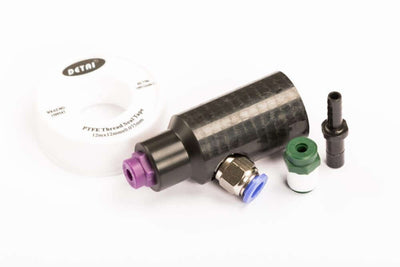
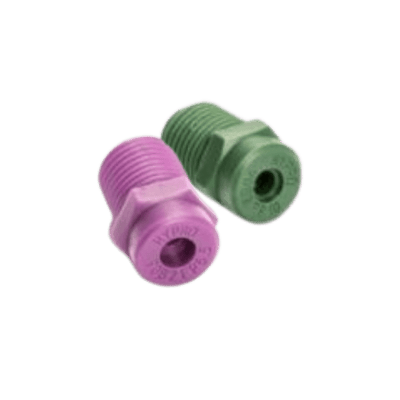
Yes. Even the best surfactant cannot compensate for poor application equipment. Spray pattern, droplet size, flow rate, hose length, nozzle selection and pump setup all influence coverage and dwell.
For example, an overly aggressive application can cause bounce-back and waste product. A poor nozzle may create uneven coverage. On higher elevations, inconsistent delivery can make it difficult to maintain a wet edge. SoftWash UK offers a range of soft washing equipment designed for controlled chemical application, which is important when working with surfactants and professional softwash mixes.
How to Diagnose Whether Surfactant Is the Problem
If your softwash results are inconsistent, use this quick diagnostic checklist before blaming the active chemical.
- Does the solution bead on contact rather than spreading?
- Does it run off vertical surfaces within seconds?
- Are high points in textured render or roof tiles being missed?
- Does the surface dry before the dwell period is complete?
- Are results patchy despite apparently correct chemical strength?
- Are you using a household detergent rather than a professional surfactant?
- Are you guessing the surfactant dose rather than measuring it?
- Have you carried out a test patch and adjusted technique accordingly?
If several of these apply, surfactant quality, dosage or application technique is likely to be part of the problem.
Myths About Softwash Surfactants
Myth 1: “Surfactant Is Only There to Make Foam”
Foam can make application more visible, but it is not the main purpose. The real value is wetting, penetration, cling and dwell control. A product that foams heavily but performs poorly is not a good softwash surfactant.
Myth 2: “Any Soap Will Do”
Not all soaps are chemically suitable or professionally reliable. Household products are not designed for softwashing substrates, chemical compatibility or exterior rinse behaviour.
Myth 3: “If the Mix Is Strong Enough, Surfactant Does Not Matter”
Strength without contact is wasted. If the active ingredient cannot stay on the contamination or penetrate the biofilm, increasing strength can increase risk without improving the result.
Myth 4: “Surfactant Makes Softwashing Safe on Every Surface”
No additive makes every surface suitable. You still need to assess the substrate, read product guidance, test patch and use safe working methods.
Building Professional Skill Around Chemical Application
Understanding surfactants is part of becoming a better exterior cleaning professional. It sits alongside dilution knowledge, site assessment, surface identification, plant protection, chemical safety, quoting and customer expectation management.
If this is an area you want to understand properly, you can start by accessing the free SoftWash UK course preview. It includes selected lessons from the full training course and is designed to help contractors see whether professional softwashing training is the right next step.
Frequently Asked Questions
What happens if I softwash without a surfactant?
The solution may bead, run off too quickly, fail to wet the surface evenly and provide poor dwell time. This can lead to patchy results, wasted chemical and repeat visits, especially on vertical render, cladding, roof tiles and textured masonry.
Can I use washing-up liquid as a softwash surfactant?
It is not recommended. Washing-up liquid is not formulated for professional softwashing chemistry, exterior substrates or controlled dwell. It may behave unpredictably, affect chemical performance or leave unwanted residues.
Does surfactant make sodium hypochlorite stronger?
No. A surfactant does not make sodium hypochlorite stronger in concentration. It helps the solution wet, cling to and penetrate the surface more effectively. That improved contact can make the overall treatment perform better without simply increasing chemical strength.
How much surfactant should I add to a softwash mix?
Follow the product label, supplier guidance and safety data sheet. The correct amount depends on the product, chemical system, application method and surface. Overdosing can cause excessive foam, residue and rinsing problems.
Is surfactant needed for every softwashing job?
Not always, but it is highly useful on many professional jobs, particularly vertical surfaces, textured materials, hydrophobic surfaces and heavy organic contamination. The decision should be based on the substrate, contamination and product system.
Can surfactant reduce chemical runoff?
Yes, a quality surfactant can reduce unnecessary runoff by improving cling and wetting. However, runoff still needs proper management through careful application, plant protection, drainage control and safe working procedures.
Conclusion: Surfactant Quality Is Central to Softwash Performance
A softwash solution can fail even when the active chemical is suitable, simply because it does not stay in contact with the contamination long enough to work. That is why a quality surfactant is so important. It improves wetting, cling, dwell, penetration and consistency, helping contractors achieve better results with more control.
For UK exterior cleaning professionals, the lesson is straightforward: do not treat surfactant as an afterthought. Choose a product designed for softwashing, dose it correctly, test the surface, manage dwell time and work safely. The best results come from using the right chemistry, the right method and the right professional knowledge together.
SoftWash UK supports contractors, property maintenance professionals and serious DIY users with professional softwashing chemicals, equipment, training and educational resources. To build a more reliable softwashing system, explore the SoftWash UK soft wash chemicals, review the Knowledge Centre, and consider structured training if you want to improve safety, consistency and confidence on site.