What New Softwash Contractors Often Get Wrong
New softwash contractors usually get into trouble for one of four reasons: poor diagnosis of the surface, weak chemical knowledge, inadequate safety planning, or trying to clean everything with the same method. Softwashing is not simply “spray it on and rinse it off”. It is a controlled exterior cleaning process that relies on correct identification of organic growth, suitable chemistry, safe application, dwell time, controlled rinsing and responsible site management.
For UK exterior cleaning contractors, property maintenance professionals, facilities managers and serious DIY users, the biggest mistake is treating softwashing as a shortcut rather than a technical cleaning system. When done properly, it can clean render, roofs, cladding, paving, timber, uPVC and other exterior surfaces with less pressure than aggressive jet washing. When done badly, it can damage surfaces, harm plants, breach site rules, create run-off problems and damage a contractor’s reputation.
This guide explains the most common softwashing mistakes we see in the industry, why they happen, and how to avoid them with better surveying, safer working practices, suitable products, appropriate equipment and professional training.
1. Thinking Softwashing Is Just Another Word for Pressure Washing
One of the first mistakes new contractors make is using the terms “softwashing” and “pressure washing” interchangeably. They are different methods with different risks, strengths and limitations.
Pressure washing relies mainly on mechanical force. Softwashing relies mainly on chemistry, dwell time and low-pressure application. Both methods can be useful, but they should not be used blindly.
| Cleaning method | Main cleaning action | Best suited to | Common risk if misused |
|---|---|---|---|
| Softwashing | Chemical treatment, dwell time and low-pressure rinsing | Render, K-rend, roofs, cladding, painted surfaces, delicate masonry, organic staining | Chemical misuse, plant damage, poor run-off control, uneven results |
| Pressure washing | High-pressure mechanical force | Concrete, some block paving, hardstanding, robust stone surfaces | Surface damage, blown joints, water ingress, etched render, damaged coatings |
| Steam cleaning | Heat, pressure and reduced chemical reliance | Heritage surfaces, gum removal, sensitive masonry where appropriate | Thermal shock, inappropriate pressure, high equipment cost |
A common real-world example is a contractor arriving at a rendered property with a pressure washer because the wall looks green. If the staining is algae or biofilm, the correct softwash treatment may achieve a better clean with far less physical stress on the render. But if the wall has failed paint, blown render or water ingress issues, any cleaning method needs careful assessment before work begins.
2. Pricing Work Before Properly Surveying the Site
New contractors often price from photos alone. This can work for simple jobs, but it is risky for roofs, commercial buildings, access-sensitive properties and heavily stained surfaces. A proper survey protects the contractor and the customer.
What should be checked before quoting?
- The surface type, age and condition.
- The type of contamination: algae, lichen, moss, black staining, carbon, rust, oil or general dirt.
- Previous coatings, sealers, paints or repairs.
- Water access and drainage routes.
- Nearby plants, ponds, lawns, vehicles and sensitive materials.
- Access requirements, working at height and exclusion zones.
- Public access, neighbouring properties and overspray risk.
- Whether the job requires RAMS, COSHH assessment or site-specific permits.
Facilities managers and commercial clients will often expect a method statement, risk assessment, product safety information and proof that the contractor understands site controls. For contractors building a professional business, resources such as the Risk Assessment and Method Statement Pack for Exterior Cleaning can help standardise safer job planning and demonstrate a more competent approach.
3. Misidentifying the Stain
Softwashing is excellent for organic growth such as algae, moss, lichen and microbial staining. It is not a magic answer to every mark on a building. New contractors often apply the wrong treatment because they have not identified the stain correctly.
Common exterior stains and what they usually indicate
| Stain or contamination | Likely cause | Softwash suitability |
|---|---|---|
| Green staining | Algae, biofilm, damp shaded elevations | Often suitable for softwashing |
| Black or grey streaking | Organic growth, pollution, carbon, water tracking | May need testing and staged treatment |
| Orange or brown staining | Rust, metal run-off, irrigation staining | Usually needs specialist rust removal chemistry, not standard softwash |
| Dark patches on paving | Black lichen spots or biological growth | May respond to correct biocidal treatment and dwell time |
| Oil marks | Vehicle oil, grease or hydrocarbons | Requires degreasing approach rather than standard softwashing |
| White powdery deposits | Efflorescence or mineral salts | Not a typical softwash issue; diagnose carefully |
Using the wrong chemical can waste time and create damage. For example, treating rust staining as if it were algae will not solve the problem. Equally, trying to blast off black lichen from fragile stone can scar the surface. Good contractors test, observe and choose the method according to the material and contaminant.
4. Guessing Chemical Strengths and Dwell Times
Another common new-contractor mistake is relying on guesswork when using softwash chemicals. In professional exterior cleaning, “a bit stronger” is not a safe or reliable strategy. Different surfaces, weather conditions and growth levels require controlled decisions.
Contractors should always read the product label, safety data sheet and technical guidance before use. They should understand dilution, application controls, PPE, contact time, neutralisation where applicable, run-off management and restrictions around sensitive areas.
SoftWash UK supplies a wide range of professional soft wash chemicals, but the product is only one part of the system. Correct diagnosis, safe handling and proper application matter just as much as the chemical itself.
Practical best practice for chemical use
- Do a small inconspicuous test patch where possible.
- Use the least aggressive effective method.
- Follow manufacturer instructions and product-specific guidance.
- Keep accurate records of what was used, where and why.
- Never mix chemicals unless the manufacturer specifically states it is safe to do so.
- Do not use unlabelled containers on site.
- Carry appropriate spill control, clean water and emergency information.
- Keep customers, staff, pets and the public away from the work area.
Professional contractors should also ensure they have access to relevant safety information, including softwash SDS sheets, and that staff know how to use them rather than simply storing them in a folder.
5. Underestimating Health, Safety and Compliance
Softwashing involves chemical handling, working at height, pressurised equipment, public areas, vehicle movements, slips, trips and environmental controls. New contractors sometimes focus on winning the job and forget the legal and practical responsibilities that come with it.
In the UK, contractors need to think about COSHH, PPE, manual handling, working at height, public liability, environmental protection, waste water management and site-specific risk assessment. Commercial clients may also ask for evidence of training, insurance, RAMS and product documentation.
Safety controls that should be routine
- Complete a site-specific risk assessment before work starts.
- Set out exclusion zones using cones, barriers or signage where required.
- Protect pedestrians, residents, staff and neighbouring properties from overspray.
- Wear suitable PPE, including eye, hand and skin protection appropriate to the chemical and task.
- Prevent uncontrolled run-off into sensitive drains, ponds, watercourses or planted areas.
- Plan safe access for roofs, gutters, cladding and upper elevations.
- Have a clear emergency plan for spills, accidental exposure or equipment failure.
For contractors who want a structured understanding of softwashing methods, safety and business standards, the SoftWash UK Soft Wash Training Course is designed to reduce costly trial-and-error learning and help contractors work more professionally from the start.
6. Using the Wrong Equipment for the Job
Many new contractors begin with whatever equipment they already own. Sometimes that works, but often it leads to poor application, excessive overspray, slow productivity or unnecessary damage.
Softwash equipment should allow controlled chemical delivery at appropriate pressure and flow. The goal is not to blast the surface. It is to apply product evenly, safely and efficiently.
Equipment mistakes that cause problems
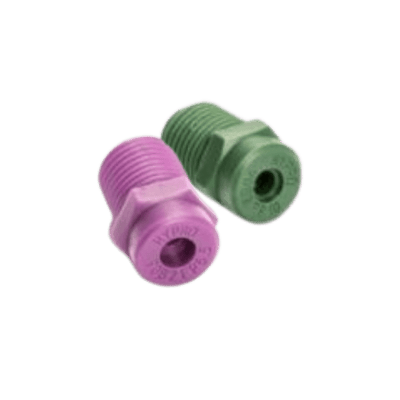
- Using pressure washer tips that produce too much force on delicate surfaces.
- Using poor-quality hoses or fittings that are not suitable for the chemical being used.
- Applying chemicals in windy conditions with no overspray control.
- Using pumps that are incompatible with the product.
- Not flushing equipment after use.
- Working at height unnecessarily instead of using appropriate low-level application tools where suitable.
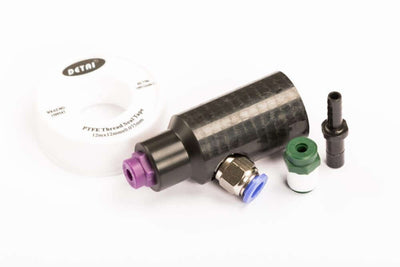
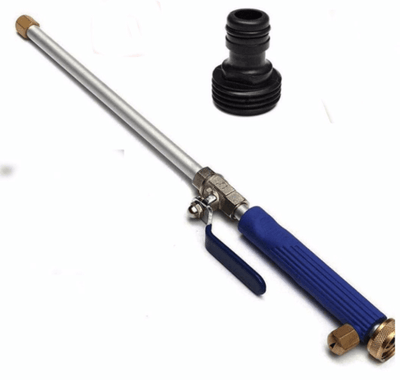
Contractors who want to improve consistency should review their set-up carefully. SoftWash UK’s range of soft washing equipment includes tools designed for controlled exterior chemical application, which can help reduce wasted product, overspray and poor results when used correctly.
7. Poor Plant and Property Protection
Plant damage is one of the most common complaints after poor softwash work. New contractors can underestimate how easily overspray, run-off or residue can affect lawns, shrubs, climbing plants, ponds and planted beds.
Good plant protection is not complicated, but it must be done consistently. Pre-wetting, controlled application, covering sensitive areas where appropriate, diverting run-off and post-rinsing can make a significant difference. Customers notice when a contractor takes care of their property.
Practical plant protection sequence
- Identify sensitive planting, ponds, lawns and drainage routes during the survey.
- Explain the protection plan to the customer before starting.
- Pre-wet surrounding vegetation where appropriate.
- Use controlled application rather than spraying freely.
- Manage run-off from walls, roofs, gutters and downpipes.
- Rinse surrounding areas after treatment where required.
- Check the site again before leaving.
This is particularly important on rendered homes with narrow borders, commercial courtyards with planted beds, schools, care homes and public-facing sites where expectations are high.
8. Promising Instant Results on Every Surface
Softwashing often gives visible improvement quickly, but not every job looks perfect the same day. Some treatments continue working over time, especially where biological growth is deep-rooted or porous surfaces are involved.
New contractors sometimes overpromise because they want to win the work. This creates unnecessary disputes. It is better to explain the likely cleaning process honestly.
Set expectations clearly
- Explain whether the result is expected immediately or over several days or weeks.
- State whether staining may improve gradually after treatment.
- Discuss limitations caused by damaged coatings, failed render or historic staining.
- Use before-and-after photos from similar surfaces, not unrealistic examples.
- Put key expectations in writing for commercial or higher-value jobs.
Experienced contractors know that communication is part of the cleaning process. If a customer understands what is happening and why, they are far less likely to assume something has gone wrong.
9. Cleaning Without Considering the Weather
Weather has a major effect on softwashing. Wind increases overspray risk. Heavy rain can dilute or remove products before they have had suitable dwell time. Hot sun can dry chemicals too quickly and increase surface stress. Freezing conditions bring obvious slip and safety issues.
New contractors often book work too tightly and then feel pressured to continue in unsuitable conditions. That can lead to poor results or unsafe decisions.
Weather factors to check before starting
- Wind direction and speed.
- Expected rainfall during and after application.
- Surface temperature, not just air temperature.
- Direct sunlight and rapid drying risk.
- Frost, ice or slippery access routes.
- Nearby vehicles, open windows or public areas affected by drift.
On live commercial sites, it may be safer to reschedule than to push ahead. A professional contractor is judged not only by the finished clean, but by their judgement when conditions are not right.
10. Ignoring the Business Side of Softwashing
Technical mistakes are not the only issue. New softwash contractors also struggle with quoting, scope control, documentation, customer communication and aftercare. These business habits determine whether softwashing becomes profitable or stressful.
Common business mistakes
- Quoting too low because chemical, fuel, travel, set-up and protection time were not calculated.
- Failing to charge for access equipment or extra site controls.
- Not explaining what is included and excluded.
- Skipping written acceptance for higher-risk work.
- Not taking photos before and after the job.
- Failing to provide aftercare advice where relevant.
A good quote should describe the surface, the proposed method, likely outcome, exclusions, access assumptions and safety requirements. This protects both parties and makes the contractor look more professional.
A Step-by-Step Approach for New Softwash Contractors
If you are new to softwashing, use a repeatable process. It reduces mistakes and helps you produce consistent results across domestic, commercial and facilities management work.
- Survey the site: Identify surfaces, staining, access, drainage, plants, public areas and site risks.
- Diagnose the issue: Decide whether the problem is organic growth, pollution, rust, oil, mineral staining or coating failure.
- Select the method: Choose softwashing, pressure washing, steam cleaning, spot treatment or a staged approach as appropriate.
- Check documentation: Review product labels, SDS information, COSHH requirements, RAMS and customer expectations.
- Prepare the site: Set exclusion zones, protect plants, move vehicles, close windows and confirm water access.
- Test where needed: Carry out a small test patch on sensitive or unfamiliar surfaces.
- Apply carefully: Use controlled low-pressure application and avoid unnecessary overspray.
- Allow suitable dwell time: Do not rush the process, but do not allow products to dry where that is unsuitable.
- Rinse or leave as specified: Follow the correct method for the product and surface.
- Inspect and record: Photograph results, note any follow-up requirements and give aftercare advice.
Softwashing Myths New Contractors Should Avoid
Myth 1: “Stronger chemical always means a better clean”
Not true. Stronger can mean higher risk, more damage, greater run-off concerns and unnecessary cost. The correct product, dilution, dwell time and method matter more than brute strength.
Myth 2: “If it is exterior dirt, softwashing will remove it”
Softwashing is mainly used for organic contamination and certain exterior cleaning tasks. Rust, oil, efflorescence, paint failure and mineral staining may need different treatments.
Myth 3: “Training is only for complete beginners”
Many avoidable mistakes are made by experienced pressure washing contractors who move into softwashing without understanding chemistry, surface compatibility and compliance. Training can shorten the learning curve and reduce costly errors.
Myth 4: “Customers only care about the final result”
Customers also care about communication, property protection, punctuality, safety and professionalism. Facilities managers in particular will judge the process as much as the appearance of the cleaned surface.
When New Contractors Should Seek Further Guidance
You should seek further guidance before taking on high-risk or unfamiliar work, especially on listed buildings, large commercial sites, fragile render systems, steep roofs, public-access areas, schools, hospitals, care homes and sites near watercourses.
The SoftWash UK Knowledge Hub is a useful starting point for contractors who want to build a stronger understanding of responsible softwashing, surface cleaning methods and industry best practice. Ongoing education is one of the simplest ways to avoid preventable mistakes and improve the quality of your work.
Frequently Asked Questions
What is the biggest mistake new softwash contractors make?
The biggest mistake is treating softwashing as a simple spray-and-go service. Successful softwashing requires proper surface diagnosis, suitable chemistry, controlled application, safety planning and clear customer communication.
Do I need training to start softwashing?
Training is strongly recommended, especially if you are handling professional chemicals, working around the public or quoting commercial work. Training helps contractors understand safety, compliance, product selection, equipment use and practical cleaning methods.
Can softwashing damage surfaces?
Yes, if the wrong product, strength, dwell time or application method is used. Damage can also occur if the surface is already failing, porous, poorly painted or unsuitable for treatment. Always inspect, test where necessary and follow product guidance.
Is softwashing safe around plants?
Softwashing can be carried out responsibly around plants when proper protection is used. This may include pre-wetting, shielding, controlled application, run-off management and post-rinsing. Poor plant protection is a common sign of inexperienced work.
Should softwashing be rinsed off?
It depends on the product, surface, contamination and manufacturer guidance. Some treatments are rinsed after dwell time, while others may be left to continue working where appropriate. Always follow the specific product instructions and site requirements.
How can new contractors look more professional to commercial clients?
Provide clear quotations, RAMS, COSHH information, SDS documents, insurance details, before-and-after photos and realistic expectations. Commercial clients want safe, predictable, well-documented work, not just a lower price.
Conclusion: Professional Softwashing Is About Control, Not Guesswork
Most softwashing problems come from rushing the job, guessing the chemical approach or failing to control the site properly. New contractors who take time to survey, test, document, protect and communicate will produce better results and build a stronger reputation.
Softwashing can be an excellent service for UK exterior cleaning businesses and property maintenance teams, but it must be done responsibly. The best contractors understand the relationship between surface type, organic growth, chemistry, equipment, dwell time, weather, safety and customer expectations.
If you want to improve your softwashing knowledge, reduce avoidable mistakes and work with suitable professional products, explore SoftWash UK’s training, chemicals, equipment and educational resources. Start with the Knowledge Hub, review the right products for your application, and consider formal softwash training before taking on higher-risk work. A careful, informed approach will protect your customers, your business and the surfaces you are trusted to clean.