Why Application Methods Matter in Softwashing and Exterior Cleaning
Application methods matter because the way a cleaning solution is delivered often determines the quality of the result, the safety of the job, the amount of chemical used, and the risk of damage to the surface or surrounding environment. In professional softwashing and exterior cleaning, the chemical is only part of the process. The pressure, flow rate, dwell time, coverage, agitation, rinsing method and operator control are just as important.
For UK exterior cleaning contractors, facilities managers, property maintenance teams and serious DIY users, choosing the right application method can mean the difference between a clean, controlled, profitable job and one that causes streaking, overspray, plant damage, poor dwell time, unnecessary retreatment or even surface damage.
In simple terms: the right product applied in the wrong way can fail. The right product applied correctly can clean more evenly, work more safely and deliver longer-lasting results.
What Do We Mean by “Application Method”?
An application method is the practical way a cleaning solution, biocide, surfactant, pre-treatment or stain remover is delivered onto a surface. In exterior cleaning, this may involve a dedicated softwash pump, a water-fed pole system, a chemical injector, a backpack sprayer, a low-pressure trolley system, a brush, roller, foam applicator or a controlled manual application.
The correct method depends on several factors:
- The surface being cleaned, such as render, roof tiles, cladding, timber, stone, tarmac, block paving or UPVC.
- The type of soiling, including algae, lichen, moss, black staining, traffic film, oil, rust, tannin or organic growth.
- The chemical being used and its required contact time.
- The height and access limitations of the building.
- Weather conditions, especially wind, rain, temperature and direct sunlight.
- Proximity to plants, ponds, vehicles, windows, metals and public areas.
- Whether the job requires softwashing, pressure washing, pre-treatment, post-treatment or spot treatment.
Professional contractors usually build their application method around the surface and risk profile first, then select the most suitable chemical and equipment. This is a far safer and more reliable approach than simply using the same sprayer or lance on every job.
Why Application Method Has Such a Big Impact on Results
1. Coverage Determines Cleaning Performance
Softwashing relies on controlled chemical contact. If a cleaning solution is sprayed too lightly, applied unevenly or allowed to run off before it has worked, the result will often be patchy. This is particularly common on rough render, textured concrete, porous stone and heavily colonised roof tiles.
Good coverage means the solution reaches the contamination, wets it evenly and remains in place long enough to work. On vertical surfaces, using the right surfactant can help reduce rapid run-off and improve dwell time. For example, a professional surfactant such as Clever Wash Surfactant can help improve cling and visibility when applying softwash solutions, especially on render, cladding and other vertical surfaces.
2. Pressure Affects Surface Safety
One of the biggest mistakes in exterior cleaning is treating pressure as the main cleaning tool. High pressure can be useful for certain hard surfaces when used correctly, but it can also scar render, blow pointing, strip coatings, drive water behind cladding, damage roof tiles and force contamination deeper into porous materials.
Softwashing works differently. It uses suitably selected chemicals applied at low pressure to treat organic growth and staining without relying on aggressive force. The application method should support that principle. A controlled low-pressure spray pattern is usually safer and more effective than blasting the surface and hoping the pressure solves the problem.
3. Dwell Time Depends on How the Product Is Applied
Dwell time is the period a product remains active on the surface before rinsing, reapplication or natural weathering. If the product is applied too thinly, in strong sunlight, on a very dry surface, or with too much run-off, the dwell time may be too short.
On real jobs, this often shows as uneven results. One shaded elevation cleans well, while the sunny side dries too quickly. One side of a roof responds properly, while the area hit by wind receives poor coverage. Experienced operators adapt the application method to the conditions, not just the label instructions.
4. Application Method Controls Chemical Use and Profitability
Poor application wastes chemical. Overspray, excessive run-off, over-application and uncontrolled flow rates all increase cost and risk. For contractors, this directly affects profit margins. For facilities managers, it affects budget control and site safety.
A professional system is not necessarily the one that applies the most product. It is the one that applies the correct amount in the right place, at the right concentration, for the right dwell time.
5. The Method Influences Compliance and Risk
Application is also a safety and compliance issue. Chemical drift, uncontrolled run-off, poor exclusion zones and unsuitable access methods can create legal and environmental problems. In the UK, contractors should be working with suitable risk assessments, method statements, COSHH information and safe systems of work.
For businesses that need structured documentation, the Risk Assessment and Method Statement Pack for Exterior Cleaning can help contractors formalise safer working procedures and demonstrate professionalism on commercial sites.
Common Application Methods in Softwashing and Exterior Cleaning
There is no single best application method for every job. The table below gives a practical comparison of common methods used by UK contractors.
| Application Method | Best Used For | Main Advantages | Key Limitations |
|---|---|---|---|
| Dedicated softwash pump system | Render, roofs, cladding, large walls, commercial exterior cleaning | Good flow, controlled low pressure, suitable for larger areas | Requires training, careful calibration and chemical-safe components |
| Chemical injector or dosing system | Controlled dosing of softwash solutions or biocides | Improves consistency and reduces manual mixing errors | Must be compatible with product type and flow requirements |
| Water-fed pole application | Upper elevations, fascias, soffits, cladding and awkward access areas | Improves reach from ground level and reduces ladder use | Flow rate and spray control must be managed carefully |
| Backpack or handheld sprayer | Small areas, spot treatments, test patches, detail work | Portable and precise for small jobs | Slow for larger areas and often inconsistent on big surfaces |
| Brush, roller or manual application | Timber, delicate areas, stain treatments, controlled edges | Excellent control and reduced overspray | Labour-intensive and unsuitable for large high-level areas |
| Foam or thickened application | Vertical surfaces, targeted treatment, sensitive surroundings | Improves cling and operator visibility | May need specific equipment and correct surfactant selection |
Matching the Application Method to the Surface
Render and Painted Masonry
Render is one of the clearest examples of why application method matters. Modern renders can be easily marked by excessive pressure, and organic staining may sit within the surface texture rather than simply on top of it.
For render, low-pressure application with even coverage is usually preferred. The operator should avoid heavy flooding, streaky spray patterns and aggressive pressure washing. A fan pattern is often more controlled than a narrow jet. Surfactant use can help the solution hold on the elevation rather than immediately running down the wall.
Practical tip: work from the bottom upwards when applying to vertical render to reduce heavy run marks, then manage dwell time carefully and rinse where required according to the product instructions and site conditions.
Roofs
Roof cleaning is high-risk because of access, fragile surfaces, run-off control, gutters, nearby planting and public safety. Application method is critical. Heavy pressure washing can damage tiles, remove surface finishes and create large volumes of contaminated run-off. In many cases, a softwash or biocidal treatment applied at low pressure is more appropriate, especially after safe moss removal where required.
Products such as Clean Guard Pro may be used as part of a roof cleaning or moss treatment process, but the result depends heavily on correct application rate, coverage, dwell time and weather conditions. Roof work should always include a site-specific risk assessment, safe access planning and protection of drainage routes, plants and sensitive materials.
Cladding and Commercial Buildings
On commercial cladding, the main challenge is often access and consistent coverage over large elevations. Uneven application can leave visible bands, particularly where algae staining follows weather lines or panel overlaps. Water-fed application systems and low-pressure pumps can be useful, provided the operator controls overspray and avoids driving water into joints or vents.
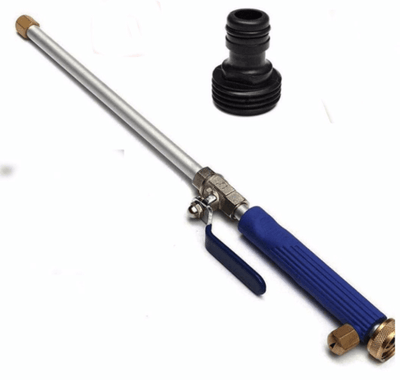
A water-fed pole softwash nozzle can help apply solution from ground level or safer access positions, reducing the need for ladders in suitable circumstances. However, reach does not remove the need for exclusion zones, wind assessment and careful control of chemical drift.
Driveways, Patios and Hard Landscaping
Hard surfaces often involve a mixture of methods. A driveway may need pre-treatment, mechanical cleaning, targeted stain removal and a post-treatment. Oil stains, rust marks and organic growth all behave differently, so applying one product in one way across the entire surface is rarely best practice.
For block paving, excessive pressure can remove too much jointing sand. For natural stone, the wrong chemical or strong pressure may cause etching or colour change. For tarmac, aggressive cleaning can damage the binder. A test patch and a surface-specific approach are essential.
Timber and Decking
Timber requires restraint. Over-pressure can fur the grain, leave wand marks and shorten the life of the surface. Manual application, low-pressure spraying and gentle brushing are often more appropriate than aggressive washing. The method should support cleaning without saturating or damaging the timber.
Step-by-Step: Choosing the Right Application Method
The following process is a practical framework used by experienced exterior cleaning professionals before choosing how to apply a product.
- Identify the surface. Confirm whether you are dealing with render, brick, stone, concrete, roof tile, timber, metal cladding, UPVC or coated surfaces.
- Identify the contamination. Organic growth, atmospheric soiling, oil, rust, lead staining and tannin may all need different treatments.
- Check sensitivity. Look for oxidised paint, poor pointing, cracked render, fragile roof tiles, soft stone, delicate coatings or nearby metals.
- Assess the site risks. Consider access, public areas, wind direction, drainage, plants, ponds, vehicles, neighbouring property and electrical fixtures.
- Select the product. Choose a chemical suitable for the surface and contamination, following the manufacturer’s instructions and safety data.
- Choose the delivery system. Decide whether a pump, injector, water-fed pole, sprayer, brush, roller or foam application is most appropriate.
- Carry out a test patch. Always test in a discreet area, particularly on delicate, coloured, coated or previously treated surfaces.
- Control the application. Apply evenly, avoid overspray, monitor run-off and adjust flow rate or nozzle type if coverage is poor.
- Manage dwell time. Do not allow products to dry too quickly unless the system is designed for leave-on treatment. Reapply or rinse as required by instructions.
- Review the result. Check for missed areas, streaking, reactivity, staining or areas needing a second controlled application.
Contractors who want to build competence in these decisions can benefit from structured professional education. The Soft Wash Training Course covers practical cleaning methods, chemical handling, equipment selection and safer working practices for those looking to improve consistency and reduce costly mistakes.
Equipment Choice: Why Nozzles, Pumps and Injectors Matter
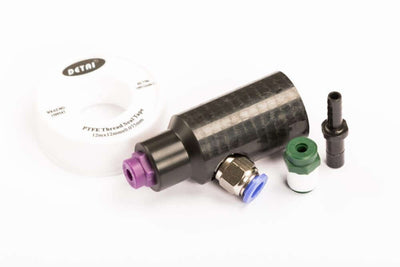
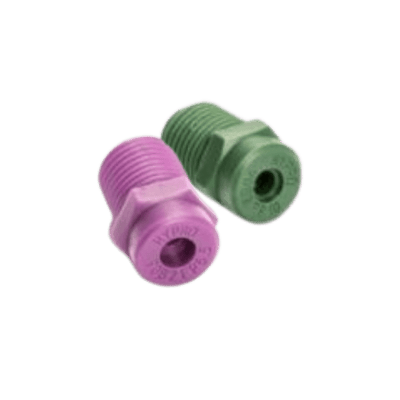
Two operators can use the same product and get very different results if they use different equipment. Nozzle choice affects droplet size, spray width, reach and overspray. Pump choice affects flow rate and pressure. Hose diameter affects delivery. Injectors affect dilution accuracy.
For larger professional setups, consistent dosing can be extremely useful. Equipment such as the Clever Injector Dosatron can help contractors apply solutions more consistently when the system is set up correctly and used within its intended operating range.
When reviewing soft washing equipment, contractors should think beyond price and look at chemical compatibility, serviceability, flow control, nozzle options, operator training and the type of work they carry out most often.
Chemical Application: More Is Not Always Better
A common misconception is that stronger chemical or heavier application always gives a better clean. In practice, over-application can lead to unnecessary cost, increased surface risk, stronger odour, more run-off and greater environmental responsibility.
Professional results come from matching concentration, dwell time and application method. A lower-strength solution applied evenly with the correct dwell time may outperform a stronger mix sprayed badly. This is particularly true on porous surfaces, vertical elevations and areas with heavy organic growth.
SoftWash UK supplies a range of professional softwash chemicals, but whichever product is selected, it should be used responsibly, in line with the label, safety data sheet and site-specific risk assessment.
Common Mistakes and Myths About Application Methods
Myth 1: “The Chemical Does All the Work”
Chemistry matters, but application controls how that chemistry reaches the contamination. Poor coverage, insufficient dwell time or rapid drying can make a good product perform badly.
Myth 2: “High Pressure Is Faster”
High pressure may appear faster in the moment, but it can create damage, mess, water ingress and extra reinstatement work. On render, roofs and delicate stone, low-pressure chemical application is often safer and more efficient overall.
Myth 3: “Any Sprayer Will Do”
Not all sprayers are suitable for all chemicals. Seals, hoses, pumps and fittings must be compatible with the products used. Incorrect equipment can fail prematurely or create leaks and exposure risks.
Myth 4: “If It Looks Wet, It Has Enough Product”
A wet surface is not always an evenly treated surface. Watch for shadowing, dry spots, wind drift, beading, rapid run-off and areas hidden by texture. Good lighting and a visible spray pattern help the operator judge coverage more accurately.
Myth 5: “One Method Works on Every Job”
Exterior cleaning is rarely that simple. A property may have render, sandstone, timber, painted metal, glass, lead flashing and planted borders all within the same work area. The method should change as the risk changes.
Safety and Best Practice Notes for UK Operators
Application methods are directly linked to safety. Before applying any chemical outdoors, contractors and competent DIY users should consider the following:
- Read the product label and safety data sheet before use.
- Wear appropriate PPE, including eye protection, gloves and suitable clothing.
- Prepare a suitable risk assessment and method statement for the task.
- Use COSHH information and store chemicals safely.
- Protect plants, ponds, metals, painted surfaces and sensitive materials.
- Control public access using signage, barriers or exclusion zones where required.
- Check weather conditions, especially wind speed and the risk of rain.
- Prevent uncontrolled run-off entering sensitive drainage or watercourses.
- Use safe access methods and avoid working at height without proper planning.
- Rinse, neutralise or contain as required by the product instructions and site conditions.
For contractors working on domestic and commercial sites, good documentation is not just paperwork. It helps standardise safe processes, protect staff and reassure clients. SoftWash UK’s educational resources, including the Softwashing Knowledge Hub, are useful for building a deeper understanding of responsible exterior cleaning methods.
Practical Examples: How Method Changes the Outcome
Example 1: Algae-Stained Render on a Housing Development
A contractor treating a large rendered elevation with a narrow jet may create striping because the spray pattern overlaps inconsistently. Switching to a controlled fan pattern, adding a suitable surfactant and applying in planned sections can produce a more even result with less chemical waste.
Example 2: Commercial Cladding Near a Car Park
On a windy day, high-level spraying can drift onto vehicles and pedestrians. A better method may involve rescheduling for calmer conditions, using a more controlled nozzle, working in smaller sections and introducing exclusion zones. The right application method reduces complaints and liability.
Example 3: Roof Treatment Above Sensitive Planting
A roof treatment applied without gutter control or plant protection can create run-off issues. A responsible method includes pre-wetting plants, diverting or collecting run-off where appropriate, controlling application rate and using trained operators who understand the product and site risks.
How to Improve Application Consistency Across a Team
For cleaning companies and facilities teams, consistency is often the hardest part. One experienced operator may achieve excellent results, while a less experienced team member over-applies, under-applies or uses the wrong nozzle.
To improve consistency:
- Create method statements for common job types, such as render cleaning, roof treatment and cladding washing.
- Standardise equipment setups where possible.
- Label chemical containers and dilution procedures clearly.
- Train staff on dwell time, spray patterns and surface sensitivity.
- Photograph test patches and agreed finish levels.
- Record weather conditions and product use on larger jobs.
- Review failed or uneven jobs as training opportunities.
This is where professional training pays for itself. It reduces guesswork, improves safety and helps staff understand why the method matters rather than simply following instructions without context.
FAQ: Why Application Methods Matter
What is the best application method for softwashing?
The best application method depends on the surface, contamination, chemical, access and site risks. For many professional softwashing jobs, a controlled low-pressure pump system or suitable water-fed pole setup is preferred because it gives even coverage without relying on damaging high pressure.
Can I use a pressure washer to apply softwash chemicals?
Some systems use injectors with pressure washing equipment, but chemicals must only be applied through compatible equipment and at suitable pressures. High-pressure application can increase drift, damage surfaces and reduce control. Always check equipment compatibility and product instructions.
Why do softwash results sometimes look patchy?
Patchy results are often caused by uneven application, poor dwell time, rapid drying, incorrect dilution, missed areas, contaminated surfaces or unsuitable weather conditions. A test patch, correct nozzle selection and controlled section-by-section application can reduce this risk.
Does using more chemical improve the result?
Not necessarily. More chemical can increase cost and risk without improving the clean. Correct concentration, even coverage and adequate dwell time are usually more important than simply applying more product.
What application method is safest for render?
Render is usually best approached with low-pressure application, even coverage and careful dwell time management. Avoid aggressive pressure washing unless the system, pressure and surface suitability have been properly assessed.
Do I need training to apply softwash chemicals professionally?
Training is strongly recommended for professional contractors. It helps operators understand chemical safety, dilution, equipment choice, dwell time, surface compatibility, risk assessment and UK best practice. It also helps reduce costly damage and inconsistent results.
Conclusion: Better Application Creates Better Cleaning
Application methods matter because exterior cleaning is not just about what product you use. It is about how that product is delivered, controlled and managed on a real site with real surfaces, weather, access challenges and safety risks.
The best contractors understand that pressure, flow, nozzle choice, dwell time, surfactant use, surface sensitivity and site protection all work together. They do not rely on one method for every job. They assess, test, apply, monitor and adjust.
For UK exterior cleaning professionals, property maintenance teams and serious DIY users, improving application methods is one of the fastest ways to achieve safer, cleaner and more consistent results.
If you want to improve your softwashing knowledge, upgrade your equipment or choose more suitable professional products, visit SoftWash UK. SoftWash UK supplies professional softwashing chemicals, equipment, training and educational resources to help you work more safely, responsibly and effectively.