Why Moss Keeps Coming Back After Roof Cleaning
Moss keeps coming back after roof cleaning because the original clean has usually removed the visible growth but not corrected the conditions that allowed moss to establish in the first place. Spores remain in the surrounding environment, moisture sits on the roof, debris collects in laps and gutters, and shaded tiles stay damp for long periods. If the roof is only scraped or pressure washed without a suitable post-clean treatment and maintenance plan, regrowth is highly likely.
For UK exterior cleaning contractors, property maintenance professionals, facilities managers and serious DIY users, the key point is simple: roof moss control is not just about making the roof look clean on the day. It is about removing biomass safely, treating remaining organic contamination, managing water retention and setting realistic expectations for long-term maintenance.
This article explains why moss returns, how to reduce regrowth, which roof cleaning methods help or hinder results, and what professional best practice looks like on UK roofs.
The Short Answer: Moss Returns When the Cause Has Not Been Dealt With
Moss is a symptom of a roof environment that holds moisture. Cleaning removes the symptom, but if the underlying conditions remain, the roof will slowly recolonise.
The most common reasons moss comes back after roof cleaning are:
- The roof was mechanically cleaned but not treated with a suitable biocide.
- Moss spores were left in tile pores, laps, cracks and overlaps.
- The roof remains shaded by trees, neighbouring buildings or its own orientation.
- Gutters and valleys still retain leaf litter, silt and organic debris.
- Porous or weathered tiles continue to absorb and hold moisture.
- Pressure washing spread spores or damaged tile surfaces.
- No planned maintenance treatment was put in place after the clean.
If you want a deeper understanding of the biology and site conditions involved, the SoftWash UK Knowledge Centre has a useful guide on moss on roof tiles, which explains the common causes of moss growth on UK roofing materials.
Understanding Moss Regrowth on Roofs
Moss Spreads by Spores
Moss does not need seeds like a typical garden plant. It spreads through fine spores that are carried by wind, birds, rain splash and surrounding vegetation. Even after a roof is cleaned, spores are still present in the wider environment. A roof near trees, woodland, hedges or damp open ground will usually recolonise faster than an exposed, sunny roof.
This is why contractors should avoid promising that moss will “never come back”. A better and more professional explanation is that a correct clean and treatment process can significantly slow regrowth, improve appearance and reduce moss-related maintenance issues.
Moss Likes Damp, Shaded Surfaces
In the UK, many roofs stay damp for long periods due to rainfall, low winter sun, north-facing elevations and shaded roof planes. Moss thrives where tiles do not dry quickly.
Common high-risk areas include:
- North-facing roof slopes.
- Roofs beneath overhanging trees.
- Valleys, dormer returns and areas behind chimneys.
- Lower sections of roofs where debris collects.
- Areas around blocked gutters or poor drainage routes.
- Older clay, concrete or cementitious tiles with a rough surface profile.
In practice, two identical homes on the same street can behave very differently. The roof facing the prevailing weather and shaded by trees may need maintenance far sooner than the sunny roof on the opposite side of the road.
Tile Condition Matters
Older roof tiles often become more porous and textured over time. Concrete tiles can lose surface coating, clay tiles can become weathered, and cement-based surfaces can hold microscopic organic matter. This gives moss a better anchor point.
When assessing a roof, contractors should look beyond the moss itself. Tile age, surface condition, previous cleaning damage, failing mortar, cracked tiles and poor drainage all influence how quickly moss can return.
Mechanical Removal Alone Is Often Not Enough
Many roofs are cleaned by scraping, brushing or pressure washing. These methods can remove heavy moss, but they rarely neutralise all remaining biological contamination.
Scraping can leave fine moss fragments and spores in tile pores and under laps. Pressure washing may remove more visible contamination, but it can also drive water under tiles, disturb pointing, damage tile surfaces and spread spores across adjacent areas if not carried out with proper controls.
For this reason, professional roof cleaning is usually a process rather than a single action. In many cases, the best approach is controlled moss removal followed by a suitable biocidal treatment that continues to work after the visible clean has been completed. SoftWash UK’s Knowledge Centre article on roof moss removal explains when moss should be removed before a treatment is applied.
Common Reasons Moss Comes Back After Roof Cleaning
| Reason for regrowth | What happens in practice | How to reduce the risk |
|---|---|---|
| No post-clean treatment | Visible moss is removed, but spores and residues remain active. | Apply an appropriate biocidal roof treatment after removal, following label directions and safety guidance. |
| Shaded roof areas | Tiles stay damp, especially in winter and on north-facing slopes. | Manage overhanging branches where possible and plan periodic maintenance treatments. |
| Blocked gutters and valleys | Organic debris holds moisture and feeds new growth. | Clear gutters, valleys and drainage routes as part of the roof maintenance programme. |
| Porous or damaged tiles | Rough tile surfaces hold moisture and give moss an anchor point. | Inspect the roof condition before cleaning and avoid aggressive methods that worsen the surface. |
| Pressure washing damage | Surface erosion can make regrowth faster and may increase water ingress risk. | Use low-pressure, controlled methods where appropriate and understand tile limitations. |
| No maintenance plan | The roof is left untreated for years until moss becomes heavy again. | Schedule inspections and light maintenance treatments before growth becomes established. |
The Difference Between Cleaning, Treating and Maintaining a Roof
A common issue in the industry is that customers use the phrase “roof cleaning” to mean several different things. Contractors and facilities managers need to be clear about the difference between cleaning, treatment and maintenance.
Roof Cleaning
Roof cleaning usually means removing visible moss, algae, lichen, dirt and organic debris. This may involve hand scraping, brushing, vacuum-assisted removal, access equipment and careful debris control. Cleaning improves appearance and reduces the immediate load on gutters and drainage systems.
For a broader overview of methods, risks and professional decision-making, see SoftWash UK’s guide to roof cleaning advice.
Roof Treatment
Roof treatment is the application of a suitable cleaning or biocidal product to target remaining organic contamination. Depending on the product and method, treatment may continue working over time, helping to reduce residual staining and delay recolonisation.
Products such as Clean Guard Pro are used by professionals as part of a controlled roof moss management process where appropriate. For contractors handling professional biocides, product selection, dilution, dwell time, runoff control and surface suitability must all be assessed before use.
Roof Maintenance
Maintenance is the planned follow-up that helps prevent the roof returning to a heavy moss condition. This may include visual inspections, gutter clearance, localised debris removal and periodic retreatment. On commercial sites, schools, care homes, housing associations and managed estates, a maintenance approach is usually more cost-effective than allowing heavy growth to return.
Why Pressure Washing Can Make Moss Problems Worse
Pressure washing is sometimes used for roof cleaning, but it carries real risks. On some roofs, aggressive pressure can strip surface coatings, loosen mortar, force water beneath tiles and expose a rougher substrate that organic growth can recolonise more quickly.
This does not mean every use of water pressure is automatically wrong, but it does mean method selection must be based on roof type, age, condition, access, drainage and manufacturer guidance where available. The risk is particularly high on older concrete tiles, fragile clay tiles, asbestos-containing materials and roofs with existing defects.
The concern is not only cosmetic. Poor roof cleaning can lead to leaks, tile breakage, disturbed ridge work or avoidable claims. Contractors should read the SoftWash UK Knowledge Centre article on roof tile damage before choosing an aggressive cleaning method.
Why Lichen May Remain Even When Moss Has Gone
Many people confuse moss, algae and lichen. Moss is the bulky green or brown growth that forms cushions and clumps. Lichen is often flatter, crust-like and more firmly attached to the tile surface. It can appear as white, grey, yellow, green or black patches.
Lichen can be more persistent than moss because it bonds tightly to the surface. After treatment, it may take weathering cycles to break down and release. This is why a roof can be biologically treated but still show visible lichen marks for a period afterwards.
Setting expectations is important. A contractor should explain that some treated contamination changes gradually rather than disappearing instantly. For more detail, SoftWash UK has guidance on lichen on roof tiles.
Best-Practice Process to Reduce Moss Regrowth
The following process is a practical framework for professional roof moss control. It should always be adapted to the roof type, site risks, chemical label, access method and local conditions.
Step 1: Survey the Roof and Surroundings
Before quoting or starting work, inspect the roof from a safe position. Look for:
- Tile type, age and general condition.
- Existing cracked, slipped or missing tiles.
- Fragile roof areas, skylights, conservatories and extensions.
- Tree cover, shaded areas and north-facing roof planes.
- Blocked gutters, valleys and downpipes.
- Access limitations and safe working-at-height requirements.
- Nearby ponds, planting, watercourses and sensitive areas.
This survey helps decide whether the roof is suitable for cleaning, what method is appropriate and whether specialist access equipment is required.
Step 2: Complete Risk Assessment and Method Statement
Roof cleaning and chemical treatment involve working at height, manual handling, falling debris, slips, public protection, chemical handling and environmental control. A documented RAMS process is not just paperwork; it forces the operator to think through the job properly.
For contractors building professional systems, SoftWash UK’s Risk Assessment and Method Statement pack for exterior cleaning can help structure site-specific documentation and improve consistency across teams.
Step 3: Remove Heavy Moss Safely
Where moss is thick, it usually needs to be physically removed before treatment. Leaving heavy moss in place can prevent the treatment reaching the roof surface properly and may result in large amounts of dead moss washing into gutters later.
Suitable approaches may include:
- Hand scraping with profile-matched tools.
- Controlled brushing from safe access positions.
- Debris collection and responsible disposal.
- Gutter and valley clearance after roof work.
The aim is to remove biomass without damaging the roof surface. Avoid forcing tools under laps or dislodging tiles.
Step 4: Apply an Appropriate Treatment
Once heavy moss is removed, apply a suitable treatment according to the manufacturer’s instructions, legal requirements and site controls. Professional-grade products require proper understanding of dilution, application rate, dwell time, surface compatibility, PPE and runoff management.
For some contractors, a quaternary ammonium biocide such as Soft Wash Pro 50 DDAC may form part of a roof maintenance programme where suitable and compliant. Product choice should always be based on the target growth, surface material, site risks and label guidance.
Step 5: Control Runoff and Protect the Site
Professional roof treatment is not simply a case of applying chemical and walking away. Consider what happens to the solution as it moves across the roof, into gutters and down drainage points.
Best practice includes:
- Checking downpipe routes before treatment.
- Protecting sensitive plants and surfaces where required.
- Managing overspray in windy conditions.
- Preventing uncontrolled discharge to sensitive areas.
- Using appropriate PPE and public exclusion zones.
- Following product safety data sheets and COSHH assessment requirements.
Step 6: Maintain the Roof Before Moss Becomes Heavy Again
The most effective roof moss plans are preventative. A light retreatment at the right time is usually easier, safer and more cost-effective than returning years later when moss is thick, gutters are blocked and tiles are hidden beneath organic matter.
For many UK residential and commercial roofs, inspection every 12 to 24 months is sensible. Treatment intervals vary depending on shade, local environment, roof pitch, tile condition and exposure.
Cleaning Method Comparison
| Method | Advantages | Limitations | Regrowth risk if used alone |
|---|---|---|---|
| Hand scraping | Good control, low water use, suitable for many tiled roofs when done carefully. | Labour intensive and may leave spores or fine residues behind. | Medium to high without treatment. |
| Brushing | Useful for light growth and loose debris. | Can be ineffective on established moss and may disturb fragile surfaces. | High without treatment. |
| Pressure washing | Fast visual result on some surfaces. | Risk of water ingress, surface damage, overspray and accelerated weathering. | Medium to high, especially if surface is roughened. |
| Softwashing treatment | Targets remaining organic contamination and helps slow recolonisation. | Requires correct product knowledge, safety controls and realistic expectations. | Lower when combined with good preparation and maintenance. |
| Planned maintenance | Prevents heavy build-up and improves long-term asset management. | Requires customer education and scheduled follow-up. | Lowest when consistently managed. |
Common Mistakes That Lead to Moss Returning
Mistake 1: Selling a One-Off Clean as a Permanent Cure
No roof cleaning contractor can honestly guarantee that moss will never return. Spores are naturally present in the environment. A professional service should explain expected longevity, local risk factors and maintenance options.
Mistake 2: Treating Over Heavy Moss
If a roof has thick moss cushions, treatment may not reach the tile surface properly. Dead moss can also detach later and block gutters. Heavy growth normally needs controlled removal first.
Mistake 3: Ignoring Gutters and Valleys
Organic debris in gutters, valleys and behind roof features acts like a damp compost bed. If these areas are left full, moisture remains on or near the roof and regrowth is encouraged.
Mistake 4: Using Too Much Pressure
A clean roof is not a successful roof clean if the surface has been damaged. Excessive pressure can create long-term problems that are far more expensive than moss itself.
Mistake 5: Poor Chemical Understanding
Professional softwashing chemicals must be used responsibly. More chemical is not automatically better. Incorrect dilution, poor application, unsuitable products or lack of runoff control can cause safety, environmental and surface damage issues.
Contractors who want to improve their process, chemical knowledge and safe working systems should consider formal education such as the SoftWash UK Soft Wash Training Course. Training helps reduce avoidable mistakes and supports a more professional approach to roof and exterior cleaning.
Myths About Roof Moss Regrowth
Myth: “If the roof is pressure washed, moss will not come back.”
Pressure washing can deliver a quick visual transformation, but it does not necessarily prevent regrowth. If spores remain and the roof still holds moisture, moss can return. On some roofs, aggressive washing can even make the surface more hospitable to future organic growth.
Myth: “A clean-looking roof is biologically clean.”
A roof can look clean while still containing microscopic contamination, spores and organic residues. This is why post-clean treatment is important in many professional roof moss control projects.
Myth: “Moss grows because the roof is dirty.”
Moss grows because conditions suit it: moisture, shade, rough surfaces and organic matter. Dirt can contribute, but the environment is the bigger cause.
Myth: “All roof moss treatments work instantly.”
Some treatments continue working over time. Staining, lichen and microscopic contamination may fade gradually through weathering. Contractors should explain this before work begins.
Safety and Compliance Notes for UK Roof Cleaning
Roof cleaning presents significant safety risks. Working at height remains one of the highest-risk activities in building maintenance. Whether you are a contractor, facilities manager or serious DIY user, safety must come before speed or appearance.
Key considerations include:
- Complying with the Work at Height Regulations.
- Using suitable access equipment, edge protection or scaffold where required.
- Avoiding work on fragile surfaces unless properly controlled.
- Completing COSHH assessments for chemical products.
- Using PPE specified by the product safety data sheet.
- Protecting the public, residents, staff, vehicles, pets and landscaping.
- Managing runoff and avoiding pollution of drains, ponds and watercourses.
- Checking weather conditions, especially wind and freezing temperatures.
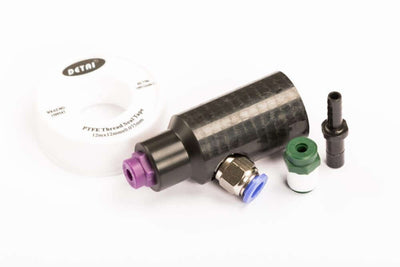
For contractors working with chemicals and roof access, professional equipment selection also matters. SoftWash UK supplies soft washing equipment designed for controlled application, helping professionals choose more suitable tools for exterior cleaning tasks rather than relying on improvised systems.
How Long Should a Roof Stay Moss-Free After Cleaning?
There is no single answer because every roof is different. A sunny, steep, exposed roof with good drainage may remain largely clear for several years. A shaded, shallow-pitched roof under trees may show early regrowth much sooner.
As a practical guide:
- High-risk roofs may need inspection and light maintenance every 12 months.
- Moderate-risk roofs may benefit from review every 18 to 24 months.
- Low-risk roofs may remain cleaner for several years after proper cleaning and treatment.
The best contractors build this into the customer conversation from the start. Rather than selling roof cleaning as a one-off miracle, present it as asset maintenance. This is especially important for facilities managers responsible for schools, industrial units, care homes, retail sites and managed residential blocks.
Practical Maintenance Plan for Contractors and Facilities Managers
A simple roof moss maintenance plan may include the following:
- Carry out an initial roof condition survey from safe access points.
- Photograph problem areas, defects, gutter issues and shaded sections.
- Remove heavy moss and debris using a roof-appropriate method.
- Clear gutters, valleys, outlets and drainage points.
- Apply a suitable post-clean treatment where appropriate.
- Record chemicals, dilutions, weather conditions and site controls used.
- Schedule a follow-up inspection after the first winter or wet season.
- Agree periodic maintenance treatment before heavy moss returns.
This approach creates better outcomes for clients and fewer repeat problems for contractors. It also improves professionalism because the work is documented, planned and based on the actual roof environment.
Frequently Asked Questions
Why does moss grow back so quickly after roof cleaning?
Moss grows back quickly when the roof is still damp, shaded and untreated. If only the visible moss was removed, spores and fine residues may remain. Blocked gutters, overhanging trees and porous tiles can also speed up regrowth.
Does roof moss need to be removed before treatment?
Heavy moss should usually be removed before treatment so the product can reach the tile surface. Treating over thick moss may reduce effectiveness and can leave dead moss to wash into gutters later. Light organic growth may sometimes be treated directly, depending on the product and site conditions.
Will softwashing stop moss coming back permanently?
No responsible contractor should claim that softwashing permanently stops moss returning. A correct softwashing process can significantly reduce remaining organic contamination and slow regrowth, but spores are always present in the environment. Maintenance is still required.
Is pressure washing a roof a bad idea?
Pressure washing can be risky on many roof types, especially older or weathered tiles. It may cause surface erosion, water ingress, damaged pointing or dislodged tiles. Each roof should be assessed individually, and lower-risk methods should be considered where appropriate.
How often should a roof be treated for moss?
Many UK roofs benefit from inspection every 12 to 24 months. Treatment frequency depends on shade, tree cover, tile condition, roof pitch, rainfall exposure and previous contamination. High-risk roofs may need more frequent maintenance than exposed sunny roofs.
Can I clean roof moss myself?
Serious DIY users should be very cautious. The main risks are working at height, fragile roof surfaces, falling debris and incorrect chemical handling. If safe access, PPE, product knowledge and runoff control cannot be properly managed, it is better to use a competent professional.
Conclusion: Moss Returns When Roof Cleaning Is Treated as a One-Off Job
Moss returning after roof cleaning is not usually a mystery. It happens because moisture, shade, spores, debris and porous roof materials continue to create the right conditions for regrowth. Mechanical cleaning alone often improves appearance but does not fully manage the biological cause.
The best results come from a professional process: assess the roof, remove heavy moss safely, protect the site, apply a suitable treatment, clear drainage routes and plan maintenance before the problem becomes severe again. For contractors and property professionals, this approach leads to better customer expectations, safer working and longer-lasting results.
SoftWash UK supports the exterior cleaning industry with professional softwashing chemicals, application equipment, training and educational resources. If you want to improve your roof cleaning knowledge, explore suitable soft wash chemicals, review equipment options or develop safer working systems, visit SoftWash UK for practical guidance and professional support.