How to Improve Productivity With Better Equipment
Improving productivity in exterior cleaning is not simply about working faster. The biggest gains usually come from using equipment that reduces set-up time, improves chemical accuracy, increases safe reach, minimises rework and allows the operator to complete more square metres with less physical effort. For UK exterior cleaning contractors, property maintenance teams, facilities managers and serious DIY users, better equipment can turn a slow, labour-heavy job into a controlled, repeatable process.
In practical terms, productivity improves when you can arrive on site, set up quickly, apply the correct cleaning method safely, rinse or leave to dwell as required, pack down efficiently and move on without unnecessary delays. The right softwashing equipment, pumps, hose management, nozzles, dosing systems, PPE, access tools and documentation all contribute to that outcome.
This article explains how to identify equipment bottlenecks, where upgrades make the biggest difference, and how professional exterior cleaners can make better purchasing decisions without wasting money on kit that does not suit their work.
What Productivity Really Means in Exterior Cleaning
Productivity is often misunderstood. It is not just the number of jobs completed in a day. In exterior cleaning, true productivity includes:
- Completing work safely and legally.
- Achieving the agreed cleaning result with minimal rework.
- Reducing manual handling, fatigue and downtime.
- Using chemicals accurately and responsibly.
- Preventing unnecessary damage to surfaces, plants, drainage systems and surrounding property.
- Improving the consistency of results across different operators.
- Protecting profit margins by reducing wasted time, fuel, water and product.
A contractor using the wrong equipment may still finish a job, but they often burn profit through slow application, repeated refilling, tangled hoses, overspray problems, poor access planning or inconsistent chemical strength. Better equipment should solve those problems, not simply look impressive on the van.
Start by Finding the Bottleneck
Before buying new kit, look at where time is actually being lost. On real exterior cleaning work, the bottleneck is rarely one single item. It is usually a chain of small inefficiencies that add up across the day.
Common Productivity Bottlenecks
- Slow filling and mixing: too many small containers, poor measuring systems or no dedicated mixing process.
- Poor hose management: short hoses, tangled lines, uncomfortable dragging and repeated repositioning.
- Incorrect nozzle selection: unsuitable spray pattern, excessive overspray, poor reach or slow coverage.
- Underpowered pumps: weak flow rates that make application slow on large areas.
- Poor chemical control: inconsistent dilution, over-application or unreliable downstream injection.
- Lack of safe access: too much ladder work or poor planning for working at height.
- Missing documentation: delays with site approval, RAMS, COSHH information or client compliance checks.
- Wrong method for the surface: pressure washing surfaces that would be more efficiently treated with softwashing, or vice versa.
A simple time study helps. Record how long your team spends on set-up, application, dwell time, rinsing, moving equipment, refilling, packing away and dealing with issues. The biggest improvement often comes from reducing non-cleaning time rather than trying to clean at unsafe speeds.
Equipment Areas That Have the Biggest Impact
Not every upgrade delivers the same return. For most exterior cleaners, the strongest productivity gains come from application equipment, dosing control, hose systems, access tools and proper safety documentation.
| Equipment Area | Productivity Benefit | Best Suited For |
|---|---|---|
| Softwash pumps and application systems | Faster, controlled application over large areas | Render, roofs, cladding, patios, commercial buildings |
| Dosing and injector systems | More consistent chemical strength and less manual mixing | Contractors handling regular chemical application |
| Hose reels and longer hose runs | Less repositioning of the van or trolley | Domestic rounds, schools, care homes, commercial sites |
| Water-fed poles and specialist nozzles | Improved reach and reduced need for ladders | Walls, gutters, soffits, fascias and high-level areas |
| Dedicated chemical storage and measuring tools | Faster set-up and reduced error | Softwashing and biocide treatments |
| RAMS and compliance resources | Quicker client approvals and safer site working | Commercial exterior cleaning and facilities management |
Choose Equipment Around the Job, Not the Other Way Round
One of the most common mistakes in the trade is buying equipment first and then trying to make every job fit that set-up. Productive operators do the opposite. They understand the type of work they do most often, then build a system around those tasks.
For Domestic Render and Wall Cleaning
Productivity depends on controlled softwash application, safe reach, clear communication with the customer and careful protection of plants, frames, metals and drainage. A compact softwash system, suitable low-pressure pump, quality hose, adjustable nozzles and suitable surfactant usage can make a major difference.
Using the right softwash surfactant can help the solution cling to vertical surfaces and improve contact time. That does not mean using more product than necessary. It means selecting the correct cleaning chemistry and applying it accurately according to site conditions, label guidance and professional best practice.
For Roof Cleaning and Moss Control
Roof cleaning productivity is strongly influenced by access planning, moss removal method, safe working at height and post-treatment application. Better equipment might include scaffold access, roof-safe tools, controlled pumps, suitable hose lengths and biocide application systems. Productivity should never come at the expense of fall prevention or safe access.
Where biocidal treatment is part of the method, understanding products such as DDAC helps contractors make informed decisions about dwell time, application technique and responsible use. Always follow product labels, safety data sheets and UK regulatory requirements.
For Commercial Sites and Facilities Management
On schools, retail parks, industrial units, hospitals, housing associations and managed estates, the biggest productivity gain is often planning. Equipment must be reliable, scalable and compatible with site controls.
Facilities managers are rarely impressed by a contractor who arrives with lots of kit but no clear method. They want safe systems of work, risk assessments, chemical information, access plans and predictable results. This is where professional documentation and repeatable equipment processes matter.
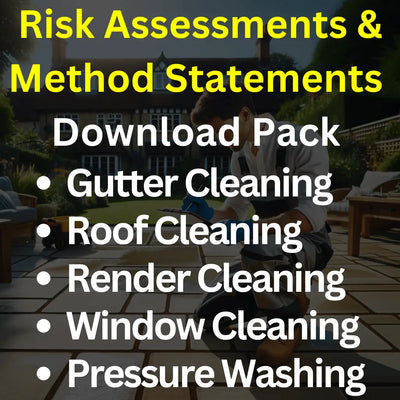
For commercial exterior cleaning, resources such as the Risk Assessment and Method Statement Pack for Exterior Cleaning can help contractors prepare more efficiently for site approval and demonstrate a more professional approach to health and safety.
Softwashing Equipment: Where Better Kit Saves Time
Softwashing is a low-pressure cleaning method that uses appropriate cleaning solutions to treat organic staining, algae, lichen, mould and biofilm on exterior surfaces. It can be highly productive when the equipment is matched to the task and the operator understands the chemistry.
If you are reviewing your current set-up, the softwashing chemistry and equipment hub is a useful educational resource for understanding the relationship between chemicals, application equipment and practical site work.
Pumps and Flow Rate
An underpowered pump slows application and can frustrate the operator. However, bigger is not always better. Excessive flow can create overspray, waste chemical and increase the risk of drift onto sensitive areas. The best pump is the one that gives controlled, practical output for your common job types.
For example, a contractor cleaning small domestic render elevations may prioritise portability and quick set-up. A contractor treating large commercial cladding elevations may need greater capacity, longer hose runs and more robust components. Productivity comes from suitability, not simply from maximum litres per minute.
Hose Length and Hose Management
Poor hose management is one of the most underestimated productivity killers. Every time an operator stops to untangle a hose, move a trolley, reposition a van or drag a heavy line across a garden, time and energy are lost.
Good hose reels, sensible hose lengths, chemical-compatible hose and planned site layout help keep work flowing. In practice, many contractors gain more usable time from better hose management than from upgrading the pump itself.
Nozzles and Application Control
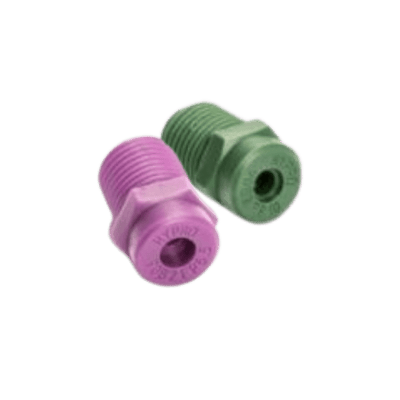
Nozzles affect coverage, reach, droplet size and overspray. The wrong nozzle can waste product, leave uneven application or increase drift risk. Better nozzle selection helps the operator apply consistent solution without rushing.
Low-pressure application should be controlled and deliberate. On delicate substrates, older render, painted surfaces, leadwork, timber and areas near planting, careful application is essential. Better equipment should make the job safer and more accurate, not more aggressive.
Dosing Systems and Chemical Accuracy
Chemical accuracy has a direct effect on productivity. If the solution is too weak for the level of organic contamination, you may need repeat applications. If it is too strong, you increase cost, risk and potential damage. Both reduce productivity.
Professional dosing and injection systems can help improve repeatability. Equipment such as the Clever Injector Dosatron may be useful for contractors who want controlled dosing as part of a more efficient softwashing set-up. As with any dosing equipment, it must be installed, calibrated, maintained and used within the manufacturer’s instructions.
Where sodium hypochlorite is used as part of a softwashing process, operators should understand both its cleaning role and its limitations. SoftWash UK’s Knowledge Centre article on sodium hypochlorite explains what it is, while the guide on how sodium hypochlorite works gives further background on its action against organic staining.
Practical Chemical Productivity Tips
- Use clear measuring containers and never guess dilution rates.
- Keep compatible labelled containers for different products.
- Check shelf life and storage conditions, especially for oxidising chemicals.
- Use surfactants only where appropriate for the surface and method.
- Keep safety data sheets available and understood by operators.
- Plan plant protection, rinsing and run-off management before application starts.
Pressure Washing Versus Softwashing: Productivity Comparison
Pressure washing and softwashing are both valuable methods, but they solve different problems. Productivity suffers when the wrong method is chosen.
| Factor | Pressure Washing | Softwashing |
|---|---|---|
| Best for | Removing loose dirt, mud, surface grime and some hard surface soiling | Treating organic growth such as algae, mould, biofilm and some staining |
| Pressure level | High pressure | Low pressure |
| Risk considerations | Surface damage, water ingress, blown render, pointing damage | Chemical handling, drift, plant protection, run-off control |
| Productivity advantage | Fast physical removal on suitable hard surfaces | Efficient treatment over larger contaminated areas with less mechanical force |
| Typical equipment focus | Pressure washer, surface cleaner, rotary nozzle, water supply | Softwash pump, dosing control, spray equipment, chemical storage, PPE |
On a block paved driveway, pressure washing with the correct surface cleaner may be highly productive. On algae-stained render, controlled softwashing is often more efficient and lower risk than blasting the surface. On many commercial sites, the best method may combine both techniques in a planned sequence.
Step-by-Step: How to Upgrade Equipment Without Wasting Money
Buying better equipment should be a planned business decision. Use the following process before investing.
- List your regular job types. Separate domestic render, roofs, patios, cladding, gutters, courtyards, paving and commercial maintenance work.
- Record where time is lost. Track set-up, application, refilling, access, rinsing, delays and rework.
- Identify the main bottleneck. Do not assume the pump is the issue if the real problem is hose management or poor site planning.
- Check safety and compliance needs. Consider working at height, chemical handling, PPE, COSHH, RAMS and environmental controls.
- Choose equipment that matches the work. Prioritise reliable kit that solves the bottleneck.
- Standardise your set-up. Keep hoses, fittings, containers, nozzles and PPE organised so every job starts the same way.
- Train operators properly. Equipment only improves productivity when the user understands the method.
- Measure the result. Compare time on site, product usage, rework, customer satisfaction and profit margin before and after the upgrade.
Better Equipment Also Means Better Organisation
A well-equipped van is not the same as an organised van. Productivity drops when operators cannot find the correct fitting, spare nozzle, gloves, labels, test strips, measuring container or safety document.
Van and Site Organisation Tips
- Keep clean water, chemical containers and waste items clearly separated.
- Use labelled storage for PPE, nozzles, fittings and repair parts.
- Carry spare seals, hose clips, trigger parts and common connectors.
- Keep paper or digital copies of RAMS, SDS and COSHH information accessible.
- Use a pre-start checklist before leaving the yard.
- Inspect hoses and fittings regularly for leaks, wear and chemical compatibility.
The most productive contractors are not necessarily the ones with the most expensive equipment. They are the ones who have repeatable systems and can prevent small issues from stopping the job.
Safety and Best Practice Notes
Productivity must never be gained by cutting corners. Exterior cleaning involves real risks, including slips, trips, falls from height, chemical exposure, plant damage, water ingress, electrical hazards and public interface risks.
Essential Safety Checks
- Carry out a site-specific risk assessment before work begins.
- Confirm the correct PPE for the product, method and site conditions.
- Read and follow product labels and safety data sheets.
- Protect plants, ponds, metals, painted surfaces and sensitive materials.
- Control access where the public, residents or staff may be present.
- Manage hoses to reduce trip hazards.
- Do not work at height without suitable training, equipment and planning.
- Prevent uncontrolled run-off entering drains, watercourses or sensitive areas.
For contractors using professional softwashing chemicals, responsible handling and application are part of the job. Better productivity comes from competence, not from stronger mixes, rushed dwell times or ignoring site protection.
Common Mistakes and Myths About Productivity Equipment
Myth 1: Bigger Equipment Always Makes You Faster
Large systems can help on big sites, but they can slow you down on small domestic work if they take too long to set up, fill, move and clean down. Match equipment size to your typical workload.
Myth 2: Stronger Chemical Means Quicker Cleaning
Over-strength application can damage surfaces, increase risk, waste product and create compliance problems. Correct chemistry, dwell time, surface assessment and application technique are more productive than simply increasing strength.
Myth 3: Training Is Less Important Than Equipment
Good equipment in untrained hands still produces poor results. Operators must understand surface types, chemical behaviour, dilution, dwell time, rinsing, plant protection and emergency procedures. Professional training reduces mistakes and helps teams work more consistently.
Myth 4: Documentation Slows the Job Down
On commercial work, poor documentation slows the job down. Proper RAMS, SDS and method statements speed up approvals, reduce uncertainty and help facilities managers trust your process.
Myth 5: One Set-Up Can Do Everything
A productive exterior cleaning business normally has a core system plus adaptable tools. The equipment required for a render clean is not always ideal for oil stain removal, timber brightening, roof treatment or commercial cladding work.
When Training Delivers More Productivity Than New Equipment
There comes a point where buying more equipment does not fix the real problem. If operators are unsure about chemical selection, application strength, dwell time, surface compatibility or site controls, training may deliver a better return than another pump or hose reel.
The SoftWash UK training course is designed to help contractors understand softwashing methods, safety thinking, equipment choices and practical application standards. For businesses trying to improve productivity, training helps create a consistent process so that equipment is used correctly rather than improvised on every job.
If you want to see how professional softwashing training is structured before committing to the full programme, you can try selected lessons from the SoftWash UK course for free. It is a useful way to preview the training and understand the standards, safety thinking and practical approach behind professional softwashing.
How Facilities Managers Can Improve Productivity With Better Contractor Equipment
Facilities managers and property maintenance professionals do not always perform the cleaning themselves, but they still benefit from understanding equipment quality. The right contractor or in-house team should be able to explain how their equipment supports safety, efficiency and predictable results.
Questions to Ask Contractors
- What method will be used and why is it suitable for this surface?
- How will chemicals be measured, applied and controlled?
- What equipment is used to minimise overspray and public risk?
- How will access be managed safely?
- What RAMS, COSHH and SDS information can be provided?
- How will plants, drainage, metals and sensitive surfaces be protected?
- How long will the job take and what factors could affect timing?
A professional answer to these questions usually indicates a more productive and lower-risk project. Vague answers often suggest the team has not properly planned the equipment, method or safety controls.
Equipment Investment Priorities for Different Users
| User Type | Best First Upgrades | Why It Helps |
|---|---|---|
| Exterior cleaning contractor | Softwash system, hose reels, dosing control, professional training | Improves output, consistency and profit across repeat work |
| Property maintenance team | Reliable low-pressure application kit, PPE, documentation, storage systems | Supports safe planned maintenance across multiple properties |
| Facilities manager | Contractor specification, RAMS requirements, method standards | Improves tender quality and reduces site disruption |
| Serious DIY user | Appropriate PPE, safe low-pressure application tools, education before chemical use | Reduces mistakes, damage and unsafe handling |
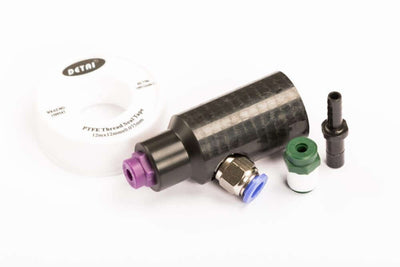
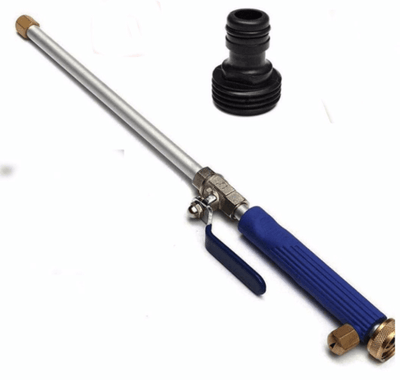
Contractors looking to review or upgrade their set-up can explore professional soft washing equipment from SoftWash UK, including equipment designed for controlled low-pressure application. The right choice depends on your workload, surface types and level of experience.
Practical Example: Where Better Equipment Changes the Day
Consider a contractor cleaning algae-contaminated render on a detached property. With a poor set-up, they may spend excessive time mixing by guesswork, moving containers, untangling hoses, climbing ladders for awkward areas and returning to retreat patches missed during application.
With a better system, the same job might be approached differently:
- The site is assessed and documented before work begins.
- Plants and sensitive materials are protected.
- The correct solution is measured and applied using controlled low pressure.
- A suitable surfactant improves contact on vertical areas where appropriate.
- Hose length allows the operator to work around the property without constant repositioning.
- Nozzle choice gives accurate coverage with reduced drift.
- The operator monitors dwell time and rinsing requirements rather than rushing.
- Pack-down is quicker because equipment has dedicated storage and a standard clean-down process.
The visible cleaning result may look similar to the client, but the second approach protects margin, reduces risk and improves consistency. That is what productive equipment should achieve.
FAQ: Improving Productivity With Better Equipment
What equipment improves productivity the most for exterior cleaning contractors?
The biggest gains usually come from better hose management, controlled softwash application equipment, reliable pumps, correct nozzles, dosing systems, safe access equipment and organised PPE and documentation. The best upgrade depends on where your current process loses the most time.
Is softwashing more productive than pressure washing?
Softwashing can be more productive for organic staining on render, roofs, cladding and similar surfaces because it treats biological growth using controlled low-pressure application. Pressure washing can be more productive on suitable hard surfaces such as paving. The right method depends on the surface, contamination and risk factors.
Should I buy a bigger pump to work faster?
Not always. A bigger pump may help on large areas, but it can also increase overspray, waste product and make control harder. Choose a pump based on the surfaces you clean, hose length, required reach and the level of control needed.
How can dosing equipment save time?
Dosing equipment can improve consistency and reduce manual mixing time when used correctly. It helps operators apply predictable solution strengths, which can reduce rework and improve job planning. It must be calibrated, maintained and used according to instructions.
Does better equipment reduce safety risks?
It can, provided it is used correctly. Better hose management reduces trip hazards, water-fed and low-pressure tools can reduce unnecessary ladder use, and controlled application equipment can reduce overspray. However, equipment does not replace risk assessment, training, PPE and safe systems of work.
Is professional training worth it if I already have equipment?
Yes, particularly if you use softwashing chemicals or work on varied surfaces. Training helps operators understand method selection, chemical safety, dilution, dwell time, surface protection and compliance. This often improves productivity more than buying extra equipment.
Conclusion: Better Equipment Should Create a Better System
Improving productivity with better equipment is about building a safer, faster and more repeatable exterior cleaning process. The goal is not to own the largest set-up or the strongest machine. The goal is to reduce wasted time, improve control, protect surfaces, use chemicals responsibly and deliver consistent results for clients.
Start by identifying your bottlenecks. Then invest in equipment that solves real problems: better application control, hose management, dosing accuracy, access safety, organised storage and compliance documentation. Combine that with proper training and you will usually see improvements in job speed, finish quality, customer confidence and profitability.
SoftWash UK supports contractors, maintenance professionals and serious DIY users with professional softwashing chemicals, equipment, training and educational resources. If you are reviewing your set-up, visit SoftWash UK to explore practical equipment options, responsible cleaning products and training designed for real-world exterior cleaning work.