How to Improve Productivity With Better Equipment in Exterior Cleaning
Better equipment improves productivity by reducing set-up time, controlling chemical application more accurately, cutting rework, improving safety and allowing operators to clean larger areas with less physical effort. For UK exterior cleaning contractors, property maintenance teams, facilities managers and serious DIY users, the biggest gains rarely come from simply “working faster”. They come from using the right pumps, hoses, nozzles, dosing systems, chemical handling methods, access tools and site organisation for the task.
In practical terms, a well-equipped softwashing or exterior cleaning set-up can help you complete more square metres per day, reduce wasted chemical, minimise manual handling, improve consistency across jobs and lower downtime caused by blocked nozzles, poor flow, tangled hoses or unsuitable application methods.
This article explains how to improve productivity with better equipment, how to identify bottlenecks in your current set-up, which upgrades usually make the biggest difference and how to balance speed with safety, compliance and professional results.
What Productivity Really Means in Exterior Cleaning
Productivity is not just how quickly you can spray a surface. In exterior cleaning, real productivity means completing work safely, consistently and profitably without unnecessary rework or delays.
A productive exterior cleaning operation usually includes:
- Fast and organised site set-up.
- Correct chemical selection and dilution.
- Controlled application with suitable nozzles and flow rates.
- Minimal walking back and forth to the van or water source.
- Reduced hose tangling, pump faults and blocked fittings.
- Safe access to elevations, render, roofs, cladding and hard surfaces.
- Accurate dwell times and effective rinsing where required.
- Clear risk assessments and method statements for repeatable working.
In the real world, productivity is often lost in small increments: five minutes untangling hose, ten minutes changing fittings, twenty minutes remixing chemical, half an hour dealing with an unsuitable nozzle pattern, then extra time returning to patchy areas. Better equipment removes these small losses before they become expensive.
Start by Finding the Bottleneck in Your Current Set-Up
Before spending money on new equipment, identify where time is actually being lost. The best upgrade is not always the biggest machine or the most expensive pump. It is the item that removes your main constraint.
Common productivity bottlenecks on site
- Slow chemical application: Low flow, poor nozzle choice or unsuitable pump capacity.
- Poor chemical cling: Product runs off too quickly, especially on render, vertical cladding or roofs.
- Too much manual handling: Carrying drums, moving machines repeatedly or lifting heavy equipment.
- Poor hose management: Kinks, tangles, leaks and excessive walking back to the vehicle.
- Inconsistent dilution: Mixing by guesswork, overdosing or underdosing, causing waste or rework.
- Unsuitable access methods: Overreliance on ladders where poles, nozzles or safer systems would be better.
- Equipment downtime: Pumps, batteries, fittings and seals not maintained or not compatible with chemicals.
- Weak workflow: No clear order of work, leading to repeat set-ups and inefficient movement around the property.
A simple way to diagnose the issue is to time a typical job from arrival to departure. Split it into set-up, pre-wet/protection, application, dwell time, rinse, clean-down and packing away. If application is quick but set-up takes too long, your van layout and hose reels may matter more than pump size. If you are revisiting patchy areas, chemical control and application equipment may be the better upgrade.
Equipment Upgrades That Make the Biggest Productivity Difference
Not every contractor needs a full van-mounted system on day one. However, there are several equipment categories that consistently improve productivity when chosen properly.
1. Application equipment and softwashing systems
For softwashing, the application system is central to productivity. A suitable pump, hose, trigger, nozzle and dosing method allow you to apply the correct volume of solution evenly and safely.
Professional-grade soft washing equipment is designed to handle the demands of exterior cleaning work, including chemical compatibility, controlled flow and practical use on domestic, commercial and facilities sites. This is particularly important when cleaning render, roofs, painted surfaces, cladding, block paving and commercial premises where consistency matters.
When assessing an application system, consider:
- Flow rate: Enough output to cover surfaces efficiently without excessive overspray.
- Pressure: Softwashing should rely on chemistry rather than high pressure on delicate surfaces.
- Chemical compatibility: Pumps, seals, hoses and fittings must be suitable for the products being used.
- Control: The operator should be able to stop, start and adjust application without wasting product.
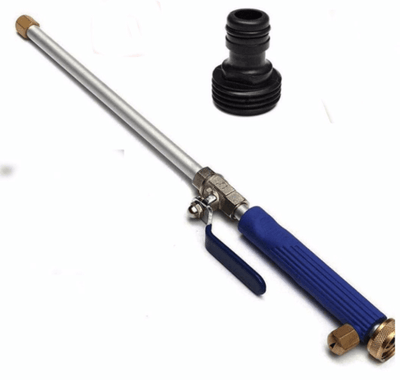
- Reach: The system should allow safe access to elevations while reducing ladder dependency.
2. Nozzles and spray patterns
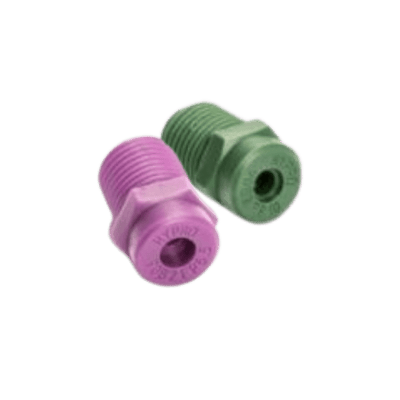
Nozzles are a small part of the set-up but have a large effect on productivity. An incorrect nozzle can waste chemical, create overspray, slow the operator down or leave patchy coverage.
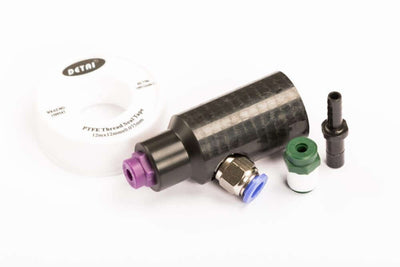
For many softwashing tasks, a controlled fan or suitable low-pressure application pattern makes it easier to coat a surface evenly. A product such as a water fed pole softwash nozzle can help operators apply softwash solution from a safer working distance when used as part of a suitable system and method statement.
In practice, nozzle selection should be matched to the surface, chemical, weather conditions and access requirements. A nozzle that works well on a small patio may be unsuitable for high-level render or a large commercial elevation.
3. Dosing and injection systems
Accurate dosing improves productivity because it reduces waste, removes guesswork and helps produce repeatable results. Overdosing can increase chemical cost and risk. Underdosing can mean slow cleaning, poor results and return visits.
Dosing equipment such as the Clever Injector Dosatron can be useful where contractors need controlled chemical injection as part of a professional softwashing set-up. The productivity benefit is not just speed; it is consistency. Repeatable dilution makes it easier to train staff, standardise methods and quote work accurately.
4. Hoses, reels and van layout
Hose management is one of the most overlooked productivity factors in exterior cleaning. A powerful pump is of limited value if the operator loses time dragging tangled hose across a site or walking back to the vehicle every few minutes.
Good hose management should:
- Allow quick deployment and pack-away.
- Reduce kinks and trip hazards.
- Prevent contamination between clean water, chemical and waste areas.
- Keep operators moving efficiently around the property.
- Protect fittings from damage in the van.
For commercial sites, facilities work and larger domestic properties, a tidy van layout can save more time than many people expect. Labelled containers, secure chemical storage, spare seals, spare nozzles, PPE and dedicated areas for clean and used equipment all reduce downtime.
5. Chemical handling and surface-specific products
Better productivity is not only about hardware. The right chemical system helps operators work faster and more consistently. If the product is wrong for the contamination or surface, even excellent equipment will not deliver efficient results.
For example, understanding sodium hypochlorite is important for contractors using oxidising softwash solutions on organic growth. It helps explain where the chemical is suitable, how it should be handled and why correct dilution and safety controls matter.
Surfactants can also improve efficiency by helping the solution spread and cling to surfaces. On vertical render, cladding or roof tiles, a suitable softwash surfactant can increase contact time and reduce premature run-off, which may improve results and reduce reapplication. This does not remove the need for correct dilution, rinsing decisions or protection of sensitive materials, but it can make the process more controlled.
Comparison: Low-Productivity Set-Up vs Professional Productive Set-Up
| Area | Low-Productivity Approach | More Productive Approach | Practical Benefit |
|---|---|---|---|
| Application | Small sprayers, inconsistent flow, frequent refilling | Suitable pump, hose and nozzle system | Faster coverage and more consistent results |
| Dilution | Manual guesswork or inconsistent mixing | Measured dilution or injection system | Less waste, fewer failures and easier staff training |
| Hose management | Loose hose, tangles and repeated walking | Organised reel system and planned work route | Reduced downtime and safer movement on site |
| Access | Unnecessary ladder use or awkward reach | Pole systems, correct nozzles and planned access | Improved safety and faster high-level application |
| Chemical performance | Wrong product, poor cling or weak dwell time | Surface-specific chemistry and suitable surfactants | Better cleaning action and less rework |
| Compliance | Informal methods and unclear documentation | Risk assessment, method statement and SDS access | More professional work and better control of risk |
A Step-by-Step Plan to Improve Productivity With Better Equipment
Step 1: Audit your current jobs
Review your last five to ten jobs. Note the type of work, surface area, set-up time, application time, dwell time, rinsing time, problems encountered and whether any areas required rework. Look for repeated delays.
Useful questions include:
- Which part of the job takes longest?
- Where do operators physically struggle?
- Which surfaces produce inconsistent results?
- Are you wasting chemical through overspray or poor run-off control?
- How often are you changing fittings, unblocking nozzles or repairing leaks?
Step 2: Match equipment to your main work type
A contractor mainly cleaning domestic render does not need exactly the same set-up as a facilities team maintaining commercial cladding or a property maintenance company cleaning roofs, gutters and hard surfaces. Match the equipment to the work you actually do, not the work you think looks impressive online.
| Work Type | Productivity Priorities | Equipment Considerations |
|---|---|---|
| Render cleaning | Even application, controlled dwell, minimal streaking | Softwash pump, suitable fan nozzles, surfactant, careful rinsing method |
| Roof cleaning and biocide treatment | Safe access, controlled application, large area coverage | Long-reach systems, appropriate pump, hose management, site exclusion zones |
| Commercial cladding | Repeatability, speed, access planning, minimal disruption | Measured dosing, pole systems, controlled nozzles, clear RAMS |
| Patios and driveways | Surface preparation, stain treatment, rinse efficiency | Pressure washing equipment, surface cleaners, targeted chemical treatments |
| Facilities maintenance | Consistency, documentation, operator training | Standardised equipment, labelled chemicals, checklists and training records |
Step 3: Upgrade the biggest constraint first
Do not upgrade everything at once unless you are building a new professional system from scratch. For many operators, the best first improvements are hose reels, better nozzles, more reliable pumps, proper chemical storage or correct training.
If your coverage is slow, focus on the application system. If results are inconsistent, look at chemical selection, dilution and surfactants. If operators are tired by midday, review manual handling, hose weight, site layout and access equipment.
Step 4: Standardise your set-up
Productivity improves when every job follows a clear system. This is especially important if more than one person works in the business.
Create a standard load-out list including:
- Pump system and hoses.
- Nozzles and spare fittings.
- Water supply connectors.
- Chemicals required for the job.
- PPE, spill kit and first aid equipment.
- Surface protection materials.
- Risk assessment and method statement.
- SDS documents where required.
- Wastewater and environmental control items where relevant.
A pre-job checklist may feel basic, but it prevents wasted journeys and reduces the chance of arriving at site without a critical fitting, nozzle or PPE item.
Step 5: Train operators to use the equipment properly
Better equipment only improves productivity if operators know how to use it correctly. A dosing system, softwash pump or specialist nozzle can create problems if the user does not understand dilution, dwell time, overspray control, surface sensitivity or chemical safety.
The SoftWash UK training course is designed to help contractors understand professional methods, equipment selection, softwashing chemistry, application techniques and safe working practices. Training can be particularly valuable when moving from simple pressure washing into chemical-based exterior cleaning, where the biggest risks often come from poor judgement rather than lack of effort.
Safety and Best Practice When Using Better Equipment
Improved productivity should never come at the expense of safety. In softwashing and exterior cleaning, faster equipment can increase the consequences of poor planning. Higher flow, longer reach and chemical application systems must be controlled properly.
Key safety considerations
- Carry out a site-specific risk assessment: Include access, slips, public areas, overspray, drainage, weather and nearby sensitive surfaces.
- Use suitable PPE: Eye protection, gloves, protective clothing and respiratory protection where required by the product and task.
- Protect people, pets and plants: Use exclusion zones, pre-wetting, rinsing and controlled application methods as appropriate.
- Control overspray: Avoid spraying in unsuitable wind conditions and use the correct nozzle pattern.
- Understand the chemical: Read the label, Safety Data Sheet and product guidance before use.
- Maintain equipment: Check hoses, fittings, seals, pumps and batteries before each job.
- Plan drainage: Do not allow uncontrolled run-off into inappropriate areas. Consider environmental responsibilities.
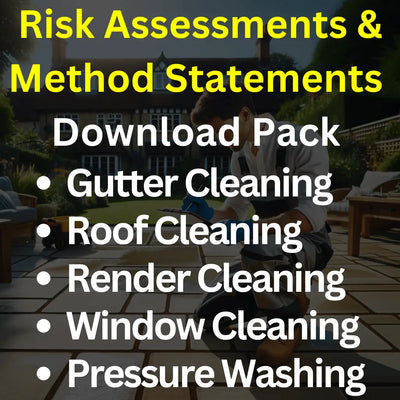
For contractors and facilities teams wanting a more formal approach to documentation, the Risk Assessment and Method Statement Pack for Exterior Cleaning can help structure safe systems of work. Good paperwork does not replace competence, but it does help turn best practice into a repeatable process.
Why Chemistry Knowledge Improves Equipment Productivity
Equipment and chemistry work together. A poor understanding of softwashing chemistry can make even good equipment inefficient. For example, if the chosen chemical is too weak for the contamination, the operator may apply repeatedly and lose time. If it is too strong or used incorrectly, there may be avoidable risk to surfaces, vegetation or users.
The SoftWash UK softwashing chemistry and equipment hub is a useful educational resource for understanding how chemicals, equipment and application methods fit together. This type of knowledge helps contractors choose equipment based on method, not guesswork.
Where sodium hypochlorite or biocides are used, contractors should understand the difference between cleaning action, sanitising action, dwell time, dilution strength, surface compatibility and post-treatment expectations. Learning how sodium hypochlorite works can help operators make better decisions about when it is appropriate and how to use it responsibly.
Common Mistakes That Reduce Productivity
Mistake 1: Buying equipment before understanding the job
It is easy to buy a large pump or impressive-looking system and still be inefficient. The correct approach is to define the work first, then choose equipment that supports that method.
Mistake 2: Confusing pressure with productivity
High pressure can be useful for some hard surface cleaning, but softwashing relies on controlled chemical application. On render, painted surfaces, roof tiles and delicate substrates, excessive pressure can cause damage and increase liability.
Mistake 3: Using one nozzle for every task
Nozzle choice affects coverage, overspray, reach, dwell time and operator control. Carrying a small selection of suitable nozzles often saves time and improves results.
Mistake 4: Ignoring van organisation
A messy van creates daily productivity losses. Operators spend time searching for parts, replacing damaged fittings and handling chemicals awkwardly. Organisation is not cosmetic; it is operational.
Mistake 5: Skipping maintenance
Pumps, batteries, hoses, reels, injectors and nozzles should be checked regularly. Preventative maintenance is usually far cheaper than downtime on a booked job.
Mistake 6: Thinking training is optional
When chemical application, access planning, public safety and surface compatibility are involved, training directly affects productivity. Skilled operators make fewer mistakes, work more confidently and achieve more consistent outcomes.
Simple Productivity Improvements You Can Make This Week
You do not need to replace your entire set-up to improve productivity. Small changes often produce immediate gains.
- Label all hoses, containers and fittings.
- Create a standard job checklist for softwashing, pressure washing and maintenance work.
- Carry spare nozzles, O-rings, trigger parts and hose connectors.
- Measure set-up and pack-away time on every job for a week.
- Reorganise your van so frequently used items are easiest to access.
- Review whether your current nozzle is causing overspray or poor coverage.
- Check whether chemical dwell time is being lost through poor surface cling.
- Update your RAMS and make sure operators understand them.
- Schedule a weekly equipment inspection rather than waiting for faults.
How to Measure the Return on Better Equipment
When considering equipment upgrades, look beyond the purchase price. A more useful question is: how much time, waste or rework will this remove?
Track these figures before and after an upgrade:
- Average set-up time per job.
- Square metres cleaned per hour.
- Litres of chemical used per square metre.
- Number of call-backs or reworked areas.
- Operator fatigue and manual handling issues.
- Equipment faults per month.
- Time spent loading and unloading.
- Time spent quoting due to uncertainty around method or output.
A piece of equipment that saves thirty minutes per job can become highly valuable over a month of regular work. Likewise, equipment that reduces chemical waste or improves first-time results can protect both margin and reputation.
Want to Build Knowledge Before Investing Further?
For contractors who want to build their knowledge before investing in full training, SoftWash UK offers a free course preview with selected lessons from the full training programme. It gives you a practical look at the teaching style, structure and professional approach used inside the course.
Frequently Asked Questions
What equipment improves productivity the most in exterior cleaning?
The most productive upgrades are usually application systems, suitable nozzles, hose reels, dosing equipment, van organisation and proper access tools. The best choice depends on your main bottleneck. For softwashing, controlled chemical application and accurate dilution often produce the biggest gains.
Is a bigger pump always better for softwashing?
No. A bigger pump is not automatically better. The pump must suit the chemical, hose length, nozzle choice, surface type and operator control required. Too much flow or poor control can increase overspray, waste product and create unnecessary risk.
How can facilities managers improve productivity in exterior cleaning teams?
Facilities managers can improve productivity by standardising equipment, using checklists, ensuring staff receive suitable training, maintaining clear RAMS, keeping SDS documents available and choosing systems that reduce manual handling and rework. Consistency is especially important across multi-site maintenance work.
Does better equipment reduce chemical use?
It can. Better nozzles, dosing systems and application methods help apply the right amount of product more evenly. This reduces over-application, run-off and repeat treatment. However, operators still need good chemistry knowledge and safe working practices.
Should serious DIY users invest in professional equipment?
Serious DIY users should be cautious. Professional equipment can improve efficiency, but chemical handling, access work and surface compatibility require knowledge and care. For occasional work, it may be better to use simpler equipment or seek professional training before using stronger chemical systems.
How often should exterior cleaning equipment be maintained?
Equipment should be checked before each job and maintained on a scheduled basis. Hoses, seals, nozzles, pumps, filters, reels, batteries and connectors should be inspected regularly. Chemical residues should be managed according to product guidance and equipment compatibility.
Conclusion: Better Equipment Improves Productivity When It Supports a Better Method
Improving productivity with better equipment is not about buying the biggest machine or copying another contractor’s van set-up. It is about removing bottlenecks, improving control, reducing rework and creating a safer, more repeatable process.
For UK exterior cleaning contractors, property maintenance professionals, facilities managers and serious DIY users, the highest productivity gains usually come from better application equipment, accurate dosing, suitable nozzles, organised hose management, correct chemical knowledge, effective training and robust safety documentation.
SoftWash UK supports professional exterior cleaners with specialist chemicals, equipment, training and educational resources designed around safe and responsible softwashing practice. If you are reviewing your current set-up, explore the SoftWash UK equipment range, develop your understanding through the Knowledge Centre and consider formal training where chemical application, compliance and professional results matter.
Better equipment should make your work faster, safer and more consistent. When combined with the right method and training, it becomes one of the most effective ways to increase productivity and build a more professional exterior cleaning operation.