What Equipment Do You Need to Start Softwashing?
To start softwashing professionally, you need a safe chemical application system, suitable chemical-resistant hoses and fittings, controlled spray nozzles, water supply equipment, personal protective equipment, cleaning chemicals, measuring equipment, storage containers, access equipment and proper safety documentation. For UK exterior cleaning contractors, the best starter setup is usually a low-pressure softwash pump system, a dedicated chemical tank, a hose reel, an application pole or lance, appropriate PPE, and a clear understanding of chemical handling, surface suitability and runoff control.
The exact equipment you need depends on the type of work you plan to take on. A contractor cleaning render, roofs, patios and commercial cladding will need a more robust setup than a serious DIY user treating a small domestic wall. However, the principles are the same: apply the correct solution at low pressure, control where it goes, protect people and property, and rinse or post-treat according to the surface and chemical used.
This guide explains the essential softwashing equipment, what each item does, how to choose between entry-level and professional options, and the common mistakes to avoid when setting up your first softwash system.
What Is Softwashing Equipment Designed to Do?
Softwashing equipment is designed to apply cleaning and biocidal solutions at low pressure to exterior surfaces affected by algae, lichen, moss, mould, bacteria and atmospheric staining. Unlike pressure washing, softwashing relies primarily on chemistry rather than mechanical force.
A well-designed softwash setup should allow you to:
- Apply chemical solution evenly and accurately
- Work at safe low pressure without damaging surfaces
- Reach walls, roofs, cladding and awkward elevations efficiently
- Control overspray, runoff and exposure risks
- Switch between different chemicals where appropriate
- Rinse equipment safely after use
- Comply with UK health, safety and environmental expectations
If you are still learning the difference between chemical systems, application methods and surface-specific treatments, the SoftWash UK softwashing chemistry and equipment hub is a useful supporting resource.
Essential Softwashing Equipment Checklist
For most UK contractors starting out, the following equipment forms a sensible softwashing starter kit:
- 12V or mains-powered softwash pump system
- Chemical-resistant tank or containers
- Chemical-rated hose and hose reel
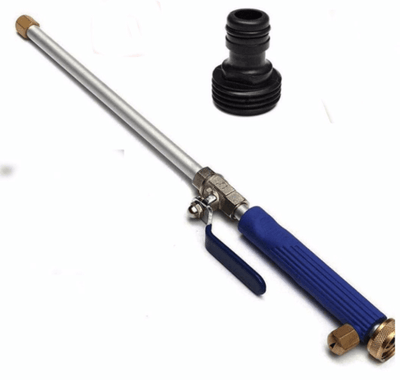
- Softwash lance, trigger, pole or nozzle setup
- Water supply hose and rinse capability
- Measuring jugs, dosing equipment or injector system
- Personal protective equipment
- Professional softwash chemicals and surfactants
- Access equipment such as ladders, towers or water-fed poles
- Spill kit, warning signage and site protection materials
- Risk assessments, COSHH information and method statements
You do not need to buy everything at once, but you do need enough equipment to work safely and consistently. The biggest mistake is building a setup around the cheapest sprayer available and then trying to use it on professional jobs beyond its capability.
Softwash Pump Systems
The pump is the heart of a softwashing setup. It moves the cleaning solution from your tank or container through the hose and onto the surface. For softwashing, low pressure and chemical compatibility matter more than brute force.
12V Softwash Pumps
A 12V pump is one of the most common starting points for UK softwashing contractors. It is usually powered by a leisure battery and mounted in a van, trolley system or compact frame.
Advantages include:
- Relatively affordable entry point
- Portable and simple to understand
- Suitable for render, walls, roofs and general exterior cleaning
- Can be used from a van-mounted or trolley-based setup
When choosing a 12V pump, look for chemical-resistant components, suitable flow rate, appropriate pressure rating and easy access for maintenance. In practice, many contractors find that reliability and spare parts availability matter more than quoted performance figures.
Booster or Mains-Powered Systems
For larger commercial work, industrial cladding, schools, warehouses and facilities management contracts, a more powerful system may be useful. These systems can provide greater flow, longer hose runs and better efficiency on high-volume work.
However, more power does not remove the need for control. Softwashing should still be low-pressure cleaning. Excess pressure increases overspray, drift and the risk of forcing chemical into gaps, vents, seals and vulnerable areas.
Injector Systems
Injector systems allow controlled chemical dosing into a water stream. This can be useful where consistency, reduced manual mixing and efficient workflow are important. For example, the Clever Injector Dosatron is designed to help contractors dose solution accurately when used correctly within a suitable system.
Injectors are not a shortcut around training. You still need to understand dilution, surface compatibility, dwell time, rinsing requirements and chemical safety.
Softwash Tanks, Containers and Chemical Storage
You need suitable containers for transporting, mixing and applying softwash solutions. These must be compatible with the chemicals being used and stable during transport.
Common options include:
- Van-mounted tanks for high-volume contractors
- Portable chemical drums for smaller jobs
- Trolley-mounted tanks for domestic access work
- Dosing containers for accurate measuring and mixing
Containers should be clearly labelled, secured upright and kept away from incompatible materials. Never use unlabelled drinks bottles, food containers or unsuitable plastic vessels. This is one of the clearest signs of poor practice and creates avoidable risk.
Chemical-Resistant Hoses, Reels and Fittings
Softwashing chemicals can degrade unsuitable hoses, seals and connectors. A professional setup should use chemical-rated hose and compatible fittings.
In real-world use, hose management makes a big difference. A poor hose setup slows you down, creates trip hazards, damages plants and increases the chance of dragging contamination across clean surfaces.
Look for:
- Chemical-resistant hose suitable for the solutions used
- A practical hose length for domestic and commercial sites
- Good-quality hose reel for tidy deployment and recovery
- Reliable quick-release fittings where appropriate
- Spare washers, seals and connectors in the van
Most contractors soon learn that cheap fittings cost time. Carry spares and check them before leaving for site.
Nozzles, Lances and Application Poles
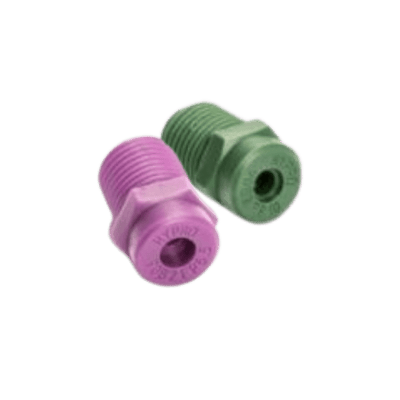
The nozzle controls spray pattern, reach, coverage rate and overspray. This is one of the most important parts of the system, especially near windows, vehicles, neighbouring properties, ponds, planting and public areas.
Fan Nozzles
Fan nozzles are useful for even coverage on render, cladding and flat wall areas. They reduce striping and help apply a consistent film of solution.
Jet Nozzles
Jet nozzles can help with reach, but they require careful use. They are more likely to create bounce-back, uncontrolled drift and uneven treatment if used too aggressively.
Water-Fed Pole Softwash Nozzles
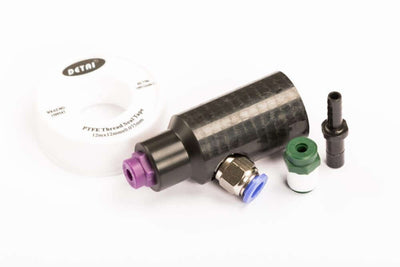
For higher elevations, a pole-based application method can reduce ladder use and improve control. A water-fed pole softwash nozzle can be useful when applying solution from the ground to walls, fascias, soffits and certain cladding areas, provided the operator has assessed overspray and runoff risks.
Always choose the application method based on the site. Wind, surface height, public access, drainage and surrounding materials all affect what is safe and practical.
Water Supply and Rinsing Equipment
Even though softwashing is chemistry-led, water remains essential. You may need water for pre-wetting, plant protection, controlled rinsing, equipment flushing and emergency dilution.
A basic water setup may include:
- Clean water supply hose
- Backflow prevention where required
- Water storage tank for remote sites
- Rinse hose or low-pressure rinse facility
- Watering cans or garden sprayers for plant protection
On many domestic jobs, the operator who manages water properly gets a better result. Pre-wetting sensitive areas, controlling dwell time and rinsing fixtures can prevent unnecessary staining, streaking and customer complaints.
Softwashing Chemicals and Surfactants
Your equipment is only part of the system. You also need to understand what chemical you are applying, why you are applying it and what surface you are applying it to.
Many softwashing projects involve oxidising solutions such as sodium hypochlorite, biocidal treatments such as DDAC, or specialist cleaners for stains, oil, rust, wood or delicate surfaces. The correct product depends on the growth, substrate, client expectation and safety considerations.
A softwash surfactant can improve wetting, cling and coverage, especially on vertical surfaces. This can help reduce waste and improve dwell time, but it does not replace correct dilution or good application technique.
SoftWash UK supplies a range of professional softwash chemicals for different exterior cleaning tasks. For contractors, the important point is not simply buying a chemical; it is knowing when, where and how to use it safely.
Personal Protective Equipment for Softwashing
PPE is not optional. Softwashing involves chemical handling, exterior access work, wet surfaces and changing weather. Your PPE should match the product safety data sheet, risk assessment and site conditions.
Typical PPE may include:
- Chemical-resistant gloves
- Eye protection or face shield
- Suitable coveralls or waterproof workwear
- Chemical-resistant footwear
- Respiratory protection where the risk assessment requires it
- Hi-vis clothing for commercial, roadside or public-facing sites
In practice, PPE also needs to be usable. If gloves are too bulky, eyewear constantly fogs or boots have poor grip, operators are more likely to take risks. Choose PPE that protects properly and allows safe working.
Access Equipment: Ladders, Towers and Poles
Softwashing often involves roofs, upper storeys, render, gutters, signage and cladding. Access must be planned carefully, especially for contractors working under UK health and safety expectations.
Common access equipment includes:
- Water-fed poles for ground-based application
- Ladders for inspection and limited short-duration work
- Mobile towers for safer extended access
- MEWPs for commercial elevations and large buildings
- Roof access systems where specialist work requires them
Do not choose access equipment simply because it is available. Choose it because it is the safest practical option for the task. Working at height, chemical application and wind exposure create a combination of risks that must be assessed before starting.
Safety Documentation and Compliance Equipment
Professional softwashing is not just about pumps and chemicals. You also need documentation that shows you have considered the risks and planned the work properly.
For UK contractors, useful documentation may include:
- Risk assessments
- Method statements
- COSHH assessments
- Safety data sheets
- Emergency procedures
- Insurance documents
- Client briefing notes and site-specific records
A Risk Assessment and Method Statement pack for exterior cleaning can help contractors build a more professional approach to planning and communicating safe working methods. It should still be adapted to the specific site, chemical, access method and task.
Starter Softwashing Equipment Comparison
| Equipment Option | Best For | Advantages | Limitations |
|---|---|---|---|
| Pump-up garden sprayer | Very small DIY tasks and testing | Low cost, simple, portable | Slow, limited reach, not ideal for professional work |
| 12V softwash pump system | Domestic and light commercial contractors | Good balance of cost, portability and performance | Needs battery management and chemical-compatible parts |
| Van-mounted softwash system | Regular professional exterior cleaning | Efficient, organised, suitable for larger volumes | Higher setup cost and requires good vehicle layout |
| Injector-based dosing system | Contractors wanting consistent dosing | Improves workflow and reduces repeated manual mixing | Requires understanding of calibration, dilution and maintenance |
| Commercial high-flow system | Large facilities, cladding and wide-area treatment | Efficient for bigger contracts | More expensive and requires strong site control |
Step-by-Step: How to Build a Sensible Starter Softwash Setup
1. Decide What Work You Want to Offer
Start with your target market. Domestic render cleaning, patios, roofs, schools, care homes, retail units and industrial cladding all have different requirements. Do not buy a large system before you know what work you will be quoting.
2. Choose a Safe Application System
For many new contractors, a 12V pump system with chemical-rated hose, a suitable tank and controlled nozzle setup is a practical starting point. If you plan to work commercially, consider whether an injector or more robust system will help with consistency.
3. Buy Chemical-Compatible Components
Pumps, hoses, seals and fittings must be suitable for the chemicals used. Incompatible parts fail quickly and may leak on site. Leaks are not just inconvenient; they can damage property, plants, vehicles and clothing.
4. Invest in PPE and Site Protection
Before your first paid job, have gloves, eye protection, suitable clothing, signage, spill control and plant protection equipment. A watering can, clean water hose and simple sheeting can prevent many avoidable problems.
5. Learn Chemical Dilution and Dwell Time
Using stronger solution is not the same as doing a better job. Correct dilution depends on the surface, organic growth, weather, temperature and required result. If you are using hypochlorite-based products, it is worth understanding how sodium hypochlorite works before applying it on customer property.
6. Create a Standard Van or Site Layout
Keep chemicals, PPE, hoses, spare parts and documentation organised. A tidy setup reduces mistakes, speeds up work and gives clients more confidence in your professionalism.
7. Practise Before Selling Complex Work
Practise on low-risk surfaces before taking on delicate render, lead staining, timber, painted coatings, heritage surfaces or complex commercial sites. Softwashing is not difficult to start, but it takes judgement to do well.
Common Mistakes When Buying Softwashing Equipment
Buying a Pressure Washer and Calling It Softwashing
Pressure washing and softwashing are different methods. A pressure washer can be useful for some rinsing or surface preparation tasks, but softwashing is based on low-pressure chemical application. Using high pressure on render, roof tiles or cladding can cause damage.
Using Cheap Sprayers for Professional Jobs
Small garden sprayers can work for limited DIY use, but they are slow and inconsistent for commercial work. They also struggle with reach, coverage and operator fatigue.
Ignoring Hose and Fitting Compatibility
Many early equipment failures come from using the wrong hose, seals or connectors. If the chemical can attack the material, the system will eventually leak or fail.
Not Carrying Spare Parts
A failed connector or worn seal can stop a job. Keep spare nozzles, washers, hose clips, trigger parts and basic tools in the van.
Forgetting About Runoff
Professional operators plan where the solution will go after application. Drains, lawns, ponds, flower beds, neighbouring vehicles and public footpaths all need consideration.
Believing Equipment Replaces Training
Good equipment helps, but it does not make decisions for you. Surface identification, chemical selection, dilution, weather judgement, access planning and emergency response all depend on operator knowledge.
Myths About Starting a Softwashing Business
Myth: You Need the Biggest System to Look Professional
A large system can be useful, but it is not always the best starting point. A clean, well-organised, safe and reliable setup is more valuable than an oversized system you do not fully understand.
Myth: Softwashing Is Just Spraying Bleach
This is a poor and unsafe way to view the industry. Professional softwashing involves surface assessment, chemical knowledge, controlled application, PPE, runoff management, client communication and appropriate aftercare.
Myth: If It Kills Algae, It Is Suitable for Every Surface
Different surfaces respond differently. Render, timber, natural stone, painted metal, lead flashing, roof tiles and composite cladding all require different judgement. Always test, assess and follow product guidance.
Myth: Training Is Only for Beginners
Training is valuable at every level. Experienced contractors often benefit from improving quoting, compliance, chemical efficiency, plant protection and troubleshooting.
Recommended Equipment Priorities by User Type
| User Type | Priority Equipment | Best Starting Approach |
|---|---|---|
| Serious DIY user | PPE, small compatible sprayer, approved chemical, water supply, plant protection | Start with low-risk surfaces and follow product instructions carefully |
| Window cleaner adding softwashing | 12V pump, hose reel, pole nozzle, PPE, surfactant, RAMS documents | Begin with render, walls and small exterior cleaning add-ons |
| Exterior cleaning contractor | Van or trolley system, chemical tanks, pro hose reel, multiple nozzles, documentation | Build a repeatable system for domestic and light commercial work |
| Facilities manager | Approved contractor setup, RAMS, COSHH, access plan, site protection, reporting | Focus on safe procurement, compliance and planned maintenance outcomes |
| Commercial contractor | Higher-flow system, dosing control, access equipment, full safety management | Invest in training, system reliability and site-specific planning |
How Much Should You Spend on Softwashing Equipment?
There is no single correct budget. A practical starter setup for occasional work may be relatively modest, while a professional van-mounted system with tanks, reels, dosing, PPE, signage and documentation represents a larger investment.
As a rule, spend money first on:
- Safe chemical handling
- Reliable application equipment
- PPE and site protection
- Training and documentation
- Chemical compatibility
Spend money later on convenience upgrades, extra reach, higher flow rates and specialist tools once you know what type of work you are winning regularly.
Where SoftWash UK Fits Into Your Setup
SoftWash UK supplies professional soft washing equipment, chemicals, training and educational resources for UK contractors and property professionals. If you are building your first setup, it is worth approaching equipment and chemistry as one system rather than separate purchases.
For new or improving contractors, the Soft Wash Training Course is designed to build practical understanding around methods, safety, pricing, chemical use and professional standards. Equipment works best when the person using it understands the process behind it.
If you want to see how professional softwashing training is structured before committing to the full programme, you can try selected lessons from the SoftWash UK course for free. It is a useful way to preview the training and understand the standards, safety thinking and practical approach behind professional softwashing.
Frequently Asked Questions
Can I start softwashing with a backpack sprayer?
A backpack or small pump-up sprayer can be used for limited, low-risk DIY tasks, but it is not ideal for professional softwashing. It is slow, has limited reach and may not be chemically suitable. Contractors are usually better served by a proper low-pressure softwash pump, chemical-rated hose and controlled nozzle setup.
Do I need a pressure washer for softwashing?
You do not need a pressure washer to apply softwash solution. Softwashing is a low-pressure chemical application method. However, a pressure washer may be useful for some exterior cleaning tasks, rinsing, surface preparation or combined cleaning projects, provided it is used appropriately and does not damage the substrate.
What is the most important piece of softwashing equipment?
The most important item is a safe and reliable chemical application system, but PPE and operator knowledge are just as important. A good pump is not enough if the user does not understand dilution, surface suitability, runoff control and emergency procedures.
What chemicals do I need to start softwashing?
This depends on the work you plan to undertake. Many contractors use hypochlorite-based solutions for organic staining, DDAC-based biocides for residual treatment, and surfactants to improve coverage. Specialist stains such as rust, oil, tannin, wood weathering and lead staining often require dedicated products. Always read the label and safety data sheet before use.
Do I need training before starting softwashing?
Training is strongly recommended, especially if you are working on customer property or commercial sites. Softwashing involves chemical handling, access planning, surface assessment, PPE, COSHH considerations and environmental controls. Training reduces costly mistakes and helps contractors work more professionally.
What equipment should a facilities manager look for in a softwashing contractor?
A facilities manager should look for a contractor with suitable low-pressure equipment, professional chemical storage, PPE, RAMS, COSHH documents, insurance, access planning and a clear method for managing runoff, public safety and sensitive surfaces. The cheapest quote is rarely the best measure of competence.
Conclusion: Start With a Safe, Practical and Scalable Softwashing Setup
The equipment needed to start softwashing does not have to be complicated, but it does need to be suitable. A sensible starter setup includes a low-pressure chemical application system, chemical-resistant hose and fittings, appropriate nozzles, PPE, water control, site protection equipment, professional chemicals and proper safety documentation.
For contractors, the best approach is to start with reliable core equipment, learn the chemistry properly, practise on suitable surfaces and build your system around the type of work you want to win. Avoid the temptation to buy the biggest system before you understand the process, and never treat chemical safety as an afterthought.
SoftWash UK supports UK exterior cleaning professionals with equipment, chemicals, training and practical industry education. If you are ready to build or improve your softwashing setup, explore the SoftWash UK range of professional products and learning resources, or start by reviewing the training options to make sure your equipment investment is backed by the right knowledge.