Why Application Methods Matter in Softwashing and Exterior Cleaning
Application methods matter because the way a cleaning solution is applied directly affects cleaning results, surface safety, chemical efficiency, dwell time, run-off control, operator exposure and overall job profitability. In professional softwashing and exterior cleaning, the product is only one part of the process. The method of delivery is what determines whether that product reaches the contamination evenly, stays active for long enough, and does its job without causing unnecessary risk or damage.
For UK exterior cleaning contractors, property maintenance teams, facilities managers and serious DIY users, this is a key point. Two people can use the same chemical on the same type of surface and achieve very different outcomes simply because one applied it correctly and the other did not. Poor application often leads to patchy results, overuse of chemical, avoidable plant damage, staining, premature rinsing, wasted labour and unhappy customers.
Professional softwashing is not about “spray it on and hope”. It is about selecting the right application method for the surface, the level of organic growth, the weather conditions, the access limitations, the chemical being used and the required finish. That is why experienced contractors pay as much attention to pumps, nozzles, flow rate, spray pattern, wetting ability and dwell time as they do to chemical strength.
What Do We Mean by Application Method?
In exterior cleaning, the application method is the practical way a cleaning product, biocide, surfactant or stain remover is delivered to the surface. It includes the equipment used, the pressure, the flow rate, the spray pattern, the distance from the surface, the coverage level and whether the product is brushed, sprayed, foamed, injected, rinsed or left to dwell.
Common application methods used in UK exterior cleaning include:
- Low-pressure softwash spraying
- Water-fed pole application
- Pump-up sprayers for small areas or spot treatment
- Electric or petrol softwash pump systems
- Downstream injection and proportioning systems
- Brush application for agitation and controlled placement
- Foam or surfactant-assisted application
- Targeted stain treatment using dedicated chemical applicators
- Pre-wetting, controlled rinsing and post-treatment methods
The best method is not always the fastest. It is the method that gives suitable coverage, controls risk and delivers the intended result without damaging the substrate or surrounding environment.
Why Application Method Affects Cleaning Results
1. Coverage Determines Consistency
Most softwashing failures start with uneven coverage. If the solution does not contact all of the affected surface, it cannot clean evenly. This is especially common on textured render, roof tiles, pebbledash, block paving and rough concrete where algae, lichen and atmospheric soiling sit in pores and recesses.
On a rendered wall, for example, a narrow jet or poorly chosen nozzle may leave faint vertical stripes where the product has not overlapped properly. On a roof, an inconsistent fan pattern can leave untreated patches that only become obvious weeks later when growth remains in sheltered areas.
Experienced contractors usually apply with controlled overlap, similar to spray painting. Each pass should slightly cross the previous pass to avoid dry bands. On larger elevations, it helps to work in sections and maintain a visible wet edge.
2. Dwell Time Is Controlled by the Way You Apply
Dwell time is the period the cleaning solution remains active on the surface. If a product dries too quickly, runs off too quickly or is rinsed too soon, performance drops. Application method plays a major part in dwell time.
Factors that affect dwell time include:
- Surface temperature
- Wind exposure
- Direct sunlight
- Porosity of the substrate
- Use of surfactants
- Flow rate and spray volume
- Angle and method of application
On a warm south-facing wall, a light mist may dry before the chemistry has had time to work. On the same wall, a controlled low-pressure application with an appropriate surfactant can help the solution cling and remain active for longer. Products such as Clever Wash Surfactant are used for this reason: they improve wetting and cling, helping the cleaning solution contact the surface more effectively rather than simply running off.
3. Spray Pattern Influences Safety and Precision
A fine mist may seem efficient, but it can increase drift in windy conditions and raise exposure risks around people, pets, vehicles, windows, plants and neighbouring properties. A heavy uncontrolled stream may reduce drift but can lead to oversaturation, rapid run-off and unnecessary chemical use.
The correct spray pattern balances reach, coverage and control. In many softwashing applications, a low-pressure fan pattern is preferable to a high-pressure jet because it spreads the solution evenly without forcing water or chemical into weak points, vents, seals or shallow fixings.
4. Surface Contact Is More Important Than Pressure
One of the biggest differences between softwashing and pressure washing is that softwashing relies on chemistry and dwell time rather than mechanical force. Pressure can be useful for rinsing certain robust surfaces, but when cleaning delicate render, roof tiles, timber, cladding or painted finishes, excessive pressure can cause permanent damage.
Good application places the solution onto the contamination with enough volume to wet the growth properly, but not so much force that it drives liquid behind the surface or damages the material. This is where selecting the right equipment from a professional soft washing equipment range becomes important.
Application Method Versus Chemical Strength
Many inexperienced users assume that poor results mean the chemical needs to be stronger. In practice, the application method is often the real problem. Stronger chemical will not compensate for poor coverage, insufficient dwell time, incorrect dilution, poor weather judgement or lack of surface preparation.
| Problem on Site | Common Assumption | More Likely Application Issue | Better Approach |
|---|---|---|---|
| Patchy algae removal on render | Chemical was too weak | Uneven spray coverage or dry bands | Use controlled overlap, maintain a wet edge and allow proper dwell time |
| Heavy run-off from a wall | Need to apply more product | Too much flow, wrong nozzle or lack of surfactant | Reduce flow, use a fan pattern and consider a suitable surfactant |
| Solution dries before cleaning | Treatment has failed | Applied in direct sun, wind or low volume | Work in cooler conditions, smaller sections and re-wet safely if required |
| Streaking below windows | Surface is permanently stained | Poor rinse control or concentration around frames and sills | Pre-wet, manage run-off and rinse sensitive areas appropriately |
| Plant stress near treated area | Plants are too sensitive | Poor containment, no pre-wetting or excessive overspray | Pre-wet, shield, control drift and rinse surrounding vegetation |
Correct chemical selection still matters. Contractors should choose professional-grade products suitable for the substrate and type of contamination. SoftWash UK supplies a wide range of soft wash chemicals, but responsible use always depends on correct dilution, label guidance, risk assessment and application technique.
Choosing the Right Application Method for the Surface
Render and Painted Masonry
Render is one of the most common surfaces where application method makes or breaks the job. Monocouche, silicone render, K-rend type finishes and painted masonry can absorb liquid at different rates. They can also show streaks if the product is applied unevenly.
Best practice usually includes:
- Surveying for cracks, blown render, failed paint or open joints before treatment
- Testing a small inconspicuous area where appropriate
- Applying from the bottom up where streaking risk is high, then maintaining controlled coverage
- Using low pressure rather than aggressive washing
- Managing run-off around windows, vents, sills, paving and plants
- Allowing sufficient dwell time before any rinse, where rinsing is appropriate
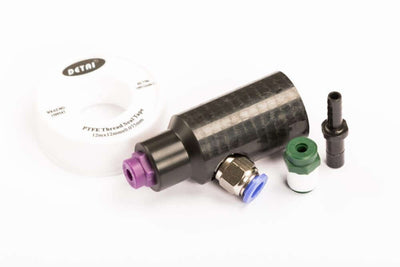
On render, the objective is even wetting, not blasting. A water-fed pole setup can be useful for controlled access and close-range application on elevations. A dedicated water fed pole softwash nozzle can help contractors apply solution more accurately at height while reducing the need to spray blindly from ground level.
Roofs
Roof cleaning introduces additional risk. Application method must consider working at height, overspray, guttering, downpipes, neighbouring properties, fragile tiles, drainage routes and public protection.
On roofs, application is often carried out after moss removal or as a biocidal post-treatment, depending on the method statement. Coverage must be even across laps, edges, valleys and shaded areas where organic growth is likely to return first.
Important roof application points include:
- Do not use excessive pressure on roof tiles
- Control run-off into gutters and drainage systems
- Protect conservatories, roof lights and adjacent surfaces
- Consider wind direction before spraying
- Use appropriate access equipment and fall protection
- Follow COSHH, RAMS and product safety data
Facilities managers and property owners should be cautious of contractors who rely only on pressure washing roofs without proper assessment. In many cases, controlled chemical treatment and suitable dwell time is safer and more effective than aggressive mechanical cleaning.
Cladding, Fascias and Commercial Buildings
Commercial cladding often has coatings, seals, fixings and junctions that can be vulnerable to incorrect application. On industrial estates, retail units and warehouses, the challenge is not only cleaning performance but also site safety, public access, working zones and operational disruption.
Application methods should be selected to minimise overspray, protect signage, avoid forcing solution into panel joints and maintain consistent cleaning across large elevations. Spray distance, nozzle choice and access method are particularly important on high-level work.
Driveways, Patios and Hard Surfaces
On block paving, concrete and natural stone, the application method depends on the contamination. Algae and black organic staining require different thinking from oil stains, metal staining or efflorescence. A blanket application may be suitable for general organic growth, while localised stains often need targeted treatment and careful dwell management.
Porous surfaces can absorb product quickly, so pre-wetting, controlled application and careful rinsing may be necessary. Overapplication can waste chemical and increase run-off risk without improving the result.
Timber and Decking
Timber is easily damaged by excessive pressure and harsh technique. Application should be gentle, controlled and compatible with the condition of the wood. On decking, fencing and cladding, uneven application can create blotchy results, raised grain or visible lap marks.
Work with the grain where possible, avoid aggressive jetting, and use appropriate products designed for timber cleaning or restoration. Always test first, especially on aged, treated or previously stained timber.
Step-by-Step: A Professional Approach to Application
The following process is a practical framework for planning application on a typical exterior cleaning job. The exact method will vary depending on surface, chemical, access and site conditions.
- Survey the site. Identify the substrate, contamination, drainage, nearby plants, access issues, electrical points, open vents, damaged surfaces and public risks.
- Choose the correct cleaning approach. Decide whether the job needs softwashing, rinsing, agitation, pressure washing, steam, stain treatment or a combined method.
- Check the product guidance. Read the label and safety data sheet. Confirm dilution, PPE, dwell time, compatibility and restrictions.
- Prepare the area. Move items where possible, protect sensitive surfaces, pre-wet plants, isolate work zones and manage access.
- Select the right equipment. Choose a suitable pump, nozzle, pole, sprayer or injector for the level of control required.
- Test in a small area. Check surface reaction, coverage, dwell behaviour and any risk of staining or colour change.
- Apply evenly. Work in manageable sections using consistent overlap and sufficient volume to wet the contamination without flooding the surface.
- Monitor dwell time. Do not let the product dry where this would reduce effectiveness or create risk. Re-apply or mist carefully only where appropriate and safe.
- Agitate if needed. Some surfaces or stains benefit from brushing to improve contact, but avoid damaging delicate substrates.
- Rinse or leave to weather as specified. Follow the correct process for the product and surface. Not all biocidal treatments are immediately rinsed.
- Inspect the finish. Look for missed areas, streaks, residue, run-off marks and signs of damage.
- Record the job. Professional contractors should retain notes on products used, dilution, method, weather and site precautions.
Equipment Choice: Why Nozzles, Pumps and Injectors Matter
The same chemical can behave very differently depending on the equipment used. A small pump-up sprayer may be adequate for a garden wall or spot treatment, but inefficient and inconsistent on a large render elevation. A powerful pump system may offer excellent reach, but if paired with the wrong nozzle it can create drift, flooding or poor coverage.
| Application Tool | Best Used For | Advantages | Limitations |
|---|---|---|---|
| Pump-up sprayer | Small areas, spot treatments, testing | Low cost, portable, controlled | Slow on large areas, inconsistent pressure as it empties |
| Low-pressure softwash pump | Render, roofs, walls, large surfaces | Good reach, consistent flow, efficient coverage | Needs training, maintenance and careful control |
| Water-fed pole application | Facades, awkward elevations, controlled close application | Improves accuracy, reduces overspray at height | Requires suitable nozzles and operator skill |
| Injector or proportioner | Repeatable chemical dosing and larger workflows | Can improve consistency and reduce manual mixing | Must be calibrated and understood properly |
| Brush application | Delicate areas, stains, timber, edges | Very controlled, adds agitation | Labour intensive and slower |
For contractors building a professional setup, equipment should be selected around the type of work you actually carry out. A domestic render-cleaning round, commercial cladding maintenance contract and roof treatment business may each require a different configuration.
Safety and Compliance: Application Is a Risk Control
Application method is not just a performance decision. It is a safety control. How you apply a chemical affects drift, exposure, run-off, slips, public contact and environmental impact.
UK contractors should consider:
- COSHH assessment for substances used
- Product labels and safety data sheets
- Appropriate PPE, including eye, hand and respiratory protection where required
- Public exclusion zones and signage
- Protection of plants, ponds, pets and neighbouring property
- Drainage routes, surface water systems and run-off control
- Weather conditions, especially wind and rain
- Working at height regulations and access planning
- Correct storage, transport and dilution procedures
A written risk assessment and method statement helps ensure the method is planned rather than improvised. SoftWash UK offers a Risk Assessment and Method Statement pack for exterior cleaning, which can be helpful for contractors who want a more structured approach to documenting site-specific controls.
Common Application Mistakes
Using Too Much Pressure
High pressure can scar render, lift paint, damage pointing, force water behind cladding and erode soft stone or timber. If the job is a softwashing job, the application should normally be low pressure and controlled.
Applying in Poor Weather
Wind increases drift. Strong sun can dry products too quickly. Heavy rain can dilute or wash away the treatment before it has worked. Professional contractors build weather judgement into their method.
Missing the Edges and Details
Edges, corners, window reveals, overlaps, tile laps, joints and shaded recesses are often where algae and lichen remain. These areas need controlled attention, not just a quick spray across the main visible face.
Believing Stronger Chemical Fixes Bad Technique
Increasing strength can increase risk without fixing poor application. If the surface is patchy, review coverage, dwell time, surfactant use, equipment and weather before assuming concentration is the issue.
Forgetting About Run-Off
Run-off is one of the biggest signs of poor control. Excessive application can carry chemical onto sensitive surfaces, plants, lawns, metals, glass, painted areas or drainage systems. More liquid does not always mean better cleaning.
Not Training Staff Properly
A team member who does not understand spray patterns, dwell time, PPE, surface sensitivity and dilution can create expensive problems quickly. Application technique should be part of staff training, not something learned by trial and error on a customer’s property.
Myths About Softwash Application
Myth: Any Sprayer Will Do
Not true. The sprayer must be compatible with the chemical, capable of the required flow, and suitable for the surface and scale of the work. Inconsistent pressure or poor nozzle quality often leads to inconsistent results.
Myth: If It Foams More, It Cleans Better
Foam can be useful for visibility and cling, but foam alone is not proof of cleaning power. What matters is correct chemistry, proper contact, suitable dwell time and safe application.
Myth: You Should Always Rinse Immediately
Some cleaning processes require rinsing. Others, particularly certain biocidal treatments, are designed to continue working after application and weather away over time. Always follow product guidance and the method statement.
Myth: Low Pressure Means Low Skill
Low-pressure softwashing often requires more judgement than pressure washing because the operator must understand chemistry, dwell time, surface compatibility, run-off and environmental risk.
Practical Site Examples
Example 1: Green Algae on a North-Facing Render Wall
A contractor arrives at a shaded render elevation with heavy green algae. The wall is close to borders and has several windows with painted sills. A poor method would be to stand back and spray heavily from the ground, allowing solution to run down the wall and into the plants.
A better approach is to pre-wet and protect vegetation, apply from a controlled distance, use an appropriate fan pattern, work in sections, monitor dwell time and rinse sensitive sills and glass as required. This improves the finish while reducing run-off and plant stress.
Example 2: Commercial Cladding on a Retail Unit
On a retail site, the application method must account for pedestrians, vehicles, signage, opening hours and wind direction. Spraying a fine mist across a car park is poor practice. A contractor should set exclusion zones, use controlled nozzles, work during suitable weather and plan access so the product is applied accurately rather than drifting across the site.
Example 3: Roof Biocide Post-Treatment
After manual moss removal, a roof may be treated to address remaining organic growth. The key is even coverage without excessive saturation. Valleys, shaded slopes and tile laps need attention, but uncontrolled overapplication increases gutter and downpipe run-off. The method should be planned around access, roof condition, weather and containment.
How to Improve Your Application Technique
Improving application technique usually produces better results, lower chemical usage and fewer complaints. Contractors can improve by focusing on:
- Understanding the surface before selecting the method
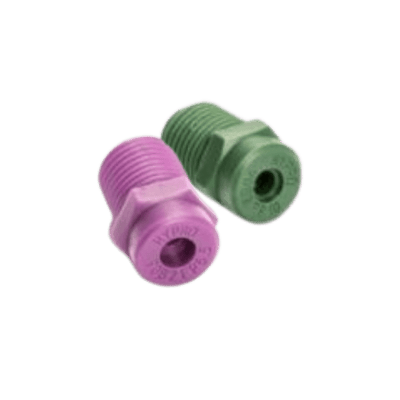
- Using the right nozzle for the job
- Keeping pressure low and controlled where softwashing is required
- Using surfactants appropriately to improve wetting and cling
- Working in manageable sections
- Maintaining consistent overlap
- Recording dilution rates, dwell times and weather conditions
- Training staff to understand both method and risk
- Reviewing jobs after weathering to learn what worked
If you want to see how professional softwashing training is structured before committing to the full programme, you can try selected lessons from the SoftWash UK course for free. It is a useful way to preview the training and understand the standards, safety thinking and practical approach behind professional softwashing.
FAQ: Why Application Methods Matter
What is the best application method for softwashing?
The best method depends on the surface, contamination, access and chemical being used. For many render, roof and cladding applications, a controlled low-pressure spray with suitable nozzles is preferred. For smaller areas, stains or delicate details, brush or pump-up sprayer application may be more appropriate.
Does application method affect how much chemical I use?
Yes. Poor application often wastes chemical through overspray, run-off and repeated treatments. Correct nozzles, flow control, overlap and dwell time help the product work efficiently, often reducing the amount needed to achieve a professional result.
Should softwash chemicals be sprayed or brushed on?
Both methods have a place. Spraying is efficient for larger surfaces, while brushing gives more control on edges, stains, timber, fragile materials and small details. Some jobs benefit from a combination of sprayed application and light agitation.
Why do I get streaks after applying softwash?
Streaking can be caused by uneven coverage, incorrect spray overlap, rapid drying, dirty run-off, poor pre-wetting, unsuitable dwell time or inconsistent surface absorption. It is not always a chemical strength issue. Reviewing technique is usually the first step.
Can I apply softwash in windy weather?
Wind increases the risk of chemical drift and should be taken seriously. If drift cannot be controlled, the job should be postponed or the method changed. Public safety, neighbouring property, plants, vehicles and operator exposure must all be considered.
Is a surfactant always needed?
Not always, but a surfactant can be useful where improved wetting, cling and dwell time are needed, especially on vertical or lightly water-repellent surfaces. It should be compatible with the cleaning product and used according to guidance.
Conclusion: Better Application Means Better Softwashing
Application methods matter because they turn cleaning chemistry into a controlled, professional process. The right method improves coverage, extends useful dwell time, reduces waste, protects surfaces, limits run-off and helps contractors deliver more consistent results.
For exterior cleaning contractors and property maintenance professionals, investing time in application technique is one of the most practical ways to improve job quality. It also supports safer working, better quoting, fewer call-backs and stronger customer confidence.
SoftWash UK supports the industry with professional softwashing chemicals, equipment, training and educational resources designed to help contractors work safely and effectively. If you are reviewing your setup or improving your methods, explore the SoftWash UK range, build your knowledge through professional training, and approach every job with a clear method, not guesswork.