The Science Behind Softwashing
Softwashing is the controlled use of low-pressure application, specialist cleaning chemistry and correct dwell time to remove and inhibit organic growth on exterior surfaces. Unlike pressure washing, which relies mainly on mechanical force, softwashing works by breaking down algae, lichen, moss, mould, bacteria and biofilm at a chemical and biological level.
For UK exterior cleaning contractors, facilities managers, property maintenance teams and serious DIY users, understanding the science behind softwashing is not just useful theory. It affects cleaning results, safety, pricing, chemical choice, plant protection, surface compatibility, customer expectations and how long the clean is likely to last.
In practical terms, good softwashing comes down to five things: identifying the contamination, choosing the right chemistry, applying it evenly at low pressure, allowing enough dwell time, and managing safety, runoff and surrounding materials responsibly.
What Softwashing Actually Does
Most exterior staining in the UK is biological rather than simply dirt. Green walls, black roof streaks, slippery paving, stained render and discoloured timber are often caused by living or recently living organisms. These include algae, cyanobacteria, lichen, fungi, mould spores and microbial biofilm.
Softwashing targets these organisms rather than just blasting the visible staining away. This is why a properly carried out softwash can often produce a longer-lasting result than pressure washing alone, especially on render, roofs, cladding, painted masonry and delicate surfaces.
If you are new to the method, SoftWash UK’s Knowledge Centre guide to softwashing explains the basic process in more detail. The key point is that softwashing is a system, not simply “spraying chemical on a wall”.
The Biology Behind Exterior Staining
Why exterior surfaces turn green, black and brown
UK buildings are constantly exposed to moisture, shade, airborne spores, pollution, tree sap, soil splashback and organic debris. These create ideal conditions for microbial growth, especially on north-facing elevations, shaded patios, roofs under trees and porous materials such as render, concrete, sandstone and clay tiles.
Common causes of staining include:
- Algae: often seen as green staining on render, paving, timber and plastic surfaces.
- Lichen: crusty white, yellow, grey or black growth commonly found on roof tiles, stone and concrete.
- Moss: thicker growth that holds moisture against roofs, paths and brickwork.
- Fungal growth: black or dark staining on timber, render and shaded masonry.
- Biofilm: a thin microbial layer that helps organisms cling to surfaces and resist simple rinsing.
- Atmospheric soiling: carbon deposits, traffic film and pollution, often mixed with organic contamination.
One of the biggest mistakes in exterior cleaning is treating all staining as “dirt”. Dirt can often be rinsed away. Biological contamination usually needs chemistry, dwell time and the correct application method.
The role of biofilm
Biofilm is one of the reasons softwashing works so well when carried out correctly. A biofilm is a protective layer produced by microorganisms. It helps algae, bacteria and fungi stick to surfaces and resist weathering, rinsing and light surface cleaning.
On a render elevation, for example, the green staining is rarely just sitting on the surface like dust. It is often part of a living or semi-living layer bonded into the texture of the coating. Aggressive pressure can remove some of it, but it may also scar the render, drive water into the substrate or leave a patchy finish. Softwashing uses chemistry to break down the biological layer more evenly and with far less physical force.
The Chemistry Behind Softwashing
Professional softwashing usually involves one or more of the following chemical actions: oxidation, biocidal activity, surfactant-assisted wetting and, in some cases, stain-specific treatment. The correct choice depends on the surface, the contaminant and the result required.
For a detailed overview of product types, see SoftWash UK’s guide to softwashing chemicals. In the field, however, it helps to understand what each category is doing.
Oxidation: breaking down organic matter
Oxidising agents are commonly used in softwashing because they react with organic staining and microbial material. In simple terms, oxidation disrupts the chemical structure of the contamination. This can rapidly lighten green and black staining and help detach organic residue from the surface.
Sodium hypochlorite is one of the most widely used oxidising agents in professional softwashing. It must be handled carefully, diluted correctly and used with awareness of surface compatibility, PPE, COSHH requirements and environmental controls. Contractors sourcing professional-grade chemistry can review sodium hypochlorite for soft washing from SoftWash UK as part of their wider chemical system.
The important scientific point is that stronger is not automatically better. The correct working strength depends on the surface, weather, contamination level, application method and desired dwell time. Over-application can cause unnecessary risk, damage sensitive materials, increase odour and waste money.
Biocides: controlling regrowth
Biocides are designed to control biological growth. In softwashing, they are often used for longer-term treatment, post-cleaning protection or situations where a slower-acting approach is more appropriate.
Quaternary ammonium compounds, including DDAC-based products, are widely used for treating algae and microbial growth. They do not work in the same way as oxidisers. Instead of delivering rapid visible bleaching, they act as biocidal treatments that continue working over time. This is why some surfaces treated with a biocide may continue to improve gradually after application.
For contractors looking at treatment-based cleaning, Soft Wash Pro 50 DDAC is an example of a professional-grade biocide used within suitable applications and according to label instructions. As with all biocidal products, users must follow the product label, safety data sheet and applicable UK regulations.
Surfactants: helping chemistry stay where it is needed
Surfactants reduce surface tension. This sounds technical, but the practical benefit is straightforward: they help the cleaning solution wet the surface more evenly, cling for longer and penetrate textured areas more effectively.
On vertical render or cladding, a softwash solution without a suitable surfactant may run off too quickly. That reduces dwell time and can lead to streaking, wasted chemical and weaker results. A good surfactant improves contact time and coverage, especially on hydrophobic, textured or heavily colonised surfaces.
SoftWash UK’s Clever Wash surfactant is an example of an additive used to improve cling and wetting performance. The science is simple: better contact means more consistent chemical action.
Softwashing Versus Pressure Washing: The Scientific Difference
The main difference between softwashing and pressure washing is the cleaning mechanism. Pressure washing uses kinetic energy from high-pressure water. Softwashing uses controlled chemistry and low-pressure application.
| Factor | Softwashing | Pressure Washing |
|---|---|---|
| Main cleaning action | Chemical treatment of organic growth and staining | Mechanical force from high-pressure water |
| Typical pressure | Low pressure, often similar to garden hose or dedicated softwash pump output | High pressure, depending on machine and nozzle |
| Best suited to | Render, roofs, cladding, painted surfaces, delicate masonry, biological staining | Hard surfaces such as concrete, some block paving and heavily soiled ground surfaces |
| Risk if misused | Chemical damage, plant damage, runoff issues, incorrect dwell time | Surface etching, water ingress, blown joints, scarring, striping |
| Longevity | Often longer-lasting where biological growth is properly treated | Can be short-lived if organisms are only physically removed |
For a deeper comparison, the SoftWash UK Knowledge Centre article on softwashing vs pressure washing explains where each method fits. On many projects, the best result comes from combining methods intelligently rather than treating them as rivals.
The Four Scientific Variables That Control Softwashing Results
1. Concentration
Concentration affects reaction speed and cleaning power. Too weak and the treatment may not break down the growth. Too strong and you increase the risk of surface damage, plant injury, odour complaints, corrosion and unnecessary chemical use.
Experienced contractors rarely work on guesswork. They assess the substrate, contamination, weather and runoff risk before deciding on a working strength. They also test inconspicuous areas, especially on coloured render, painted coatings, timber, metals and older materials.
2. Dwell time
Dwell time is the period the chemistry remains active on the surface. It is one of the most important parts of softwashing science. If a solution is rinsed too soon or allowed to dry too quickly, performance drops.
On a mild, overcast day, dwell time is often easier to control. In hot sun or wind, solutions can dry too fast, leading to patchy results. This is why professionals often work with the weather, not against it.
3. Coverage
Chemistry only works where it contacts the contamination. Poor coverage causes streaking, missed patches and uneven cleaning. This is particularly noticeable on render, roofs and cladding.
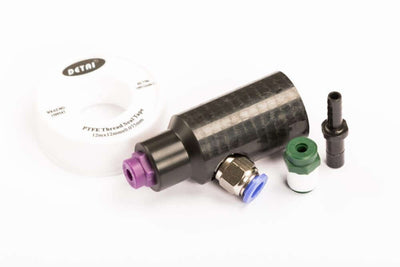
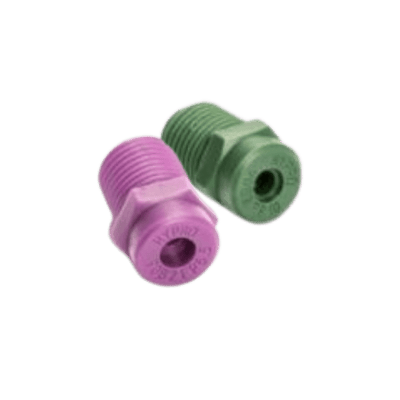
Correct nozzle selection, pump flow, fan pattern and application technique matter. For controlled low-pressure application from height, equipment such as a water fed pole softwash nozzle can help contractors apply chemistry more accurately while reducing the need for unnecessary high-pressure cleaning.
4. Environmental conditions
Temperature, humidity, sunlight, wind and rainfall all influence softwash performance. Cold conditions can slow chemical reaction. Direct sun can cause premature drying. Wind increases overspray risk. Rain can dilute products before they have had time to work.
A technically sound contractor will consider:
- Whether the surface is too hot or too dry.
- Whether rain is likely during dwell time.
- Wind direction and overspray risk.
- Access to rinse water and plant protection.
- Whether the surface can safely accept the chosen chemistry.
Surface Science: Why One Method Does Not Fit Every Job
Different materials react differently to moisture, pressure and chemistry. The same softwash mix that performs well on one surface may be unsuitable for another. This is where real-world experience matters.
| Surface | Typical contamination | Scientific consideration | Practical note |
|---|---|---|---|
| Render | Green algae, black fungal staining, traffic film | Porous or textured coatings hold biofilm and can be pressure-sensitive | Use low pressure, even application and careful dwell control |
| Roof tiles | Moss, lichen, algae | Porosity and capillary action affect absorption and drying | Manage access, runoff and fragile tiles carefully |
| Timber | Algae, mildew, grey weathering | Wood fibres can be damaged by high pressure and harsh chemistry | Test first and use wood-appropriate methods |
| Natural stone | Algae, lichen, atmospheric staining | Mineral composition varies; some stones are acid-sensitive or porous | Identify stone type before treatment |
| Metal and coated surfaces | Organic film, pollution, oxidation marks | Some chemicals can accelerate corrosion or affect coatings | Pre-wet, control dwell and rinse thoroughly where required |
This is also why the question “Is softwashing better than pressure washing?” depends on the surface and the objective. A sandstone patio with heavy soil may need a different approach from a painted render elevation covered in algae.
A Practical Step-by-Step Softwashing Process
The exact process will vary by job, but the following workflow reflects good professional practice for many UK exterior cleaning projects.
- Survey the site. Identify the surface, staining type, access requirements, drainage, sensitive plants, pets, ponds, public areas and neighbouring property.
- Assess risks. Consider chemical exposure, slips, working at height, overspray, public access, water supply, runoff and weather.
- Choose the method. Decide whether softwashing alone is suitable, whether a pre-clean is needed, or whether pressure washing should be combined with chemical treatment.
- Select chemistry. Match the product type to the contamination and substrate. Always read the label and safety data sheet.
- Prepare the area. Move furniture, protect plants, isolate sensitive metals where possible, cover vulnerable items and establish exclusion zones.
- Pre-wet where appropriate. Wetting surrounding vegetation and some adjacent materials can reduce absorption and accidental chemical impact.
- Apply at low pressure. Work methodically from controlled sections, avoiding excessive overspray and ensuring consistent coverage.
- Allow correct dwell time. Keep the surface active, but do not allow inappropriate drying on sensitive substrates.
- Agitate if needed. Some areas benefit from gentle brushing, especially thick biofilm or textured details.
- Rinse or leave as specified. Some treatments require rinsing; others may be designed to remain and work over time. Follow product guidance.
- Inspect and document. Check for missed areas, manage customer expectations and record products used, dilution, weather and site controls.
Safety, Compliance and Responsible Chemical Use
Softwashing is safe and effective when carried out professionally, but it is not casual work. Contractors must understand chemical labelling, dilution, PPE, storage, transport, public protection, environmental precautions and emergency procedures.
In the UK, exterior cleaning contractors should think in terms of COSHH, risk assessment, method statements, product safety data sheets, manual handling, working at height and environmental responsibility. Facilities managers should also expect contractors to provide suitable documentation before work begins on commercial sites.
Useful safety practices include:
- Wear suitable PPE, including eye and skin protection appropriate to the product being used.
- Never mix incompatible chemicals.
- Use labelled containers and keep chemicals secure during transport and storage.
- Control public access and prevent accidental contact during application.
- Protect plants by pre-wetting, shielding and rinsing, where appropriate.
- Prevent uncontrolled discharge into ponds, watercourses and sensitive drainage.
- Keep safety data sheets available on site.
- Train staff before allowing them to mix, apply or handle softwash chemicals.
For contractors tightening up their paperwork, the Risk Assessment and Method Statement pack for exterior cleaning can help structure professional RAMS documentation. It does not replace competent judgement on site, but it gives contractors a stronger compliance framework to work from.
How Long Does Softwashing Last?
The longevity of softwashing depends on the surface, surrounding environment, product choice, application quality and weather exposure. A shaded, damp render wall beneath trees will usually recolonise sooner than an open, sunny elevation with good airflow.
As a broad professional principle, softwashing lasts longer when the biological growth is treated rather than simply removed from view. The cleaning result may also continue to improve after treatment, particularly where biocidal products are used and dead growth weathers away gradually.
SoftWash UK’s Knowledge Centre guide on how long does softwashing last gives more detail on the factors that influence regrowth and maintenance schedules.
Common Softwashing Mistakes and Myths
Myth 1: Softwashing is just low-pressure pressure washing
Softwashing is not defined by low pressure alone. It is the combination of chemistry, dwell time, surface understanding and controlled application. A low-pressure rinse without suitable treatment is not true softwashing.
Myth 2: Stronger chemical always gives a better result
Overly strong mixes can create avoidable risk and cost. Professional results come from the correct working strength, not the strongest possible solution. More chemical can also increase plant stress, odour, corrosion risk and customer complaints.
Myth 3: If it looks clean immediately, the job is finished
Some treatments produce rapid visual change. Others continue working over days or weeks. Contractors should explain this clearly to clients, particularly on roofs, lichen-heavy stone and biocide-based treatments.
Myth 4: Pressure washing first is always necessary
Sometimes mechanical cleaning is useful, especially for heavy moss or compacted soil. But on delicate render, roofing and coatings, aggressive pressure can cause damage. The best method depends on survey findings, not habit.
Myth 5: All stains are biological
Not every stain is algae or mould. Rust, tannin, oil, lead staining, efflorescence and mineral deposits may require different chemistry. Misidentifying stains wastes time and may make the problem worse.
Professional Training: Turning Science Into Reliable Site Practice
Understanding the chemistry is only part of the job. The real skill is applying that knowledge safely on different surfaces, in changing weather, around real customers, plants, vehicles, pets, drainage and access constraints.
That is where structured training helps. The SoftWash UK training course is designed to help contractors understand safe chemical use, correct method selection, equipment choices, pricing, customer communication and professional site practice.
If you want to see how professional softwashing training is structured before committing to the full programme, you can try selected lessons from the SoftWash UK course for free. It is a useful way to preview the training and understand the standards, safety thinking and practical approach behind professional softwashing.
Best-Practice Tips From Real-World Softwashing
- Test before full application. Always test uncertain surfaces, coatings and colours in a discreet area.
- Work in manageable sections. This improves dwell control and reduces the chance of missed patches.
- Watch the weather. Overcast, calm conditions are often better than hot sun and wind.
- Do not let chemistry dry where it should not. Drying can cause residues, streaking or surface reaction issues.
- Photograph before and after. This helps with reporting, quality control and customer expectations.
- Document your process. Record dilution, dwell time, product used and any site concerns.
- Protect plants properly. Pre-wet, cover where sensible, rinse thoroughly and avoid unnecessary overspray.
- Educate the customer. Explain whether the result is instant or progressive, and when full improvement should be expected.
Frequently Asked Questions About the Science Behind Softwashing
What is the main science behind softwashing?
The main science behind softwashing is chemical and biological cleaning. Softwashing uses low-pressure application of suitable cleaning chemistry to break down or control algae, lichen, moss, mould, fungi and biofilm. The result depends on concentration, dwell time, surface compatibility, coverage and environmental conditions.
Does softwashing kill algae and moss?
Softwashing can kill or control algae, moss and other organic growth when the correct product is used at the correct strength and dwell time. Some products act quickly and visibly, while others work gradually over time. Always follow the product label and safety data sheet.
Is softwashing safe for render?
Softwashing is often suitable for render because it uses low pressure and targets biological staining chemically. However, safety depends on the render type, coating condition, chemical choice, dilution, dwell time and rinsing method. Contractors should test first and avoid aggressive pressure on delicate or damaged render.
Why does softwashing last longer than pressure washing in many cases?
Softwashing can last longer because it treats the biological cause of staining rather than only removing visible growth by force. Pressure washing may remove surface contamination, but if spores, roots or biofilm remain active, regrowth can return quickly in damp or shaded areas.
Can I softwash in hot weather?
You can softwash in warm conditions, but hot sun and dry surfaces make dwell time harder to control. Solutions may dry too quickly, causing uneven results or potential residue issues. Early morning, overcast conditions or shaded working periods are often more suitable.
Do I always need to rinse after softwashing?
Not always. Some products and methods require rinsing, while some biocidal treatments are designed to remain on the surface and continue working. The decision depends on the product, surface, location, runoff risk and customer requirements. Always follow manufacturer instructions.
Conclusion: Good Softwashing Is Applied Science
The science behind softwashing is straightforward once you understand the fundamentals: biological growth attaches to exterior surfaces, chemistry breaks it down or controls it, surfactants improve contact, and dwell time allows the reaction to happen. The skill lies in applying these principles safely and consistently on real UK properties.
For contractors and facilities managers, this knowledge leads to better decisions. It helps you choose the right method, avoid surface damage, protect the environment, explain results to customers and deliver longer-lasting cleans. For serious DIY users, it highlights why softwashing should be approached with respect, proper PPE, correct dilution and a clear understanding of the products being used.
SoftWash UK supports the industry with professional softwashing chemicals, equipment, training and educational resources for people who want to do the job properly. If you are building a softwashing service, improving your compliance or trying to understand which products and methods fit different surfaces, SoftWash UK is a practical next step for responsible, professional exterior cleaning knowledge.