The Biggest Render Cleaning Mistakes
The biggest render cleaning mistakes are using too much pressure, choosing the wrong chemical, failing to identify the render type, ignoring algae biology, poor pre-wetting and rinsing, and carrying out work without suitable risk assessment, personal protective equipment or environmental controls. On modern UK properties, especially those finished with coloured render, monocouche, silicone render, acrylic render or K-Rend-style finishes, these mistakes can cause staining, etching, patchiness, water ingress and unnecessary customer complaints.
Render cleaning is not simply “washing a wall”. A good result depends on knowing what has caused the staining, how the surface is constructed, how absorbent it is, and which cleaning method will remove the contamination without damaging the finish. For contractors, facilities managers and serious DIY users, the safest approach is usually controlled softwashing, careful dwell time, low-pressure rinsing where appropriate and proper site management.
This guide explains the most common render cleaning mistakes we see in the UK exterior cleaning industry, why they happen, and how to avoid them in real-world jobs.
Why Render Cleaning Goes Wrong So Easily
Modern render is often designed to be decorative as well as weather-resistant. It may be thin, coloured through, textured, painted, silicone-based or polymer-modified. Some systems are also part of an external wall insulation system, where aggressive cleaning can do far more harm than good.
Many render cleaning problems happen because the operator treats render like concrete, block paving or brick. Render needs a different mindset. You are often cleaning a relatively delicate architectural finish, not blasting a hard mineral surface.
The most common render contaminants include:
- Green algae and biofilm on shaded elevations
- Red algae, often seen as pink, orange or red staining
- Black fungal staining and atmospheric grime
- Carbon deposits near roads, vents and flues
- Rust staining from fixings, irrigation or metal runoff
- Efflorescence or mineral salts
- Organic staining from trees, gutters and overflowing downpipes
Before choosing a method, it is worth understanding the cause. SoftWash UK’s Knowledge Centre article on green algae on render is a useful starting point for identifying why certain elevations become dirty faster than others.
Mistake 1: Pressure Washing Render Too Aggressively
The single biggest mistake is using a pressure washer as the primary cleaning tool on render. High pressure can appear effective at first because it removes visible growth quickly, but it can also remove texture, open pores, drive water into cracks and leave tramlines or wand marks.
We have seen render cleaned with turbo nozzles, narrow fan jets and excessive pressure from too close a distance. The result is often worse than the original staining: patchy sheen, scarring, stripped paint, blown render or visible cleaning lines that only become obvious once the wall dries.
Why pressure is risky on render
- It can erode the surface texture.
- It can force water behind cracks, beads and window seals.
- It may damage thin-coat render systems and external wall insulation.
- It often removes the symptom but not the biological root cause.
- It can create uneven drying and patchy visual results.
There are situations where a very controlled low-pressure rinse may be appropriate, but blasting render is rarely best practice. If you need a deeper explanation, read SoftWash UK’s guide on pressure washing render.
Mistake 2: Not Identifying the Render Type First
Different renders respond differently to moisture, cleaning chemistry and agitation. A roughcast wall on an older property is not the same as a coloured monocouche render on a modern housing estate. Likewise, silicone and acrylic thin-coat renders can behave differently from traditional lime or cement renders.
Before quoting or cleaning, inspect the wall properly. Look for manufacturer information, previous coatings, repairs, cracks, hollow areas, staining patterns and vulnerable details.
Common render types and cleaning considerations
| Render type | Typical features | Cleaning considerations |
|---|---|---|
| Monocouche render | Coloured through, often textured, common on newer homes | Can mark if cleaned unevenly; avoid aggressive pressure and harsh brushing |
| Silicone render | Water-repellent, flexible, often used on insulated systems | Requires gentle methods; check coating condition and avoid forcing water into joints |
| Acrylic render | Flexible and coloured, often thin-coat | Sensitive to heat, solvents and mechanical damage; test before full application |
| Traditional cement render | Older, often painted, may be porous or cracked | Check coating adhesion and friable areas before wet cleaning |
| K-Rend-style finishes | Branded through-colour render systems with textured finish | Use suitable softwashing processes and avoid heavy pressure marks |
If you work on K-Rend or similar coloured render systems, SoftWash UK’s Knowledge Centre gives specific K-Rend cleaning guidance that is well worth reviewing before undertaking commercial or domestic projects.
Mistake 3: Treating All Stains as the Same Problem
A common error is assuming every mark on render is algae. In practice, render staining can come from several sources, and each one may require a different treatment.
Green staining is usually biological growth. Red staining can be a specific type of algae or microbial colonisation that behaves differently. Black staining may be fungal, carbon-based or long-established organic contamination. Brown or orange marks may be rust, tannins or mineral staining.
If you apply the wrong product to the wrong stain, you may waste time, create streaks, fail to remove the mark, or cause unexpected reactions. For example, a biocidal softwash may help with algae but will not necessarily remove rust staining from metal fixings. Likewise, abrasive cleaning may lighten an area but leave the underlying organism active.
For red staining, it is worth reading the Knowledge Centre article on red algae on render, as these stains are often misdiagnosed on UK buildings.
Mistake 4: Using Chemicals Without Understanding Them
Professional render cleaning often involves chemistry, but chemicals must be used responsibly. Incorrect product choice, excessive strength, poor dilution control or inadequate rinsing can cause damage to surfaces, plants, metals and surrounding materials.
The aim is not to use the strongest possible solution. The aim is to use the correct method, at the correct strength, for the correct dwell time, with appropriate control measures.
Good chemical practice on render
- Read the product label and safety data sheet before use.
- Carry out a site-specific COSHH assessment where required.
- Use compatible chemicals only; never mix products unless the manufacturer specifically permits it.
- Pre-wet sensitive surfaces and vegetation where appropriate.
- Control runoff and protect ponds, lawns, metals, timber and delicate finishes.
- Apply evenly from a safe working position.
- Allow suitable dwell time without letting product dry on the surface.
- Rinse or neutralise according to manufacturer guidance and site conditions.
SoftWash UK supplies professional soft wash chemicals for exterior cleaning applications, but product selection should always be based on surface condition, contamination type and safe working practice rather than guesswork.
Mistake 5: Skipping the Test Patch
A test patch is not a formality. It is one of the simplest ways to prevent a costly mistake. Render can hide previous repairs, weak paint, colour variation, micro-cracking and inconsistent porosity.
A proper test patch helps you confirm:
- How quickly the staining responds
- Whether the render absorbs product unevenly
- If the colour changes once wet
- Whether any coating lifts or softens
- How much rinsing is needed
- Whether the customer’s expectations are realistic
Choose a discreet but representative area. Make sure the customer or facilities manager understands that old staining, repairs, impact marks or water ingress defects may remain visible after cleaning. Photograph the test patch before, during and after the process.
Mistake 6: Letting Softwash Solution Dry on the Surface
One of the most common on-site mistakes is applying a cleaning solution and then allowing it to dry, especially in sun, wind or warm weather. This can leave residue marks, streaking or uneven results.
Dwell time matters, but uncontrolled drying is not dwell time. On render, it is usually better to work in manageable sections, monitor the surface, re-wet if appropriate and rinse according to the product guidance.
Practical tip from site experience
On south-facing elevations, render can heat up quickly even on mild UK days. A wall that feels cool at 9am may be warm enough to flash-dry product by late morning. Plan your work around shade, wind direction and access, not just the order that looks convenient from the van.
Mistake 7: Poor Application Technique
Uneven application is a major cause of patchy render cleaning. Contractors sometimes apply too much product at the bottom of a wall, miss high areas, overlap badly around windows or create run marks under sills and vents.
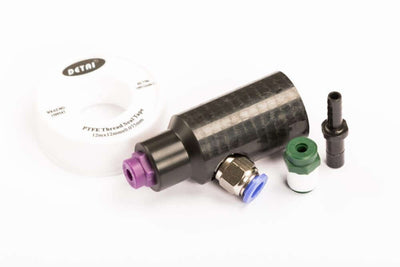
Use equipment that gives controlled, even coverage. A suitable softwash pump, low-pressure applicator or water-fed pole setup can make the job safer and more consistent. For high or awkward elevations, a controlled accessory such as a water fed pole softwash nozzle can help improve reach and reduce unnecessary ladder work, provided it is used within a safe system of work.
Application best practice
- Work in logical sections.
- Apply from the bottom up where appropriate to reduce streaking, then manage final rinsing carefully.
- Avoid heavy flooding around vents, weep holes, electrical fittings and open joints.
- Control overspray near vehicles, glass, plants and neighbouring properties.
- Keep an eye on wind drift at all times.
- Use even passes and consistent dwell time.
Mistake 8: Forgetting About Surfactants
On textured render, a cleaning solution may run off too quickly if there is no suitable surfactant or wetting agent. This can reduce contact time and create streaky results. A professional surfactant helps the solution cling more evenly to vertical surfaces and improves wetting of the biofilm.
For render cleaning, a product such as Clever Wash Surfactant can be useful where better cling and coverage are needed. It should be used according to product instructions and as part of a controlled cleaning method, not as a substitute for correct diagnosis or safe application.
Mistake 9: Ignoring Pre-Clean Inspection and Defects
Cleaning can reveal problems that were already present. Cracks, failed beads, blown render, poor previous repairs, loose paint and damp patches may become more obvious after the wall is clean.
Before starting, document the condition of the property. For commercial sites, this should form part of your survey and method statement. For domestic work, clear photographs and written notes can prevent disputes later.
Defects to record before cleaning
- Cracks around windows, doors and movement joints
- Hollow or loose render
- Failed sealant around frames and penetrations
- Flaking paint or previous coating failure
- Rusting fixings, stains and metal runoff
- Open vents, damaged air bricks or unsealed electrical fittings
- Existing patch repairs or colour mismatch
If you are unsure whether softwashing is suitable for a particular wall, the Knowledge Centre article can softwashing damage render explains the conditions where poor technique or unsuitable surfaces can increase risk.
Mistake 10: Poor Plant, Metal and Property Protection
Render is rarely cleaned in isolation. There may be lawns, flower beds, patios, powder-coated aluminium, lead flashing, copper pipes, timber cladding, painted doors, security cameras, external sockets and parked cars nearby.
Poor protection can turn a successful wall clean into a complaint about damaged plants, marks on metalwork or overspray on neighbouring property. Take the time to plan water supply, runoff path, exclusion zones and post-clean checks.
Protection checklist
- Move vehicles and loose items away from the work area.
- Cover or isolate sensitive electrical items where safe and appropriate.
- Pre-wet and protect plants according to product guidance.
- Divert or dilute runoff where required.
- Check wind direction before spraying.
- Protect nearby metals, especially aluminium, lead, copper and zinc.
- Rinse surrounding hard surfaces after completion where necessary.
Mistake 11: Cleaning Without RAMS, COSHH and Proper Training
For professional contractors and facilities teams, render cleaning should be planned. That means risk assessment, method statement, COSHH information, safe access planning and suitable PPE. This is especially important on schools, housing associations, retail parks, offices and managed residential blocks.
A good RAMS document should cover access, working at height, chemical handling, public protection, first aid, environmental controls, PPE, emergency procedures and communication with site management.
SoftWash UK provides a Risk Assessment and Method Statement pack for exterior cleaning that can help contractors build more professional documentation and reduce avoidable omissions. For those new to controlled chemical cleaning, the Soft Wash Training Course is a practical way to understand application, safety, surface assessment and business best practice before taking on higher-risk render jobs.
A Safer Step-by-Step Render Cleaning Process
The exact method depends on the render system, contamination and site conditions, but the following framework is a sensible professional approach.
1. Survey the property
Identify render type, access issues, defects, staining type, water availability, drainage, nearby plants, public areas and vulnerable materials. Take photographs.
2. Diagnose the staining
Decide whether the issue is green algae, red algae, black organic growth, carbon, rust, salts or another contaminant. Do not assume all staining responds to the same treatment.
3. Carry out a test patch
Test the chosen method in a representative area and allow it to dry where possible. Confirm expectations with the client before proceeding.
4. Prepare the site
Move items, protect surfaces, manage pedestrian access, set up exclusion zones and prepare water for pre-wetting and rinsing. Check forecast, wind and temperature.
5. Apply the correct cleaning solution under control
Use manufacturer guidance, suitable PPE and controlled application equipment. Keep coverage even and avoid overspray.
6. Monitor dwell time
Allow the product to work, but do not let it dry on the render. Reapply or lightly mist only where appropriate and safe.
7. Rinse or finish according to the method
Some approaches require low-pressure rinsing, while others may continue working after application depending on the product and surface. Follow the product guidance and site-specific plan.
8. Inspect and document
Check the wall once dry if possible. Photograph the result, record any remaining staining or defects, and advise the client on maintenance intervals.
Render Cleaning Myths That Cause Problems
Myth 1: “More pressure gives a better clean”
More pressure often gives faster visible removal but higher risk. On render, controlled chemistry and low-pressure technique usually produce a more even and longer-lasting result.
Myth 2: “If the wall turns clean straight away, the job is done”
Visible improvement does not always mean the biological contamination has been treated properly. If growth remains active in pores and texture, staining can return quickly.
Myth 3: “All render can be cleaned the same way”
Render systems vary significantly. The method must match the material, coating, age, condition and contamination.
Myth 4: “Chemicals are always dangerous, pressure washing is safer”
Poor chemical use is dangerous, but so is poor pressure washing. Professional softwashing uses controlled application, correct PPE, safety documentation and responsible procedures to clean with minimal mechanical damage.
Quick Comparison: Poor Render Cleaning vs Professional Softwashing
| Issue | Poor practice | Professional approach |
|---|---|---|
| Surface assessment | Starts cleaning without identifying render type | Inspects render, defects, coatings and staining first |
| Cleaning method | Uses high pressure as default | Uses controlled softwashing and low-pressure rinsing where appropriate |
| Chemical use | Guesses strength and dwell time | Follows product guidance, SDS and COSHH controls |
| Access | Relies on ladders or overreaching | Plans safe access and suitable equipment |
| Protection | Ignores plants, metals and runoff | Prepares, protects and monitors surrounding areas |
| Customer expectations | Promises a perfect finish without inspection | Explains likely results, limitations and maintenance |
When Should Render Not Be Cleaned?
Sometimes the best professional decision is to delay cleaning or recommend repair first. Avoid cleaning render where there is significant structural cracking, loose or hollow render, active water ingress, severe coating failure, unsafe access or unknown materials that cannot be assessed properly.
Cleaning should also be postponed in unsuitable weather, such as high winds, freezing conditions, heavy rain or hot direct sun where products may dry too quickly.
For contractors, walking away from a risky job can protect your reputation. A failed render system cannot be fixed by cleaning, and a cleaner should not be expected to solve building defects with a wash process.
Frequently Asked Questions About Render Cleaning Mistakes
What is the most common mistake when cleaning render?
The most common mistake is using too much pressure. High-pressure washing can scar, erode or saturate render, especially modern coloured and thin-coat systems. Controlled softwashing with careful application and low-pressure rinsing is usually safer.
Can softwashing damage render?
Softwashing can damage render if it is carried out incorrectly, using the wrong chemical, excessive strength, poor dwell control or inadequate protection. When done properly, with surface assessment and safe working practices, it is generally a lower-risk method than aggressive pressure washing.
Do I need to rinse render after softwashing?
It depends on the product, render type, contamination and site conditions. Some treatments require rinsing, while others may be designed to remain active for a period. Always follow manufacturer guidance and avoid allowing unsuitable residues to dry on sensitive surfaces.
Why does green algae keep coming back on render?
Green algae returns when the conditions remain favourable: shade, moisture, poor airflow, nearby vegetation, leaking gutters or north-facing elevations. Cleaning removes contamination, but maintenance and moisture management help slow regrowth.
Is K-Rend safe to clean?
Yes, K-Rend and similar renders can usually be cleaned, but the method matters. Avoid aggressive pressure, test first, manage dwell time and use appropriate softwash techniques suitable for the surface condition.
Should a contractor provide RAMS for render cleaning?
For commercial, managed and higher-risk sites, yes. RAMS and COSHH documentation demonstrate that access, chemicals, public safety and environmental controls have been properly considered. They also help facilities managers assess contractor competence.
Conclusion: Good Render Cleaning Is Controlled, Not Aggressive
The biggest render cleaning mistakes usually come from rushing the survey, using too much pressure, misjudging the stain or treating chemicals casually. A professional result depends on diagnosis, testing, controlled application, safe access, environmental protection and realistic expectations.
For UK contractors and facilities teams, render cleaning is an opportunity to demonstrate professionalism. The best operators do not simply make walls look cleaner on the day; they protect the surface, manage risk and leave the client with a result that lasts as long as site conditions allow.
If you want to improve your render cleaning process, explore SoftWash UK’s professional chemicals, equipment, Knowledge Centre resources and training. SoftWash UK supports exterior cleaning professionals with practical education, compliant working methods and specialist products designed for responsible softwashing. Visit SoftWash UK to learn more, source suitable render cleaning products and build safer, more consistent cleaning systems for your business.