Can You Pressure Wash Roof Tiles? A Practical Guide for UK Contractors and Property Managers
Yes, you can pressure wash some roof tiles, but in most professional situations it is not the preferred or safest method. High-pressure washing can damage concrete, clay and slate tiles, force water beneath laps, disturb pointing, remove surface coatings and shorten the life of the roof covering. For UK exterior cleaning contractors, facilities managers and serious DIY users, the better question is not simply “can you pressure wash roof tiles?” but “should you, and what method will clean the roof without causing avoidable damage?”
In practice, roof cleaning should normally be approached with a controlled survey, safe access planning, manual moss removal where required, low-pressure application of a suitable treatment and careful rinse-down only where appropriate. This is why many professional contractors now use softwashing methods for roof cleaning instead of high-pressure blasting.
Pressure washing may have a place on certain robust roof surfaces when carried out by trained operatives using controlled pressure, correct nozzles and safe working systems. However, using a domestic pressure washer or turbo nozzle on roof tiles is one of the quickest ways to turn a cleaning job into a leak, repair claim or customer complaint.
Why Roof Tiles Are Different from Patios, Walls and Driveways
Roof tiles are designed to shed rainfall, not withstand aggressive water pressure from the wrong direction. A tiled roof is a layered system made up of tiles, battens, underlay, fixings, flashings, ridges, verges, valleys and gutters. When you pressure wash incorrectly, you are not just cleaning a surface; you may be forcing water into a building envelope that was never designed to be washed that way.
On the ground, a mistake with a pressure washer may scar concrete or blow sand from block paving. On a roof, the consequences can include internal water staining, damaged insulation, broken tiles, cracked mortar, dislodged ridge bedding and premature tile surface deterioration.
Common UK Roof Tile Types and Pressure Washing Risk
| Roof covering | Pressure washing risk | Professional recommendation |
|---|---|---|
| Concrete tiles | Medium to high. Older tiles may lose surface dressing, become more porous or suffer edge damage. | Manual moss removal followed by low-pressure biocidal or softwash treatment is usually safer. |
| Clay tiles | High. Clay can be brittle, especially on older roofs, and may crack under foot traffic or direct pressure. | Avoid aggressive pressure washing. Use controlled cleaning and treatment after a thorough survey. |
| Natural slate | High. Slate can delaminate, crack, slip or be damaged by incorrect access and pressure. | Often best cleaned with minimal disturbance. Specialist assessment recommended. |
| Artificial slate or fibre cement | High. Some older materials may raise asbestos concerns and require specialist handling. | Do not pressure wash without confirming the material and legal requirements. |
| Metal roof sheets | Variable. Coatings, fixings and overlaps can be affected by pressure and poor technique. | Low-pressure cleaning with appropriate detergents is generally preferred. |
The Main Risks of Pressure Washing Roof Tiles
Most roof damage from pressure washing is avoidable. It usually comes from treating the roof like a hardstanding surface rather than a weathering system. The following are the risks contractors and facilities teams should consider before quoting or authorising the work.
1. Water Forced Beneath Tile Laps
Roof tiles are overlapped so rainwater runs down and off the roof. A pressure washer can drive water upwards or sideways under the laps, especially around hips, valleys, roof windows, vents and chimneys. Even if the underlay catches some water, older underlay may be brittle, torn or poorly lapped.
2. Damage to Tile Surfaces
Concrete tiles often have a weathered upper surface. High pressure can strip away the sandy face, expose aggregate and make tiles look patchy. Once the surface is opened up, the tile may retain moisture more readily, encouraging faster biological regrowth.
3. Broken Tiles from Foot Traffic
Many roof cleaning problems are not caused directly by water pressure but by access. Walking on brittle clay, slate or aged concrete tiles can crack corners, break nibs or disturb fixings. A proper access system is essential, and in many cases roof ladders, scaffolding, MEWPs or scaffold towers are more appropriate than walking on the roof covering.
4. Disturbed Mortar, Ridge Tiles and Flashings
Pressure washing can loosen old pointing and bedding mortar. On older UK roofs, ridge lines, verge details and chimney flashings may already be near the end of their service life. Cleaning may reveal defects, but aggressive washing can also accelerate failure.
5. Moss and Organic Growth Return Quickly
Pressure washing removes visible moss, algae and lichen from the surface, but it does not always deal with the remaining spores and root structures. Without a suitable post-treatment, regrowth can return faster than the customer expects. This is one reason why contractors compare softwashing vs pressure washing before choosing a roof cleaning method.
When Might Pressure Washing Roof Tiles Be Acceptable?
Pressure washing may be considered only after a competent survey confirms that the roof is suitable, structurally sound and safe to access. Even then, the pressure should be controlled, the technique should be conservative and the operator should understand tiled roof construction.
Where pressure washing is used, best practice usually includes:
- Using the lowest effective pressure rather than maximum machine output.
- Avoiding turbo nozzles and aggressive narrow pencil jets.
- Using a fan nozzle at a sensible stand-off distance.
- Working with the direction of water shedding, not up under the tile laps.
- Avoiding direct pressure around ridge tiles, verges, leadwork, vents, roof windows and solar panel fixings.
- Protecting gutters and managing debris so downpipes do not block.
- Following with a suitable treatment where appropriate to reduce biological regrowth.
For most domestic and commercial roof cleaning projects, however, fully pressure washing the tiled surface is not the method we would consider first. A lower-impact approach is normally more professional, more defensible and easier to explain to the client.
Softwashing Roof Tiles: A Lower-Pressure Alternative
Softwashing uses low-pressure application of cleaning solutions or biocidal treatments to treat organic growth such as algae, moss, lichen and black staining. It is not simply “spraying chemicals on a roof”. Professional softwashing requires correct product selection, dilution, application control, dwell time, rinsing decisions, plant protection, runoff management, PPE and compliance with product labels and safety data sheets.
Where a roof is suitable, a common professional approach is to manually remove heavy moss first, clear gutters and valleys, then apply an appropriate treatment at low pressure. This avoids blasting the roof surface while still tackling the cause of staining and regrowth. If you are comparing methods, the SoftWash UK Knowledge Centre article on whether softwashing is better than pressure washing explains the practical differences in more detail.
Pressure Washing vs Softwashing Roof Tiles
| Factor | Pressure washing | Softwashing / low-pressure treatment |
|---|---|---|
| Cleaning action | Mechanical force removes surface contamination. | Cleaning solution treats organic growth with minimal pressure. |
| Risk to tiles | Higher, especially on aged concrete, clay and slate. | Lower when correctly specified and applied. |
| Water ingress risk | Higher if water is driven under laps or around penetrations. | Lower because application is controlled and low pressure. |
| Immediate visual result | Often immediate, but may expose patchy tile surfaces. | Can be immediate or progressive depending on product and contamination. |
| Regrowth control | Limited unless followed by treatment. | Better when the correct biocidal treatment is used responsibly. |
| Best use | Robust surfaces where pressure is justified and controlled. | Most roofs affected by moss, algae and lichen where lower impact is preferred. |
A Practical Step-by-Step Roof Cleaning Process
The following workflow is used by many professional exterior cleaning contractors because it puts assessment and risk control before cleaning speed. It is suitable as a planning framework for contractors, facilities managers and serious DIY users, although roof work should only be undertaken by competent people with safe access arrangements.
Step 1: Survey the Roof Before Pricing or Cleaning
Do not quote a roof clean based only on a distant photograph if the job carries obvious risk. Look for:
- Tile type, age and condition.
- Cracked, missing or slipped tiles.
- Fragile roof areas, rooflights and asbestos-containing materials.
- Condition of ridge tiles, verges, valleys and pointing.
- Access constraints, overhead cables and public areas.
- Drainage routes, watercourses, ponds, planting and neighbouring property.
- Solar panels, roof vents, flues, aerials and security equipment.
If there is any sign that the roof is fragile, structurally compromised or potentially asbestos-containing, stop and get specialist advice. No cleaning job is worth a fall, a contamination incident or a damage claim.
Step 2: Decide Whether Pressure Is Appropriate
Ask a simple professional question: “What is the least aggressive method that will achieve the required outcome?” If the customer expects a brand-new-looking roof from a heavily weathered 40-year-old tile, manage expectations early. Cleaning can improve appearance and reduce organic growth, but it cannot restore lost coatings, repair cracked tiles or reverse decades of weathering.
In many cases, pressure washing should be ruled out in favour of manual moss removal and softwash treatment. If pressure is considered, document why it is suitable and how it will be controlled.
Step 3: Plan Safe Access and Working at Height
Roof cleaning falls under work at height. In the UK, contractors must plan, supervise and carry out the work safely under the Work at Height Regulations. Facilities managers should also expect contractors to provide suitable RAMS, insurance details, competence evidence and COSHH information where chemicals are used.
Depending on the property, safe access may involve scaffold, edge protection, roof ladders, MEWPs, towers or other professionally assessed systems. A ladder alone is not a safe working platform for extended roof cleaning work.
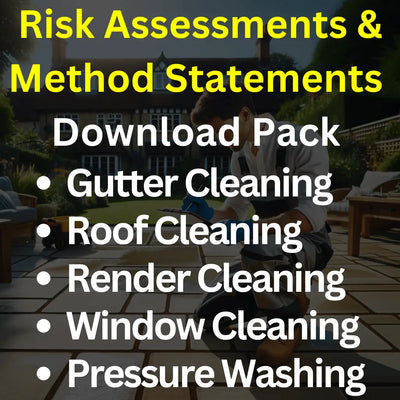
For contractors building professional systems, the Risk Assessment and Method Statement pack for exterior cleaning from SoftWash UK can help structure documentation and reduce the chance of missing key site hazards.
Step 4: Remove Heavy Moss Manually Where Required
Heavy moss should usually be removed before treatment. This can be done with roof-safe scraping tools matched to the tile profile, working carefully to avoid damaging edges and laps. Debris should be collected wherever possible rather than washed straight into gutters and drains.
Contractor’s tip: always inspect and clear gutters after moss removal. Blocked downpipes are a common complaint after roof cleaning, especially on properties with internal downpipes or hidden drainage routes.
Step 5: Apply the Correct Treatment at Low Pressure
Professional roof treatment depends on the contamination, tile type, site conditions and desired finish. SoftWash UK supplies a range of professional softwash chemicals for exterior cleaning applications, but product selection should always be based on the surface, label instructions, dwell time, dilution guidance and safety data sheet.
For roof moss and organic growth management, products such as Clean Guard Pro may be suitable in appropriate circumstances. Contractors should understand how the product works, what surfaces it is intended for, how to protect vegetation and how to prevent uncontrolled runoff.
If you are new to this area, it is worth reading more about softwashing chemicals so you understand the differences between surfactants, biocides, sodium hypochlorite-based mixes and specialist stain removers.
Step 6: Rinse Only Where Necessary and Safe
Not every roof treatment needs immediate rinsing. Some biocidal treatments are designed to work over time, with weathering gradually improving the appearance. On other jobs, a controlled low-pressure rinse may be appropriate. The key is to follow the product instructions and not default to high-pressure washing simply because the customer wants instant results.
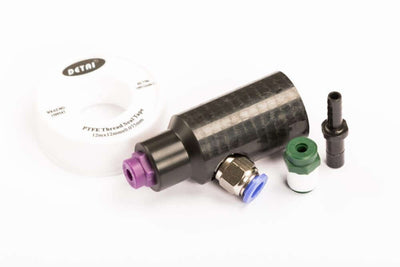
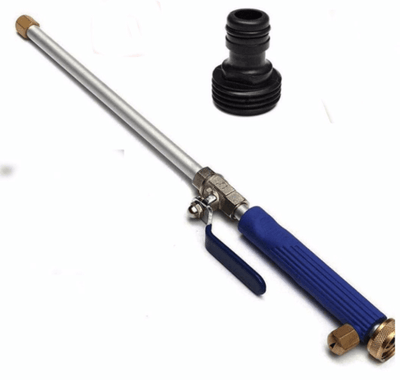
Where rinsing is required, equipment such as low-pressure application systems, appropriate pumps and controlled nozzles are normally preferable to aggressive pressure washer lances. SoftWash UK’s soft washing equipment range includes tools designed for controlled application rather than surface blasting.
Step 7: Inspect, Photograph and Explain the Result
After completion, provide clear before-and-after photographs, note any roof defects observed and set realistic expectations. Some staining improves over days, weeks or months depending on the treatment, contamination and weather. This is especially important for facilities managers who need to report outcomes to clients, landlords or internal teams.
If a residual treatment has been applied, explain expected longevity and any maintenance recommendations. The Knowledge Centre article on how long softwashing lasts is a useful reference when setting customer expectations.
Common Mistakes When Pressure Washing Roof Tiles
Using a Turbo Nozzle
Turbo nozzles are far too aggressive for most roof tiles. They concentrate pressure in a rotating jet and can etch concrete, damage coatings and force water beneath overlaps. They are a common cause of avoidable roof cleaning damage.
Cleaning Upwards Under the Lap
Water should never be directed up underneath tiles. Roof coverings are designed to shed water downwards. Spraying upwards can bypass the tile overlap and drive water into the roof space.
Assuming All Moss Needs Blasting Off
Heavy moss often needs careful mechanical removal, but that does not mean high pressure is the answer. Scraping and collection followed by treatment is usually a more controlled method.
Quoting Without Checking Access
A roof may look straightforward from the ground but become unsafe once work starts. Conservatories, brittle extensions, steep pitches, loose valleys and awkward rear elevations can all change the method and price.
Ignoring Runoff and Plant Protection
Chemical runoff can damage plants, lawns, ponds and neighbouring property if poorly managed. Professional contractors pre-wet vegetation where appropriate, divert runoff, use correct dilution, follow labels and keep rinse water under control.
Promising a Roof Will Look New
Cleaning removes contamination; it does not replace lost tile coating or repair weathered surfaces. Overpromising is a fast route to disputes. Good contractors explain what cleaning can and cannot achieve.
Safety, Compliance and Best Practice Notes
Roof cleaning combines work at height, water, electricity risks, manual handling, potential chemical exposure and public interface hazards. For contractors, a professional roof clean should include more than a van, pressure washer and ladder.
Key best-practice considerations include:
- Written risk assessment and method statement for the site.
- Work at height planning and suitable access equipment.
- COSHH assessment for any cleaning chemicals or biocides used.
- Correct PPE, including eye, skin and respiratory protection where required by the SDS.
- Control of public access below the working area.
- Protection of plants, ponds, pets, vehicles and neighbouring surfaces.
- Weather monitoring, especially wind, rain, ice and high temperatures.
- Safe storage, transport and mixing of chemicals.
- Clear communication with the client about method, limitations and aftercare.
Contractors who work with chemical treatments should also maintain current safety data sheets. SoftWash UK provides Softwash SDS sheets to help professionals keep documentation organised and accessible.
Myths About Pressure Washing Roof Tiles
Myth: Pressure Washing Is Always the Fastest Professional Method
It can look fast on the day, but if it causes leaks, complaints, blocked gutters or rapid regrowth, it becomes expensive. A slower, controlled softwash process is often more profitable because it reduces risk and improves customer satisfaction.
Myth: If the Tile Does Not Break, No Damage Has Been Done
Surface erosion, coating loss and water ingress may not be visible immediately. Some damage only appears after rainfall or in later seasons when the tile becomes more porous or regrowth accelerates.
Myth: Chemicals Are More Dangerous Than Pressure
Both pressure and chemicals can be dangerous if used incorrectly. Professional softwashing is about controlled application, correct product choice, risk assessment and compliance. It is not about careless chemical spraying. Good training helps contractors understand how to clean responsibly.
Myth: A Clean Roof Always Adds Years to the Roof Life
Removing heavy moss can reduce blocked gutters and moisture retention, but cleaning does not make an old roof structurally sound. If the roof is already failing, repairs may be needed before cleaning is considered.
Training and Professional Development
Roof cleaning is one of the areas where training pays for itself quickly. Understanding pressure, chemistry, access planning, substrate identification and customer expectation management helps contractors avoid expensive mistakes. SoftWash UK offers professional training for contractors who want to build a safer, more systematic exterior cleaning business.
If you want to see how professional softwashing training is structured before committing to the full programme, you can try selected lessons from the SoftWash UK course for free. It is a useful way to preview the training and understand the standards, safety thinking and practical approach behind professional softwashing.
Should Serious DIY Users Pressure Wash Their Own Roof Tiles?
For most homeowners and serious DIY users, pressure washing roof tiles is not recommended. The main issue is not whether you can hire or buy a pressure washer. The issue is safe access, roof fragility, water ingress risk, chemical handling and knowing when not to proceed.
If you are determined to clean your own roof, consider whether the work can be safely completed from the ground using appropriate equipment, whether the roof is fragile, whether you understand the treatment being applied and whether you can control runoff. If any of those points are uncertain, it is usually safer and cheaper to use a competent contractor.
FAQ: Can You Pressure Wash Roof Tiles?
Can pressure washing roof tiles cause leaks?
Yes. Pressure washing can force water beneath tile laps, around flashings, under ridge details or through defects in the roof covering. This is especially likely if the operator sprays upwards, uses excessive pressure or works too close to vulnerable details.
Is it better to softwash or pressure wash a roof?
In many cases, softwashing or low-pressure treatment is better because it treats organic growth without relying on aggressive mechanical force. Pressure washing may give an instant result, but it carries higher damage and water ingress risk on many tiled roofs.
Will pressure washing remove moss from roof tiles?
Yes, pressure washing can remove visible moss, but it may not treat remaining spores or root structures. Without a suitable post-treatment, moss, algae and lichen can return more quickly. Manual moss removal followed by a suitable biocidal treatment is often a more controlled professional option.
Can I use a domestic pressure washer on concrete roof tiles?
It is not usually recommended. Domestic machines can still damage weathered concrete tiles, especially when used with aggressive nozzles or too close to the surface. The bigger risks are unsafe access, broken tiles and water being driven beneath overlaps.
Do roof tile manufacturers allow pressure washing?
Manufacturer guidance varies, but many caution against high-pressure cleaning because it can damage the tile surface or affect coatings. Always check the relevant tile manufacturer’s guidance before specifying a cleaning method.
How long does a softwashed roof stay clean?
This depends on the roof pitch, shade, nearby trees, tile condition, local environment and the treatment used. Some roofs stay visibly cleaner for years, while shaded or tree-covered roofs may need more regular maintenance. Setting realistic expectations is part of a professional service.
What is the safest way to clean roof tiles?
The safest method is the least aggressive method that achieves the required result. In many cases, that means a proper survey, safe access, manual moss removal, gutter clearance and low-pressure application of an appropriate treatment, rather than high-pressure washing.
Conclusion: Pressure Washing Roof Tiles Is Possible, But Often Not the Best Choice
So, can you pressure wash roof tiles? Technically, yes, on some suitable roofs with the right controls. But for most UK roof cleaning work, high-pressure washing should not be the default method. The risks of surface damage, water ingress, broken tiles, rapid regrowth and unsafe access are too significant to ignore.
Professional roof cleaning starts with assessment, not pressure. Identify the tile type, check the condition of the roof, plan safe access, remove heavy moss carefully and choose a cleaning or treatment method that protects the property as well as improving its appearance. For many contractors and facilities managers, softwashing provides a more controlled, lower-pressure approach that aligns better with modern best practice.
SoftWash UK supports contractors with professional softwashing chemicals, controlled application equipment, safety documentation and training resources. If you want to improve your roof cleaning knowledge, reduce risk and offer a more professional service, explore the SoftWash UK training course and the wider Softwashing Knowledge Hub for practical guidance built around real exterior cleaning work.