How to Remove Lichen From Roof Tiles Safely and Effectively
To remove lichen from roof tiles, first assess the roof condition and access risks, manually remove any loose moss or heavy organic matter, then apply a suitable professional roof cleaning treatment at low pressure so the biocide can break down the lichen growth over time. Avoid aggressive pressure washing, wire brushing or harsh scraping, as these can damage concrete, clay and slate roof tiles. The safest and most effective approach is usually a controlled softwashing or biocidal treatment method, combined with proper working-at-height precautions, COSHH awareness and runoff management.
For UK exterior cleaning contractors, facilities managers, property maintenance teams and competent DIY users, the key is understanding that lichen is not just surface dirt. It is a living organism that anchors itself tightly to roof tiles. A quick blast with a pressure washer may make the roof look cleaner for a short time, but it can strip protective surfaces, force water beneath laps and leave biological roots behind. A professional roof lichen removal process should focus on controlled cleaning, safe chemical application and long-term regrowth management.
What Is Lichen on Roof Tiles?
Lichen is a slow-growing organism made up of a fungus and an algae or cyanobacteria living together. On UK roofs, it often appears as white, grey, green, yellow or black crusty patches. It is especially common on north-facing elevations, shaded roof slopes, properties near trees and roofs with slow drying times.
Unlike loose moss, lichen bonds closely to the surface of roof tiles. On concrete tiles it can sit within the textured face of the tile. On clay tiles it may attach to the fired surface or pits in the tile. On natural slate it can spread across edges, laps and shaded sections. This strong attachment is why lichen normally needs both physical preparation and an appropriate treatment rather than simple rinsing.
Why Lichen Should Not Be Ignored
Lichen is not always an urgent structural problem, but it can contribute to roof deterioration and maintenance issues over time. Common problems include:
- Increased moisture retention on roof tile surfaces.
- Slower drying after rainfall, frost or dew.
- Blocked gutters and valleys when mixed with moss and debris.
- A patchy, neglected appearance on commercial and residential properties.
- Potential surface erosion if aggressive cleaning methods are used to remove it later.
For facilities managers and property maintenance professionals, lichen also affects the appearance of managed buildings. Hotels, care homes, schools, retail parks and residential blocks often need roofs to look well maintained without exposing the building to unnecessary roof damage or access risk.
The Best Method for Removing Lichen From Roof Tiles
The best method for removing lichen from roof tiles is usually a low-pressure softwashing or biocidal treatment process after sensible manual preparation. This allows the treatment to kill and break down the biological growth rather than relying on force. If you are new to the method, SoftWash UK’s Knowledge Centre guide to softwashing explains the principle in more detail.
In practice, roof lichen removal normally follows this sequence:
- Survey the roof and assess risks.
- Plan safe access and protect surrounding areas.
- Remove loose moss and heavy deposits using non-damaging methods.
- Apply the correct roof-safe treatment at low pressure.
- Allow suitable dwell time according to the product guidance.
- Rinse only where appropriate, or allow weathering to complete the process.
- Check gutters, downpipes, runoff points and nearby sensitive areas.
- Advise the client on realistic results and regrowth management.
Softwashing vs Pressure Washing for Roof Lichen
One of the most common questions from clients is whether a roof can simply be pressure washed. In most cases, high-pressure washing is not the preferred method for lichen on roof tiles. A pressure washer can remove visible growth quickly, but it can also damage the roof surface, dislodge tiles, drive water beneath overlaps and create unnecessary mess.
The difference between softwashing vs pressure washing is important when quoting roof work. Softwashing uses controlled chemical action and low-pressure application. Pressure washing relies mainly on mechanical force. On roofs, lower force is usually safer when the correct treatment, technique and access plan are used.
| Method | How It Works | Advantages | Risks or Limitations |
|---|---|---|---|
| Manual scraping only | Loose growth is removed with roof tile scrapers or brushes. | Reduces bulk moss and debris without chemical use. | Often leaves lichen roots and staining behind; can be slow and access-heavy. |
| Pressure washing | Water force removes visible growth from the tile surface. | Fast visual change when done by experienced operators. | Can damage tiles, remove surface coatings, force water under laps and increase liability. |
| Softwashing or biocidal treatment | A suitable treatment is applied at low pressure to kill and break down organic growth. | Lower mechanical impact, better long-term control and suitable for many roof cleaning programmes. | Requires chemical knowledge, safe handling, runoff control and realistic expectations on weathering time. |
| Combination method | Manual preparation followed by softwash or biocidal treatment. | Often the most practical professional approach for heavy lichen and moss. | Needs proper planning, access equipment, PPE and client communication. |
Step-by-Step Guide: How to Remove Lichen From Roof Tiles
1. Inspect the Roof Before Quoting or Starting Work
Never treat roof lichen removal as a simple “spray and go” job. Before pricing or starting, inspect:
- Tile type: concrete, clay, slate, asbestos cement or coated tiles.
- Roof pitch, height and fragility.
- Existing cracks, slipped tiles, failed pointing or damaged ridge details.
- Gutters, valleys, downpipes and drainage routes.
- Nearby ponds, lawns, planting, painted surfaces and metalwork.
- Access options from the ground, scaffold, tower, MEWP or roof ladder system.
If the tiles are fragile, delaminating, badly cracked or potentially asbestos-containing, stop and seek specialist advice. Cleaning should never make an existing defect worse or put operatives at unnecessary risk.
2. Complete a Risk Assessment and Method Statement
Roof cleaning involves working at height, chemical handling and environmental considerations. Contractors should prepare a suitable risk assessment and method statement before work begins. This should cover access, exclusion zones, public safety, PPE, chemical storage, dilution, application method, runoff control and emergency procedures.
For contractors who want a practical starting point, the SoftWash UK Risk Assessment and Method Statement Pack for Exterior Cleaning can help structure professional documentation. It does not replace site-specific judgement, but it can support a more consistent approach to compliance and client reassurance.
3. Protect the Site and Manage Runoff
Before applying any roof treatment, think about where the liquid will go. Roofs drain into gutters, downpipes, water butts, soakaways, flower beds and sometimes delicate landscaping. On commercial sites, runoff may reach public footpaths, car parks or surface water drains.
Good practice includes:
- Disconnecting or diverting water butts where appropriate.
- Pre-wetting sensitive plants and rinsing them after treatment if needed.
- Using gutter bags, temporary collection or controlled diversion where necessary.
- Protecting metals, painted surfaces and delicate finishes from accidental contact.
- Keeping the public, residents and pets away from the work zone.
4. Remove Loose Moss and Heavy Debris First
Heavy moss should usually be removed before treating lichen. If a roof is covered in thick moss, the treatment may be absorbed by the moss canopy and may not adequately reach the lichen or tile surface below. Use non-damaging tools suited to the roof profile. Many contractors use scraper heads matched to common tile shapes, soft brushes and controlled collection methods.
Avoid metal wire brushes, aggressive grinding attachments or anything that removes the tile surface. On older concrete tiles, the coloured facing may already be weathered. Excessive abrasion can leave the roof looking worse than before and may shorten the life of the roof covering.
5. Apply a Suitable Roof Treatment at Low Pressure
Once the roof is prepared, apply an appropriate treatment using low-pressure softwashing equipment. The aim is even coverage, not blasting. Contractors commonly use professional-grade biocidal cleaners or softwash solutions depending on the roof condition, organism type, surface material and desired result.
SoftWash UK supplies a range of professional softwash chemicals for exterior cleaning applications. For roof-specific jobs, a product such as Clean Guard Pro roof moss killer and cleaner may be considered where the product label, surface suitability and site conditions support its use. Always read the label, follow dilution guidance and work within COSHH requirements.
When discussing softwashing chemicals, it is important to understand that different active ingredients behave differently. Some products are designed for immediate cleaning and oxidation of organic staining, while others work as longer-lasting biocidal treatments that continue to break down growth over time. The right option depends on the job, the roof material, the client’s expectations and the environmental controls available.
6. Use Suitable Application Equipment
Roof lichen treatment is easier and safer when the equipment suits the task. Low-pressure pumps, controlled dosing systems, water-fed pole setups and suitable nozzles can reduce unnecessary roof access and improve application consistency.
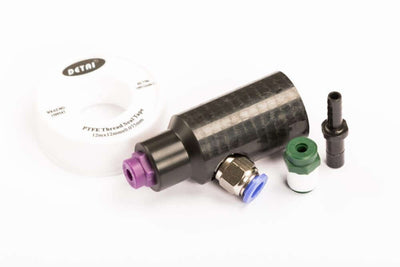
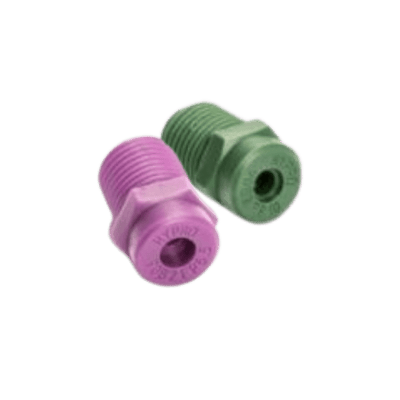
For example, a water fed pole softwash nozzle can help apply treatment from safer working positions where the building layout allows. It will not remove the need for a proper access plan, but it can reduce the temptation to walk on fragile roof areas unnecessarily.
7. Allow Dwell Time and Weathering
Lichen often takes time to disappear fully. Clients may expect an instant “new roof” finish, but with many roof treatments the most responsible result develops gradually. The treatment kills the growth, then weathering, rainfall and natural breakdown reduce the remaining marks.
On some roofs, heavy white or black lichen can take weeks or months to fade significantly. This is normal and should be explained before work starts. The Knowledge Centre article on how long does softwashing last is useful for understanding longevity, expectations and the factors that affect regrowth.
8. Rinse Only Where Appropriate
Some products and methods require rinsing; others are designed to be left to work. Do not assume every roof should be rinsed aggressively after treatment. Rinsing can increase runoff volume, disturb laps or create unnecessary access risk. Always follow product instructions and assess the roof, drainage and surrounding environment before deciding.
9. Clean Gutters and Check the Site
After roof lichen and moss work, gutters often contain debris. Leaving gutters blocked undermines the purpose of the job and can lead to callbacks. Check valleys, outlets, downpipes and collection points. On managed sites, provide before-and-after notes and record any roof defects noticed during the work.
Common Mistakes When Removing Lichen From Roof Tiles
Using Too Much Pressure
High pressure can scar tiles, expose aggregate on concrete tiles and push water beneath overlaps. It can also create huge amounts of slurry and debris that then need to be managed. If the selling point of the job is “we blast it clean”, the method may not be appropriate for many roofs.
Promising Instant Lichen Removal
Some lichen bodies remain visible after treatment while they die and weather away. Overpromising leads to disputes. Explain that softwashing and biocidal roof treatment often continues working after the contractor has left site.
Ignoring Roof Access Rules
Walking on roof tiles without a proper system is dangerous and can break tiles. Working at height must be planned, supervised and carried out by competent people using suitable equipment. Serious DIY users should be especially cautious; if safe access cannot be achieved, use a professional contractor.
Mixing Chemicals
Never mix cleaning chemicals unless the product manufacturer specifically instructs you to do so. Mixing incompatible chemicals can create dangerous gases, heat or uncontrolled reactions. Store chemicals correctly, label containers clearly and transport them safely.
Failing to Protect Plants and Metals
Roof treatments can run into gutters and onto surrounding surfaces. Plants, lawns, leadwork, aluminium, copper, painted trims and some coated surfaces may be sensitive. Pre-wet, shield, divert, rinse and monitor as required by the product and site conditions.
Myths About Roof Lichen Removal
Myth: Lichen Means the Roof Needs Replacing
Not usually. Lichen often indicates shade, moisture and age, but it does not automatically mean the roof has failed. A careful inspection is needed. Cleaning may improve appearance and reduce moisture retention, but damaged tiles, underfelt issues or structural problems require roofing expertise.
Myth: Bleach Alone Is the Professional Answer
Oversimplifying roof treatment as “just bleach it” is poor practice. Professional softwashing requires understanding active ingredients, dilution, dwell time, surfactants, surface compatibility, PPE, COSHH, runoff and environmental responsibility. The chemical is only one part of the method.
Myth: If It Does Not Vanish Immediately, It Has Not Worked
With lichen, visual change can continue long after application. Some growth lightens quickly, while thicker crustose lichen may break down gradually. This is why contractors should set expectations in writing before starting.
Myth: Pressure Washing Is Always Quicker and Therefore Cheaper
A pressure-only approach may appear quicker on the day, but tile damage, water ingress, mess, complaints and faster regrowth can make it more expensive over the life of the maintenance programme. In many cases, softwashing better than pressure washing is the more sensible question to explore for roofs and other delicate exterior surfaces.
Safety and Best-Practice Notes for UK Roof Lichen Removal
Roof cleaning should be planned around safety before appearance. In the UK, contractors must consider working-at-height duties, COSHH, PPE, environmental protection and public safety. Facilities managers should also check contractor competence, insurance, method statements and product safety information before approving work.
- Do not work from ladders where the task requires both hands, extended reach or prolonged application.
- Use scaffold, towers, MEWPs or roof access systems where suitable.
- Wear appropriate PPE for the product and task, including eye, hand, skin and respiratory protection where required.
- Keep Safety Data Sheets accessible and brief operatives before work begins.
- Use signage and barriers where the public or occupants may enter the work area.
- Do not apply treatments in unsuitable weather, including high winds, heavy rain, freezing conditions or extreme heat.
- Never allow untrained staff to handle concentrated chemicals without supervision and instruction.
For contractors who want to build their knowledge before investing in full training, SoftWash UK offers a free course preview with selected lessons from the full training programme. It gives you a practical look at the teaching style, structure and professional approach used inside the course.
How to Price Roof Lichen Removal Work
Pricing roof lichen removal depends on more than square metre area. A small roof with awkward access, fragile tiles and extensive plant protection may take longer than a larger but straightforward roof. Contractors should consider:
- Access equipment costs.
- Tile type and roof pitch.
- Extent of moss, lichen and algae.
- Manual removal time.
- Chemical volume and application method.
- Runoff control and plant protection.
- Gutter clearing and waste disposal.
- Travel, setup, labour and return visits if required.
- Documentation, insurance and compliance costs.
For commercial clients, it can be helpful to offer a maintenance plan rather than a one-off clean. A roof treated at sensible intervals is usually easier to manage than a roof left until lichen, moss and blocked gutters become severe.
When Should Roof Lichen Be Treated?
Roof lichen can be treated for much of the year, but conditions matter. Avoid heavy rain that will wash treatment away before it has worked. Avoid strong winds that increase drift risk. Avoid freezing conditions where access and dwell time become problematic. Mild, dry, calm conditions are usually preferable.
Spring and autumn are often practical seasons for roof cleaning because biological growth is active and temperatures are moderate. However, commercial maintenance schedules may require work at other times, especially before inspections, property sales, planned refurbishments or seasonal gutter maintenance.
What Results Should Clients Expect?
A well-planned roof lichen removal treatment should reduce living growth, improve appearance and slow regrowth. However, results depend on tile age, roof orientation, shade, product choice and how long the lichen has been established.
Set expectations clearly:
- Dead lichen may remain visible temporarily.
- Some staining may fade gradually through weathering.
- Older tiles may not return to their original colour.
- North-facing and shaded areas may regrow sooner.
- Maintenance treatments can extend the clean appearance.
This honest approach builds trust and reduces disputes. It also helps clients understand why professional roof cleaning is a process rather than a simple cosmetic wash.
FAQ: Removing Lichen From Roof Tiles
Can I remove lichen from roof tiles myself?
Competent DIY users may be able to treat small, accessible areas from a safe working position, but roof work is dangerous. If the job requires walking on tiles, working at height, handling professional chemicals or managing complex runoff, it is safer to use a trained contractor. Never take risks with ladders or fragile roofs.
Will vinegar remove lichen from roof tiles?
Vinegar is sometimes suggested online, but it is not a reliable professional method for roof lichen removal. It can be inconsistent, may affect nearby materials and does not replace a properly selected roof treatment. Contractors should use products designed for exterior cleaning and follow the manufacturer’s instructions.
Is it safe to pressure wash roof tiles?
Pressure washing roof tiles can be risky, particularly on older concrete tiles, clay tiles, slate roofs and roofs with existing defects. It may remove surface material, force water under laps or dislodge tiles. Low-pressure softwashing or biocidal treatment is often a safer and more controlled approach when carried out correctly.
How long does it take for lichen to disappear after treatment?
Some lichen lightens within days, but heavy or crusty lichen can take weeks or months to weather away after treatment. The roof material, weather conditions, lichen thickness and product used all affect the timescale.
What is the best chemical for roof lichen?
There is no single best chemical for every roof. The right product depends on the roof tile material, level of growth, site sensitivity, desired speed of visual result and environmental controls. Professional contractors should understand product labels, Safety Data Sheets, dilution, dwell time and surface compatibility before applying any treatment.
Will lichen come back after roof cleaning?
Yes, eventually. Lichen spores are naturally present in the environment. Regrowth is influenced by shade, moisture, trees, roof orientation and local conditions. A professional treatment can slow regrowth, and planned maintenance can keep the roof cleaner for longer.
Conclusion: The Professional Way to Remove Lichen From Roof Tiles
The safest and most effective way to remove lichen from roof tiles is to treat it as a biological growth problem, not just a dirt removal job. Start with a careful survey, plan safe access, remove loose moss and debris, apply a suitable low-pressure roof treatment, control runoff and set realistic expectations about weathering and long-term results.
For UK contractors and property professionals, roof lichen removal is an opportunity to demonstrate competence. Clients are not just buying a cleaner-looking roof; they are relying on you to protect the building, manage risk and use chemicals responsibly. Good preparation, honest communication and proper training are what separate professional softwashing from guesswork.
SoftWash UK supports contractors, facilities teams and serious DIY users with professional softwashing chemicals, equipment, safety resources and industry education. If you want to improve your roof cleaning process, explore the SoftWash UK Knowledge Centre, review suitable roof treatment products and consider structured training so your methods are safe, compliant and commercially sound.