The Most Common Equipment Mistakes New Softwash Contractors Make
New softwash contractors usually make equipment mistakes because they either buy too little, buy the wrong kit, or try to adapt pressure washing equipment for a chemical application process it was never designed for. The most common problems include using incompatible pumps and seals, poor chemical dosing control, unsuitable hoses and fittings, inadequate rinsing capability, weak access planning, no spares, and insufficient safety equipment.
In practical terms, good softwashing is not about owning the biggest machine. It is about applying the correct solution safely, evenly and responsibly to the right surface, then managing dwell time, runoff, rinsing and customer expectations. A modest but well-planned professional setup will outperform an overcomplicated system that leaks, over-applies chemical or cannot reach the work safely.
This guide is written for UK exterior cleaning contractors, property maintenance professionals, facilities managers and serious DIY users who want to avoid expensive equipment errors before they happen.
Quick Answer: What Equipment Mistakes Should New Softwash Contractors Avoid?
The biggest equipment mistakes new softwash contractors make are:
- Using pressure washing equipment where dedicated softwashing equipment is required.
- Choosing pumps that are not chemically compatible.
- Failing to control dilution, flow rate and application volume.
- Buying cheap hoses, reels, fittings and trigger guns that degrade quickly.
- Not carrying enough water, rinse capability or plant protection equipment.
- Ignoring access planning for roofs, render, cladding and awkward elevations.
- Turning up without essential spares, PPE, COSHH information or RAMS.
- Investing in advanced kit before understanding basic softwash application principles.
If you are building your first setup, SoftWash UK’s Knowledge Centre guide on What Equipment Does A New Softwash Contractor Need is a useful starting point before you spend money on pumps, tanks, hoses and application tools.
Why Equipment Choice Matters in Softwashing
Softwashing is a controlled chemical cleaning method used to treat organic growth such as algae, lichen, mould, bacteria and biofilm on exterior surfaces. It is commonly used on render, roofs, cladding, patios, commercial buildings, schools, care homes, retail parks and domestic properties.
Unlike pressure washing, softwashing relies mainly on the cleaning chemistry rather than water pressure. That changes the equipment requirements completely. A pressure washer is designed to deliver high-pressure water. A softwash system must safely handle chemical solutions, deliver controlled low-pressure application and allow the operator to manage surface coverage, dwell time and rinsing.
When equipment is poorly chosen, several problems follow:
- Chemical leaks from incompatible seals or fittings.
- Uneven application causing patchy results.
- Over-application leading to unnecessary runoff and waste.
- Under-application causing poor cleaning performance and rework.
- Damage to sensitive surfaces, plants, metals or surrounding materials.
- Increased operator exposure due to poor lance, hose or PPE choices.
- Unprofessional appearance on site, especially for commercial work.
In the real world, many early failures are not caused by bad chemicals. They are caused by poor equipment selection and poor application control.
Mistake 1: Thinking a Pressure Washer Is a Softwash System
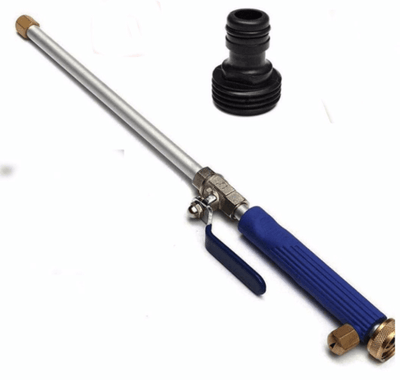
A common myth is that softwashing simply means using a pressure washer on a low setting. This is wrong. A pressure washer can be useful for rinsing, surface preparation or hard surface cleaning, but it is not automatically a softwash system.
Softwashing usually requires low-pressure controlled chemical application. A pressure washer may atomise chemical, drive solution into joints or vents, damage delicate surfaces, and increase airborne exposure if used incorrectly.
Where Pressure Washing Still Has a Place
Pressure washing can still be valuable for:
- Pre-cleaning heavily soiled hard surfaces.
- Rinsing robust areas after treatment where appropriate.
- Cleaning concrete, block paving or certain stone surfaces.
- Removing loose moss or debris before chemical treatment.
However, for render, painted surfaces, roof tiles, cladding and delicate substrates, a dedicated softwash approach is often safer and more effective when correctly specified.
Mistake 2: Buying the Wrong Pump
The pump is the heart of a softwash setup. New contractors often buy a cheap transfer pump, diaphragm pump or agricultural sprayer without checking chemical compatibility, flow rate, pressure range, duty cycle and available spares.
For professional exterior cleaning, a pump must be suitable for the chemicals being used. Sodium hypochlorite, surfactants and biocidal products can be aggressive to unsuitable seals, diaphragms, valves and fittings. A pump that works on clean water may fail quickly when exposed to softwash solution.
What to Look for in a Softwash Pump
- Chemical-compatible seals, valves and diaphragm materials.
- A sensible flow rate for even coverage without excessive runoff.
- Reliable pressure control for low-pressure application.
- Availability of repair kits and replacement parts.
- Good priming performance and predictable behaviour on site.
- Compatibility with your hose diameter, reel and application tools.
Before purchasing, consider whether the pump suits domestic render work, roof treatment, commercial cladding or facilities maintenance tasks. A setup that is ideal for small render elevations may not suit large roof areas or industrial units.
Mistake 3: Not Understanding Dosing and Dilution Control
One of the quickest ways to waste money and create risk is applying solution at the wrong strength. New contractors sometimes mix by guesswork, use unmarked containers or rely on inconsistent downstream injection without testing actual draw rates.
Softwashing requires measured and repeatable dilution. The correct strength depends on the surface, level of organic contamination, product type, weather conditions and label instructions. Stronger is not automatically better. Over-strength application can increase risk to plants, metals, coatings and surrounding areas.
Batch Mixing Versus Proportioning
| Method | How It Works | Advantages | Common Mistakes |
|---|---|---|---|
| Batch mixing | Chemical and water are mixed in a tank before application. | Simple, easy to understand, useful for smaller jobs. | Poor labelling, inaccurate measuring, leftover mixed solution and inconsistent records. |
| Proportioning or injection | Chemical is drawn and mixed at a controlled ratio during application. | Can reduce waste and give better control when correctly calibrated. | Assuming the dial setting equals real-world concentration without testing flow and draw rate. |
For contractors wanting more accurate chemical control, equipment such as the Clever Injector Dosatron can help with proportioning when correctly installed, calibrated and used in line with product guidance. It does not remove the need for training, testing or responsible application.
Mistake 4: Using Cheap or Incompatible Hoses, Reels and Fittings
Many early softwash setups fail at the least glamorous parts: hose tails, barbs, clamps, reels, O-rings and trigger guns. Chemical solution will quickly expose weak points. A small leak on water is inconvenient; a leak with softwash solution is a safety and environmental issue.
Common issues include:
- PVC hose becoming brittle or discoloured after repeated chemical exposure.
- Low-grade brass fittings corroding or reacting with chemical residues.
- Poor hose clamps loosening under pressure.
- Trigger guns sticking, dripping or failing to shut off cleanly.
- Hose reels seizing because they were not designed for chemical duty.
Softwash contractors should use equipment designed for chemical application and should rinse equipment thoroughly after use. SoftWash UK supplies dedicated soft washing equipment for professional exterior cleaning setups, including application tools and accessories selected for this type of work.
Mistake 5: Poor Nozzle Selection and Spray Control
Nozzles control coverage, reach, droplet size and runoff. New contractors often focus on pump pressure but ignore nozzle choice. The wrong nozzle can over-apply solution, create mist, blow chemical onto unintended areas or leave stripes and missed patches.
Good Nozzle Practice
- Use fan patterns for even wall and render application.
- Use lower pressure and controlled flow near windows, vents, doors and electrical fixtures.
- Avoid creating fine airborne mist, especially in windy conditions.
- Test spray pattern with water before applying chemical.
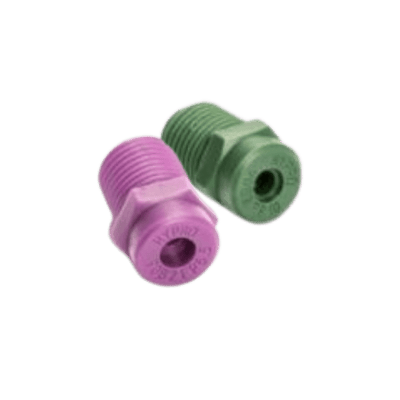
- Keep spare nozzles because wear changes flow rate and application behaviour.
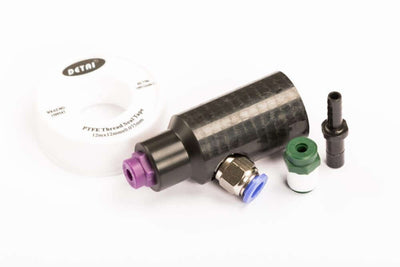
For reaching elevations from the ground, a suitable pole and nozzle arrangement can reduce ladder use when used correctly. A purpose-made water fed pole softwash nozzle can help with controlled application on appropriate surfaces, but operators still need to consider wind, overspray, access and exclusion zones.
Mistake 6: Forgetting Rinsing, Neutralising and Plant Protection Equipment
Some new contractors build a chemical application setup but forget the equipment needed to control the site. This is a serious mistake. Softwashing is not just about applying treatment; it is about protecting the property and surrounding environment throughout the job.
Depending on the work, contractors may need:
- A reliable clean water supply for pre-wetting and rinsing.
- Plant watering equipment and protective sheeting where suitable.
- Gutter bags, runoff control or collection methods where required.
- Separate rinse hoses and spray guns.
- Sprayers for post-treatment plant care where appropriate.
- Absorbent materials and spill response equipment.
Plants, lawns, ponds, painted metals, lead, copper, aluminium and certain coatings can be sensitive to cleaning chemicals. A professional setup includes the equipment to prevent problems, not just equipment to clean the visible surface.
Mistake 7: Carrying Too Little Water
Water planning is often underestimated. On domestic work, contractors assume there will be an outside tap with good pressure. On commercial sites, facilities managers may restrict access, taps may be remote, or water flow may be insufficient for both application and rinsing.
Before quoting or attending site, check:
- Whether water is available and where it is located.
- Flow rate and pressure from the supply.
- Whether a backflow prevention device is required.
- Distance from the water source to the work area.
- Whether stored water is needed in a van-mounted tank or IBC.
A contractor who cannot rinse when needed is exposed to unnecessary risk. For facilities managers, this is one of the key checks when assessing whether a contractor is properly prepared for larger exterior cleaning work.
Mistake 8: Buying Too Much Specialist Kit Too Soon
There is a temptation to build a large van-mounted system before completing enough real jobs to understand your market. New contractors sometimes buy roof pumps, multiple tanks, electric reels, proportioners and specialist lances before they have mastered basic application technique.
A better approach is to start with a professional but manageable setup, learn how it behaves, and upgrade based on the type of work you actually win.
Beginner Setup Versus Overbuilt Setup
| Equipment Decision | Practical Beginner Approach | Common Overinvestment |
|---|---|---|
| Pump system | Chemical-compatible pump suitable for typical render, patio and smaller commercial work. | Large system with complex plumbing before understanding application rates. |
| Hose and reel | Quality chemical-rated hose and reliable manual or compact reel. | Expensive reels paired with unsuitable hose or fittings. |
| Access | Water fed pole, safe ladder use where appropriate, and proper risk assessment. | Buying specialist roof access equipment without training or a clear work type. |
| Chemical control | Measured batch mixing or calibrated proportioning. | Complex dosing systems used without calibration or records. |
For a more structured kit list, refer to SoftWash UK’s guide to softwash equipment for beginners, which explains the core items a new contractor should consider before adding specialist upgrades.
Mistake 9: Neglecting PPE and Operator Safety Equipment
Personal protective equipment is not optional. Softwashing involves chemical handling, working outdoors, managing hoses, dealing with wet surfaces and often working near the public or building occupants.
PPE should be selected according to the chemical safety data sheet, task risk assessment and site conditions. Typical PPE may include:
- Chemical-resistant gloves.
- Eye and face protection.
- Suitable coveralls or protective clothing.
- Chemical-resistant footwear.
- Respiratory protection where the risk assessment identifies a need.
- High-visibility clothing on commercial or public-facing sites.
Contractors should also carry eyewash, clean water, spill kit, first aid provisions and clear emergency procedures. If you employ staff, your responsibilities increase further under UK health and safety law.
Mistake 10: No RAMS, COSHH or Site Documentation
Equipment mistakes are not limited to physical kit. Documentation is part of a professional softwashing setup. Many commercial clients, schools, landlords and facilities managers will expect risk assessments, method statements, COSHH assessments, safety data sheets and evidence of training or competence.
A professional contractor should be able to explain:
- What chemical products are being used.
- How they are diluted and applied.
- How people, plants, pets, vehicles and neighbouring property are protected.
- What PPE is required.
- How runoff, spills and emergencies are managed.
- How access and working at height risks are controlled.
Softwashing businesses that want to improve their compliance systems can use resources such as the Risk Assessment and Method Statement (RAMS) Pack for Exterior Cleaning as a starting point for building professional site documentation. Documentation should always be adapted to the actual job, products, equipment and site conditions.
Mistake 11: Choosing Chemicals Without Considering Equipment Compatibility
Chemical choice and equipment choice must work together. Some products require careful dilution, specific application methods or particular contact times. Others may be designed for longer-term biocidal treatment rather than immediate visual cleaning.
New contractors sometimes buy chemicals first and then discover their sprayer, seals, storage containers or application method are unsuitable. Always check product labels, safety data sheets and supplier guidance before use.
SoftWash UK’s soft wash chemicals range includes professional cleaning products for different exterior cleaning tasks, but the key is selecting the right product for the surface, contamination and method. Responsible chemical use means following label instructions, using appropriate PPE, protecting the site and avoiding unnecessary over-application.
Mistake 12: Not Carrying Spares and Basic Repair Items
Softwash work often fails because of a small part worth a few pounds. A cracked fitting, blocked nozzle or failed seal can stop a job, delay the customer and damage your reputation.
Useful Spares for Softwash Contractors
- Spare nozzles in commonly used sizes and patterns.
- Hose washers, O-rings and seals.
- Hose clamps and spare hose tails.
- PTFE tape and suitable thread sealant where appropriate.
- Spare trigger gun or shut-off valve.
- Basic pump repair parts if compatible with your system.
- Spare PPE including gloves and eye protection.
- Extra labels for containers and sprayers.
Experienced contractors tend to build a “job-saving box” in the van. It is not glamorous, but it often prevents a half-day job becoming a lost day.
Step-by-Step: How to Choose Your First Softwash Equipment Setup
The following process helps new contractors avoid buying unsuitable kit.
- Define your likely work type. Domestic render, commercial cladding, patios, roofs and maintenance contracts all have different equipment demands.
- Identify the surfaces you will clean. Render, painted walls, roof tiles, stone, timber and metalwork all require different care.
- Choose the application method. Decide whether you need batch mixing, proportioning, pump sprayer, trolley system or van-mounted equipment.
- Check chemical compatibility. Confirm pump, hose, fittings, seals and containers are suitable for the intended products.
- Plan water supply and rinsing. Make sure you can pre-wet, rinse and deal with unexpected issues.
- Plan access safely. Consider water fed poles, towers, MEWPs, ladders and working at height requirements.
- Build your safety kit. Include PPE, eyewash, spill kit, first aid and signage.
- Prepare documentation. Have RAMS, COSHH assessments, SDS information and method statements ready.
- Test with water first. Check spray pattern, reach, leaks, flow rate and shut-off before adding chemical.
- Record what works. Keep notes on dilution, dwell time, weather, surface type and results to improve future jobs.
Best-Practice Equipment Checks Before Every Job
A simple pre-start check reduces downtime and improves safety. Before applying any softwash solution, run through the following:
- Inspect hoses for cracks, kinks, swelling or abrasion.
- Check fittings, clamps and reels for leaks.
- Test pump operation with clean water.
- Confirm nozzles produce the expected spray pattern.
- Label all containers clearly.
- Check PPE is available and in good condition.
- Confirm water source and rinse capability.
- Protect plants, metals, ponds and sensitive surfaces.
- Set exclusion zones where the public, staff or residents may be present.
- Review weather conditions, especially wind and rain.
Where Training Helps New Contractors Avoid Equipment Mistakes
Softwashing looks simple from the outside, but the judgement comes from understanding surfaces, chemistry, equipment behaviour, application rates, safety controls and compliance. Training can help contractors avoid costly trial and error.
The Soft Wash Training Course from SoftWash UK is designed to help contractors understand correct application methods, equipment selection, chemical handling and safe working practices. For new businesses, professional training can shorten the learning curve and help you present a more competent service to commercial clients and facilities managers.
Frequently Asked Questions
What is the most important piece of softwash equipment for a beginner?
The most important item is a reliable, chemical-compatible application system. This includes the pump, hose, fittings, trigger gun and nozzles working together. A powerful pump is not enough if the hose leaks, the nozzle over-applies or the fittings degrade after a few uses.
Can I use a pressure washer for softwashing?
A pressure washer can be used for rinsing or certain preparation tasks, but it should not be treated as a complete softwash system. Softwashing normally requires controlled low-pressure chemical application. Using high pressure on delicate surfaces can cause damage and may increase chemical overspray if used incorrectly.
Do I need a van-mounted softwash system to start?
Not always. Many new contractors can start with a professional portable or compact setup, provided it is chemically compatible and suitable for the work being undertaken. A van-mounted system may be useful for higher-volume work, but it should be purchased based on real job requirements rather than appearance.
How do I know if my pump and hose are chemical compatible?
Check the manufacturer’s specifications for the pump, seals, diaphragm, hose lining and fittings. Compare these with the products you intend to use and their safety data sheets. If in doubt, ask a specialist softwashing supplier before using chemical through the equipment.
What equipment do I need for plant protection?
At minimum, you should have clean water for pre-wetting and rinsing, suitable watering equipment, protective coverings where appropriate, and a method for managing runoff. Some sites may require additional controls, especially near ponds, sensitive planting, lawns or public drainage.
Why is my softwash application patchy?
Patchy results are often caused by poor nozzle selection, uneven application, incorrect dilution, insufficient dwell time, dry or hot surfaces, wind drift, or contamination levels varying across the surface. Test your equipment with water, calibrate your application rate and keep detailed job notes.
Conclusion: Buy for Control, Safety and Reliability
The best softwash equipment setup is not the biggest or most expensive. It is the setup that allows you to apply the correct solution safely, consistently and professionally. New contractors should focus on chemical compatibility, controlled dosing, reliable hoses and fittings, safe access, rinse capability, PPE, documentation and training.
Avoiding equipment mistakes saves money, improves results and reduces risk to people, property and the environment. It also helps contractors look more professional when working for homeowners, landlords, facilities managers and commercial clients.
If you are planning your first setup or upgrading unreliable kit, SoftWash UK provides professional softwashing chemicals, equipment, training and educational resources for the UK exterior cleaning industry. Explore the SoftWash UK Knowledge Centre, compare suitable equipment options, and invest in training before taking on higher-risk or larger commercial projects.
For further guidance, visit SoftWash UK to learn more about professional softwashing equipment, safe chemical use and industry best practice.