How Often Should a Roof Be Cleaned?
A typical UK roof should be inspected at least once a year and professionally cleaned or treated when organic growth starts to hold moisture, block gutters, lift tiles, hide defects or affect drainage. In practical terms, most residential and commercial roofs need a full clean every 5 to 10 years, with maintenance inspections and, where suitable, biocide treatment every 2 to 4 years depending on shade, tree cover, roof pitch, tile type and local climate.
There is no single fixed cleaning interval that suits every roof. A north-facing slate roof under trees in Devon may need attention far sooner than a steep south-facing concrete tile roof in a dry, open location. For exterior cleaning contractors, facilities managers and serious DIY users, the right approach is to assess the roof condition, the type of contamination and the risk it creates before deciding whether the roof needs a light maintenance treatment, manual moss removal, softwashing, gutter clearance or a more comprehensive clean.
As a rule of thumb: inspect yearly, clear gutters at least once or twice a year, remove heavy moss when it becomes established, and plan preventative roof treatment before growth becomes thick enough to cause drainage or moisture problems.
Quick Answer: Roof Cleaning Frequency by Situation
| Roof situation | Recommended inspection frequency | Typical cleaning or treatment frequency | Notes |
|---|---|---|---|
| Modern pitched roof in open, sunny location | Annually | Every 7 to 10 years | Usually lower moss pressure, but gutters and valleys still need checking. |
| North-facing or shaded roof | Annually, ideally after autumn | Every 3 to 6 years | Shade and slower drying encourage moss, algae and lichen. |
| Roof beneath trees | Twice yearly | Every 2 to 5 years | Leaf fall, needles, sap and bird activity increase organic soiling. |
| Commercial or facilities-managed property | Quarterly visual checks plus annual survey | Programme-based, commonly every 2 to 5 years | Risk management, drainage and insurance considerations matter. |
| Historic, fragile or delicate roof | Annual specialist inspection | Only when required, using low-impact methods | Avoid aggressive cleaning. Seek conservation-aware advice. |
What Does “Roof Cleaning” Actually Mean?
One common mistake is assuming roof cleaning always means pressure washing. In the exterior cleaning trade, roof cleaning can refer to several different activities. The correct method depends on the roof condition, access, tile type and the biological growth present.
Roof cleaning may include:
- Visual inspection from ground level, scaffold, MEWP or safe access equipment.
- Gutter, valley and downpipe clearance.
- Manual removal of heavy moss using non-damaging tools.
- Application of a suitable biocidal roof treatment where appropriate.
- Low-pressure softwashing to control algae, moss spores and lichen.
- Targeted stain treatment for specific issues such as biological staining or runoff marks.
- Post-clean inspection for cracked tiles, slipped slates, failed flashings or blocked drainage points.
For a deeper explanation of appropriate methods, SoftWash UK has published professional roof cleaning guidance covering how roofs are cleaned safely and responsibly.
Why Roof Cleaning Frequency Varies So Much in the UK
UK roofs are exposed to damp weather, moderate temperatures and long periods of low sunlight, which are ideal conditions for biological growth. Moss, algae and lichen are not just cosmetic in many cases. Once established, they can trap moisture against tiles, slow water runoff, shed debris into gutters and conceal defects that should be repaired.
1. Orientation and sunlight
North-facing roof slopes usually stay damp for longer. East-facing slopes can also remain wet after morning dew. South and west-facing slopes often dry faster, so they may remain cleaner for longer. On many properties, one side of the roof will need treatment years before the other.
2. Tree cover and nearby vegetation
Overhanging trees are one of the biggest drivers of roof contamination. Leaves, pine needles, pollen, sap and bird droppings all contribute to organic matter on the roof surface. Branches also reduce airflow and sunlight, creating a damp microclimate around the tiles.
If you are advising a client, do not just look at the tiles. Look at the site. A shaded bungalow surrounded by trees will usually need a more proactive maintenance plan than a detached house in an open estate.
3. Roof pitch and water runoff
Steeper roofs tend to shed water and debris more effectively. Shallow-pitched roofs can hold moisture and organic debris for longer, especially around laps, valleys, dormers and roof penetrations. Low-pitch roofs often need closer monitoring because localised ponding and debris build-up can create maintenance issues.
4. Tile and covering type
Concrete tiles, clay tiles, slate, fibre cement and coated metal roofing all behave differently. Older porous tiles may support more organic growth than newer, smoother surfaces. Fragile clay tiles and natural slate require especially careful handling because poor access technique can cause breakages.
5. Local climate and pollution
Coastal locations, wooded areas, river valleys and high-rainfall regions can see faster regrowth. Urban environments may also suffer from atmospheric soiling, traffic film and particulate contamination. Facilities managers should factor local exposure into planned preventative maintenance schedules.
How to Tell When a Roof Needs Cleaning
A roof does not need cleaning simply because it has a few light patches of colour variation. However, there are clear signs that cleaning or treatment should be considered.
Signs a roof is due for cleaning or treatment
- Thick moss cushions forming between tile laps.
- Moss falling into gutters, onto paths or into drainage outlets.
- Blocked gutters, hoppers or downpipes after heavy rain.
- Water overshooting gutters because moss is disrupting runoff.
- Persistent damp patches on shaded roof elevations.
- Lichen spots spreading across tiles or slates.
- Algae staining visible from ground level.
- Organic debris collecting in valleys, around chimneys or behind roof windows.
- Hidden cracked tiles or loose ridge work discovered during inspection.
If the main issue is biological growth, it helps to understand the cause. SoftWash UK’s Knowledge Centre article on moss on roof tiles explains why some roofs develop moss quickly while others remain relatively clear for years.
Recommended Roof Cleaning Intervals for Different Users
For exterior cleaning contractors
Contractors should avoid giving every customer the same “clean every X years” answer. A better professional approach is to inspect the site and recommend a maintenance interval based on risk. For example, after a full clean and biocide treatment, a shaded roof under trees may benefit from a re-treatment visit in 2 to 3 years, while a more exposed roof may not need another treatment for 4 to 5 years.
When quoting, explain the difference between a restoration clean and ongoing maintenance. Customers often leave roofs until moss is heavy, then expect a once-only clean to solve the problem permanently. In reality, roofs are exterior surfaces exposed to weather and airborne spores. A planned maintenance cycle usually produces better long-term results and reduces disruption.
For property maintenance professionals
For letting agents, housing associations, schools, healthcare sites, retail parks and commercial landlords, roof cleaning should sit within a wider maintenance programme. The goal is not only appearance. It is drainage performance, defect visibility, slip risk from fallen moss, and protection of rainwater goods.
A sensible facilities schedule may include:
- Quarterly visual checks in high-risk locations.
- Gutter clearance after autumn leaf fall and again in spring if needed.
- Annual roof and drainage condition reporting.
- Biocide treatment cycles based on regrowth rates.
- Immediate action where moss is affecting drainage, access routes or safety.
For serious DIY users
DIY roof cleaning carries significant risk. Falls from height are one of the most serious hazards in property maintenance. If you cannot maintain three points of contact, cannot access the roof safely, or do not understand chemical handling, runoff control and surface compatibility, the safest option is to use a competent professional.
DIY users should limit themselves to safe ground-level inspection, low-level maintenance where appropriate, and arranging professional help for roof access, heavy moss removal or chemical application. Never walk on fragile tiles without suitable access equipment and training.
Moss, Lichen and Algae: Do They Need Different Cleaning Cycles?
Yes. Moss, lichen and algae behave differently, so the cleaning frequency and method may vary.
| Growth type | Typical appearance | Common issue | Maintenance approach |
|---|---|---|---|
| Moss | Green cushions or clumps, often between tile laps | Holds moisture, sheds into gutters, disrupts runoff | Manual removal when heavy, followed by suitable treatment where appropriate |
| Lichen | White, grey, yellow or black crust-like spots | Can be slow to respond and strongly attached | Softwash treatment and patience; avoid aggressive scraping on delicate surfaces |
| Algae | Green, black or dark staining, often on shaded elevations | Visual staining and slippery runoff areas | Low-pressure chemical treatment where suitable |
Heavy moss is generally dealt with differently from lichen staining. In many cases, bulk moss should be removed before treatment so the product can reach the tile surface properly. For more detail, see SoftWash UK’s guidance on roof moss removal before treatment.
Should You Clean a Roof Before It Looks Bad?
In many cases, yes. Preventative roof maintenance is usually easier, safer and less disruptive than leaving contamination until it becomes heavy. A light treatment at the right time can slow regrowth and reduce the need for more invasive cleaning later.
However, unnecessary cleaning should also be avoided. Every access operation carries risk, and every cleaning method has to be suitable for the roof covering. The best contractors do not sell a clean where an inspection and gutter clearance would be enough. They explain the options clearly and recommend the least aggressive method that will solve the problem.
Step-by-Step: How to Decide If a Roof Is Due for Cleaning
- Carry out a ground-level inspection. Use binoculars or a camera zoom to check slopes, ridges, valleys, gutters, chimneys and roof windows.
- Identify the contamination. Decide whether the roof has moss, algae, lichen, leaf debris, atmospheric soiling or a combination.
- Assess drainage impact. Look for blocked gutters, moss in downpipes, overflowing rainwater goods and staining below outlets.
- Consider roof condition. Note cracked tiles, slipped slates, fragile areas, previous repairs, leadwork and access limitations.
- Review site exposure. Check tree cover, shade, orientation, pitch and nearby sources of debris.
- Choose the least aggressive effective method. This may be gutter clearance, manual moss removal, softwashing, treatment only, or specialist cleaning.
- Prepare RAMS and COSHH information. For contractors and commercial sites, risk assessment, method statements and chemical safety information are essential.
- Plan maintenance frequency. Recommend an inspection and treatment cycle based on observed regrowth risk, not guesswork.
For contractors formalising their process, a professional Risk Assessment and Method Statement pack for exterior cleaning can help structure safer working practices and improve client confidence, particularly on commercial and facilities-managed sites.
Softwashing, Pressure Washing and Manual Moss Removal
The question is not only how often a roof should be cleaned, but how it should be cleaned when the time comes. Method selection has a direct impact on roof safety, tile condition and the speed of biological regrowth.
Manual moss removal
Manual removal is often used where moss is thick and physically blocking drainage. The aim is to remove bulk growth without damaging tile edges, coatings or laps. Plastic or purpose-made tools are generally less damaging than harsh metal scrapers, but technique matters. Contractors should avoid forcing tools under tile laps or dislodging fragile coverings.
Softwashing and biocide treatment
Softwashing uses controlled low-pressure application of cleaning and biocidal solutions to treat organic growth. It is particularly useful for algae, residual spores and lichen, and for slowing regrowth after moss has been removed. The correct product, dilution, dwell time, rinsing approach and runoff management must always follow the manufacturer’s instructions and legal requirements.
Where a roof-specific treatment is appropriate, contractors often consider products such as Clean Guard Pro roof moss killer and cleaner as part of a controlled roof maintenance process. Product choice should always be matched to the surface, level of growth, site conditions and safety controls.
Pressure washing
Pressure washing is sometimes used in the market, but it must be approached with caution. High pressure can damage tiles, remove surface coatings, drive water beneath laps, disturb pointing and increase the risk of leaks where used incorrectly. Many roofs are not suitable for aggressive pressure washing.
If a client asks whether roof cleaning can cause harm, the honest answer is yes, if the wrong method is used. SoftWash UK’s article on roof tile damage explains the risks and how professional method selection reduces them.
Equipment Considerations for Roof Maintenance
Roof cleaning equipment should help the operator work safely, accurately and at low pressure where appropriate. For softwashing, controlled application is more important than brute force. Contractors may use specialist pumps, calibrated application systems, water-fed poles, roof scraping systems, access platforms, fall protection and containment equipment depending on the job.
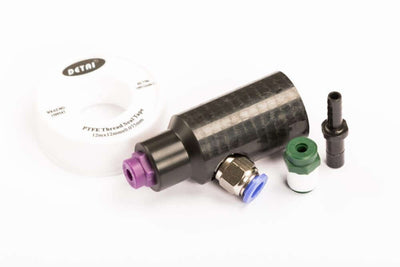
For some low-level or controlled application tasks, a water fed pole softwash nozzle can help apply solution from a safer position, provided the operator is trained, the site is suitable and overspray is controlled. For broader system planning, SoftWash UK’s soft washing equipment range gives contractors an overview of professional application options.
Safety and Best Practice Notes
Roof cleaning is high-risk work. A clean roof is not worth an injury, a damaged property or environmental harm. Whether you are a contractor, facilities manager or competent DIY user, safety planning must come before method selection.
Key safety considerations
- Work at height: Follow UK work at height requirements. Use appropriate access equipment such as scaffolding, towers or MEWPs where needed.
- Fragile surfaces: Do not assume tiles, slates, rooflights or asbestos cement sheets are load-bearing.
- Chemical safety: Follow product labels, SDS information, COSHH requirements, PPE guidance and dilution instructions.
- Runoff control: Protect plants, ponds, watercourses, painted surfaces, metals and sensitive materials.
- Public safety: Use exclusion zones where debris, tools or overspray could affect occupants, visitors or pedestrians.
- Weather: Avoid roof work in high winds, frost, heavy rain or conditions that increase slip risk or overspray drift.
- Documentation: Contractors should provide RAMS, insurance details and evidence of competence where requested.
For contractors who want to improve competence and reduce avoidable mistakes, the Soft Wash Training Course is a useful route into safer chemical application, process selection, pricing, compliance and practical softwashing knowledge.
Common Mistakes and Myths About Roof Cleaning Frequency
Myth 1: “A roof should be cleaned every year”
Most roofs do not need a full clean every year. Annual inspection is sensible; annual full cleaning is usually excessive unless the site has severe contamination or specific commercial requirements. Over-cleaning can create unnecessary cost and access risk.
Myth 2: “Moss is only cosmetic”
Light moss may be mainly visual, but heavy moss can hold moisture, block gutters and interfere with water runoff. It can also fall onto paths and create slip hazards. On commercial sites, this becomes a maintenance and liability issue, not just an appearance issue.
Myth 3: “Pressure washing is the fastest and best option”
Fast does not always mean appropriate. High-pressure cleaning can damage certain roof coverings and may not provide long-term biological control unless followed by a suitable treatment. The safest professional approach is method-led, not machine-led.
Myth 4: “Once treated, moss will never return”
No exterior treatment makes a roof permanently immune to biological growth. Spores, moisture and organic matter will return over time. A good treatment can slow regrowth, but future inspections and maintenance are still required.
Myth 5: “If the roof looks fine from the ground, it needs no maintenance”
Some of the most important issues are not visible from the driveway. Blocked valleys, rear elevations, hidden gutters, rooflight surrounds and chimney abutments can all collect debris. Facilities managers should use scheduled inspection rather than appearance alone.
How Often Should Gutters Be Cleared Alongside Roof Cleaning?
Gutters usually need attention more often than roof surfaces. In many UK properties, gutters should be checked at least once a year and cleared whenever leaf fall, moss or silt affects water flow. Properties under trees may need gutter clearance twice yearly, typically after autumn and again in spring.
For contractors, gutter debris is also a useful diagnostic tool. If gutters are full of moss, the roof is actively shedding organic material and may need moss removal or treatment. If gutters contain gritty tile material, degraded pointing or broken tile fragments, the roof may need inspection by a roofing professional before cleaning is recommended.
Planning a Roof Maintenance Programme
A good maintenance programme is simple, documented and based on site conditions. For a domestic property, this might be a brief annual inspection and gutter clear with a softwash re-treatment every few years. For a commercial estate, it may involve condition reports, photographs, drainage checks, planned access, tenant communication and compliance documentation.
Example maintenance plan for a shaded residential roof
- Year 1: Full inspection, gutter clearance, manual moss removal and suitable treatment.
- Year 2: Visual inspection and gutter clearance after autumn.
- Year 3: Inspection, gutter clearance and localised treatment if regrowth is visible.
- Year 4 or 5: Reassess whether a maintenance treatment is needed.
Example maintenance plan for a commercial property
- Quarterly: Ground-level visual checks after storms and seasonal leaf fall.
- Six-monthly: Gutter and outlet checks in high-risk areas.
- Annually: Roof condition report with photographs and recommendations.
- Every 2 to 5 years: Planned cleaning or treatment depending on growth, drainage and site risk.
Contractors developing roof maintenance services can also explore SoftWash UK’s wider soft wash chemicals range to understand where different products fit into responsible exterior cleaning, always following label guidance and relevant safety data.
FAQ: How Often Should a Roof Be Cleaned?
How often should a house roof be cleaned in the UK?
Most UK house roofs should be inspected annually and cleaned or treated every 5 to 10 years. Shaded roofs, roofs under trees or roofs with heavy moss may need cleaning every 2 to 5 years. The correct interval depends on site exposure, roof condition and the type of growth present.
How often should moss be removed from a roof?
Moss should be removed when it becomes thick enough to hold moisture, block gutters, affect water runoff or fall onto paths and access areas. Light moss does not always require immediate removal, but heavy moss should not be ignored, especially on low-pitch or shaded roofs.
Is roof cleaning necessary before selling a property?
Not always, but a heavily mossed or stained roof can affect kerb appeal and may raise concerns during surveys. Before selling, it is sensible to inspect the roof, clear gutters and consider cleaning if moss is obvious, drainage is affected or defects need to be visible.
Can roof cleaning damage tiles?
Yes, roof cleaning can damage tiles if the wrong method is used. Aggressive pressure washing, poor scraping technique and unsafe foot traffic can break tiles, disturb laps or remove surface coatings. Low-impact methods and correct access planning reduce the risk.
Is softwashing better than pressure washing a roof?
Softwashing is often more suitable for controlling moss spores, algae and lichen because it uses low-pressure application and chemical treatment rather than relying on force. However, the best method depends on the roof material, contamination level and site risk. Heavy moss may still need careful manual removal first.
What time of year is best for roof cleaning?
Spring to early autumn is often practical because conditions are milder and daylight is better. However, roof cleaning can be carried out at other times if weather, access and safety conditions are suitable. Avoid high winds, frost, heavy rain and conditions that increase slip risk or chemical drift.
Conclusion: Clean the Roof When the Roof Needs It, Not by Guesswork
So, how often should a roof be cleaned? For most UK properties, the best answer is: inspect every year, keep gutters clear, and clean or treat the roof when moss, algae, lichen or debris begins to affect drainage, moisture retention, safety or appearance. A full roof clean every 5 to 10 years is common, but shaded, tree-covered and commercial roofs often need more frequent attention.
For contractors and facilities managers, the most professional approach is to assess the roof, document the condition, choose the least aggressive effective method and set a realistic maintenance cycle. For DIY users, the priority is safety. If roof access, chemical handling or surface suitability is uncertain, bring in a competent professional.
SoftWash UK supports the exterior cleaning industry with professional chemicals, equipment, training and educational resources for safe, responsible softwashing. If you want to improve your roof cleaning knowledge, build better maintenance programmes or work more confidently with softwashing methods, explore SoftWash UK’s products, training and Knowledge Centre for practical guidance built around real-world exterior cleaning work.