Patio Cleaning Myths Explained: Practical Advice for Safer, Better Results
Patio cleaning is surrounded by myths: that pressure washing alone solves every problem, that household bleach is a quick fix, that black spots are just dirt, and that all patio materials can be treated the same way. In reality, effective patio cleaning depends on identifying the surface material, the type of contamination, the drainage situation, the surrounding environment and the safest cleaning method for the job.
For UK exterior cleaning contractors, property maintenance professionals, facilities managers and serious DIY users, the key lesson is simple: patios should be cleaned with a method-led approach, not guesswork. Pressure, chemistry, dwell time, agitation, rinsing and post-treatment all have a place, but using the wrong combination can damage stone, harm plants, create slip hazards or leave staining behind.
This guide explains the most common patio cleaning myths, what actually works in practice, and how to choose a safe, professional cleaning process for Indian sandstone, porcelain, concrete, block paving, limestone, slate and other common UK patio surfaces.
Why Patio Cleaning Myths Cause Real Problems
Most patio cleaning problems we see in the trade come from one of three mistakes: too much pressure, the wrong chemical, or no proper diagnosis before starting. A patio can look simple from the gate, but the contamination may include algae, lichen, black spot, moss, oil, rust, tannin staining, cement residue, efflorescence and general atmospheric soiling.
Each of these requires a different approach. Treating them all as “dirt” is where jobs go wrong.
Common consequences of poor patio cleaning include:
- Etched or scarred natural stone from excessive pressure.
- Open joints and displaced kiln-dried sand on block paving.
- Patchy cleaning caused by uneven chemical application.
- Permanent-looking stains that were never treated correctly.
- Plant damage from poor chemical control and rinsing.
- Slip risks from partially treated algae or detergent residue.
- Customer complaints because the patio looks clean when wet but patchy when dry.
A good contractor does not simply “blast it off”. They inspect, test, control and clean in a way that protects the surface and surrounding area.
Myth 1: Pressure Washing Is Always the Best Way to Clean a Patio
Pressure washing is useful, but it is not always the best or safest primary cleaning method. High pressure can remove surface dirt quickly, but it can also open the surface of softer stone, expose aggregates, cut into pointing, force water into joints and leave wand marks.
On some patios, a controlled pressure clean followed by a suitable biocidal treatment is effective. On others, especially delicate natural stone, a softer chemical-led process may provide a cleaner result with less surface damage.
When Pressure Washing Works Well
- Robust concrete slabs with general soiling.
- Block paving where re-sanding is planned afterwards.
- Textured surfaces with heavy mud or loose debris.
- Pre-rinsing before targeted stain treatment.
When Pressure Washing Can Cause Damage
- Soft Indian sandstone if the operator uses a turbo nozzle too closely.
- Limestone and slate, which may mark or delaminate.
- Older patios with weak pointing or loose joints.
- Porcelain tiles where pressure removes dirt but not embedded staining in grout lines.
Professional patio cleaning is often about reducing reliance on pressure. The right chemistry, dwell time and rinsing technique can do much of the work before the lance or surface cleaner is used.
Myth 2: Household Bleach Is the Same as Professional Patio Cleaning Chemistry
Household bleach and professional exterior cleaning chemicals are not the same thing in terms of strength, consistency, labelling, intended use, safety documentation or application control. Using domestic bleach as a patio cleaner can be unreliable, unsafe and difficult to manage on larger exterior surfaces.
Professional contractors should use products that are suitable for exterior cleaning, supported by safety data sheets, correct dilution guidance and risk controls. SoftWash UK supplies a range of professional softwash chemicals designed for exterior cleaning applications, but chemical choice must always be based on the surface, contamination and site conditions.
It is also important to understand that not every stain is organic. A biocidal or oxidising cleaner may help with algae and lichen, but it will not remove every rust stain, oil mark or mineral deposit. Matching the product to the problem is essential.
Myth 3: Black Spots Are Just Dirt
Black spots on patios are commonly caused by lichen, not ordinary dirt. Lichen forms a tough biological growth that bonds tightly to stone and paving. It is especially common on Indian sandstone, concrete slabs and shaded patios with poor air movement.
Pressure washing may remove the top of the growth, but the root-like structure can remain embedded in the surface. That is why black spots often reappear quickly after a pressure-only clean.
Practical Approach to Black Spot Removal
- Inspect the surface and confirm that the staining is likely biological rather than mineral or chemical staining.
- Remove loose debris, moss and soil before applying any treatment.
- Apply a suitable exterior cleaning chemical at the correct dilution.
- Allow adequate dwell time while keeping the surface controlled and preventing run-off into sensitive areas.
- Agitate where required, especially on textured stone.
- Rinse thoroughly and reassess once dry.
- Consider a post-treatment where appropriate to slow biological regrowth.
Black spot work requires patience. Contractors should explain to clients that heavily colonised patios may need staged treatment rather than aggressive pressure in one visit.
Myth 4: All Patio Materials Can Be Cleaned the Same Way
This is one of the most expensive patio cleaning myths. Different paving materials behave very differently. A process that works well on concrete can damage limestone. A chemical that brightens one surface may discolour another. A pressure setting that is safe for block paving may mark softer stone.
| Patio Surface | Common Issues | Best-Practice Cleaning Notes |
|---|---|---|
| Indian sandstone | Black spot, algae, lichen, colour variation, absorbency | Use careful chemical selection, controlled pressure and always test first. Avoid aggressive close-range turbo nozzle use. |
| Porcelain | Surface film, grout staining, algae on joints, installation residue | Often needs detergent, agitation and thorough rinsing. Avoid assuming high pressure alone will clean grout lines properly. |
| Concrete slabs | Algae, moss, carbon staining, general grime | Usually robust, but can still be etched by excessive pressure or harsh technique. |
| Block paving | Moss in joints, weeds, oil stains, sand loss | Plan for joint cleaning, rinsing and re-sanding. Treat oil separately before full washing where possible. |
| Limestone | Organic growth, fading, sensitivity to acidic products | Requires particular caution. Avoid acidic cleaners unless the product is confirmed suitable and tested. |
| Slate | Layering, algae, fragile edges | Use low pressure and cautious chemical application. Watch for delamination on older or poor-quality slate. |
Always test an inconspicuous area before full-scale cleaning. This is especially important on natural stone, sealed patios and surfaces where previous treatments are unknown.
Myth 5: If the Patio Looks Clean When Wet, the Job Is Finished
Wet paving hides a lot. Contractors know that a patio can look excellent immediately after rinsing, then dry back patchy, streaky or stained. This is why final inspection should ideally include a dry-down assessment, especially on high-value stone or commercial sites where appearance matters.
Common dry-back issues include:
- Remaining black spot that was invisible when wet.
- Wand marks from uneven pressure washing.
- White deposits such as efflorescence.
- Oil shadows that need further treatment.
- Rust stains from furniture feet, irrigation systems or metal fixings.
For facilities managers, it is worth scheduling patio cleaning when there is enough time for inspection before reopening a public area. This reduces the risk of missed contamination, chemical residue or avoidable slip hazards.
Myth 6: Oil Stains Will Come Out with Normal Patio Cleaner
Oil stains are not the same as algae or dirt. Engine oil, cooking oil, grease and hydraulic fluid can soak into porous paving. If a contractor simply pressure washes over oil, the stain may spread, sink deeper or leave a shadow.
Fresh oil should be absorbed as quickly as possible before washing. Older oil marks usually need a dedicated degreasing or stain removal process. For driveway and paving oil contamination, products such as Grenade professional oil stain remover can be useful where the surface is suitable and the instructions are followed carefully.
Oil Stain Best Practice
- Do not start by blasting the stain with high pressure.
- Identify how long the oil has been present.
- Check whether the paving is sealed or porous.
- Use a suitable oil stain remover and allow the correct dwell time.
- Agitate if recommended by the product instructions.
- Rinse and repeat only if the surface and product guidance allow.
Set realistic expectations. Deep oil staining on porous stone may improve significantly but not always disappear completely in one treatment.
Myth 7: Rust Stains Are Permanent
Rust stains often look permanent, particularly on pale sandstone, porcelain, concrete and limestone. They may come from metal patio furniture, barbecues, fertiliser granules, irrigation water, tools, fixings or steel objects left on the surface.
Many rust stains can be treated, but they need the correct specialist product. Generic patio cleaner or pressure washing will usually have little effect. For suitable surfaces, Rust X Pro rust stain remover is designed for targeted rust stain removal. As with all stain removers, test first and confirm suitability for the paving material.
Be careful with acid-based products. Some natural stones, especially limestone and calcium-rich materials, may react badly to acidic cleaners. If in doubt, test, research the stone type and avoid unnecessary risk.
Myth 8: Stronger Chemicals Always Give Better Results
Stronger is not always better. More chemical does not automatically mean a cleaner patio. Over-application can increase risk, waste product, damage sensitive materials, harm nearby vegetation and create unnecessary compliance issues.
Good softwashing and patio cleaning rely on controlled application. That means using the right product, correct dilution, sufficient dwell time, suitable surfactant where appropriate, and proper rinsing or neutralisation according to the product guidance.
Contractors should focus on process, not brute force. A measured approach usually produces better results and fewer problems.
Key Chemical Safety Points
- Read the product label and safety data sheet before use.
- Wear appropriate PPE, including eye protection and chemical-resistant gloves where required.
- Protect plants, lawns, ponds, metals and sensitive surfaces.
- Control run-off and avoid discharge into watercourses.
- Never mix chemicals unless the manufacturer specifically states it is safe.
- Store and transport chemicals securely and legally.
For professional contractors, proper paperwork matters. A site-specific risk assessment and method statement helps demonstrate a safe system of work. SoftWash UK’s Risk Assessment and Method Statement pack for exterior cleaning can help contractors build more professional safety documentation for exterior cleaning jobs.
Myth 9: Patio Cleaning Is Only About Appearance
A clean patio is not just about kerb appeal. In commercial and public environments, algae, moss and biofilm can create slip hazards. For facilities managers, schools, hospitality venues, care homes and retail sites, exterior hard surface cleaning is often part of planned maintenance and health and safety control.
Cleaning should consider:
- Slip risk in shaded and high-footfall areas.
- Drainage and standing water.
- Access routes for customers, staff or residents.
- Safe exclusion zones during cleaning.
- Drying times before reopening the area.
- Residue removal to avoid post-cleaning hazards.
Contractors who understand these practical issues are more valuable than those who only quote for a quick wash. For commercial clients, method, timing and risk control are just as important as the visual result.
A Practical Step-by-Step Patio Cleaning Process
The exact method will vary depending on surface type and contamination, but the following process is a useful professional framework.
Step 1: Survey the Patio
Identify the paving material, age, condition, jointing, drainage and surrounding risks. Look for fragile edges, failed pointing, loose slabs, previous sealers, nearby planting, ponds, electrical points and public access routes.
Step 2: Identify the Contamination
Separate organic growth from staining. Algae, moss and lichen need a different approach from oil, rust, cement, tannins or efflorescence. If you cannot identify the stain, test in a small area rather than guessing.
Step 3: Choose the Method
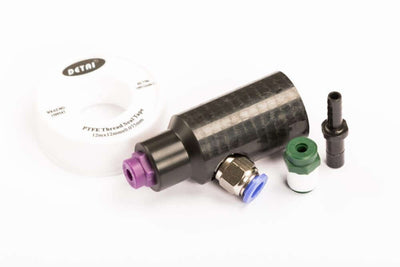
Decide whether the job requires pressure washing, softwashing, detergent cleaning, stain removal, agitation, post-treatment or a combination. Professional-grade soft washing equipment can help apply solutions more evenly and safely than improvised methods, particularly on larger patios and commercial sites.
Step 4: Protect the Site
Pre-wet plants where appropriate, move furniture, cover or isolate sensitive items, manage run-off and set up exclusion zones. On commercial sites, communicate with staff and visitors before work starts.
Step 5: Test Before Full Application
Use a small inconspicuous area to check for colour change, surface reaction, sealer damage or unexpected staining. This is vital on natural stone and previously sealed patios.
Step 6: Clean in Controlled Sections
Work logically so dwell time is consistent. Avoid letting chemicals dry on the surface unless the product instructions specifically allow it. Keep rinse water under control and prevent overspray.
Step 7: Rinse, Inspect and Re-Treat if Needed
Rinse thoroughly and inspect the patio as it dries. Some black spot, oil and rust stains may need targeted re-treatment. Avoid overworking the entire patio if only isolated stains remain.
Step 8: Advise on Maintenance
Explain how the client can reduce regrowth: improve airflow, trim overhanging vegetation, brush away leaves, fix drainage problems and schedule routine maintenance before the patio becomes heavily colonised again.
Pressure Washing Versus Softwashing for Patios
Pressure washing and softwashing are not enemies. They are different tools. The skill is knowing when to use each one.
| Method | Strengths | Limitations | Best Used For |
|---|---|---|---|
| Pressure washing | Fast removal of loose dirt, moss and surface debris | Can damage soft stone, joints and edges if misused | Robust paving, pre-cleaning, rinsing and heavily soiled surfaces |
| Softwashing | Treats organic growth at source and reduces reliance on high pressure | Requires chemical knowledge, dwell time and careful site control | Algae, lichen, black spot and maintenance cleaning |
| Targeted stain removal | Addresses specific stains such as oil or rust | Requires correct diagnosis and surface testing | Localised staining that general cleaning will not remove |
| Manual agitation | Improves chemical contact on textured surfaces | Labour-intensive on large areas | Porcelain, grout lines, textured stone and stubborn soils |
Common Patio Cleaning Mistakes to Avoid
- Using a turbo nozzle too close to natural stone: This can leave permanent striping or surface scarring.
- Applying chemicals without pre-wetting or plant protection: Sensitive planting can be damaged quickly.
- Ignoring drainage: Poor run-off control can move contamination into lawns, beds, drains or neighbouring areas.
- Cleaning over oil before treating it: This can spread the stain and make removal harder.
- Not testing sealed patios: Some chemicals and pressure settings can damage or unevenly strip sealers.
- Promising perfection before inspection: Old staining, deep oil and damaged stone may not fully restore.
- Leaving joints unstable: Block paving and some slab joints may need re-sanding or repair after cleaning.
Best-Practice Notes for Contractors and Facilities Managers
Professional patio cleaning should be planned like any other exterior maintenance task. That includes safe access, public protection, chemical handling, waste water management and realistic scheduling.
For contractors who want to improve their technical knowledge, the SoftWash UK softwash training course provides structured education on safe and responsible softwashing methods, chemical use, equipment and practical application. Training is particularly valuable for contractors moving from pressure washing into chemical-led exterior cleaning.
Best practice includes:
- Carry out a written risk assessment for commercial or higher-risk work.
- Use appropriate PPE and ensure staff understand the products being used.
- Keep customers, residents and the public away from the working area.
- Use controlled application equipment rather than uncontrolled pouring or splashing.
- Follow manufacturer instructions for dilution, dwell time and rinsing.
- Keep records of chemicals used, test patches and customer approvals.
- Do not treat patios in unsuitable weather, such as heavy rain, strong wind or extreme heat.
Frequently Asked Questions About Patio Cleaning Myths
Is pressure washing bad for patios?
Pressure washing is not automatically bad, but it can damage patios when used incorrectly. High pressure, close-range nozzles and aggressive turbo tips can scar natural stone, remove jointing and leave visible lines. The safest approach is to match the pressure, nozzle and technique to the surface.
What is the best way to remove black spots from a patio?
Black spots are usually lichen and often need a chemical-led treatment rather than pressure washing alone. The best method is to clean the surface, apply a suitable exterior cleaning solution, allow correct dwell time, agitate if needed, rinse and reassess. Severe black spot may require more than one treatment.
Can I use bleach to clean my patio?
Some patio cleaning processes use oxidising chemistry, but household bleach is not the same as professional exterior cleaning products. If chemicals are used, they should be suitable for the surface and job, applied at the correct dilution, supported by safety information and handled with proper PPE and environmental controls.
Why does my patio go green again after cleaning?
Green growth returns when moisture, shade and organic matter remain. Patios under trees, north-facing areas and poorly drained surfaces are more likely to regrow algae. A post-treatment and routine maintenance plan can slow regrowth, but drainage and airflow also matter.
Will patio cleaning remove oil stains?
General patio cleaning may not remove oil stains, especially if the oil has soaked into porous paving. Oil usually needs a targeted stain remover or degreasing process before general cleaning. Older stains may improve but not always disappear completely in one visit.
Is porcelain patio cleaning different from sandstone cleaning?
Yes. Porcelain is dense and often needs detergent, agitation and attention to grout lines, while sandstone is more porous and prone to black spot and surface variation. Both should be tested first, but the cleaning process and risks are different.
Should patios be sealed after cleaning?
Sealing can help some patios resist staining and make maintenance easier, but it is not suitable for every surface or situation. The patio must be properly cleaned, dry and compatible with the chosen sealer. Poor sealing can trap moisture, create patchiness or increase slipperiness if the wrong product is used.
Conclusion: Good Patio Cleaning Starts with Diagnosis, Not Guesswork
The biggest patio cleaning myth is that every patio needs the same treatment. In practice, the best results come from understanding the surface, identifying the contamination and choosing the safest method. Pressure washing, softwashing, stain removal and manual agitation all have a place, but none should be used blindly.
For UK contractors and maintenance professionals, better patio cleaning means fewer damaged surfaces, safer sites, improved customer outcomes and more professional standards. For serious DIY users, it means knowing when a job is straightforward and when specialist knowledge, products or training are needed.
SoftWash UK supports the exterior cleaning industry with professional chemicals, equipment, training and educational resources for safe, responsible softwashing and hard surface cleaning. To build your knowledge, improve your working methods and choose suitable products for patio and exterior cleaning projects, visit SoftWash UK and explore the resources available for contractors and property professionals.