What New Softwash Contractors Often Get Wrong
New softwash contractors usually get into trouble for the same reasons: they treat softwashing like low-pressure pressure washing, they underestimate chemical safety, they fail to survey the surface properly, and they quote jobs before understanding the real time, risk and method involved. The work may look simple from the outside, but professional softwashing depends on correct diagnosis, controlled application, dwell time, plant protection, runoff management, safe access, suitable equipment and clear customer communication.
For UK exterior cleaning contractors, property maintenance professionals, facilities managers and serious DIY users, the most important lesson is this: softwashing is not just “spray and walk away”. It is a controlled cleaning process that uses carefully selected chemicals, safe working methods and practical judgement to remove or control organic growth, staining and soiling without unnecessary pressure damage.
This article explains the most common mistakes new softwash contractors make, why they happen, and how to avoid them on real jobs.
1. Thinking Softwashing Is Just Pressure Washing With Chemicals
One of the biggest early mistakes is assuming softwashing is simply pressure washing with a chemical pre-treatment. In reality, the approach is different.
Pressure washing relies mainly on mechanical force. Softwashing relies mainly on the correct chemistry, coverage, dwell time and controlled rinsing or natural weathering, depending on the surface and cleaning objective.
| Method | Main Cleaning Action | Typical Risk If Misused | Common Applications |
|---|---|---|---|
| Pressure washing | High-pressure mechanical force | Surface damage, water ingress, blown joints, etching | Hard surfaces such as concrete, block paving and some stone |
| Softwashing | Chemical cleaning and biocidal treatment with low-pressure application | Chemical misuse, plant damage, poor results from wrong dilution or dwell time | Render, roofs, cladding, masonry, patios, driveways and exterior walls |
A new contractor may pressure wash delicate render to “finish the job faster”, only to leave wand marks, strip paint or force water behind cracks. A more professional approach is to identify the substrate, test a small area, use a suitable treatment method and allow the chemistry to do the work.
2. Poor Surface Diagnosis Before Quoting
Many problems start before the job is even booked. New contractors often quote from photos alone or price by square metre without understanding what they are looking at.
Green algae, black lichen, moss, traffic film, carbon staining, rust staining, lead staining and oil contamination all require different thinking. A clean-looking conservatory roof, for example, may be a straightforward maintenance wash, while a heavily colonised render elevation with cracks, failed paint and poor drainage may need a much more cautious plan.
What to check before accepting a softwash job
- The surface type: render, K Rend, painted masonry, slate, concrete tile, clay tile, UPVC, metal cladding, timber or natural stone.
- The type of soiling: algae, moss, lichen, mould, atmospheric staining, rust, oil or general dirt.
- Surface condition: cracks, flaking paint, loose pointing, friable stone, damaged seals or previous coating failure.
- Drainage and runoff routes: gullies, lawns, flower beds, watercourses, ponds and public paths.
- Access requirements: ladders, towers, MEWPs, roof access, fragile surfaces and working at height risks.
- Neighbouring risks: parked cars, glass, untreated timber, metals, pets, children and public access.
A proper survey protects the customer and the contractor. It also helps avoid unrealistic expectations. Some stains can be removed quickly; others fade over time or require specialist products. Some surfaces should not be treated aggressively at all.
3. Guessing Chemical Dilution Instead Of Working To A Method
Guesswork is one of the quickest ways to produce inconsistent results. New contractors sometimes mix “a bit stronger” when a job looks bad, or they copy a dilution they saw online without considering the surface, product label, weather, organic load or local risks.
Professional softwashing starts with understanding the product being used, the active ingredient, the manufacturer’s instructions, the target surface and the cleaning objective. The safest and most effective approach is controlled application, not stronger-for-the-sake-of-it mixing.
SoftWash UK supplies a range of professional soft wash chemicals for different exterior cleaning tasks, but product selection must always be matched to the surface and used responsibly. Contractors should read labels, follow safety data information, complete a risk assessment and never mix chemicals unless the product guidance specifically allows it.
Common chemical mistakes
- Using the same mix on every surface.
- Applying chemicals in hot sun and letting them dry too quickly.
- Failing to pre-wet or protect sensitive vegetation where required.
- Not allowing adequate dwell time.
- Over-applying product and creating unnecessary runoff.
- Using inappropriate chemical combinations.
- Failing to carry neutralisation, rinsing or spill-control equipment where needed.
In practice, many poor results are not caused by weak chemicals. They are caused by poor coverage, poor dwell time, incorrect surface preparation or choosing the wrong treatment for the type of contamination.
4. Underestimating Plant, Metal And Property Protection
Softwash work is often carried out around gardens, painted surfaces, copper pipework, lead flashing, aluminium frames, stainless steel fixings and delicate finishes. New contractors can focus so much on the dirty wall or roof that they forget the surrounding environment.
Plant damage is one of the most common complaints in exterior cleaning. It may not always show immediately. Leaves can brown later, especially in warm weather or when chemicals have been allowed to sit in beds, lawns or pots.
Practical protection steps
- Survey the site and identify sensitive plants, metals, ponds and runoff routes.
- Move pots, furniture, doormats and loose items where possible.
- Pre-wet plants and surrounding vegetation where appropriate.
- Control overspray using low-pressure equipment and suitable nozzles.
- Work in manageable sections rather than flooding large areas.
- Rinse or manage overspray and runoff in line with product guidance and site conditions.
- Recheck the area before leaving, especially in warm or windy conditions.
On commercial sites, facilities managers will usually expect a clear method statement, evidence of competence and an understanding of how public areas, drainage and landscaping will be protected. Turning up with no site controls is a fast way to lose trust.
5. Poor Risk Assessment And Weak Compliance Documentation
Softwashing involves working with chemicals, water, access equipment and public-facing environments. UK contractors should be thinking about COSHH, PPE, safe storage, transport, spill control, working at height, public protection and environmental responsibilities.
New contractors often wait until a commercial client asks for documentation before preparing it. That is the wrong way round. Risk assessments and method statements should form part of the job planning process, not an afterthought.
For contractors building a professional operation, a structured Risk Assessment and Method Statement pack for exterior cleaning can help standardise how you identify hazards, document control measures and communicate safe working methods to clients.
Basic safety controls every contractor should consider
- Correct PPE for the product and task, including eye and skin protection where required.
- COSHH assessment and access to product safety information.
- Controlled chemical storage, labelling and transport.
- Spill response materials and clean water on site.
- Clear exclusion zones for the public, pets and untrained staff.
- Safe access planning for roofs, gutters, elevations and awkward elevations.
- Weather checks for wind, rain, freezing conditions and hot sun.
- Clear customer communication before, during and after the job.
Good documentation does not replace competence, but it helps contractors think properly before work starts. It also reassures property managers that the contractor is not improvising on site.
6. Buying Equipment Before Understanding The Work
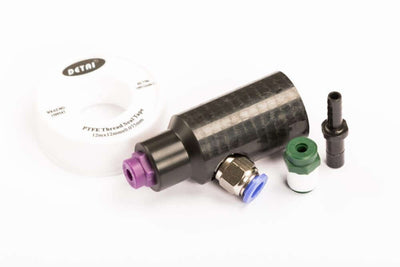
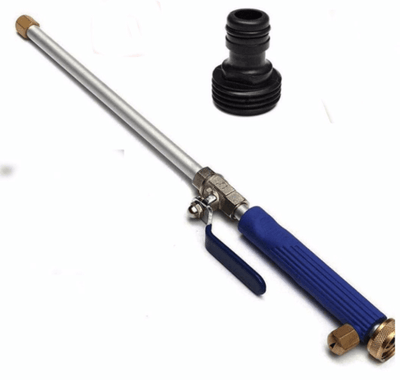
New contractors often buy pumps, reels, tanks, lances and nozzles before they understand the type of work they want to target. The result is equipment that is too powerful, too weak, incompatible with chemicals, awkward to transport or unsuitable for the surfaces they intend to clean.
Professional equipment should make the job safer, more controlled and more repeatable. For example, a contractor cleaning large commercial cladding elevations has different needs from someone treating small domestic patios and rendered garden walls.
SoftWash UK offers professional soft washing equipment designed for controlled application. The key is not simply buying the biggest setup; it is choosing equipment that matches your services, vehicle, operator skill level and site risks.
Equipment mistakes to avoid
- Using unsuitable seals, hoses or fittings with chemical products.
- Relying on pressure washer downstreaming for every job without understanding limitations.
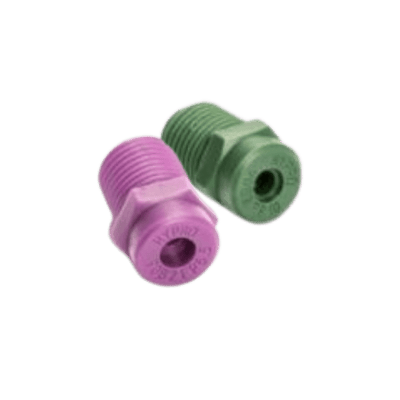
- Using nozzles that create too much overspray in windy conditions.
- Carrying insufficient hose length and dragging equipment through gardens.
- Not having clean water available for rinsing, emergency washing or plant protection.
- Failing to maintain pumps, filters, batteries and connectors.
The best equipment setup is the one that allows measured, controlled work. Over-application is wasteful, risky and usually a sign that the operator has not mastered coverage.
7. Ignoring Weather Conditions
Weather can make or break a softwash job. New contractors sometimes push ahead because the diary is full, but poor conditions increase risk and reduce performance.
| Weather Condition | Why It Matters | Best-Practice Response |
|---|---|---|
| High wind | Increases overspray risk to plants, cars, glass and pedestrians | Postpone exposed work or adjust method and exclusion zones |
| Hot sun | Chemicals may dry too quickly and stain-sensitive surfaces may be stressed | Work in smaller sections, pre-wet where suitable and avoid peak heat |
| Heavy rain | Can dilute treatment, reduce dwell time and increase runoff | Reschedule where the treatment requires dry dwell time |
| Freezing weather | Slip hazards, poor chemical performance and surface risks | Avoid work where ice or freezing conditions affect safety |
Experienced contractors build weather flexibility into their diary. It is better to move a job than risk damage, poor results or a complaint.
8. Promising Instant Results On Every Surface
Softwashing results vary. Some surfaces brighten almost immediately. Others improve gradually over days, weeks or months as organic growth dies back and natural weathering helps remove residue.
New contractors often create problems by promising a surface will look “like new” on the day. This is rarely wise, especially on old render, porous stone, heavily colonised roofs or surfaces with permanent staining.
How to set realistic customer expectations
- Explain what the treatment is designed to remove or control.
- Clarify whether rinsing is included or whether weathering will complete the process.
- Point out existing defects before work starts.
- Use before photos to document the original condition.
- Explain that black lichen, deep staining or aged surfaces may need follow-up treatment.
- Avoid “like new” language unless you are certain the surface can achieve that finish.
A confident contractor is not someone who promises miracles. It is someone who explains the likely outcome honestly and then delivers the agreed method professionally.
9. Underpricing Jobs And Forgetting The Hidden Costs
Underpricing is common among new softwash contractors. They price for the spraying time but forget travel, setup, protection, access, chemical cost, water, PPE, insurance, admin, disposal considerations, post-job checks and customer communication.
A small rendered elevation may take only a short time to treat, but if it involves plant protection, awkward access, neighbour management and return visits, it is not a “quick spray”.
What a professional quote should consider
- Survey time and customer communication.
- Chemical and consumable cost.
- Equipment wear, fuel, water and vehicle costs.
- Labour time for setup, protection, application, rinsing and pack-down.
- Access equipment or specialist height access.
- Risk level, public interface and environmental controls.
- Insurance, training, documentation and business overheads.
- Potential follow-up visits or staged treatments.
Cheap work often leads to rushed work. Rushed work is where most complaints start.
10. Not Investing In Training Early Enough
Many contractors try to learn softwashing entirely from social media posts, hearsay and short videos. While online discussion can be useful, it is no substitute for structured training that explains safety, chemistry, surface diagnosis, equipment, application methods and customer management.
A professional soft wash training course helps contractors build a method rather than relying on trial and error. Training is especially valuable when contractors want to work on commercial properties, roofs, render, cladding or higher-risk sites where mistakes can be costly.
If you want to see how professional softwashing training is structured before committing to the full programme, you can try selected lessons from the SoftWash UK course for free. It is a useful way to preview the training and understand the standards, safety thinking and practical approach behind professional softwashing.
A Practical Step-By-Step Method For Avoiding Beginner Softwash Mistakes
The exact method depends on the surface, product and site, but the following framework helps new contractors work more professionally.
Step 1: Survey the site properly
Identify the surface, contamination, defects, access issues and environmental risks. Take photos before quoting.
Step 2: Choose the correct cleaning approach
Decide whether the job needs softwashing, pressure washing, manual removal, specialist stain treatment, rinsing, repeat treatment or a combination of methods.
Step 3: Complete risk assessment and method planning
Consider COSHH, PPE, working at height, public safety, runoff, plant protection and emergency controls.
Step 4: Prepare the site
Move items, protect vulnerable areas, manage access and communicate clearly with the customer or site contact.
Step 5: Apply with control
Use suitable equipment, avoid excessive overspray, keep to manageable sections and follow product instructions.
Step 6: Monitor dwell time
Do not rush the chemistry. Watch the surface, weather and runoff risk. Reapply only where appropriate and safe.
Step 7: Rinse, leave to weather or follow the specified process
Different surfaces and products require different finishing methods. Follow the product guidance and the agreed specification.
Step 8: Check the site before leaving
Inspect plants, drains, glass, metals, access areas, customer property and public walkways. Take after photos and explain what happens next.
Common Softwashing Myths New Contractors Should Ignore
Myth 1: Stronger chemical always means a better result
Not true. Correct product selection, coverage, dwell time and surface understanding are more important than unnecessary strength. Stronger application may increase risk without improving the final result.
Myth 2: If it does not clean instantly, it has failed
Some treatments work over time. Organic staining, roof growth and porous surfaces may continue improving after the visit.
Myth 3: Every surface can be softwashed the same way
Render, natural stone, timber, concrete, slate, plastic and metal all respond differently. A single method for every surface is poor practice.
Myth 4: Training is only for beginners
Training is valuable at every stage. Experienced contractors often use structured education to improve safety, quoting, chemical knowledge and consistency.
Where To Keep Learning
Softwashing is a trade skill that improves with technical understanding and site experience. Contractors who want to develop their knowledge can explore the SoftWash UK Knowledge Hub for educational resources covering exterior cleaning methods, chemicals, equipment and best practice.
For property maintenance teams and facilities managers, these resources are also useful when specifying cleaning work, assessing contractor competence or planning safe maintenance schedules.
Frequently Asked Questions
What is the most common mistake new softwash contractors make?
The most common mistake is treating softwashing as a simple spraying process rather than a controlled cleaning method. New contractors often underestimate survey work, chemical safety, surface diagnosis, plant protection and dwell time.
Do you need training to start softwashing professionally?
Formal training is not just about gaining confidence; it helps contractors understand safety, chemistry, equipment, surface compatibility and professional working methods. Anyone using chemicals commercially should also understand COSHH, PPE, risk assessment and responsible application.
Can softwashing damage surfaces?
Yes, if it is carried out incorrectly. Damage can occur through unsuitable chemicals, poor dilution, excessive dwell time, poor rinsing, pressure misuse or failure to identify weak surfaces. Correct surveying and method selection reduce the risk significantly.
Why do some softwash results take time to appear?
Some treatments continue working after application, especially on organic growth. Weathering, rainfall and natural breakdown can improve appearance over days or weeks. Contractors should explain this before the job starts.
Should softwash contractors always rinse after treatment?
Not always. Some methods require rinsing, while others rely partly on dwell time and natural weathering. The correct approach depends on the product, surface, contamination and site risks. Always follow product instructions and the agreed method statement.
What documents should a softwash contractor have?
At minimum, professional contractors should consider risk assessments, method statements, COSHH assessments, product safety information, insurance documents, equipment inspection records and site-specific controls where required.
Conclusion: Professional Softwashing Is A Method, Not A Shortcut
New softwash contractors usually get things wrong when they rush the fundamentals. The biggest problems come from poor surveying, guessing chemical use, weak safety planning, unsuitable equipment, unrealistic promises and underpricing the work.
The contractors who build lasting businesses are the ones who slow down at the planning stage, understand the surface, choose the correct method, protect the site and communicate clearly with the customer. Softwashing can produce excellent results, but only when it is carried out with knowledge, control and respect for the risks involved.
SoftWash UK supports contractors, property maintenance professionals and serious DIY users with professional chemicals, softwashing equipment, training and educational resources. If you are serious about improving your results and reducing avoidable mistakes, explore the SoftWash UK range of products and training resources, build your knowledge step by step, and approach every job with a professional method rather than guesswork.