How to Remove Algae From Exterior Walls
To remove algae from exterior walls properly, first identify the surface and the type of biological growth, then apply a suitable exterior cleaning solution at the correct dilution, allow controlled dwell time, gently agitate where needed, and rinse or leave to weather depending on the product and surface. For most UK properties, softwashing is safer and more effective than aggressive pressure washing because it treats the algae at source rather than simply blasting off the visible green staining.
Green algae on walls is extremely common in the UK, especially on north-facing elevations, shaded render, boundary walls, brickwork, painted masonry, stone and commercial buildings near trees or moisture traps. The key is not just making the wall look clean on the day. A professional result means cleaning without damaging the substrate, controlling chemical run-off, protecting plants and metals, and reducing rapid regrowth.
This guide is written for UK exterior cleaning contractors, property maintenance teams, facilities managers and serious DIY users who want a practical, safe and professional approach to algae removal from outside walls.
What Causes Algae on Exterior Walls?
Algae grows where moisture, shade and nutrients are present. In real-world exterior cleaning, we usually see the heaviest algae growth on elevations that receive little sunlight, poor airflow or regular wetting from rain, leaking gutters, overhanging trees or blocked drainage.
Common causes include:
- North-facing or shaded walls that stay damp for longer.
- Leaking gutters, downpipes or overflow pipes wetting the same area repeatedly.
- Render with a textured surface that holds moisture and organic debris.
- Vegetation close to the wall, creating shade and airborne organic matter.
- Poor ventilation around courtyards, alleyways and commercial units.
- Previous pressure washing that opened the surface or left biological spores untreated.
Algae is not always just a cosmetic issue. On commercial properties it can affect kerb appeal, signage visibility and planned maintenance schedules. On domestic properties it often makes render, brick and stone look tired long before the building fabric itself has failed.
Algae, Lichen, Mould and Dirt: Know What You Are Treating
Before applying any product, identify what is actually on the wall. Using the wrong method can waste time, increase risk and produce poor results.
| Growth or staining | Typical appearance | Common locations | Best cleaning approach |
|---|---|---|---|
| Green algae | Green film or streaking, often slimy when wet | Render, brick, painted walls, shaded elevations | Softwashing with suitable biocidal or oxidising chemistry |
| Black mould or mildew | Dark spots or staining, often in damp corners | Soffits, painted walls, shaded render | Careful chemical treatment and improved moisture control |
| Lichen | Crusty spots, white, grey, yellow or black | Stone, render, roof edges, boundary walls | Longer dwell times, repeat treatment and patience |
| General dirt and pollution | Grey or black film, traffic staining | Urban walls, commercial façades | Detergent cleaning, softwashing or low-pressure rinsing depending on surface |
On many jobs, algae is mixed with atmospheric dirt, spider marks, moss spores and run-off stains. Contractors should quote accordingly and avoid promising that every stain will disappear instantly after one pass, especially on older render or porous masonry.
Why Softwashing Is Usually Better Than Pressure Washing for Algae
Pressure washing can remove visible algae quickly, but it often fails to treat the biological growth within textured or porous surfaces. It can also damage render, force water into cracks, scar painted masonry, blow mortar from brick joints and leave wand marks on delicate finishes.
Softwashing uses controlled chemical application at low pressure to treat the contamination. This is especially useful on rendered houses, schools, retail units, warehouses, boundary walls and listed or sensitive masonry where mechanical force should be limited.
| Method | Advantages | Limitations | Best suited for |
|---|---|---|---|
| Softwashing | Treats algae at source, low physical impact, good for textured surfaces | Requires chemical knowledge, PPE, dwell control and run-off management | Render, brick, stone, painted masonry, commercial façades |
| Pressure washing | Fast removal of loose surface dirt on robust materials | Can damage render, mortar, paint and delicate stone; may not kill spores | Hard paving, some robust masonry where pressure is appropriate |
| Manual scrubbing only | Low equipment requirement, useful for small areas | Labour intensive and often leaves spores behind | Small touch-up areas and sensitive details |
| Steam cleaning | Useful for conservation work and certain delicate surfaces | Slower, specialist equipment, not always practical on large façades | Heritage buildings and selected sensitive substrates |
Best Products for Removing Algae From Exterior Walls
The right product depends on the surface, severity of growth, access, weather conditions and whether you need a fast visual clean or a slower residual treatment. Professional contractors should always read the product label, safety data sheet and technical guidance before use.
Sodium Hypochlorite-Based Softwashing
Sodium hypochlorite is widely used in professional softwashing because it can quickly break down organic staining such as algae, mould and mildew. It is effective, but it must be handled responsibly. Incorrect mixing, over-application or poor run-off control can damage plants, metals, clothing, paint finishes and surrounding surfaces.
For contractors who understand the risks and controls, sodium hypochlorite for soft washing can be a useful component in a professional algae removal process. It should never be mixed with acids or incompatible chemicals, and users must follow safe storage, transport and handling procedures.
Surfactants for Better Cling and Coverage
On vertical walls, dwell time matters. A surfactant helps the cleaning solution wet the surface evenly and cling to the wall rather than running straight off. This is particularly useful on painted render, K-rend-style finishes, textured masonry and commercial cladding where even coverage makes a visible difference.
A product such as Clever Wash Surfactant can help improve contact time and application control during softwashing. The aim is not to “make stronger chemical”; it is to improve how the cleaning solution behaves on the surface.
Professional Softwash Chemical Ranges
For contractors building a reliable system, it is worth exploring professional soft wash chemicals rather than relying on improvised or unsuitable products. Professional formulations, documentation and guidance make it easier to produce consistent results while working within a safer, more controlled process.
Step-by-Step: How to Remove Algae From Exterior Walls
The following process reflects how professional exterior cleaners typically approach algae removal on domestic and commercial wall surfaces. Adjust the method according to the substrate, site risks and product instructions.
1. Survey the Wall and Identify Risks
Start with a proper visual inspection. Check the wall surface, access, drainage, nearby plants, electrical fittings, vents, paint condition, metal trims, signage, windows and neighbouring property.
Look for:
- Cracked render or failing paint.
- Loose pointing or friable brickwork.
- Open vents, air bricks and electrical boxes.
- Lead, copper, aluminium, galvanised metal or powder-coated surfaces nearby.
- Plants, lawns, ponds or watercourses at risk from run-off.
- Public access, pedestrian routes and vehicle movement.
If the wall is already failing, cleaning may reveal defects rather than cause them. Make this clear to the client before work starts and record pre-existing damage with photos.
2. Choose the Correct Cleaning Method
Do not assume every green wall needs the same solution. A lightly affected painted wall may need a milder approach than a heavily contaminated rendered elevation that has been damp for years. For heritage brick, limestone, sandstone or lime render, extra caution is required and specialist conservation advice may be appropriate.
As a general rule, avoid high pressure on exterior walls unless the surface is known to be robust and the risk is low. Even then, pressure should be controlled and used as a rinsing aid rather than the main cleaning force.
3. Prepare the Site
Good preparation prevents most complaints. Move vehicles, cover sensitive items where appropriate, isolate or protect electrical fittings, pre-wet plants, and plan where the solution and rinse water will travel.
On commercial sites, consider barriers, signage, out-of-hours work and communication with building users. Facilities managers will usually expect a method statement, clear access plan and evidence that chemical handling has been considered properly.
4. Wear Suitable PPE
Minimum PPE will depend on the product and task, but commonly includes chemical-resistant gloves, eye or face protection, suitable footwear and protective clothing. Respiratory protection may be required depending on application method, ventilation and product safety data.
Always follow the safety data sheet and COSHH assessment. Do not rely on habit or guesswork, especially when working at height, around the public or close to sensitive surfaces.
5. Pre-Wet Sensitive Areas
Pre-wetting plants, lawns and absorbent adjacent materials helps reduce the risk of chemical damage. This does not replace proper run-off control, but it is a useful protection measure. Have clean water available before chemical application begins, not afterwards.
6. Apply the Cleaning Solution at Low Pressure
Apply the chosen solution evenly from the bottom upwards on many vertical surfaces to reduce streaking, then monitor how it behaves. Avoid flooding the wall. Controlled, even application is better than soaking everything in sight.
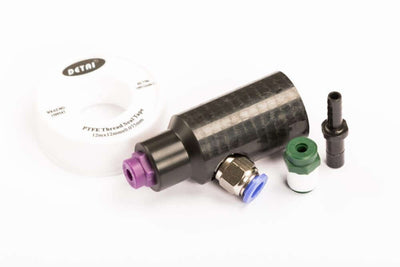
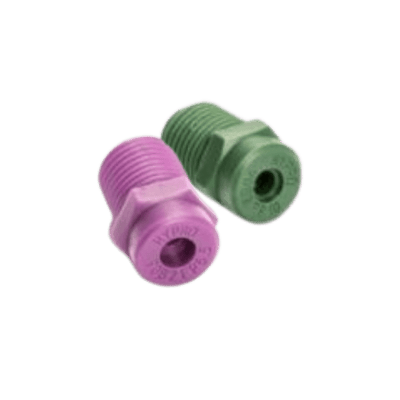
For professional low-pressure application, equipment such as a water fed pole softwash nozzle can help contractors reach wall elevations more safely from the ground where site conditions allow. It is still important to assess overspray, wind direction and nearby surfaces.
7. Allow Correct Dwell Time
Dwell time is where much of the cleaning happens. The solution needs time to work on the algae, but it should not be allowed to dry out on the surface unless the product is specifically designed for that method.
In practice, dwell time varies with temperature, sunlight, humidity, surface porosity, severity of growth and product strength. Work in manageable sections rather than chasing a drying wall across a whole elevation.
8. Agitate Stubborn Areas if Needed
Heavier algae, lichen spots or textured render may need gentle brushing. Use the least aggressive brush that achieves the result. Avoid wire brushes on render, soft brick, stone or painted finishes because they can scar the surface and create permanent marks.
9. Rinse or Leave According to Product Instructions
Some treatments are designed to be rinsed after dwell. Others are designed to remain and continue working over time. Follow the manufacturer’s instructions rather than applying one rule to every chemical.
Where rinsing is required, use low pressure and control the run-off. Watch for streaking from window frames, sills, vents and ledges. On rendered walls, a final inspection after drying is important because wet surfaces can hide patchiness.
10. Inspect, Document and Advise the Client
Once dry, inspect from different angles and distances. Some organic staining will improve further over days or weeks, especially where residual biocidal treatment is used. Provide aftercare advice, including fixing leaks, trimming vegetation and scheduling maintenance cleans where appropriate.
Safety and Compliance Notes for UK Contractors
Algae removal from exterior walls may look simple, but the moment chemicals, working at height, public access or commercial premises are involved, the job needs professional controls.
Key safety and compliance considerations include:
- Carry out a site-specific risk assessment before starting work.
- Prepare a method statement for commercial, public-facing or higher-risk sites.
- Complete COSHH assessments for all chemical products used.
- Keep safety data sheets available on site.
- Control overspray, drift and run-off.
- Protect plants, ponds, drainage systems and neighbouring property.
- Use appropriate access equipment and avoid unsafe ladder work.
- Never mix sodium hypochlorite with acids, ammonia or unknown chemicals.
For contractors who want a more structured approach to documentation, the Risk Assessment and Method Statement pack for exterior cleaning can help support safer planning and more professional client communication.
Common Mistakes When Removing Algae From Walls
Using Too Much Pressure
This is one of the most common mistakes. High pressure can remove the green staining quickly, but it may also damage render, open up porous surfaces and leave the wall more vulnerable to future contamination. On soft or painted surfaces, damage can be immediate and expensive.
Applying Chemicals Without Testing
A small test patch helps confirm compatibility, likely result and dwell time. This is especially important on coloured render, older paint, natural stone and commercial cladding. Test patches also manage expectations with clients before treating a full elevation.
Letting Product Dry on the Wall
Unless the product is designed to be left, drying can cause streaking, residue or uneven results. Work in sections and avoid applying in strong sun, high wind or extreme heat where possible.
Ignoring the Cause of Moisture
If a leaking gutter keeps wetting the same wall, the algae will return. Cleaning is only part of the solution. Good contractors identify contributing factors and advise clients on maintenance issues that affect regrowth.
Assuming All Green Stains Are the Same
Some staining is biological, some is mineral, some is pollution and some is damage within the coating. If you treat every mark as algae, you risk disappointing the client and wasting product.
Professional Tips for Better Results
- Clean in suitable weather: cool, dry, overcast conditions often provide better control than hot sun or windy days.
- Manage expectations: heavy algae may clean quickly, but deeper staining or lichen may improve over time.
- Photograph before and after: this protects both the contractor and client, especially on commercial sites.
- Use low-pressure application: let the chemistry do the work rather than relying on force.
- Protect metals: rinse down vulnerable metals before and after exposure, and avoid unnecessary contact.
- Keep clean water ready: immediate rinsing capability is essential if overspray reaches sensitive surfaces.
- Quote for access properly: difficult elevations, conservatories, extensions and public areas all affect time and risk.
How Often Should Exterior Walls Be Treated for Algae?
Maintenance frequency depends on the building and environment. A sunny, exposed wall may stay clean for years, while a shaded rendered elevation near trees may need planned maintenance every 12 to 24 months. Commercial properties often benefit from scheduled inspections because algae can affect brand appearance long before it becomes a major cleaning project.
For facilities managers, a planned softwashing programme is usually more cost-effective than waiting until staining is severe. Light maintenance treatment typically requires less product, less labour and less disruption than restorative cleaning.
When Should You Avoid Cleaning or Seek Specialist Advice?
Do not proceed without further advice if the wall surface is unstable, historically sensitive, heavily cracked or made from delicate natural stone. Avoid chemical treatment near unprotected watercourses, ponds or sensitive planting unless proper controls are in place.
You should also pause the job if wind conditions create overspray risk, if public areas cannot be controlled, or if the client expects a result that the surface cannot realistically deliver.
Building Skills Through Professional Training
Removing algae from exterior walls is not just about choosing a chemical. Good results come from understanding surfaces, dilution, dwell time, application equipment, PPE, environmental controls and client communication. That is why training is valuable for contractors moving from basic exterior cleaning into professional softwashing.
If you want to see how professional softwashing training is structured before committing to the full programme, you can try selected lessons from the SoftWash UK course for free. It is a useful way to preview the training and understand the standards, safety thinking and practical approach behind professional softwashing.
Frequently Asked Questions
What is the best way to remove green algae from exterior walls?
The best method for most exterior walls is controlled softwashing. This uses a suitable cleaning solution applied at low pressure, with correct dwell time and rinsing where required. It treats the algae more effectively than simply blasting the wall with a pressure washer.
Can I pressure wash algae off render?
Pressure washing render is risky, especially on coloured, painted, cracked or textured finishes. It can cause scarring, water ingress and patchy marks. Softwashing is usually a safer and more professional option for algae on rendered walls.
Will algae come back after cleaning?
Algae can return if the wall remains damp, shaded or exposed to organic debris. Treating the biological growth properly reduces rapid regrowth, but moisture sources such as leaking gutters, overhanging vegetation and poor airflow should also be addressed.
Is sodium hypochlorite safe to use on exterior walls?
Sodium hypochlorite can be effective for professional softwashing, but it must be used responsibly. Correct dilution, PPE, COSHH assessment, surface testing, run-off control and protection of plants and metals are essential. It should never be mixed with incompatible chemicals.
Do I need to rinse the wall after softwashing?
It depends on the product, surface and method used. Some systems require rinsing after dwell time, while some biocidal treatments are designed to remain and work gradually. Always follow the manufacturer’s instructions and carry out a test patch where needed.
Can algae damage exterior walls?
Algae is usually more of an appearance and moisture indicator than a direct structural threat, but it can hold moisture against surfaces and highlight underlying maintenance issues. On commercial buildings, it can also affect presentation, safety perception and planned maintenance standards.
Conclusion: Remove Algae Safely, Professionally and Properly
Removing algae from exterior walls is best approached with patience, surface knowledge and controlled softwashing methods. The goal is not simply to make a green wall look clean for a few hours. A professional job treats the biological growth, protects the substrate, controls risk and gives the client realistic expectations about results and maintenance.
For UK contractors, facilities managers and serious DIY users, the most important principles are simple: inspect first, choose the correct method, use chemicals responsibly, protect the surrounding environment, and avoid unnecessary pressure. When in doubt, test, document and work within a safe system.
SoftWash UK supplies professional softwashing chemicals, equipment, documentation and training resources for exterior cleaning professionals who want to work safely and consistently. If you are developing algae removal as part of your service offering, explore SoftWash UK’s product range, equipment options and training support to build a more professional, compliant and reliable approach.