How to Improve Productivity With Better Equipment
Better equipment improves productivity by reducing wasted time, shortening set-up and pack-down, improving application control, reducing rework and helping operatives complete exterior cleaning tasks safely and consistently. For UK exterior cleaning contractors, facilities managers, property maintenance teams and serious DIY users, the right equipment is not simply about working faster. It is about producing a better result with fewer delays, fewer site problems and less physical strain.
In practical terms, productivity improves when your equipment helps you:
- Apply chemical accurately and evenly.
- Reach work areas safely without unnecessary ladder use.
- Control flow, pressure and dwell time properly.
- Reduce manual handling and repeated mixing.
- Move efficiently between tasks on domestic, commercial and facilities sites.
- Avoid call-backs caused by poor coverage, incorrect dilution or unsuitable tools.
In exterior cleaning, poor productivity often comes from using equipment that technically works but is not right for the task. A pressure washer may clean a patio quickly, but it may be the wrong tool for a delicate rendered wall. A pump system may deliver chemical, but if the hose, nozzle, battery or filtration are poorly matched, the operator loses time fighting the set-up. This article explains how to improve productivity by selecting, organising and using better equipment in real-world softwashing and exterior cleaning work.
Why Equipment Has Such a Big Impact on Productivity
Productivity in exterior cleaning is not just measured by square metres per hour. It includes the full job cycle: quoting, loading, travelling, setting up, cleaning, rinsing, protecting surrounding areas, documenting work and leaving the site tidy. Equipment affects every stage.
For example, a contractor cleaning a rendered commercial elevation may lose time if they have to keep moving ladders, remixing small batches of solution or changing fittings because their hoses are not compatible. On roofline work, the wrong nozzle can cause poor coverage, excessive overspray or repeated passes. On facilities sites, delays are often caused by poor planning around water access, chemical storage, pedestrian management and equipment movement.
Better equipment gives you more control. More control means fewer mistakes, fewer interruptions and more predictable results.
The Productivity Equation: Speed, Quality and Safety
Productivity should never mean rushing. In professional exterior cleaning, the most productive approach is usually the one that achieves the required standard safely on the first attempt.
| Productivity factor | What it means on site | Equipment influence |
|---|---|---|
| Speed | Completing the agreed work efficiently | Pumps, hose reels, nozzles and reach systems reduce wasted movement |
| Quality | Even cleaning, controlled application and fewer missed areas | Correct flow rates, spray patterns and chemical delivery improve consistency |
| Safety | Reducing risk to operatives, occupants, plants, surfaces and the public | Better access tools, PPE, signage, containment and documentation support safer work |
| Profitability | More accurate pricing and fewer unplanned delays | Reliable equipment reduces downtime, rework and call-backs |
The best contractors do not think of equipment as a cost alone. They see it as part of their production system. A reliable pump, well-matched hose, suitable nozzle and proper chemical handling process can save hours across a week of work.
Start by Identifying Where Time Is Being Wasted
Before buying more equipment, look at where productivity is being lost. Many businesses buy bigger machines when the real issue is workflow, poor maintenance or the wrong accessories.
Common Time Drains on Exterior Cleaning Jobs
- Arriving without the correct fittings, spare seals or connectors.
- Mixing too frequently because tanks or containers are too small.
- Using nozzles that create poor coverage or excessive overspray.
- Dragging loose hose instead of using reels or organised hose management.
- Relying on ladders when pole application or safer access would be more efficient.
- Stopping work due to flat batteries, blocked filters or weak pumps.
- Using inappropriate pressure, causing surface damage or extra rinsing.
- Having no clear method statement, causing confusion on commercial sites.
A simple time audit can be revealing. On your next three jobs, record how long is spent on set-up, active cleaning, waiting, moving equipment, mixing, rinsing and pack-down. You may find that the cleaning itself is not the biggest problem. The lost time often sits around the edges.
Choose Equipment Around the Task, Not the Other Way Around
A common mistake is to build every job around one favourite machine. In reality, exterior cleaning requires different tools for different substrates, levels of soiling and site conditions.
For softwashing, the emphasis is on controlled low-pressure chemical application. For hard surface cleaning, the emphasis may be mechanical agitation, pressure, heat or flow. For maintenance cleaning, dwell time and even distribution can be more important than force.
Typical Equipment Choices by Job Type
| Job type | Productivity challenge | Useful equipment considerations |
|---|---|---|
| Rendered walls | Avoiding damage while treating organic growth evenly | Low-pressure softwash pump, suitable nozzles, controlled chemical application, water-fed pole options |
| Roofline, fascia and soffits | Safe reach and controlled application from ground level where possible | Extension poles, specialist nozzles, lightweight hose and good overspray control |
| Patios and driveways | Balancing speed with surface protection | Surface cleaner, pressure washer, pre-treatment and post-treatment equipment |
| Commercial cladding | Large area coverage and site safety | Higher capacity systems, hose management, signage, RAMS and controlled access planning |
| Facilities maintenance | Repeatable results with minimal disruption | Standardised kits, chemical dosing systems, planned maintenance schedules and documentation |
SoftWash UK supplies professional soft washing equipment for contractors who need practical, task-focused systems rather than improvised set-ups. The right configuration will depend on your surfaces, chemicals, water source, application distance and frequency of use.
Improve Productivity With Better Chemical Application Equipment
In softwashing, chemical application equipment has a direct effect on productivity. Poor application leads to missed areas, uneven dwell time, excessive chemical use and extra rinsing. In contrast, controlled application reduces waste and improves consistency.
Contractors should understand both the chemistry and the delivery system. The SoftWash UK softwashing chemistry and equipment hub is a useful starting point for understanding how equipment choice and chemical performance work together.
Pumps, Nozzles and Flow Control
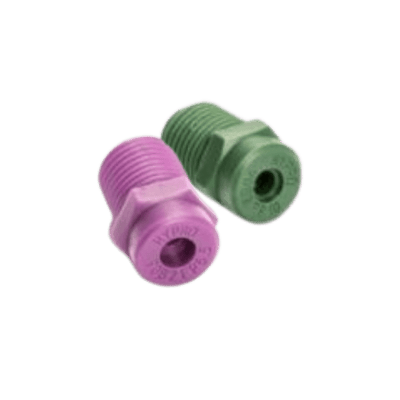
A productive softwash system needs enough flow to cover surfaces efficiently, but not so much that you create unnecessary run-off or overspray. The nozzle is often just as important as the pump. A poor nozzle can turn a good pump into a frustrating system.
When choosing application equipment, consider:
- Spray pattern: Fan patterns are useful for broad coverage, while more focused patterns may help with reach.
- Droplet size: Fine mist may drift more easily, especially in wind. Larger droplets can improve control.
- Reach: Choose reach based on safe working position, not just maximum distance.
- Chemical compatibility: Seals, hoses and pumps must be suitable for the products being used.
- Ease of flushing: Systems should be easy to rinse through after use to reduce wear and blockages.
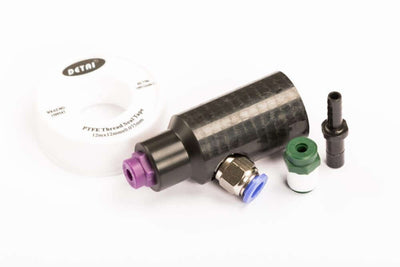
For pole-based application, a specialist accessory such as a water fed pole softwash nozzle can improve accuracy on elevations, fascia boards and other areas where controlled delivery from a safer position is important.
Dosing and Injection Systems
For contractors doing regular softwashing, dosing equipment can reduce time spent hand-mixing and improve repeatability. A proportioning or injection system can be useful where consistent dilution matters and the operator needs to switch between settings or apply product across larger areas.
A system such as the Clever Injector Dosatron may help professional users improve workflow by allowing more controlled chemical dosing, provided it is installed, maintained and used correctly. As with all equipment, the productivity benefit comes from proper understanding, not simply owning the item.
Use the Right Chemistry to Reduce Rework
Equipment improves productivity, but the chemistry must also be appropriate. If the product is too weak, poorly mixed or unsuitable for the surface, the operator may spend more time reapplying, rinsing or returning to site.
For organic staining such as algae, lichen and biofilm, many professional softwashing systems are built around oxidising chemistry such as sodium hypochlorite, used responsibly and at suitable dilutions. Contractors should understand how the active ingredient behaves, how it breaks down, and how it interacts with surfactants, dwell time and environmental controls.
A softwash surfactant can improve wetting, cling and coverage on vertical surfaces, helping the solution remain in contact for longer. In practical terms, this can mean fewer repeat passes and more even treatment, especially on render, cladding and textured surfaces.
There are also biocidal options used in some maintenance programmes, including products based on DDAC. These require proper understanding, label compliance and responsible use. Better productivity should never come at the expense of chemical safety, environmental protection or legal compliance.
Build a More Productive Exterior Cleaning Setup
A productive setup is not always the biggest or most expensive. It is the setup that allows the operative to work safely, consistently and without unnecessary interruptions.
1. Standardise Your Core Kit
Every regular exterior cleaning vehicle should have a standardised core kit. This reduces forgotten items and allows different team members to work in a consistent way.
- Compatible hoses, reels and connectors.
- Clearly labelled chemical containers.
- Spare O-rings, seals, nozzles and filters.
- Appropriate PPE for the products being used.
- Measuring jugs, dosing tools or calibrated systems.
- Plant protection and controlled rinse equipment.
- Warning signs, cones and barriers for public-facing sites.
- Site paperwork, SDS information and emergency procedures.
2. Reduce Set-Up and Pack-Down Time
Small improvements in set-up time add up quickly. Saving 15 minutes per job across four jobs a day can create an extra hour of productive capacity.
Useful improvements include:
- Mounting hose reels securely rather than carrying loose coils.
- Using colour-coded hoses for different applications.
- Keeping chemical application tools separate from pure water or rinse equipment.
- Using quick-release fittings that are suitable for the chemical and pressure involved.
- Storing frequently used items at the rear or side door of the vehicle.
- Creating a loading checklist for domestic, commercial and roofline work.
3. Match Hose Length to the Job
Too little hose causes constant vehicle movement. Too much hose creates drag, trip hazards and unnecessary flushing volume. For many contractors, using two or three practical hose lengths is more efficient than carrying one long hose for every situation.
On commercial sites, hose management is also a safety issue. Long hose runs across pedestrian routes need cones, ramps, signage or alternative routing. A facilities manager will usually appreciate a contractor who plans this before arriving.
4. Keep Batteries, Pumps and Filters Maintained
Many productivity problems are maintenance problems in disguise. Weak batteries reduce pump performance. Blocked filters create inconsistent flow. Worn seals leak and waste time. Poor flushing shortens equipment life.
A simple weekly maintenance routine should include:
- Flush chemical lines after use according to the product and equipment guidance.
- Inspect hoses for cracking, swelling or abrasion.
- Check nozzles for wear or partial blockages.
- Charge and test batteries before busy workdays.
- Clean filters and strainers.
- Check pump mounts, wiring and connectors.
- Record defects and replace worn parts before they fail on site.
Step-by-Step: How to Upgrade Equipment Without Wasting Money
Buying equipment without a plan can create clutter rather than productivity. Use a structured approach before investing.
- List your most common job types. Separate render cleaning, roofline cleaning, patio cleaning, cladding, gutter clearing and maintenance visits.
- Identify the biggest time losses. Look at set-up, access, application, rinsing, chemical mixing, movement and rework.
- Decide what problem the equipment must solve. Do you need better reach, better flow, better dosing, faster rinsing or safer access?
- Check chemical compatibility. Pumps, seals, hoses and fittings must suit the products being used.
- Consider operator comfort. Heavy, awkward or badly balanced tools slow people down and increase fatigue.
- Test on real jobs. Trial new nozzles, hose layouts or dosing methods on controlled work before relying on them for larger contracts.
- Train the team. Even excellent equipment performs poorly if the operator does not understand the method.
- Review the result. Measure whether the upgrade reduced time, improved quality or reduced call-backs.
Safety and Best Practice Notes
Improving productivity must not mean cutting corners. Exterior cleaning often involves working near the public, handling professional chemicals, using pressurised systems and operating around fragile surfaces, drainage, planting, vehicles and occupied buildings.
Key Safety Considerations
- Carry out a suitable risk assessment before work starts.
- Use the correct PPE for the task and chemical involved.
- Control public access with signs, barriers or exclusion zones where needed.
- Protect plants, ponds, metals, painted surfaces and sensitive materials.
- Do not spray in unsuitable wind conditions.
- Keep Safety Data Sheets available and ensure operatives understand them.
- Store and transport chemicals securely and in labelled containers.
- Follow product labels, UK regulations and site-specific controls.
For contractors working on commercial or facilities sites, good paperwork is part of productivity. If RAMS are not ready, work can be delayed before it starts. A resource such as the Risk Assessment and Method Statement pack for exterior cleaning can help businesses build more professional documentation and reduce delays when clients request safety information.
Common Equipment Mistakes That Reduce Productivity
Myth 1: More Pressure Always Means Faster Cleaning
High pressure has its place, but it is not always faster in the real world. On render, cladding, roofline materials and delicate stone, excessive pressure can cause damage, water ingress or surface scarring. The time saved during cleaning can be lost through repairs, complaints or rework. Softwashing often improves productivity by using chemistry and dwell time rather than force.
Myth 2: Any Pump Will Do
A pump that moves liquid is not automatically suitable for softwashing. Chemical compatibility, flow rate, pressure, duty cycle, seals, wiring and flushing all matter. A poorly matched pump can fail early or produce inconsistent application.
Myth 3: Bigger Tanks Always Improve Efficiency
Larger tanks can reduce mixing frequency, but they also increase vehicle weight, handling considerations and unused solution risk. Contractors should choose tank size based on actual work volume, payload, chemical management and site access.
Myth 4: Equipment Alone Solves Poor Method
Better equipment helps, but method matters more. If an operative does not understand dilution, dwell time, surface testing, plant protection and rinsing, the equipment will not deliver its full value. Professional training often produces more productivity than simply buying another machine.
Training: The Often Overlooked Productivity Upgrade
Training improves productivity because it reduces hesitation, guesswork and mistakes. Contractors who understand why they are using a specific chemical, nozzle, dilution and dwell time can make better decisions on site. That matters when conditions change, when a substrate is more sensitive than expected, or when a facilities manager asks for evidence of safe working practice.
The SoftWash UK training course is designed to help contractors build practical knowledge around softwashing methods, chemistry, equipment selection, site safety and professional standards. For many businesses, training helps turn equipment from a collection of tools into a repeatable system.
If you want to see how professional softwashing training is structured before committing to the full programme, you can try selected lessons from the SoftWash UK course for free. It is a useful way to preview the training and understand the standards, safety thinking and practical approach behind professional softwashing.
Practical Examples: Where Better Equipment Saves Time
Example 1: Render Cleaning on a Domestic Property
A contractor using a basic sprayer may struggle to reach upper elevations evenly, leading to patchy treatment and repeated passes. By using a suitable low-pressure softwash system, appropriate nozzle and pole application where needed, the operator can apply more evenly from safer working positions. This reduces ladder movement, improves coverage and lowers the risk of missing areas.
Example 2: Facilities Maintenance on a Retail Site
On a busy retail site, the main challenge may not be cleaning speed. It may be access, pedestrian control and working within a limited time window. Organised hose reels, clear signage, pre-prepared documentation and reliable dosing equipment can reduce disruption and help the work proceed smoothly.
Example 3: Regular Exterior Cleaning Contractor
A contractor working across multiple small jobs in one day may lose profit through slow set-up and pack-down. Vehicle organisation, labelled containers, quick checks, spare fittings and standardised equipment layouts can increase completed work without rushing the cleaning process.
What to Consider Before Buying New Exterior Cleaning Equipment
Before investing, ask practical questions rather than focusing only on specifications.
- Will this equipment help me complete my most common jobs faster or better?
- Is it compatible with the chemicals I use?
- Can I maintain it easily?
- Will it reduce manual handling or increase it?
- Does it improve safety or introduce new risks?
- Can my team use it consistently?
- Will it fit properly in the vehicle?
- Does it support professional documentation and compliance requirements?
SoftWash UK can support contractors with professional softwashing chemicals, equipment and educational resources. The best starting point is to match your equipment choices to the work you actually do, the surfaces you clean and the standards your clients expect.
FAQ: Improving Productivity With Better Equipment
What equipment improves productivity the most for exterior cleaning contractors?
The biggest gains often come from better hose management, suitable nozzles, reliable pumps, controlled dosing systems, organised vehicle storage and safer reach equipment. The best upgrade depends on where your current workflow loses time.
Is softwashing more productive than pressure washing?
It depends on the surface and the type of soiling. Softwashing can be more productive on render, cladding, roofline materials and organic staining because it uses controlled chemical action rather than aggressive force. Pressure washing may be more suitable for some hard surfaces such as paving, especially when combined with suitable pre-treatment or post-treatment.
How can facilities managers improve cleaning productivity?
Facilities managers can improve productivity by specifying suitable methods, ensuring access to water and drainage information, planning safe working times, requesting RAMS in advance and working with contractors who use appropriate equipment for the surface and site conditions.
Does better equipment reduce chemical use?
It can. Better nozzles, dosing equipment and application control often reduce waste by improving coverage and reducing overspray or repeated application. However, chemical use should always be based on the product label, surface condition, dilution guidance and safe working practice.
Should I buy the most powerful machine I can afford?
Not necessarily. Power is only useful when it is appropriate. For many softwashing tasks, controlled low-pressure application is more important than high pressure. Buying the right system for your work is usually more productive than buying the biggest system.
How often should exterior cleaning equipment be maintained?
Equipment should be checked before each job and maintained routinely. Pumps, hoses, nozzles, filters, batteries, reels and fittings should be inspected regularly. Chemical application systems should be flushed and stored according to the equipment and product guidance.
Conclusion: Better Equipment Creates Better Systems
Improving productivity with better equipment is not about rushing jobs or buying every new tool. It is about building a safer, more repeatable and more efficient working system. The right exterior cleaning equipment helps contractors apply chemicals accurately, reduce unnecessary movement, reach work areas safely, minimise rework and deliver a consistent standard for clients.
For UK contractors and facilities teams, the most valuable upgrades are often practical: better nozzles, reliable pumps, organised hoses, controlled dosing, good documentation, proper PPE and training that helps operatives understand the method behind the equipment.
If you are reviewing your current setup, start with the problems that cost you the most time. Then choose equipment, chemicals and training that solve those problems in a safe, compliant and professional way.
SoftWash UK supplies professional softwashing chemicals, equipment and training resources for contractors who want to improve results, work more efficiently and raise their standards. Explore SoftWash UK’s equipment, chemistry guidance and training options to build a more productive exterior cleaning system for your business or property maintenance team.