Understanding Chemical Delivery Systems for Softwashing and Exterior Cleaning
A chemical delivery system is the equipment and method used to move a cleaning chemical from its container to the surface being treated, at the correct strength, flow rate and level of control. In softwashing and exterior cleaning, this can include pump-fed softwash systems, proportioning injectors, downstream injectors, manual batch mixing, water-fed pole application, backpack sprayers and specialist dosing equipment.
For UK exterior cleaning contractors, property maintenance teams, facilities managers and serious DIY users, understanding chemical delivery systems is essential. The wrong system can waste chemical, damage surfaces, create safety risks, give poor cleaning results and make pricing unpredictable. The right system helps you apply the correct solution safely, consistently and efficiently.
This guide explains how the main chemical delivery systems work, where each method is most suitable, their practical advantages and limitations, and the best-practice checks you should make before using chemicals on roofs, render, cladding, patios, commercial buildings and other exterior surfaces.
Why Chemical Delivery Systems Matter
In softwashing, the chemical is not simply “sprayed on”. It must be selected, diluted, delivered, allowed to dwell and then managed according to the surface, contamination, weather, access, run-off controls and safety requirements.
A good chemical delivery system helps you control:
- Chemical strength at the point of application
- Flow rate and coverage per square metre
- Dwell time by applying the right volume evenly
- Spray pattern for vertical, horizontal or detailed work
- Operator safety by reducing unnecessary handling
- Accuracy when using biocides, surfactants or oxidising agents
- Waste control by avoiding over-application
- Compliance through planned systems and documented methods
In the real world, many poor softwashing results are not caused by the chemical being “weak”. They are often caused by poor delivery: incorrect dilution, low contact time, uneven application, blocked nozzles, poor rinsing strategy, inadequate pre-wetting, or using a system that cannot produce the required volume.
The Main Types of Chemical Delivery Systems
There is no single best chemical delivery system for every job. A domestic render clean, a commercial cladding washdown, a roof biocide treatment and a patio pre-treatment may all need different approaches. The most common systems used in UK exterior cleaning are compared below.
| Delivery System | Best Used For | Main Advantages | Key Limitations |
|---|---|---|---|
| Pump-fed softwash system | Roofs, render, walls, cladding, large exterior surfaces | Good reach, consistent flow, suitable for professional work | Requires correct setup, flushing and operator training |
| Proportioning injector | Controlled chemical dilution without batch mixing | Accurate dosing, reduced chemical handling, repeatable results | Must be matched to flow rates and chemical compatibility |
| Downstream injector | Pressure washing workflows, detergents and some low-strength treatments | Simple, inexpensive, keeps chemical away from pressure washer pump | Limited draw strength and less accurate than dedicated dosing |
| Batch mixing | Small jobs, controlled mixes, specialist treatments | Simple, easy to understand, flexible | More manual handling, greater risk of measuring errors |
| Backpack or handheld sprayer | Small areas, detail work, spot treatments | Low-cost and portable | Limited capacity, inconsistent pressure, operator fatigue |
| Water-fed pole chemical application | Low-level and controlled façade work, conservatories, awkward details | Good physical control, reduced overspray in some situations | Not suitable for all chemistries or high-volume treatments |
Pump-Fed Softwash Systems
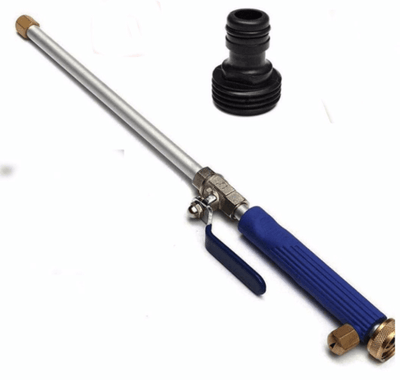
A pump-fed softwash system uses a chemical-compatible pump to draw prepared solution from a tank or container and deliver it through hose, lance, gun or pole to the target surface. This is one of the most common professional systems for softwashing because it provides reach, flow and control across a wide range of exterior cleaning tasks.
Where Pump-Fed Systems Work Well
Pump systems are useful when you need controlled application over a larger area, such as:
- Render cleaning on houses, apartment blocks and commercial properties
- Roof biocide application after manual moss removal
- Cladding and façade cleaning
- Pre-treatment of patios, paths and driveways before pressure washing
- Agricultural, industrial or public-sector property maintenance work
Good pump-fed systems allow the operator to apply chemical from a safer working position, reduce ladder work where possible and improve productivity. They are not, however, a substitute for a working-at-height plan, risk assessment or correct personal protective equipment.
Important Pump Selection Considerations
Before buying or building a pump system, consider:
- Chemical compatibility: Seals, valves, hose and fittings must be suitable for the chemical being used.
- Flow rate: Higher flow gives faster coverage but may increase run-off and waste if not controlled.
- Pressure: Softwashing does not require high pressure, but you need enough pressure to reach and apply evenly.
- Power supply: Battery systems are common for mobile setups, but battery capacity must suit the day’s work.
- Flush procedure: The system must be flushed correctly after use to protect components and prevent contamination.
SoftWash UK supplies a range of professional soft washing equipment suitable for contractors who want reliable application systems rather than improvised setups.
Proportioning and Dosing Systems
Proportioning systems mix water and chemical at a controlled ratio as the solution is delivered. Instead of batch mixing a tank at a fixed strength, the operator can use an injector or dosing unit to draw chemical concentrate into the water stream.
This is particularly useful for contractors who want consistency across repeat jobs, larger sites or long-term maintenance contracts. It also helps reduce manual chemical handling because the concentrate can remain in its original container or a dedicated chemical tank.
How Proportioning Systems Work
A proportioner works by drawing a measured amount of chemical into a water line. Depending on the system, this may be controlled mechanically, hydraulically or through calibrated injector settings. The aim is to deliver a predictable mix to the application hose.
For example, if you are applying a biocide to an area of roof or render, you may need a specific dilution rate based on manufacturer guidance and site conditions. A well-set dosing unit can help keep the mix consistent across the whole job, avoiding one elevation being too weak and another being over-applied.
When to Use a Dedicated Injector
A chemical injector is useful when:
- You regularly apply similar treatments across different sites
- You want to reduce batch mixing errors
- You need accurate dilution for professional documentation
- You want to improve productivity on larger properties
- You need a repeatable process for staff or teams
For contractors who need controlled dosing, the Clever Injector Dosatron is designed to help deliver repeatable chemical dilution in professional softwashing workflows. For biocide-specific dosing, the Dosatron Biocide Injector can support controlled application where accurate dilution is important.
Downstream Injectors
A downstream injector introduces chemical after the pressure washer pump, usually on the low-pressure side of the lance or hose system. This is common in pressure washing because it keeps chemical away from the pressure washer pump, reducing the risk of pump damage.
Downstreaming is useful for detergents, degreasers and some lower-strength exterior cleaning applications. However, it is not always accurate enough for treatments where exact dilution matters. It also depends heavily on water flow, nozzle size, hose length and injector quality.
Practical Limitations of Downstreaming
- Draw rate can change depending on nozzle selection.
- Long hose runs may reduce chemical draw.
- It may not deliver strong enough solution for some softwash applications.
- It is less predictable than a calibrated dosing system.
- Operators may mistakenly assume the label dilution is what reaches the surface.
In practice, downstream injectors are helpful tools, but they should not be treated as universal chemical delivery systems. If you need precise application for softwashing, biocide treatment or specialist chemicals, a dedicated softwash pump or proportioning system is often more appropriate.
Batch Mixing: Simple but Easy to Get Wrong
Batch mixing means preparing a known volume of chemical solution in a tank, drum, sprayer or container before application. It is straightforward and widely used, especially for smaller jobs or where the operator wants full control over the final dilution.
The weakness of batch mixing is that it relies heavily on accurate measuring, clear labelling and safe handling. Many contractors have seen jobs go wrong because someone mixed “by eye”, forgot the starting concentration, topped up a tank without recalculating, or failed to label what was inside.
Best Practice for Batch Mixing
- Read the product label and safety data sheet before mixing.
- Confirm the correct dilution for the surface and contamination level.
- Use clean, chemical-compatible containers.
- Measure water and chemical accurately.
- Add chemicals in the correct order according to manufacturer guidance.
- Label the container with chemical name, dilution, date and operator.
- Keep incompatible chemicals completely separate.
- Never mix unknown chemicals or combine products without manufacturer approval.
- Clean and flush equipment after use.
If you are working with professional cleaning chemicals, use products designed for exterior cleaning and follow supplier guidance. SoftWash UK’s soft wash chemicals range includes products for different exterior cleaning tasks, from softwashing solutions and surfactants to specialist stain removers.
Chemical Compatibility and Surface Suitability
A delivery system is only part of the equation. The chemical must also be suitable for the surface. The same application setup may be safe on one substrate and unsuitable on another.
Common Surface and Chemical Considerations
| Surface | Delivery Considerations | Best-Practice Notes |
|---|---|---|
| Render | Even low-pressure application, controlled dwell time, avoid streaking | Pre-wet sensitive areas, manage run-off and rinse where required |
| Roof tiles | Good reach and coverage, careful overspray control | Plan working at height, protect plants, avoid unnecessary foot traffic |
| Timber | Gentle application, avoid aggressive oxidising strengths | Test first and consider brightening or neutralising steps when appropriate |
| Metal cladding | Low-pressure controlled application, avoid incompatible chemicals | Check coating type, age, oxidisation and manufacturer guidance |
| Natural stone | Careful chemical choice, avoid staining or mineral reactions | Patch test and consider specialist products for rust, lead or organic staining |
| Driveways and paving | Pre-treatment, dwell, rinse or pressure wash depending on system | Control run-off and avoid chemical transfer to lawns or drains |
Surfactants are often used to improve wetting, cling and contact time on vertical or porous surfaces. A product such as Clever Wash Surfactant can help a correctly prepared solution stay on the surface longer, which is particularly useful on render, walls and elevations where run-off needs to be managed.
Application Control: Flow, Pressure, Nozzles and Spray Pattern
Good chemical delivery is about control, not force. Softwashing relies on chemical action and dwell time rather than high pressure. Excessive pressure can atomise chemicals, increase drift, damage surfaces and create unnecessary risk to people, plants, vehicles and neighbouring property.
Flow Rate
Flow rate affects productivity and the amount of chemical reaching the surface. Too little flow can lead to dry patches and poor dwell. Too much flow can flood the surface, waste product and cause run-off problems.
Experienced operators adjust flow based on surface absorbency, weather, contamination and access. For example, a heavily colonised north-facing render elevation may need more controlled saturation than a lightly soiled area that only needs maintenance treatment.
Pressure
Chemical application should usually be low pressure. The aim is to wet the surface evenly, not blast it. High-pressure chemical application increases misting and can force solution into joints, vents, seals or areas where it should not go.
Nozzles and Spray Patterns
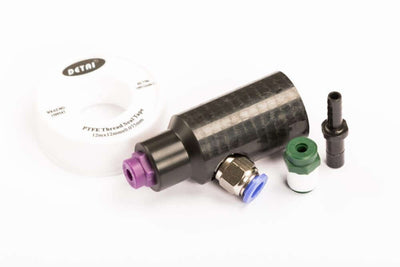
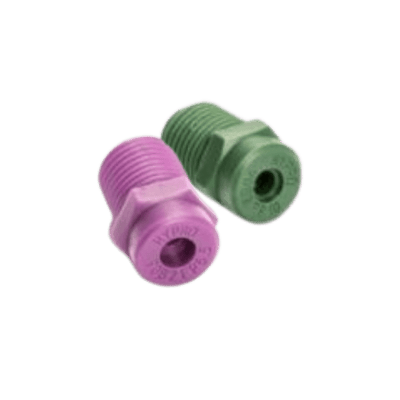
Nozzle choice affects coverage, reach and overspray. Fan nozzles give broad coverage for walls and ground surfaces. Stream nozzles can give greater reach but require careful control. Adjustable nozzles can be useful but should not replace proper site planning.
For controlled application from a pole system, a water fed pole softwash nozzle can help place chemical more accurately on some façades and detailed areas.
Step-by-Step: Choosing the Right Chemical Delivery System
Use the following process before deciding how to apply chemical on a job.
- Identify the surface. Confirm whether you are cleaning render, concrete, roof tile, metal cladding, timber, uPVC, stone or another substrate.
- Identify the contamination. Organic growth, carbon staining, oil, rust, algae, lichen, moss and atmospheric grime may need different products and methods.
- Check access and working height. Decide whether the work can be done safely from the ground, scaffold, MEWP or other access method.
- Select the chemical. Use a product suitable for the surface and contamination, following label and safety data sheet guidance.
- Choose the delivery method. Match the system to the required dilution, flow, reach and control.
- Plan dilution and volume. Estimate chemical requirement based on square metreage, absorbency and expected dwell time.
- Protect surroundings. Consider plants, painted surfaces, metals, watercourses, electrical equipment, neighbouring property and public areas.
- Prepare RAMS. Document the risk assessment, method statement, PPE, environmental controls and emergency procedures.
- Test a small area. Especially on delicate, aged or unknown surfaces.
- Apply evenly. Work methodically from section to section, avoiding dry patches and over-application.
- Monitor dwell. Do not allow surfaces to dry where the product requires wet dwell.
- Rinse, neutralise or leave as directed. Follow the product and method requirements.
- Flush equipment. Clean pumps, hoses, injectors, nozzles and containers after use.
Safety, Compliance and Documentation
Chemical delivery systems must be considered within a safe system of work. In the UK, contractors should think about COSHH, PPE, manual handling, working at height, environmental protection, public safety and site-specific hazards.
Before chemical application, make sure you have:
- Read and understood the product label and safety data sheet
- Completed a site-specific risk assessment
- Prepared a method statement for the task
- Selected appropriate PPE, including eye and skin protection where required
- Planned plant protection, run-off control and containment where necessary
- Checked wind conditions to reduce drift
- Protected electrical fixtures, air vents, ponds and sensitive surfaces
- Briefed staff and controlled access by the public or occupants
For contractors who want to improve their paperwork and site planning, the Risk Assessment and Method Statement pack for exterior cleaning can provide a useful structure for documenting safe working practices.
Common Mistakes and Myths About Chemical Delivery Systems
Myth 1: Stronger Chemical Always Cleans Better
Stronger is not always better. Incorrectly strong chemical can damage surfaces, kill plants, create staining, increase fumes and raise safety risks. Many professional results come from the correct dilution, proper wetting, suitable dwell time and controlled rinse strategy.
Myth 2: Any Pump Will Do
Standard garden pumps, unsuitable washer pumps or cheap sprayers may fail quickly when used with professional chemicals. Chemical compatibility matters. Seals, diaphragms, fittings and hoses must be selected for the products being used.
Myth 3: Downstreaming Gives a Guaranteed Dilution
It does not. Downstream injection rates vary depending on the injector, pressure washer flow, hose length, nozzle and restrictions in the system. If exact dilution matters, test the draw rate or use a proper dosing system.
Myth 4: Overspray Is Just Part of the Job
Overspray is a controllable risk. Wind assessment, nozzle choice, pressure reduction, shielding, working direction and careful application can significantly reduce drift. On commercial sites, this is especially important around parked vehicles, pedestrians, neighbouring businesses and sensitive materials.
Myth 5: Batch Mixing Is More Accurate Than Injectors
Batch mixing can be accurate if it is measured properly. However, it can also be inconsistent if staff guess volumes or top up tanks without recalculating. A calibrated injector can be more repeatable for regular workflows, provided it is maintained and checked.
Real-World Applications
Domestic Render Cleaning
For a typical rendered house with algae staining, a contractor may use a pump-fed softwash system with a suitable softwash solution and surfactant. The key is even application, plant protection, window and frame awareness, and controlled dwell. Too much flow can cause heavy run-off below window sills; too little can leave patchy results.
Roof Biocide Treatment
After moss has been manually removed, a biocide may be applied to inhibit regrowth. Chemical delivery must provide sufficient coverage without excessive run-off into gutters, ponds or planting. Access planning is critical. Operators should not rely on reaching awkward elevations if it encourages unsafe working positions.
Commercial Cladding
Industrial cladding often involves larger areas, mixed contamination and access restrictions. A proportioning system can improve consistency across elevations. Pre-testing is important because coatings can be oxidised, aged or previously damaged. Facilities managers should expect contractors to provide RAMS and evidence of product suitability.
Driveway and Hard Surface Pre-Treatment
For patios, block paving and concrete, chemicals may be applied before pressure washing to loosen organic growth or after washing as a treatment step. Delivery can be through pump, downstream injector or sprayer depending on the product. Run-off into drains and neighbouring gardens must be considered.
Maintenance of Chemical Delivery Equipment
Poor maintenance causes inconsistent results and equipment failure. Build flushing, inspection and calibration checks into your weekly routine.
- Flush pumps, hoses and injectors after chemical use.
- Inspect hoses for swelling, brittleness, leaks or kinks.
- Check nozzles for blockages and wear.
- Keep filters clean.
- Test injector draw rates periodically.
- Label chemical lines and containers clearly.
- Store equipment away from freezing conditions and direct sunlight where possible.
- Replace seals, O-rings and fittings before failure causes downtime.
A delivery system that worked well last month may not perform the same if a filter has clogged, a nozzle has worn or a hose connection is drawing air. Experienced operators troubleshoot the system before blaming the chemical.
Training Helps Prevent Expensive Delivery Mistakes
Chemical delivery is one of the areas where proper training quickly pays for itself. Knowing how to select the right application method, calculate dilution, manage dwell time, avoid overspray and document the job reduces risk and improves results.
The full Soft Wash Training Course is designed for people who want a structured understanding of professional softwashing methods, safety thinking, chemical application and practical job planning.
If this is an area you want to understand properly, you can start by accessing the free SoftWash UK course preview. It includes selected lessons from the full training course and is designed to help contractors see whether professional softwashing training is the right next step.
Frequently Asked Questions About Chemical Delivery Systems
What is the best chemical delivery system for softwashing?
For professional softwashing, a pump-fed system or calibrated dosing system is usually the most versatile option. Pump-fed systems provide good reach and coverage, while dosing systems improve dilution consistency. The best choice depends on the surface, chemical, job size, access and level of control required.
Is downstream injection suitable for softwashing?
Downstream injection can be useful for detergents and some lower-strength chemical applications, but it is not always suitable for accurate softwash treatment. Draw rates vary and may not deliver the required strength. If chemical accuracy is important, a dedicated softwash system or proportioning injector is usually preferable.
Do I need to batch mix chemicals before applying them?
Not always. Batch mixing is one option, but proportioning systems can mix chemical and water during application. Batch mixing can work well for smaller jobs or specialist treatments, provided measurements are accurate and containers are clearly labelled.
How do I know what dilution is reaching the surface?
You need to understand the starting concentration, the mix ratio and the delivery system’s actual draw rate. With injectors, this may require calibration testing. With batch mixing, it depends on accurate measuring. Never assume the dilution is correct without checking how your system performs.
Can I use any hose, pump or fitting with softwash chemicals?
No. Chemical compatibility is essential. Some chemicals can degrade unsuitable seals, hoses, metals and fittings. Always use equipment designed for the chemical being applied and follow supplier guidance.
What safety documents should I have for chemical application?
At minimum, contractors should have access to product safety data sheets, a COSHH assessment where relevant, a site-specific risk assessment and a method statement. Commercial clients and facilities managers will often request this documentation before work begins.
Conclusion: Control Is the Key to Professional Chemical Application
Understanding chemical delivery systems is central to safe, effective and profitable exterior cleaning. The right system helps you deliver the correct solution at the right strength, with the right coverage and the right level of control. The wrong system can lead to poor results, wasted chemical, surface damage, safety incidents and unhappy clients.
For most professional contractors, the best approach is to build a small number of reliable systems around the work you actually do. A pump-fed softwash system, a calibrated dosing option, suitable nozzles, reliable hoses, clear batch mixing procedures and strong safety documentation will cover many exterior cleaning scenarios.
SoftWash UK supports contractors, property professionals and serious DIY users with professional softwashing chemicals, equipment, documentation and training. If you want to improve your chemical application methods, explore the SoftWash UK Knowledge Hub, review suitable equipment and products, and consider structured training before taking on more complex softwashing projects.